


 Español
  English (UK)
  Русский
  العربية
  日本語
日本語  한국어
한국어  Magyar
  Türkçe
  Čeština
  Svenska
  Português
  Ελληνικά
  Suomi
Suomi  Nederlands
  Română
  Italiano
  Français
  Polski
  Українська
  Deutsch
  简体中文
简体中文  Slovenčina
 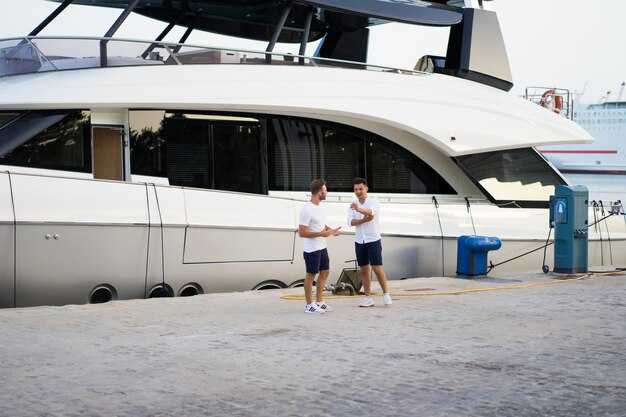 When Does a Yacht Become a Ship? Classifications and Definitions">

Comience con una regla práctica: cuando un buque es construido para viajes de varios meses con tripulación pagada y la capacidad de mover bienes más allá del uso privado, se le llama barco; de lo contrario, sigue siendo un yate.
La mayoría de las discusiones se basan en métricas tangibles. Mira a dimensiones and length overall (LOA). Si una embarcación excede aproximadamente 78 pies (24 metros) LOA, muchos models clasifíquelo como un barco, aunque las normas específicas del sitio y las regulaciones de la bandera varían. Un poco de crucero privado dentro de un sitio costero a menudo sigue siendo legal y prácticamente del tamaño de un yate.
Classification models differ: algunos se basan en distinciones basadas en términos, otros utilizan el tonel bruto o el desplazamiento como disparadores. El choice de framework which cuestiones para el seguro, la tripulación y el registro.
¿Planea viajar por la costa? cruising o largos viajes, el choice de la etiqueta afecta las operaciones on-water, mantenimiento y licencias. Algunos reguladores consideran que los buques de cierta longitud son barcos; otros se centran en los requisitos de la misión y la bandera.
Para decidir con claridad, siga estos pasos: medir dimensiones (LOA, haz, calado), observe years de uso planificado, y listar los bienes si corresponde. Consulte las normas del registro de su sitio, luego alinee start fechas, seguros y tripulación con la categoría elegida.
Para la mayoróa luxury vessels, the line between yacht and ship matters for who sails, where you travel, and how you enjoy the voyage. This materia tocas seguros, regulaciones y la forma en que abordas cruising días en el agua a través years de propiedad.
Criterios Prácticos para Distinguir un Yate y un Buque en Escenarios del Mundo Real
Recomendación: clasificar un buque como yate cuando se utiliza principalmente para el ocio y el confort privados, sin carga y sin ingresos de operaciones comerciales; si aparece carga, fines militares o ingresos comerciales, se convierte en un buque.
La cuestión depende del uso, no solo del nombre. Dependiendo de las reglas de bandera, el registro y de cómo el propietario presenta el activo en materiales de venta o categoría pública, la categoría formal puede cambiar, pero la distinción práctica permanece en las actividades en el mar y en los viajes.
Indicadores clave para saber rápidamente: propósito principal, carga/operaciones, intensidad de la tripulación y modelo de ingresos. El tamaño de la tripulación y la presencia de marineros indican la intención; un yate privado con una tripulación pequeña se mantiene como tal, mientras que la manipulación formal de carga o las tareas militares apuntan a un estado de buque. Aunque el nombre en los papeles importa, las actividades en el mar importan más para la clasificación.
En el segmento de los gigayates, los propietarios a menudo utilizan el término para embarcaciones privadas de ultra lujo, pero las operaciones del mundo real aún determinan si el régimen regulatorio y el cumplimiento se ajustan a las normas de yate o barco. Años de práctica muestran que la línea se desplaza principalmente cuando el uso privado da paso al chárter, la venta o la prestación de servicios que generan ingresos. Carl y otros observadores notarán que muchos marinos mantienen distinciones estrictas, incluso cuando los buques de recreo imitan la funcionalidad a escala de crucero; la diferencia práctica sigue basándose en los fines, la capacidad de carga y cómo opera la embarcación día a día, no solo en la publicidad o el nombre.
| Criterio | Características del yate | Características del buque |
|---|---|---|
| Propósito primario | Ocio privado, operaciones centradas en el confort. | Transporte comercial, manipulación de carga o fines militares |
| Carga y operaciones | Carga mínima; misiones no comerciales | Capacidad de carga significativa; operaciones comerciales o militares formales |
| Modelo de ingresos | Financiado por el propietario; ingresos no derivados de servicios rutinarios | Ingresos procedentes del transporte, servicios o contratos gubernamentales |
| Tripulación y marineros | Tripulación reducida; personal marítimo limitado | Tripulaciones dedicadas; varios departamentos y dotación formal |
| Nombre/categoría de registro | A menudo categoría privada o de yate; puede usar gigayate para enfatizar | Categoría de buque; registrado como activo mercante/de carga o militar |
| Size and performance | Wide range; can be very large but owner-driven | Typically substantial tonnage with broader regulatory scope |
| Regulatory definition | Use-based definition; flag rules apply | Regulatory framework tied to shipping law and registries |
Definitions and Regulatory Scope: What designations trigger yacht or ship under common maritime laws
Recommendation: Use the definition rooted in use, ownership, and on-water activity as the primary trigger. If the vessel is designed and used for private pleasure, owned by individuals, and primarily serves recreational cruising, then classify as a yacht. Sometimes foreign flags or classification societies apply the same hull to a ship when it supports a commercial model, transports passengers, or goods for hire.
Regulatory scope turns on terminology and category, not style alone. The same floating craft may be treated differently by flag state rules, port state control, and the rules of classification societies. In practice, the trigger includes the vessel’s size, its primary function, and the business context in which it operates; such factors determine whether it falls under yacht or ship regulation, and which safety, crewing, or inspection regimes apply.
Terminology matters because it affects registration, taxation, and insurance. The same hull can be a yacht in private ownership and a ship when chartered commercially. For the yachtbuyer, the decision hinges on how the boat will be used down the line; if the plan is to enjoy private cruising then the yachtbuyer should pursue pleasure-boat status, while if the operation will include carrying guests or bulk goods, the ship designation will drive compliance requirements. This nuance matters across jurisdictions, where height, length, and tonnage thresholds varies by category and flag.
Practical steps: review related regulations with your broker or attorney, confirm whether the vessel is intended for on-water private use or commercial service, and verify whether it would be counted as a small yacht or a larger ship for purposes of registration and safety rules. If you aim to stay within the yacht category, align construction and fittings with leisure use; when owners plan for motor operations or carrying guests or cargo, prepare for ship-class obligations.
Understanding the terminology and the regulatory scope helps making informed decisions and ensures compliance across jurisdictions, which reduces risk and improves ownership confidence for the yachtbuyer seeking a floating asset that aligns with their goals. Such clarity also guides due diligence on structural design, hull sizes, and operational constraints, and helps determine which rules apply on-water, and whether the vessel sits in the yacht or ship category during registration and operation.
Size, Tonnage, and Displacement Benchmarks: How measurements influence classification
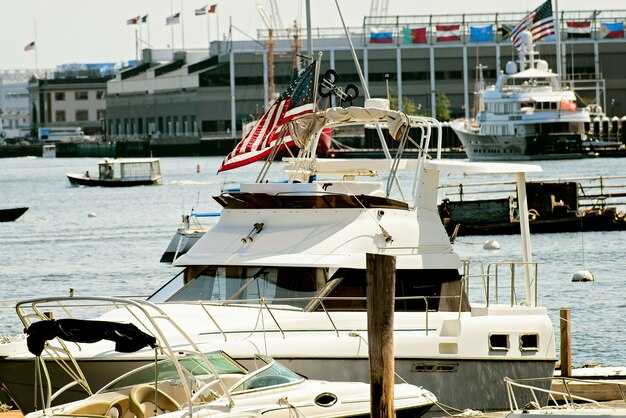
Know that the practical starting point for classification is length overall (LOA). Around 24 meters LOA serves as a clear threshold between smaller watercraft and larger yachts. Use LOA as your primary measure of size, then add tonnage and displacement to refine the label. This approach is becoming a standard in many markets, helping buyers, editors, and ports plan dockage, crew, and insurance with confidence. The thing to remember is that a single dimension rarely tells the full story, but LOA gives a solid foundation for the definition of a vessel’s class.
Beyond LOA, measurement systems like gross tonnage (GT) and displacement drive classification in port rules and documentation. GT is a volume-based index reflecting internal space, while displacement equals the vessel’s full-load weight. For a given dimensiones, GT varies with hull form, interior layout, and purpose–fishing, goods transport, military, or luxury watercraft. Displacement also varies with loading and hull design. A full-displacement hull tends to weigh more than a lighter, planing hull, even at the same length. A photo with hemingways helps illustrate how size cues can mislead if you focus only on appearance; while editors and brokers compare vessels, the definition y terminology matter in united markets. Buyers and editors enjoy clearer metrics that guide financing, berthing, and insurance.
To classify reliably, follow practical steps: record LOA, beam, draft, and displacement at full load; check the vessel’s GT with the flag state or classification society; The full hull weight is displacement, and it matters when comparing to tax, insurance, and port regimes; compare with typical market tiers: under 40 meters generally remains a yacht, 40–60 meters marks large yachts, and 60 meters plus leans toward megayacht or superyacht. Superyates generally begin at around 24–30 meters, though the threshold varies by region and market; more space, crew, and amenities push the label to bigger ranges. Generally, terminology varies by editor and region, with some markets calling substantial craft ships for commercial use, especially in military contexts or near islands.
In practice, the line is a function of several figures, not a single number. The definition and how size relates to cargo or passengers shapes port access and insurance. For on-water operations near islands or in busy harbors, height and draft limit docking options; plan for full-scale berthing, crew, and support; bigger hulls demand more fuel, storage, and maintenance down to the ramp. The thing to track is LOA, GT, and displacement, because they influence editor decisions, buyer expectations, and the suitability of a vessel for venues that host goods shipments or guests. Becoming familiar with these benchmarks helps you know what to expect when you compare different boats while you enjoy the process of choosing the right fit. These benchmarks have practical implications for editors, owners, and insurers alike.
Registration, Flag State, and Documentation Implications for Owners
Register with the flag state before any on-water operation and keep the registry current. Verify the vessel length and LOA are correctly recorded, then secure the certificate of registry, ownership proof, and, if required, a mortgage or lien release. For sale or private use, prepare a bill of sale, registry forms, and a clear proof of payment to avoid delays.
Flag state choice shapes compliance, taxes, and duties. Megayachts and larger craft often benefit from a flag state with streamlined service, while military vessels cannot be registered for civilian use. For powerboats intended for private enjoyment or commercial purposes, ensure the flag state allows the intended purposes and does not impose prohibitive requirements.
Documentation must cover the definition of the vessel and its ownership chain. Keep a complete set: certificate of registry, official number, Hull Identification Number or IMO number, proof of ownership, insurance, radio license, and safety certifications. Many authorities referred to as the источник provide requirements, and the editor may rely on this standard when compiling checklists.
Length thresholds determine registration complexity. Instruments such as load lines, ISM/ISPS compliance, and survey cycles may kick in at larger lengths. A vessel designed for private pleasure differs from one used for commercial sale or charter, yet the basic registry concept remains the same.
Transfer and sale require a clean title and updated documents. When ownership changes, notify the flag state, deliver new proof of sale, and release any liens. Delays can create on-water penalties and insurance gaps, so coordinate with the broker and the authorities.
Access to the flag state’s online portal speeds up processing. Upload scanned documents, track status, and download certificates once issued. This checklist aims for hemingways clarity for the editor and the owner, minimizing back-and-forth and mistakes.
On-board documentation: store a small, durable container with the essential papers, including the registry, insurance, and emergency contact numbers. Keep copies off-board in a secure location. For on-water use, have digital backups and a printed set for inspections.
источник: national maritime authority guidelines and practice notes form the basis for the rules you follow, and they are often cited when owners seek streamlined access to records and faster clearance during sale or transfer.
Operational Use and Crew Requirements: Do charter, commercial use, or passenger capacity shift the label
Label the vessel as a commercial passenger vessel when you charter or carry paying guests; keep the private yacht label for strictly non-commercial operations. This distinction affects regulation, safety, and insurance more than polish or pedigree.
From a practical standpoint, the label follows use. A craft used solely by its owner and a small, dedicated crew remains a yacht; when you host charter guests or offer services, regulators treat it as a ship or passenger vessel, with corresponding requirements.
Across the century of maritime design, the boundary between yacht and ship shifts with operation. Here’s how to assess and plan:
- Regulatory trigger: passenger capacity exceeding 12 triggers passenger ship status under SOLAS guidelines in many regions; charter fleets typically convert to commercial certification and formal operating procedures.
- Crew and certification: commercial use demands a licensed master, licensed mate, engineer, and safety officers; crew rosters follow flag-state rules and ISM/ISPS codes; drills and records become routine.
- Safety and equipment: commercial vessels require lifeboats or liferafts, life-saving appliances, radio, and appropriate manning; larger yachts add medical facilities and enhanced security measures.
- Registration and flagging: a charter or passenger-focused operation usually registers as a commercial vessel under the flag of the country; private yachts stay under recreational registration unless an amendment is filed.
- Insurance and liability: commercial use increases exposure; yachtbuyers should secure coverage for passenger operations, crew injuries, and third-party liabilities, with added terms for island itineraries and offshore services.
- Design and operation: ships certified for commercial use emphasize redundancy and maintenance regimes; powerboats designed for speed may not meet the same standards when used in passenger operations.
- Definitions and terminology: terms vary by market; some refer to a large leisure craft as a yacht regardless of use, while others reserve yacht for privately owned vessels with dedicated services.
Practical guidance for owners and yachtbuyers: plan around intended services. If you cater to guests on islands or coastal routes, prepare a formal operations manual, appoint a capable master, and align crew certifications with the flag regulations. If you intend occasional charters without commercial services, keep the yacht label by limiting passenger numbers and maintaining a private-use operation.
Size, length, and design influence the label. A craft with substantial length or size that carries a passenger load exceeding thresholds will move toward a ship category, triggering more stringent safety and crew requirements. Even among superyachts, commercial use shifts the label and affects crew, insurance, and regulatory compliance. This is why many worlds of specialized yachting distinguish between private yachts and commercial passengercraft; the terminology matters for regulators, insurers, and lenders.
For yachtbuyers, clarity matters. Consider services you plan to offer, from fishing trips to luxury charters, and map routes, crew needs, and insurance accordingly. A vessel currently designed for private use can be adapted for charter with the right permits, but that path should be reflected in the classification, terminology, and order of operations so you cater to clients confidently and safely.
Interiores de Lujo frente a Funcionalidad: Cómo las características de confort se alinean con la clase del buque en la práctica

Una regla práctica: asignar las características de confort a la clase, invirtiendo en alojamientos adaptables y sistemas modulares que se escalan con el tamaño del buque. Algunas indicaciones del siglo XIX aparecen en la calidez de materiales como la madera y el latón, pero la función dicta las distribuciones que se adaptan al estilo de crucero. En pequeñas lanchas a motor, priorizar materiales duraderos y distribuciones compactas; en megayates, crear suites flexibles y múltiples áreas de estar que se puedan reconfigurar para destinos y número de invitados.
- Cuartos y privacidad: En lanchas a motor más pequeñas, diseñe amarres compactos y silenciosos con acceso directo a los baños y almacenamiento eficiente. En megayates, ofrezca una verdadera suite principal con un vestidor, closet grande y un salón privado, además de pasillos de tripulación separados para mantener el servicio discreto y fluido.
- Espacios públicos y flujo: Para diseños más sencillos, mantenga un salón abierto que pueda transformarse en comedor o sala de cine con pantallas ligeras. Para yates más grandes, proporcione múltiples salones, un comedor formal y una terraza exterior que pueda ser sombreada o abierta según la ruta y el clima.
- Integración de sistemas y controles: Priorice el control climático estable, bombas de bajo ruido y paneles intuitivos. En lanchas a motor, instale sistemas robustos que la tripulación pueda mantener rápidamente; en megayates, centralice los controles en un centro dedicado para optimizar las operaciones y minimizar las molestias a los huéspedes.
- Materiales y mantenimiento: Elija telas resistentes a la sal, chapas estables a los rayos UV y revestimientos duraderos. Los interiores más sencillos en embarcaciones pequeñas reducen el mantenimiento, mientras que los megayates pueden utilizar acabados lujosos cuando se combinan con la protección adecuada y el cuidado rutinario.
- Estrategias de diseño por clase: unir elementos más sencillos y texturas más ligeras se adaptan mejor a embarcaciones pequeñas, mientras que diseños más grandes se benefician de particiones móviles, armarios modulares y centros tecnológicos que se adaptan a itinerarios y números de pasajeros diversos.
- Referencias prácticas y opciones prácticas: Consulte los catálogos del sitio y los documentos del constructor que muestren cómo un solo diseño se puede reconfigurar para diferentes perfiles y destinos de crucero. El enfoque radica en el confort y la función trabajando juntos con sistemas robustos y flujos de trabajo de la tripulación, haciendo que cada viaje sea menos sobre el exceso y más sobre cómo el espacio sirve al viaje en sí mismo.