


 Español
  English (UK)
  Русский
  العربية
  日本語
日本語  한국어
한국어  Magyar
  Türkçe
  Čeština
  Svenska
  Português
  Ελληνικά
  Suomi
Suomi  Nederlands
  Română
  Italiano
  Français
  Polski
  Українська
  Deutsch
  简体中文
简体中文  Slovenčina
 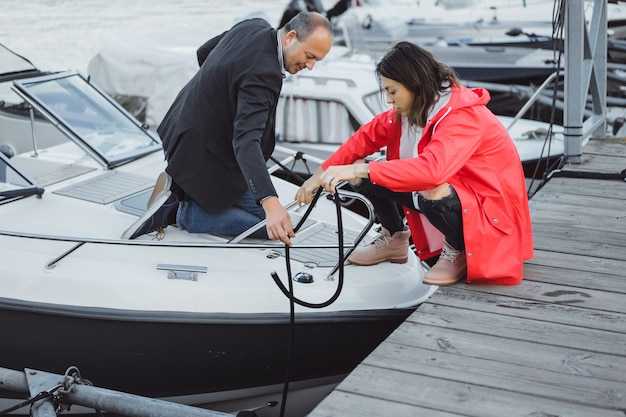 What to Bring on a Boat Trip – The Only Packing List You’ll Need">

What to bring on a boat trip starts with a single waterproof dry bag split into three zones: must-haves, comfort items, and safety gear. This keeps your gear organized and minimizes on-deck clutter onboard.
Hydration matters most, so carry a 500–750 ml reusable bottle and sip regularly; add electrolyte drinks for longer passages and times with direct sunlight to stay hydrated and alert while navigating the waters.
Before departure, read the boat’s route and load offline maps; note tides and weather windows and times for port calls so you can plan stops without fuss.
For overnight trips or early watches, pack sleepbuds or earplugs, plus a lightweight travel pillow for cabins; a simple sleep routine helps you stay fresh after long shifts.
Bring a small kit with painkillers, antihistamines, seasickness remedy, antiseptic wipes, and bandages; keep everything in a labeled container in a dry, accessible pocket.
To maximize comfort, include a compact rain shell, sunblock, a breathable hat, sunglasses, and a quick-dry towel; add a compact power bank to keep devices charged on longer trips, and be careful with density of gear so the cabin stays uncluttered.
For special conditions like cold mornings or windy decks, layer clothing and keep a spare set in the cabin; this common habit saves you from chilly waits and rushed shopping at the marina.
In cabins, store valuables in dry bags inside lockers; label pockets and use color tags so you can grab what you need without disturbing others when you read the boat’s layout.
Use this list to tailor your gear to the boat type and trip length; your highlights will be a smoother voyage when you plan ahead and stick to the plan.
Top Packing Categories for a Boat Trip
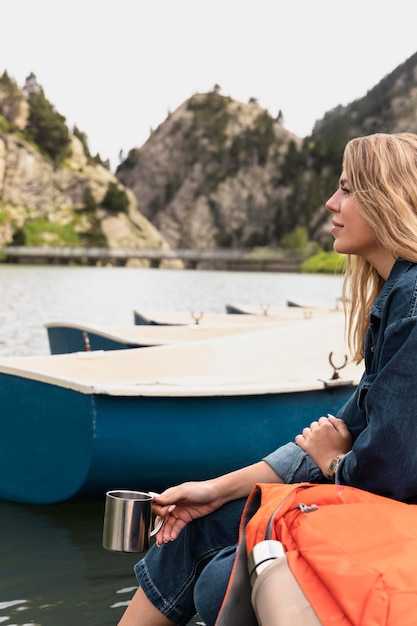
Pack a weatherproof layer, a water bottle, and a smart-casual outfit for meals aboard–the basics keep you comfortable from harbor to horizon.
Luggage strategy matters: use dry bags for clothes, a compact carry-on, and a small daypack you can grab on deck; check items regularly to stay organized and dry.
Power and converters: carry an ideal dual-voltage converter, adapters, andor a compact USB hub, plus a spare battery pack to take devices ready during long cruises.
Safety and signaling: whistles, a life jacket, a small mechanical toolkit with basic spares, a waterproof flashlight, and a basic first-aid kit; keep them in a dedicated pocket for quick access on rough seas.
Food and provisioning: plan catering-style snacks, non-perishables, a ginger root or ginger candy for nausea, a bottle for water or spirits if permitted, and clearly labeled goods for on-board use; making stocking simple helps reduce waste.
Clothing and comfort: plan outfits for two scenarios–dress for smart-casual dining and a sailing-friendly on-deck look; even when seas are calm, you stay prepared with extra socks, hats, sun protection, and a lightweight rain layer.
Navigation and planning: keep maps, a real guide to tides, and a clear difference between planned routes and detours; you’ll sail with confidence and often avoid surprises on the water.
Personal safety gear: life jackets, throwable flotation devices, whistle, and first-aid basics
Put on a Coast Guard–approved life jacket for every passenger before leaving shore, and verify the fit with one finger’s width between chest and strap. Keep jackets near the hatch or cockpit so they’re free of clutter and quick to grab as you move away from the dock, giving you a sense of security.
Inspect each jacket for tears, broken buckles, or faded buoyancy labels. If you find damage, replace it or set aside for a spare. Ensure a proper fit for adults and children, and use a crotch strap on boats with high splash risk. Some vessels require periodic checks by crew, and some regulations specify a safety routine; to prevent overpack, keep a compact essentials bag near seating so gear is ready on any excursion.
Keep a throwable flotation device within arm’s reach, such as a ring buoy or throwable cushion. Practice a quick, underhand throw to reach a swimmer, then guide them toward the boat while staying mindful of wind direction. In rivers and coastal areas, these devices save precious seconds when help is needed.
Attach a whistle to every life jacket or keep a compact whistle in a pocket or on a lanyard. In wind or noisy water, a clear whistle note travels farther than a voice and helps responders locate you quickly on a cruise or charter. If you want, avoid relying on battery-powered signals and rely on the reliable whistle for signaling.
First-aid basics go in a waterproof container: adhesive bandages, sterile gauze, antiseptic wipes, antibiotic ointment, latex-free gloves, scissors or trauma shears, tweezers, and adhesive tape. Include a simple manual and emergency numbers. Train the crew on basic steps, ensuring someone on deck can reach the kit quickly. Include this kit in the boat’s safety plan and refresh contents on a regular schedule to keep items current. These are common tools for minor injuries.
Hydrated guests perform better in emergencies. Keep a few bottles of water accessible and remind everyone to sip regularly during an excursion. Establish a quick safety list for any trip and review it before departure; keeping safety connected to routine helps thousands of adventures run smoothly, whether you’re on a quiet river cruise or a traditional charter. If you want, make this list part of every voyage to minimize missed steps and maximize peace of mind.
Sun protection kit: sunscreen SPF 50+, hats, sunglasses, UV-protective clothing
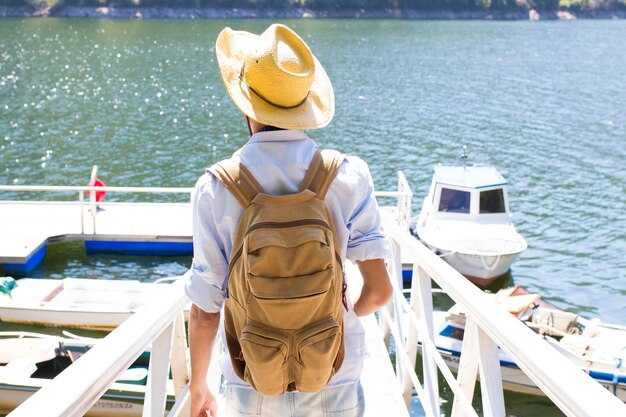
Nothing beats sun protection on a boat. Apply sunscreen SPF 50+ at least 20 minutes before you head on deck and reapply every two hours, or after swimming or sweating. Choose a broad-spectrum, water-resistant formula labeled for 80 minutes of protection. Carry a handheld sunscreen stick for quick touch-ups during short breaks.
Protect your head, eyes, and arms: wear a wide-brim hat (3–4 inches) to shade the face, ears, and neck, and UV-protective sunglasses with UV400 protection. Pick UPF 50+ shirts as a covering layer to provide extended protection. For sailing, a lightweight long-sleeve option helps you stay comfortable when the motion of the boat shifts the sun angle. This kind of setup keeps you familiarized with your gear and ready for day-long exposure.
Checklist you want to run through before setting off: sunscreen SPF 50+ (broad-spectrum, water-resistant), lip balm with SPF, hat, sunglasses, UV-protective clothing, and a compact sunscreen stick. Store the items in a dry bag within easy reach on deck. In the environment of sun, wind, and spray, staying protected means you must be organized so staying comfortable is quick, even during unpredictable shifts in weather or when visiting an attraction at the dock. Familiarize yourself with the setup, verify that items are in place, and handle bottles carefully to avoid spills. Think ahead to accidental loss or unexpected changes in sun exposure, and keep a second backup in a handheld pouch again for peace of mind.
Hydration and snacks: enough water, electrolytes, portable snacks
Keep at least 2 liters of water per person for a half-day boat trip, plus 1–2 electrolyte packets per person to cover sweat loss. A small cooler with ice packs maintains cooling and preserves beverage temperature, making a noticeable difference in how you perform on the water. Pack a spare bottle and a collapsible option so you can pass hydration around without slowing the crew.
Distribute intake evenly: sip 150–250 ml every 15–20 minutes during steady cruising; increase on hot days or in direct sunlight. For sunlight-heavy passages, choose electrolytes that restore sodium and potassium without heavy sugar; avoid excess caffeine on the water to keep energy stable and your focus sharp. Keep your routine simple to support stability and performance.
Snacks should be portable and energy-dense: almonds, walnuts, cashews; trail mix; dried fruit; cheese sticks; whole-grain crackers; beef jerky. Store them in a resealable bag to pass around easily and minimize crumbs. A kind mix that blends carbs and protein sustains you between swims and shoreline explorations. Plan a flexible assortment to suit taste and weather; if seasick, opt for light, salty options.
Medications and antiseptic essentials: bring personal meds in original packaging with a clear dosing plan; stash in a dry pocket. Include antiseptic wipes and a small first-aid kit. Sunscreen and lip balm are necessities, along with a hat for sunlight and a light layer for shade. Keep a spare pair of sunglasses and a compact towel for quick bathing off the dock if you stop for a swim. Aside from the main pack, assemble a compact kit that stays with you on deck for easy access.
Electronics and power: store phones, GPS, and audiobooks in a waterproof pouch; bring a charger and a compact power bank for electronic devices. A dedicated spot for chargers keeps clutter down and protects gear. Your devices help pass the time on long waterways and ensure you can call for help if needed. Monitor battery levels and rotate use to preserve stability during long stretches on the water.
Comfort and wear: wear quick-drying fabrics and a brimmed hat; keep a small towel handy for drying off. Aside from hydration, include a light layer for shade during midday sun and a spare set of socks in a dry bag. The right mix of items adds flexibility on deck and dockside transitions, helping you stay alert and ready for anything the voyage throws at you.
| Item | Qty | Notas |
|---|---|---|
| Water (liters per person) | 2 | maintain baseline hydration |
| Electrolyte packets | 1–2 | dissolve in water, sodium/potassium balance |
| Portable snacks | 1 bag per person | nuts, dried fruit, crackers, cheese sticks |
| Cooler with ice packs | 1 | cool drinks and perishables |
| Medications | as prescribed | original packaging, dosing plan |
| Antiseptic wipes | 1 paquete | hand hygiene and minor cuts |
| Dry bag | 1 | keep necessities dry |
| Charger and power bank | 1–2 | protect electronic devices |
| Audiobooks or digital content | 1 device | pass the time |
| Spare bottle | 1 | in case of spill |
Navigation and comms: maps or offline GPS, VHF radio, waterproof phone case, portable charger
Choose a compact, waterproof VHF radio as the anchor of your comms and pair it with a navigation kit you can trust on every trip. Load one set of offline maps on a rugged device and keep a spare paper chart in a protected bag for redundancy.
-
Navigation options
- Types: offline GPS on a rugged tablet or phone, plus paper charts in a waterproof containers or pouch. Have both light digital access and reliable hard copies for coverage when signal is weak.
- What to store: download regional maps before cruises and keep a small, printed map table or tables map of shallow areas, anchorage points, and hazards. Include a quick-reference legend to reduce search time.
- Practical setup: a lightweight device with offline maps (10–20 GB for coastal regions) and a spare device stored in a separate bag. Test the screens and touchscreen response with your gloves on, so you’re ready at sunset or in rain.
-
VHF radio and comms plan
- Stay on Channel 16 for hailing, switch to Channel 22A or another working channel for routine chats. Program emergency Channel 70 for Digital Selective Calling (DSC) if your radio supports it.
- Keep the radio charged with a spare battery or a small portable charger. Mount the antenna securely, test the speaker mic, and run a quick range check before leaving the dock.
- Create a simple plan: who calls whom, what to say if weather shifts, and how to cue the crew in a limited visibility scenario. Write it down on a waterproof card and keep it near the VHF.
-
Waterproof phone case and personal protection
- Use a rugged, waterproof case that allows full touchscreen use. Wear a neck lanyard or keep the case in a secure, easy-to-access bag so you can grab it without fumbling.
- Test the case in spray zones and near the head (bow) where splashes are common. Keep a spare micro-USB or USB-C cable in a zip bag inside the case for quick swaps.
- Protect against moisture with small silica packs in your bags; rotate devices to reduce exposure to humidity on long cruises.
-
Portable power and charging
- Carry a portable charger in the 10,000–20,000 mAh range and a compact solar panel if you expect long days offshore. Keep at least one spare power bank in a separate bag to avoid a single point of failure.
- Label cables and bottles to prevent mix-ups; use a waterproof container for the charger and cords to remain dry near the head and cockpit areas.
-
Onboard organization and readiness
- Store gear in waterproof bags and smaller containers to keep things tidy and minimize risk of loss during rough seas.
- Pack sunscreen spray, water bottles, and a small first-aid kit in a quick-access pocket so you remain prepared for weather-related changes or sudden rain.
- Keep an extra set of cameras or a small action cam handy if you want to capture sunlit moments at sunset; ensure it has a charged battery and a protective case.
-
Practical checks before departure
- Review your coverage maps and weather forecast for the route. If visibility drops, you’ll rely on the offline GPS and VHF plan more than ever.
- Confirm all gear: waterproof case, spare battery, spare rope or anchors, and a small plier set for quick fixes. A simple, sturdy idea is to run a fast, five-minute check of every device and bag.
- For coastal itineraries and long voyages, practice a quick scenario where you switch from maps to offline GPS and back, ensuring you know what you want to do if one source remains unavailable.
Weather-ready wardrobe and storage: layerable clothing, rain shell, waterproof bag, extra socks
Start with a three-tier system: a moisture-wicking base layer, a versatile mid-layer, and a compact rain shell with a hood. On a yacht, this setup works throughout shifting wind and spray, keeping you relaxed and dry again. Cover your head with a cap or beanie and protect eyes with wrap-around sunglasses to reduce glare and spray alike.
Choose two pairs of extra socks for every crew member: one thin synthetic for active hours and one thicker wool for damp decks. They keep feet warm and dry, which helps you stay focused again when the weather shifts. Pack socks in a dry bag or the inner pocket of your waterproof bag so they stay dry even if rain comes in last-minute spurts. A dry bag keeps the socks dry.
Storage matters as much as clothing. Use waterproof bags for clothes, electronics, and spare battery packs, and keep a separate garbage bag to isolate waste. Put dry items in a location near you in the cockpit or cabin so you can grab them with a quick motion, especially when lighting is dim. If something gets damp, swap to a dry item from the bag rather than dragging water inside.
Protect gear from underwater spray and mechanical issues by stowing it in a waterproof bag inside a dry locker, not in a damp bilge. A lightweight rain shell protects you from rain and sea spray, while a spare battery keeps GPS and navigation toys running; this reduces risk during a night drift or during a setting that suddenly becomes windy. Entertainment items stay usable because you’ve kept power and a dry bag ready for relaxing moments onboard.
For american crews, keep the kit minimal yet complete: only bring what you regularly use and can stash in a compact waterproof bag. Avoid overpacking; if storage is tight, a single waterproof bag in a cockpit locker does the job. Remember: last-minute changes require you to stay flexible, and a versatile wardrobe helps you adapt without delaying the boat. A compact kit keeps the setting tidy.