


 Español
  English (UK)
  Русский
  العربية
  日本語
日本語  한국어
한국어  Magyar
  Türkçe
  Čeština
  Svenska
  Português
  Ελληνικά
  Suomi
Suomi  Nederlands
  Română
  Italiano
  Français
  Polski
  Українська
  Deutsch
  简体中文
简体中文  Slovenčina
  What Is a Boat’s Draft? A Practical Guide to Boat Draft, Keel Depth, and Water Clearance">

First, know your boat’s draft before planning any trip. Draft is the vertical distance from the waterline to the keel, i.e., keel depth, and it defines access to marinas, channels, and shallow harbors.
This is the first rule sailors should follow when preparing for offshore passages: rules govern how you assess depth, and find safe routes by comparing your data to official charts and tide heights during an offshore trip.
Different boats carry different drafts, and modern hulls can blend flatter profiles with deeper keels. Deeper keels bring stability and performance, but may restrict shallow-water access. Know your keel depth and compare it to channel depths along your planned route to avoid surprises.
Water clearance is the vertical space you must respect under fixed obstacles. For maximizing safety, plan margins based on tide, swell, and local dredging, and follow charts showing what is allowed in each crossing. Use measured drafts and chart data instead of guesstimates to verify clearance. Aim for a margin that exceeds your draft by 0.3–1.0 meters, depending on conditions, to prevent surprises during the trip and keep skippers confident on offshore passages.
Keep your understanding practical: draft data on the boat does not change with minor rigging adjustments, but you can improve accuracy by rechecking after loading. Backstay tightening helps sail control and performance, but it does not alter keel depth or water clearance. This keeps planning focused on draft data as the reliable baseline.
Skippers should maintain a simple planning checklist: record your draft, verify with charts, and re-check after loading; compare to marina depths and tide data. This approach helps sailors approach offshore trips with confidence and keeps you safe without sacrificing speed or efficiency.
Core Concepts of Draft, Keel Depth, and Water Clearance
Check your watercraft’s draft and water clearance today against the planned route; if a shallow channel or bridge clearance is not met, adjust load, choose different anchorages, or reroute to stay safe across conditions.
Draft defines the vertical distance from the water surface to the hull’s deepest point. In practice, you use draft to determine whether a channel, shoal, or bridge is navigable with your current loading. For small yachts and day boats, expect 0.4–1.2 m; mid-size cruisers typically sit around 1.2–2.5 m; large ocean-going vessels and deep-keeled designs reach 2.5–4.0 m or more. Temperatures affect buoyancy only modestly, but colder water can slightly raise or lower a boat’s draft on a given load, which matters when you approach marginal depths.
Keel depth is the vertical distance from the hull bottom to the keel bottom and directly influences stability, righting moment, and tracking. A deeper keel increases resistance to leeway and supports curved hull efficiency at higher speeds, while a shallow keel suits shoal ports and markets with restricted channels. Centreboard boats show a wide range (0.2–1.5 m) depending on ballast and board position; fixed-keel designs range roughly 0.5–3.0 m. Deep keels improve performance across ocean passages but add weight and draft; balance curvature of the keel with your boat’s intended use as a unique design choice.
Water clearance, or air draft, is the vertical space from the water surface to the tallest fixed point above water. It governs safe passage under bridges and through overhead obstacles. Small watercraft often require 3–8 m of clearance; mid-sized cruisers commonly need 12–18 m; tall ships and high-rigged yachts can require 30–60 m or more. Plan with backstay tension and rig tune in mind, as rig height and mast curvature determine the actual peak height above water under load. While sailing, heeling changes the effective clearance, so always verify with a loaded mast for the expected wind.
Integrated planning approach reduces risk in multiple operating contexts. In the market for safe routes, compare your vessel’s vertical measurements with charted clearances across selected anchorages and ocean routes. A practical workflow takes you from drafting the numbers to confirming passable segments, then to adjusting ballast, sail trim, or route choices in real time.
| Concepto | What it measures | Typical ranges (approx.) | Practical notes |
|---|---|---|---|
| Draft | Vertical distance from waterline to deepest hull point | Small boats: 0.4–1.2 m; Med cruisers: 1.2–2.5 m; Large yachts: 2.5–4.0 m | Used to determine navigable routes; consider temperatures and loading when forecasting change in depth tolerance |
| Profundidad del casco | Vertical distance from hull bottom to keel bottom | Centreboard boats: 0.2–1.5 m; Fixed keels: 0.5–3.0 m | Generates stability and tracking; deeper keels reduce leeway but increase overall draft and curvature |
| Water clearance (air draft) | Vertical space from water surface to highest point above water | Small boats: 3–8 m; Medium cruisers: 12–18 m; Tall ships: 30–60 m | Crosses under bridges; plan across anchorages with rig tuning and backstay adjustments |
| Heeling effects | Impact of lateral heel on draft and clearance | Mild: 2–8 degrees; Severe: >20 degrees | While sailing, hull curvature and mast tilt change safe clearance; monitor instruments and adjust trim |
article practical recommendations emphasize a straightforward workflow today: measure, compare, and adjust. Always keep the backstay tension and sail plan aligned with the route’s vertical constraints, and remember that reducing load or ballast can shrink draft, while deep keels and tall rigs expand water clearance needs. This approach helps you navigate ocean passages, anchorages, and coastal channels with a clear, data-driven method.
Draft Limits for Docks, Channels, and Bridges
Recommendation: verify published draft limits for docks, channels, and bridges and add a buffer of 0.5–1.5 ft to your boat’s draft before planning any move; this helps you sail through harbors safely and avoid last‑minute reroutes.
Docks: Market segments drive depth. For small municipal docks, expect a published draft limit of about 4–6 ft; mid‑market marinas often list 6–9 ft; deep‑water slips in major facilities can reach 9–12 ft. Since tides vary, check the low‑water depth and add a buffer. If your keelboat drafts 7 ft, aim for a dock with at least 8–10 ft of published depth. Skiffs and other light craft usually clear these limits, but you should still verify the float area, fenders, and the shape of the hull through the slip layout. Construction work nearby can alter depth temporarily, so confirm just before you arrive.
Channels: When moving through channels, use charted depths as your first guide and add 1–2 ft for silt and current. Coastal channels commonly range from 12–25 ft in deeper routes and can be shallower in inland waters. For ocean passages, ensure the route can support your draft with room to spare, and always plan a preferred alternate through other channels. A good consideration is to maintain a safer margin if you carry a longer keel or a heavy load. This helps both novices and experienced mariners move with confidence in waters that vary by tide and weather.
Bridges: Bridges set the air draft you must clear. Most fixed spans offer 20–60 ft of vertical clearance; drawbridges open on schedule and can vary by traffic. Before a crossing, check the posted clearance at current tides and plan to be there when openings are available; for boats with tall masts or extending antennae, you should count on a longer wait in busy periods–and consider an alternate route if necessary. If you are managing a route for a tournament or high‑traffic day, map multiple bridge options and time openings to minimize delays. There, you should identify a route with room to spare and avoid last‑minute decisions that could risk contact with the structure.
Practical steps: Create a route sheet with dock limits, channel depths, and bridge clearances, then cross‑check with tide tables and the harbor master. Record your boat’s draft, hull shape, and any protruding parts; verify that the planned slip or transit allows for the margin above draft. Also confirm that the plan accommodates hull parts that extend outward when you move; if depth is uncertain, you can float the boat to a shallower pull‑in or adjust ballast. With careful planning, you reduce the chance of grounding and improve safety for both your crew and the vessel in markets and waters where depth can vary widely.
Draft vs. Keel Depth: Practical Distinctions for Boat Handling
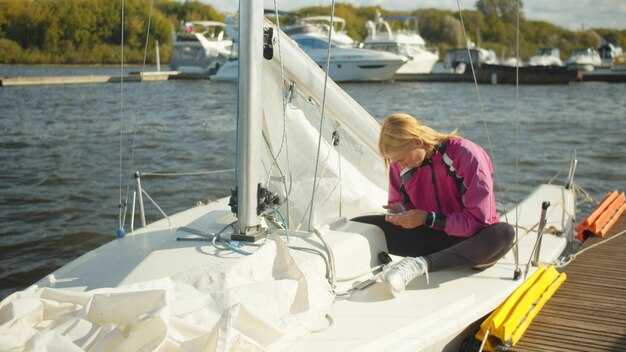
The answer is to fix a keel depth that maximizes straight‑line control in your typical areas and stays within marina clearances, making handling predictable where you go most and simplifying everything on deck.
Draft is how far the hull sits below the waterline; keel depth is how far the keel extends downward. The deepest point of the hull constrains water clearance, while keel depth governs tracking, leeway, and stability. They interact, but you control them differently: draft affects where you can operate, while keel depth affects how you steer and hold a course. Understanding the distinction helps you plan adjustments without overhauling the whole structure.
For hybrids that blend efficiency and steadiness, aim for a keel depth in the 18–24 inch range to enhance tracking without sacrificing shallow-water access. For light boats used by a sportsman in bays and rivers, 12–18 inch keeps handling light and responsive where wind shifts are common. If your vessel leans toward deeper water cruising or racing, 26–36 inch delivers maximum control and reduces drift, though you lose some water clearance where you must pass under bridges or through shallow channels. Per inch of keel depth, you gain steadiness but limit access to crowded, low‑water areas.
Adjustments matter. A centerboard or lifting keel lets you switch between shallow and deep settings, while a fixed keel requires smarter weight distribution and ballast management to balance pointing, speed, and trim. They will affect how you plan a pass at a waypoint, how quickly you accelerate after a tack, and how you recover from a gust. Light boats bloom with quicker responses; heavier craft gain stability as you increase depth. Note that every change shifts the handling texture, so test in a safe area before pushing limits.
To decide where to set the baseline, consider your typical routes, tides, and marina constraints–where you routinely navigate, what water you expect to meet, and which conditions you cannot avoid. Check your hull and keel clearances against the deepest potential waterline you expect, and plan for a small margin (a few inches) to avoid contact on rough days. When in doubt, start with a mid-range keel depth and adjust in small increments, assessing turning, stopping, and light wind response after each change. источник provides reference values from manufacturer specs, which you can compare with your own measurements to validate your choice. Note that equipment and hull structure will influence the best setting for your boat, so use the data as a guide, not a mandate. For beginners and experienced sailors alike, keep a reliable checklist and revisit the numbers after season changes and new gear investments.
Where to Find Draft Figures: Plans, Registrations, and Surveys
Start with the designer’s plans; they capture the draft and hull shape. The fixed keel depth is listed, and the draft is shown to the nearest inch, giving the baseline you should rely on when planning docking or tide loads.
Request the latest plan set from the builder, designer, or broker, and check the owner’s data package. Plans for those vessels often live in the builder’s library or in a digital file attached to their project, and they should be the first place you look.
Registrations and class records can carry a draft reference or link to load-line documents. Check the certificate of registry, flag-state papers, and any stability or load-line certificate; those documents sometimes capture the planned draft or the current regulation-based value for their vessel.
The most reliable current figure comes from a recent marine survey. The survey captures the current draft under the stated ballast and passenger loads, and the report notes bow, stern, and keel depth to confirm alignment with the plan.
To verify and use the numbers, compare plan draft with the measured draft and track any differences. In this role, the plan’s numbers guide daily decisions about managing ballast and loads. If weight changes, the draft becomes adjusted; take midships measurements and compare bow and stern depths to detect uneven loading while you manage ballast and loads to stay within safe limits.
Yachts and larger vessels with fixed deep keels differ from skiffs and light-hull craft, where draft can be shallower under lighter loads. Hybrid shapes may show two draft figures (plan vs. survey); in those cases, rely on the figure captured by the latest survey and note any deviations from their original plan.
If you have questions, contact the designer, the class society, or a licensed surveyor. Gather three sources: plans, registrations, and surveys, and you will have a complete picture of your draft situation.
Measuring and Verifying Draft: Tools and Step-by-Step Techniques
Use a repeatable routine that provides readings you can trust when planning sailing, loading, or running in shallow channels. This approach often saves time at the dock and across voyages for ships and boats.
- Tools you need
- Tape measure (metric and feet), adjustable ruler, waterproof marker
- Plumb line or weighted string to establish vertical distance from the water surface to the keel
- Waterline gauge or a digital depth meter, if available
- Waterproof notebook or app to monitor data across readings
- Level, wedges, and a stable platform to keep the hull from shifting
- Step-by-step approach
- Prepare and baseline
- Check weather and tide; ensure the boat sits on a level keel and is securely tied. Mind trim and ballast as readings are taken. This helps sailing and docking decisions across conditions for ships and boats.
- Mark the waterline on both bow and stern with a marker; note any inlets along the hull that might trap water and skew the reading.
- Take readings at key stations
- From the water surface, drop a plumb line to measure distance to the keel at bow, midships, and stern; record each value.
- Measure across the beam at each station to detect trim; aim for a flatter waterline if possible, which yields more consistent results.
- Verify with multiple tools
- Compare manual readings with the depth meter; if readings diverge, retake with adjustable tape and confirm.
- For deep-draft readings, repeat with the boat at rest and then slowly check again after minor maneuvers that influence trim; this reinforces reliability.
- Account for conditions
- Weather, wind, and current drives subtle shifts in water level; use a consistent speed while measuring to minimize variability.
- Document and act
- Record all readings in a simple table; compute an average draft and note the maximum deviation across stations.
- Check readings against last measurements and hull data; discuss differences with captain and crew to plan ballast, routing, or speed adjustments.
- Use the data to maximizing accuracy and safely guide decisions, especially when weather or currents change; captain and people on board can align power and speed with the plan.
- Prepare and baseline
Navigating Shallow Water: Tactics to Avoid Grounding
Apply a specific rule for shallow-water transit: maintain at least 1.5× your draft as a buffer and set a depth alarm to trigger well above the bottom reading. This navigation habit provides predictable margins and would reduce grounding risk in shoal channels.
Plot routes that favor deeper passages and modern anchorages with greater depth. Before entry, verify charts and navigational data, note known shoals, and identify a safe point where you could turn back. A modern yacht would benefit from the same depth awareness. Sailboats and deep-draft yachts both benefit from knowing where the water is deepest, especially near bends and the point where depths remain greater.
For hull integrity, adjusted centerboards on sailboats to suit the exposure; raised centerboards create shallower silhouettes, creating a margin for error in shallow channels. Maintain adequate freeboard, avoid aggressive turns, and keep the structure of the hull robust so occasional contact does not lead to damage. Modern designs also incorporate features that tolerate light grounding without compromising safety.
In running through suspected shoals, slow down and keep a tight watch on depth readings. Tend to the navigation cues, cross-check with visual markers like color changes and sandbars, and adjust course gradually. Also consider light, well-balanced sail trim to reduce draft impact, and be prepared to anchor if depths drop unexpectedly–this approach would reduce risk for both sailboats and deep-draft vessels.
Finally, create a simple, repeatable checklist for shallow-water passages: confirm depth margins, review navigational charts, select anchorages with ample freeboard and depth, and keep a conservative margin near channels and points. This practice enhances safety, supports smooth transitions, and keeps the crew confident in unpredictable shallows.