


 Español
  English (UK)
  Русский
  العربية
  日本語
日本語  한국어
한국어  Magyar
  Türkçe
  Čeština
  Svenska
  Português
  Ελληνικά
  Suomi
Suomi  Nederlands
  Română
  Italiano
  Français
  Polski
  Українська
  Deutsch
  简体中文
简体中文  Slovenčina
  Top Whale Watching Spots in Baja California – Best Destinations & Tips">

Begin your search along the Sea of Cortez near Loreto and immediately book for a once-in-a-lifetime cetacean encounter. Migrations ranging from December through March bring a charming mix of mothers and calves, with peak activity in February. Licensed operators offer responsible approaches that protect them and the habitat they rear along the mexicos coastline. Spend time on deck, observe from the rear of the boat, and enjoy beaches, shallow dives, and open-water moments that set the scene for memorable experiences.
Beyond Loreto, the leading coastal zones offer La Paz and Cabo Pulmo as reliable options. Mexicos coastal communities believed calmer winds yield longer viewing sessions, and guides emphasize conservation. Local operators provide shore and small-boat excursions that pair observation with snorkeling, brief coastal strolls, and sea-kitchen tastings of ceviche, letting guests linger on quiet beaches. They also stress safety and immediate response to wildlife behavior, and more opportunities for encounters.
In the Magdalena Bay corridor, December through March concentrates cetacean families in sheltered lagoons. They tend to approach boats gently, circling at mid-depth with dramatic surface fins and tail flicks. A day can include a guided snorkeling session with a few shallow dives, plus a beach ceviche break and a sunset stroll along a quiet shore. This pattern draws more visitors who value responsible spending and sustainable travel as part of the experience.
Choose licensed outfits and verify permits, then pick boats with quiet engines and experienced captains. Coastal weather can shift quickly, ranging from glassy mornings to rolling afternoons, so plan flexible itineraries. Pack light layers, reef-safe sunscreen, insect repellent, and a camera with a long zoom for snorkeling moments; consider a waterproof bag for electronics. When ashore, enjoy the fresh catch–ceviche and other simple mexicos-inspired flavors–while respecting local rules. For those spending multiple days, a marine charter can pair surface viewing with sport options like kayaking or gentle snorkeling instruction, offered by responsible operators who used sustainable practices and trained crews for safety and wildlife welfare, and travelers should act responsibly at all times.
Explore Loreto’s Old Town and Other Prime Whale Watching Areas
Start with a dawn skiff outing from Loreto’s harbor, hire a licensed captain with solid safety skills, and book a 3–4 hour day-trip that can be extended depending on conditions. This setup suits everyone aboard, with attentive watchers on deck and guides who picked routes based on real-time reports.
Loreto’s Old Town rewards visitors with a compact, walkable core–mission church, market stalls, and a harbor promenade–plus easy access to nearby protected coves. From a villa or other accommodations, stroll to the waterfront and begin a kayak, gently gliding on glassy water to observe surface activity while wandering along the promenade.
Beyond the town, other prime cetacean-viewing zones include Magdalena Bay and the Espiritu Santo archipelago. Pick a kayak or skiff-based trip; day-trips or longer adventures are common, with time frames that differ by season. Each option offers different vantage points. Travelers from Canada often couple Loreto with a broader itinerary, which can optimize travel time.
Safety gear is standard and safety briefings are enforced; guides teach learned skills for paddling, spotting signs, and staying with the group. Kayakers should keep a respectful distance and move gently to avoid disturbing wildlife. There are no lies about safety; always rely on official briefings.
Logistics: book accommodations in Loreto early, with options ranging from simple rooms to boutique villas; time-of-year affects access, and in spring the larger trips tend to fill quickly. Almost all itineraries include a shore stop, while day-trips typically return by mid-afternoon, and longer excursions require flexible schedules.
Tips for planners: pick a picked operator with a solid safety record; traveling groups should hire guides who have learned experience; after your first outing, you’ll know which route best fits your party and your adventures. Everyone can enjoy the experience with proper safety and accommodations in place.
Seasonality and peak sighting windows by destination
Prioritize February in the cabos corridor and Magdalena Bay for the highest opportunity to see mother whales with calves; calves stay longer in lagoons when conditions cooperate, boosting seen encounters. If you’re flexible, push the window into March to catch a second pulse of arrivals. Pair the trip with beachfront access to Jesuit missions and other historic sites, and plan a lunch on the deck to maximize time on the water. A tripui card speeds vendor payments and helps with bundled tours, making the day totally smooth for kiwi travelers who want loads of value; others will have different options, but certain operators provide reliable boats for sightings.
cabos region, located at the tip of the peninsula, concentrates humpback activity from December through April, with February–March the strongest window. Mornings offer the clearest water and closest approaches; sightings include mothers and calves breaching. Tours depart from licensed operators with access from the two main airports; beachfront beachfront accommodations provide quick launches; keep a flexible plan to switch between San José del Cabo and Cabo San Lucas as sea conditions shift.
magdalena bay hosts the classic gray-whale nursery from January through March, with peak around February. Expect loads of close encounters with mothers and calves; lagoons provide calm water and predictable viewing. Access typically requires a regional flight to La Paz, followed by a short boat transfer; trips commonly include a waterfront lunch and visits to sites along the coast. The area offers a markedly different ambience compared with the cabos corridor.
loreto and other gulf regions see winter visitors from February to April, with the March peak. Expect regular sightings of humpbacks and occasional blues in warmer years; itineraries often include visits to multiple sites along sheltered bays, and guides offer parades of seabirds from deck. Access is via regional airports; itineraries can hop between beachfront coves and remote islands for variety.
Practical notes: start from the airports and keep a flexible plan; consider the card options from tour operators; in some months the signals are different, and only certain conditions yield high counts. This does require patience, but trips picked with care tend to deliver frequent seen breaches and parades of seabirds. A tripui card helps with discounts, and plans made in advance stay totally reliable; also monitor diseases advisories and carry bottled water and reef-safe sunscreen.
Loreto’s Old Town: access, sights, and pre-tour logistics
Arrive early; a walk of about 1,600 feet from the marina puts you at the heart of Loreto’s Old Town, letting you start with a clear plan before crowds form.
Access is straightforward: arriving by air to Loreto International Airport, then a short taxi or rental car ride lands you at the edge of the historic district, situated between the shoreline and mountainous foothills.
Sites include the historic mission church, a shaded plaza, and lanes lined with negrita-painted facades. Their layout invites a looking, unhurried stroll and spontaneous discoveries at every corner.
Pre-tour logistics: arrange a local guide who can speak to history, culture, and visitor behaviors; choose a plan created for pace and ethical operators, and verify opening times so you can maximize core sites in a half-day.
Travel planning for canada-based travelers and others: the Old Town is walkable, with types of itineraries suitable for those arriving with varied paces; day-trip possibilities exist, and others traveling with a cruise or as a city-stay can look for guided options; considering a simple, grounded pace helps. On domingo, markets appear on the streets, adding local flavor.
Wildlife and sighting: while most wildlife is coastal, you can quickly notice seabird behaviors along the waterfront; keep a respectful distance and avoid chasing sightings. A calm approach lets you observe without disturbing others and supports a society of visitors.
Cruise visitors should arrange their own shore time in advance to avoid missing core sites; there is no guarantee of a sighting, so prepare a fallback plan that focuses on architecture, culture, and crafts. You can look for other nearby sites within a short walk and still keep the experience managed.
Souvenir options emphasize quality and craftsmanship: purchase from trusted shops, asking about materials and origin, and avoiding goods with questionable origins. Such practice supports local makers, helps the community, and creates a meaningful memento.
Choosing licensed operators and boat types for safety and comfort
If you wish to maximize safety, hire a licensed operator with valid permits, current rights, and an english-speaking crew; expect a formal safety briefing before taking this activity.
Reconsider any offer from unlicensed boats; verify the operator’s license numbers, insurance, and a written safety plan. The main guidance should include a VHF radio, well-fitted life jackets for all sizes, a first-aid kit, fire extinguisher, and a rescue throw line; confirm access to emergency contact procedures.
When selecting a craft, look for built stability and deck design that suits long sessions. The most reliable options are catamarans in the 28–34 ft range or center-console vessels around 22–28 ft, both with shaded seating and non-slip decks. If seas are brown with sediment, opt for a larger hull and slower speeds to keep your group comfortable; a higher freeboard reduces spray and exposure during windy stretches.
Snorkelling gear should be readily accessible, and a cooler with drinks helps maintain comfort. For casual groups, a stabilized hull and ample deck space make the experience smoother, whereas smaller pangas can be fine for short hops but less forgiving on rough days; however, choose safety over speed every time.
Adhere to sustainable practices to minimize wildlife impact: maintain a respectful distance from cetacean sightings, turn engines off when stationary, and avoid crowding animals. Operators who publish a wildlife-friendly policy and train crews in ethical viewing demonstrate a commitment to this approach; this is the main factor in a totally satisfying trip.
Where you launch and where you go matters: central harbors with quick access to lagoons and protected inlets, within reach from northern towns, offer the most flexible options. Look for itineraries that cover several places along the coast, and confirm that the destination plan includes time for blue-footed bird sightings and a short snorkelling break.
From the moment you book, check that rights to operate are clearly stated and that the boat built for this coast is compliant with local regulations. For a balanced day, bring a portable tent-style shade for shore breaks and expect a crew that can explain sights in plain english, making the day enjoyable for families and solo travelers alike; the activity will feel totally safe when the operator adheres to these standards.
Packing, attire, and on-board safety for a day at sea
Pack the necessary gear in a compact daypack: a quick-dry layer system, a water bottle, a small cooler for drinks, and dry bags for electronics. Start with this core kit, then adjust depending on forecast and personal needs.
From the darsena to the plaza, theres a good chance conditions shift with sun, wind, and spray. March can bring cooler mornings and warmer afternoons, so focus on versatile layers and a windbreaker to stay comfortable through the day, here and along both the east and west coasts.
Use this guidance to stay organized and enjoy the journey, and remember that small choices influence everyone around you in city life and the surrounding society.
Checklist by category:
- Essentials to bring:
- Necessary items: reef-safe sunscreen (SPF 30+), sunglasses with a strap, a broad-brim hat, lip balm, quick-dry shirt, lightweight rain shell, and a dry bag for valuables.
- Hydration and food: water bottle (1–2 L per person), electrolyte packets, snacks that travel well, and a small cooler for cold drinks.
- Gear for spotting: binoculars, a camera with extra memory and battery, microfiber cloth, and a compact field guide.
- Safety and comfort: seasickness remedies, a compact first-aid kit, personal medications, wet wipes, and hand sanitizer.
- Logistics: booking reference (randomtrip15), accommodation details if staying near the harbor, copies of IDs, and a waterproof map or offline app.
- Attire and comfort:
- Footwear: non-slip deck shoes or sandals with a back strap; avoid slick options on a moving deck.
- Layering: base layer, mid-layer, and windproof outer shell; for early departures, include a light thermal layer.
- Sun and spray protection: sunglasses with strap, wide-brim hat, long sleeves for sun coverage; reapply sunscreen every couple of hours.
- Practicality: quick-dry fabrics, minimal jewelry, hair tied back; carry a spare outfit in case you get sprayed.
- On-board safety and etiquette:
- Life jackets: locate yours on boarding and wear when advised; keep children supervised and properly equipped.
- During rough seas: stay seated or hug a handrail; avoid leaning over rails; secure loose items to prevent shifting.
- Seasickness: sit in a stable area, avoid heavy meals before departure, use approved remedies; fresh air helps.
- Wildlife viewing: move slowly, do not block access to decks, and maintain a respectful distance from birds like herons and other surface dwellers; use zoom lenses for distance.
Photography tips: capturing breaching whales responsibly
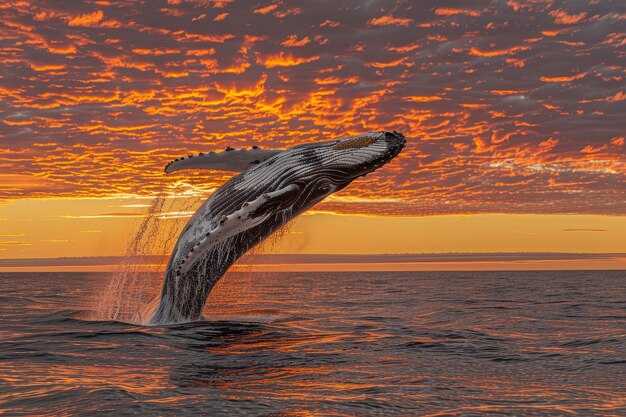
Use a telephoto lens of at least 300mm (prefer 400–600mm) and shoot from a stable platform, keeping a safe distance along the line of sight to cetaceans. This restraint minimizes disturbance and preserves natural behaviors while delivering sharper, more immersive frames.
Light matters: target the morning window for soft, directional illumination, then reassess as the sun climbs. In november and during winter, sea state can shift quickly; check an information source before heading out and be prepared for changing conditions on the water.
Gear and technique: on a boat, brace against rails or mount a monopod if allowed; set shutter speed between 1/1000 and 1/2000 to freeze spouts, aperture around f/6.3–f/8, and use auto ISO with a ceiling (e.g., ISO 160–3200) to balance glow and spray. Track movement with continuous AF and shoot bursts to capture the arc, splash, and moment of impact.
For smartphone shooters, enable burst mode and lock focus, then stabilize with both hands or a small grip. Review histograms on deck and avoid post-processing as a substitute for careful framing. Whether you shoot from shore or on a vessel, youre mindful of your limits and stay within authorized zones.
Ethics and safety: mandatory guidelines from operators and agencies dictate distance, noise, and proximity to mothers and calves. Never chase, never approach inside a restricted line, and minimize disturbance by turning off loud gear and avoiding flash. Carry a small bag to collect litter and keep plastic out of the water; your responsible practice protects ecosystems and your long-term access to wildlife experiences.
Observation and craft: watch numerous behaviors–breach sequences, spyhopping, tail slaps–and anticipate the next surface for precise timing. If youre birdwatching or snorkelling nearby, keep a wide stance and quiet presence so the activity remains undisturbed. In field notes you may see references like loretos or magdalena to describe locales, nuestra information reflecting Loreto’s Magdalena Bay region and the gulf more broadly, all within respectful guidelines.
| Setting | Recommended | Notas |
|---|---|---|
| Shutter | 1/1000–1/2000 | Freeze spray and arc |
| Lens | 300–600mm | Stabilize; brace on deck |
| ISO | Auto with cap 3200 | Use exposure comp +0.3 to +1.0 for glare |
Morning shoots offer the best color and mood; plan ahead, check weather, and respect the sea’s tempo. Your craft benefits from patience, a calm approach, and a clear information line that aligns with conservation goals and community values; this completes a responsible, completely satisfying experience for you and the creatures you photograph.