


 Español
  English (UK)
  Русский
  العربية
  日本語
日本語  한국어
한국어  Magyar
  Türkçe
  Čeština
  Svenska
  Português
  Ελληνικά
  Suomi
Suomi  Nederlands
  Română
  Italiano
  Français
  Polski
  Українська
  Deutsch
  简体中文
简体中文  Slovenčina
 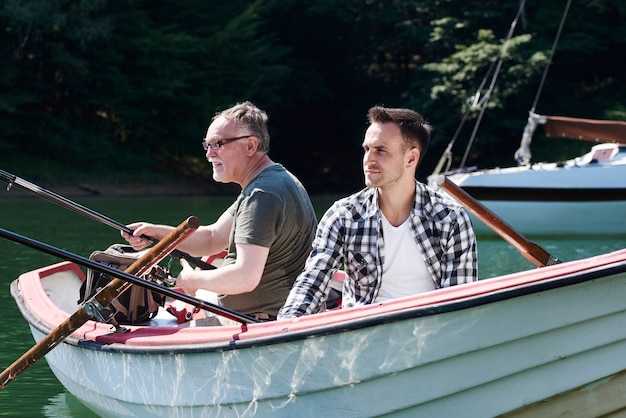 Top-Rated Inshore Fishing in Mount Pleasant, SC | Best Charters & Guides">

Recommendation: Book a 4-hour flat-water outing from the isle area near the Charleston coast with a crew that target redfish and trout on shallow flats at first light. This setup will have you ready for action, will deliver a solid hookup and steady catches, and keeps the day compact and affordable.
Timing & gear matter: spring and fall bring the best action as fish schools push through creeks and shoreline edges. Look for birds over the waters and prepare for a moment when the bite goes from tentative to consistent. The near window often yields multiple catches, and you can build on each drift while keeping your tackle ready for the next cast. When a fish takes, ease into the hook and feel the bend; that feel is a clean hook and a hard bite that signals a true hookup, while you learn how to time your reel hand with the fish.
Gear plan: a light 7–8 ft spinning rig with 12–20 lb braid and 15–25 lb leader works well. Use 1/0–2/0 hooks and 1/8–3/8 oz jig heads, paired with live shrimp or small soft plastics. If the water is clear, consider a slower retrieve to entice trout; if colored, switch to a faster pull for redfish. This setup keeps your hook sharp and your line taut as you work the flats and nearby waters near the isle coastline.
Choosing the right team: look for a seasoned angling outfit with captains who know the Lowcountry waterways near the isle area and Shem Creek. Verify safety credentials, boat size, and included tackle so you wont have to scramble for gear. Ask for recent trip reports to gauge success with smaller fish along the edges of the flats; a good crew adapts to wind and current, keeping you in water where the action will happen and where your catches can stack up across multiple passes.
Practical tips to maximize time on the water: arrive ready with sun protection, water, snacks, and a light layer. Bring polarized sunglasses to spot shadows along the flats and stay quiet to avoid spooking them. dont expect every cast to produce; some days are awesome, but you still should be ready to adjust. If luck aligns and the water warms, you may land a good bite on a moment when the bite transitions from tentative to confident. The perfect day means a steady pattern and multiple catches, with pleasant morning light setting the tone as you ride the rhythm of near-water action.
Lowcountry Shoreline Angling Guide
Recommendation: Start at morning light near the isle flats; reds and trout begin feeding quickly, and they respond within the moment. Have your line ready and both live bait and plastics on deck for quick swaps.
Gear and approach: use a 7-foot medium rod, 12–20 lb braid with a 6–12 inch fluorocarbon leader; target edges along shell beds and oyster bars, casting parallel to grass lines and mangroves. These ones know the spots on flats, and a slow, controlled retrieve keeps the bait near structure for reds and trout.
| Target | Strategy | Baits/Tools | Ideal Window |
|---|---|---|---|
| reds | edge casts along mangrove and oyster edges; cast, reel, pause, repeat | live shrimp or soft plastics | dawn to late morning |
| trout | work along sandbars and grass flats; keep lure mid-depth and steady | paddle-tail plastics, shallow-divers | early morning |
Dont overlook black-water days; when the water is stained, switch to darker colors and a longer lead to keep the lure in the strike zone. Those who adapt find more catches near the isle edge and along drop-offs where current concentrates bait.
carolina coast action favors consistent spots; if you just started, keep it simple: track depth, tide, and the last bite, then repeat. Some days the best action happens near 2–4 feet of depth; other times you’ll find reds and trout closer to the shoreline flats. The moment you lock in a pattern, you can replicate it across trips.
carolina marsh zones reward those who stay patient and observe the tides.
Top-Rated Inshore Fishing in Mount Pleasant, SC
Recommendation: book dawn charters with a friendly, beginner-friendly captain who runs timed trips around calm channels just after first light, targeting trout near oyster beds.
These sessions begin fast; you’ll be on water within minutes, and the gear is ready for live bait or small lures. Early morning light reduces glare and makes it easier for beginners to learn the cast, while calmer water lets smaller fish move along the edges for an awesome bite when they time their strike. Black drum sometimes patrol these flats, so bring a heavier option just in case.
Prime spots include the Shem Creek area and the Cooper River mouth, plus backwater channels that run around marsh edges and past oyster bars. Found along the edges are schools of trout and redfish, often near oyster beds; they respond well to light jigs and live shrimp when the current is right.
Gear and approach: 6- to 7-foot spinning rods, 10- to 15-pound fluorocarbon leaders, and a mix of live bait and soft plastics. For beginner-friendly trips, keep retrieves steady and shallow, and watch for the moment of contact; when you see a bite, they’ll respond immediately and you can set the hook with confidence.
Booking tips: pick a morning slot timed around first light. Ask the crew what they recommend for beginners; these teams will tailor a plan to the water, wind, and tide. If you want an awesome, memorable experience, these charters handle the gear, bait, and safety so you can focus on the moment and the spot you’re fishing.
Best Charters & Guides in Mount Pleasant
Start with a dependable outfit around the isle, launching at the early light; the crew is ready and reds patrol the smaller flats in calm waters, offering a friendly hookup and a pleasant mood while you learn the ropes.
Targeting reds and other fish, these captains mix live bait with artificials, work the channels and nearshore banks, and tailor trips to the weather; these ones might indicate what to expect and theyrecommend adjusting rigs and tactics for conditions.
Optimal results come with a dawn or late-afternoon run, when the tide lines the smaller flats and reds linger near the isle; these captains recommend timing around a moment of calm water and a perfect hookup, even time for the entire crew.
Gear ranges from 15-25 lb test for reds to heavier setups for bigger fish; boats around 25-28 ft with two anglers per trip; live wells stocked and ready; anglers often mix live bait with plastics to increase catches. Pick outfits that operate near channels, isle shores, and the broader waters, and look for transparent pricing and strong safety records for them.
Species You’ll Want to Hook Around the Harbor
Targeting reds at first light around the harbor yields the most consistent catches. Use a 20-30 lb fluorocarbon leader and a 1/4- to 3/8-ounce jig with shrimp; work near pilings, mangrove edges, and grass pockets where water is 2-6 ft deep. Calm mornings and timed drifts increase bite windows; hang a bait near structure for longer so them bite. just bring a net for landing.
-
Reds – Targeting around structure and channels, these fish would bite best during early mornings. Baits: live shrimp, mud minnows; rigs: 20-40 lb braid with a 20-30 lb leader; lures: 1/4- to 3/8-ounce bucktails or paddle tails. Water depth: 2-6 ft; hang near pilings and isle flats; time: dawn or dusk; catches come quickly after a pause; theyre eager to bite when the tide moves in.
-
Trout – Spotted seatrout move along grass flats and mid-channel edges. Baits: live shrimp under a cork or small soft plastics; rigs: 1/8-ounce jig; water: 3-5 ft; time: after a tide turn when water is calm; these fish are friendly on light tackle; youre likely to land a handful with patient casts.
-
Flounder – Found on sandy bottoms near structure and drop-offs. Baits: live finger mullet or cut bait; rigs: 2/0–3/0 hooks with 15-20 lb fluorocarbon leader; depth: 4-8 ft; casting along seams near drop-offs; time: around the turning tide; dont settle for fewer chances; these can be picky but deadly when you feel the tap.
-
Black Drum – Edges around oyster bars and structure. Baits: cut bait or crabs; rigs: 30-50 lb leader; heavy rod; water: 3-8 ft; time: incoming or steady current; if you feel a heavy thump, maintain pressure; this species would test gear but rewards patience.
-
Sheepshead – Pilings, docks, and rocky areas. Baits: fiddler crabs, shrimp; rigs: 20-30 lb braid to 12-20 lb leader; hooks: 1/0-2/0; depth: 2-6 ft; time: year-round with a peak in spring; technique: drift tight to structure; these catches can be awesome once you dial in the bite.
Keep gear ready: a 7- to 8-foot medium-action rod, 15-30 lb line, and a few cork rigs; this setup is awesome for calm mornings and timed runs around the harbor.
Tactics for Harbor Waters: Baits, Tides, and Spots
Begin with the morning arriving current along a calm harbor channel and rig live shrimp on a 2/0 circle hook; this setup makes them bite around structure and yields hookup opportunities for beginner-friendly setups.
- Best baits and tackle
- Live shrimp on a 2/0 circle hook; if shrimp are scarce, switch to mud minnows; both work around channels and spots, and they’re easy for carolina-based anglers to start with.
- Soft plastics: 3–4 inch paddle tails in black, rigged on a light jig head (1/8–1/4 oz); drift or crawl them along edges to draw follow-ons from nearby cover.
- Cut bait: small mullet or menhaden chunks on a 1/0–2/0 hook; use this when water is stained or when you’re targeting deeper channels a boat can reach.
- Something simple: a single-hook rig with a short leader works well for beginners and keeps the presentation friendly to them and to your boat control.
- Tides and timing
- Timed windows: the 1–2 hours after low or high tide typically produce the most action in channels and around harbor structures; during the incoming phase, water moves through hides and hang spots, increasing hookups.
- Las mañanas tranquilas suelen producir capturas más certeras e inmediatas; si el viento aumenta, acorte los lances y mantenga la embarcación cerca de la cobertura para mantener la sensibilidad.
- Las ventanas matutinas en la costa de Carolina empezaron a mostrar picadas constantes cuando te alineas con la pleamar y la lenta deriva a lo largo de la trama de canales.
- Manchas y estructura
- Puntos clave: canales, bordes de bancos de ostras y la bocana del puerto donde el agua circundante es más profunda; estas áreas concentran el cebo y son utilizadas por depredadores de emboscada.
- Los bordes de las islas y alrededor de los pilotes ofrecen cobertura para los depredadores de emboscada; trabaja a lo largo del agua alrededor de estas características con una recogida lenta y constante para evitar asustarlos.
- Cerca de pilotes negros o montones de rocas, apunta a las columnas de agua medias con una recuperación firme y constante; cerca de los arroyos, las corrientes suelen ser constantes y productivas.
- Estructure su presentación para que el señuelo no se enganche de inmediato; una breve pausa puede provocar una clavada y mantener la línea tensa.
- Practical tips
- Mantén el equipo ligero y manejable; las aguas tranquilas facilitan el control del equipo y la permanencia en los lugares.
- No compliques demasiado los montajes; algunas de las configuraciones más sólidas son simples y fiables, especialmente cuando estás empezando y quieres encontrar rápidamente lo que funciona.
- Si un punto no da una picada, prueba con otra zona cercana; las que parecen similares a menudo producen de inmediato cuando cambias de cebo o presentación.
- Cuando encuentre un método productivo, marque el lugar y repita el patrón; así es como los pescadores de Carolina convierten un par de buenos lugares en un patrón confiable.
Lo que dicen los pescadores: reseñas recientes
Comience con un viaje matutino en un bote más pequeño hacia un punto de canal de ostras en la costa de Carolina; tenga el anzuelo listo y la línea tensa, porque la trucha pica mejor temprano y sincronizado con la marea. Si es nuevo, un plan bien estructurado le ayuda a permanecer en el lugar y a aprovechar al máximo cada pasada.
Los pescadores novatos comenzaron con una excursión de medio día y quedaron sorprendidos por lo rápido que aumenta la actividad cerca de los canales; el servicio de guía te mantiene en las líneas correctas y las picaduras llegan con menos esfuerzo y se sienten bien sincronizadas, algo que no olvidarás.
El tiempo, la luz y el viento importan; la hora cerca del amanecer es cuando la acción cambia, y algunos días se puede aprovechar una mañana tranquila para obtener una buena pesca de truchas cerca de los bancos de ostras.
Trucos técnicos de los lugareños: usa un jig más pequeño, mantén el aparejo simple y prepárate para clavar el anzuelo en cuanto la línea se afloje; puede ser perfecto cuando pique.
Las capturas varían; algunos viajes resultan en varias truchas, otras veces puede que solo encuentres una pieza decente; son lo suficientemente comunes como para que los pescadores sigan volviendo, y se han encontrado patrones alrededor de los bolsillos de los canales de ostras donde corre la corriente; aguantan cuando golpea.
La mayoría de los comentarios provienen de la costa de Lowcountry, donde la acción de principios de temporada sigue siendo confiable; con una buena planificación y una embarcación más pequeña, se puede maximizar el tiempo antes del almuerzo, incluso en los días difíciles.
En resumen para los pescadores de Carolina: empiecen temprano, elijan un buen punto cerca de los bancos de ostras, sean pacientes, y es probable que se marchen con buenas capturas.
Capturas Costeras: Especies Comunes de la Costa y Temporadas
Comience con un plan perfecto y listo para un novato: pesque primero los rojos a lo largo de los canales del puerto al amanecer desde un bote utilizando un equipo fácil de usar para principiantes: un equipo de spinning ligero, una caña de 6’6″–7', trenza de 15–20 lb, una cabeza plomada de 1/4 oz y camarones vivos o un señuelo de cola de pala. Este enfoque es muy adecuado para aguas tranquilas y le da tiempo para leer los canales y comenzar a pescar con confianza.
Las truchas son más activas desde finales de la primavera hasta finales del otoño. En primavera y otoño frecuentan bajos de 0,6–1,8 m a lo largo de los canales; en verano se desplazan a 2,4–3,6 m cuando el sol es fuerte. Una gamba pequeña bajo un corcho o un señuelo de pececillo funciona bien, incluso cuando la visibilidad es clara. Para apuntar, mantén la cadencia constante y cambia a una recuperación lenta que rebote en el fondo si se quedan cerca de los bordes de la hierba; esto te da una buena oportunidad de añadir otro pez a tu bolsa, algo por lo que sonreír.
Los peces colorado pasan por casi todos los meses, y se encuentran cerca de muelles, estructuras y desembocaduras de arroyos. A lo largo de las orillas del puerto, encontrarás peces colorado en los puntos de derrame y los bordes cubiertos de hierba; el amanecer y el anochecer son los momentos más fiables, y las mareas que empujan el agua alrededor de los pilotes suelen producir capturas. Una plantilla de 3/8–1/2 oz y una imitación de camarón o un plástico blando oscuro darán resultado, y se te anima a mantener el tirón suave y a sincronizar tus lanzamientos con la marea. Recomendamos empezando con un lento walk-the-dog o un cobro saltarín; le encantará la forma en que se carga la línea y cómo responden los peces. Estos suelen ser más cooperativos cuando se mantiene un enfoque preciso y paciente.
La corvina negra aparece en invierno y primavera alrededor de muelles, malecones y bordes de canales. Para estos peces, use un equipo más pesado (líder de 20–40 lb, anzuelo 1/0–2) con carnada cortada o camarones grandes. Morderán agresivamente si tiene paciencia; prepárese para un tirón fuerte y una tracción profunda que pondrá a prueba incluso los días tranquilos. Este objetivo a menudo proporciona algunas de las capturas sólidas más impresionantes de la temporada.
Además de los tres grandes, espere lenguado, corvina y sargo cerca de bancos y praderas marinas costeras a medida que el agua se calienta. Para que sea fácil para los principiantes, elija un solo canal o estructura cercana y alterne entre cebo vivo y plásticos blandos. Si encontró un lugar productivo, quédese ahí y calcule sus lanzamientos con las mareas entrantes y salientes; puede que sean menos, pero la calidad puede ser alta. Estará listo para ganar confianza con cada viaje; no piense demasiado en su equipo, manténgalo simple, tenga paciencia y las capturas se acumularán.
Es hora de reservar tu lugar: disponibilidad, tarifas y preparación
Recommendation: Reserva tu lugar ahora para un early-morning navegando por las aguas de las tierras bajas de Carolina cerca de Isle of Palms. En este momento, la calma del agua aumenta las capturas y facilita la conexión con los peces rojos y la trucha; si amas estas aguas, no pierdas la oportunidad de que esto suceda, los recuerdos perdurarán mucho después.
La disponibilidad varía según las mareas y la temporada. La mayoría de las salidas privadas duran 4 horas; las opciones más largas duran de 6 a 8 horas. Los fines de semana y los días festivos se llenan rápido, así que reserve con 2 a 4 semanas de anticipación durante los meses de mayor actividad. Generalmente, estas excursiones salen a primera hora de la mañana, lo que le da la mañana para apuntar a los peces rojos cerca de los criaderos de ostras y para ver qué truchas están dispuestas a picar cerca de los arroyos y los remansos.
Tarifas: Las salidas de cuatro horas para 2 a 4 pescadores suelen oscilar entre 450 y 650; de seis a ocho horas, entre 750 y 1150. Algunos equipos incluyen cañas, carretes, aparejos, cebo y una nevera portátil; otros pueden añadir cargos por cebo vivo. El capitán suele encargarse de las licencias, por lo que no necesita un permiso de agua salada aparte para un viaje privado. Las propinas suelen ser del 10-20% para la tripulación.
Consejos para la preparación: Trae protector solar, un sombrero, gafas de sol polarizadas, capas ligeras, agua y una bolsa pequeña para artículos personales. Llega 10–15 minutos antes al muelle, usa zapatos antideslizantes y mantén una mentalidad tranquila. Si quieres llevar solo lo que puedes cargar, empaca una bolsa mínima; el capitán te guiará sobre qué hacer si vemos una gran mordida. No olvides anotar cualquier necesidad médica.
Lo que deberías esperar: estos viajes permanecen en tu memoria, con el atractivo de un buen anzuelo y algo de lo que presumir. Las aguas de Lowcountry ofrecen mañanas tranquilas que te hacen sentir pequeño en un mar inmenso, pero cerca de la vida de la ciudad. Si deseas más detalles, pregunta por la disponibilidad cerca de la Isla y otras aguas; están listos para guiarte hacia una mañana en la que captures algo especial.