


 Español
  English (UK)
  Русский
  العربية
  日本語
日本語  한국어
한국어  Magyar
  Türkçe
  Čeština
  Svenska
  Português
  Ελληνικά
  Suomi
Suomi  Nederlands
  Română
  Italiano
  Français
  Polski
  Українська
  Deutsch
  简体中文
简体中文  Slovenčina
  Top 10 Tips for Sailing Across the Atlantic as Crew – Safety, Planning, and Seamanship">

Comience con una sesión informativa de seguridad previa a la salida y una inspección de mantenimiento de todo el equipo, luego establezca un horario de guardia preciso y confirme el rol de cada miembro de la tripulación a bordo, para que comprendan sus responsabilidades. Lea en voz alta el plan a corto plazo, incluyendo las líneas, las revisiones del equipo y el estado del motor, para que nada se dé por sentado. Este comienzo concreto mantiene a todos alineados y listos para actuar cuando las condiciones cambien.
Planifica la travesía en torno a ventanas meteorológicas, utilizando datos de pronóstico y modelos de trayectoria fiables. Traza la ruta con planes de contingencia, marca posibles puntos de refugio y elige velas y aparejos que puedan ajustarse rápidamente. El razón planear con antelación es mantener el barco preparado y listo, especially cuando líneas distantes de viento se forman sobre aguas del Atlántico medio.
Equipo de seguridad comprobado: balsas salvavidas revisadas y amarradas, goma mangueras y conductos de combustible intactos, chalecos salvavidas fitted con cinta reflectante y una radio VHF que funcione. Asegúrese de que los sistemas eléctricos a bordo estén probados, las bombas de achique estén listas y las salidas de emergencia estén señalizadas y etiquetadas. Mantenga una línea de ancla de repuesto y una línea de repuesto en la cubierta para evitar retrasos si falla una línea.
Simulacros de marinería: practicar la recuperación de hombre al agua en ambas amuras, repasar los procedimientos de remolque y lanzamiento de cabos, y ensayar una deriva segura con el motor apagado. Realizar simulacros de hombre al agua con un sistema de compañeros y asegurarse de que cada miembro de la tripulación sepa dónde se guarda el equipo de seguridad y cómo utilizarlo de nuevo si es necesario. Mantener la calma, controlar el tiempo y la distancia, y registrar los resultados para mejorar la preparación.
Roles del equipo: asignar un líder para el clima, un navegador, un capitán de guardia y un líder médico o de primeros auxilios. Mantener registros y compartir hallazgos de manera interactiva y constructiva, utilizando questions para aclarar incertidumbres. Construye un shared comunidad a bordo donde los miembros de la tripulación pueden alzar la voz, compartir consejos y aprender de los errores sin que se les culpe.
Gestión de riesgos y toma de decisiones: supervise el estado del mar, los cambios de viento y la visibilidad; cuando los pronósticos muestren una alta confianza, establezca un margen de seguridad conservador y evite tomar rizos a última hora de la noche. Mantenga a la tripulación actualizada con informes en lenguaje sencillo y lea las actualizaciones meteorológicas a las horas previstas. Esto reduce los eventos sorpresivos y protege a los buques y a la tripulación.
Conclusión: una rutina disciplinada, controles medibles y aprendizaje continuo mantienen la travesía del Atlántico práctica y segura. Esta Conclusión hace hincapié en evitar desvíos y mantenerse alineado con la seguridad de la tripulación. Utilice listas de verificación, informes de circuito cerrado y una cultura de aprendizaje compartido para ahorrar tiempo, reducir riesgos y mantener a la tripulación sana y capacitada. estar preparado marca la diferencia; después de cada etapa, informar, compartir notas con el community, y planifique la siguiente fase con confianza.
Travesía del Atlántico: Guía para la Tripulación
Para este viaje, designen a dos capitanes al mando, con un navegante exclusivo y autoridad clara. Esto asegura una cobertura continua de la cubierta y decisiones rápidas cuando el clima cambia. En una tripulación de 6 a 8 personas, dos capitanes más un navegante mantienen el timón despejado y al equipo alineado. Rota al navegante cada medio día para que alguien nuevo se mantenga fresco.
Planificación de ruta: comenzar en tenerife y establecer una estrategia tipo Islas Canarias con tramo a favor del viento cuando los vientos estén alineados. Revisar los pronósticos dos veces al día; mantener margen para ventanas de buen tiempo y estado del mar. Utilizar notas de yachtingworld para validar la práctica en travesías similares. Una travesía constante a favor del viento minimiza la manipulación de velas y la fatiga, facilitando la llegada al siguiente punto de referencia.
Estrategia de poder: operar un generator para hacer funcionar la nevera, el potabilizador y los aparatos electrónicos cuando las baterías desciendan por debajo de niveles seguros. Construir un batería una batería con redundancia (al menos 600–800 Ah a 12 V para trayectos largos) y complétela con un panel solar si es posible. Conserve shore energía solo como respaldo en el puerto, y siempre supervise los márgenes de seguridad para no exigir al motor más allá de los límites.
Motor y mantenimiento: programar comprobaciones previas, inspeccionar el aceite, el refrigerante, las correas y las mangueras. Asegurarse de que el motor esté listo, tener filtros de combustible de repuesto y un plan para reparar en el puerto o en el mar. Llevar un impulsor y correas de repuesto; mantener un juego de herramientas compacto y un juego de fusibles accesibles.
Seguridad y simulacros: realizar simulacros de hombre al agua, revisar chalecos salvavidas, arneses y líneas de vida. Mantener un kit de seguridad con EPIRB, VHF y AIS; tener un plan de emergencia claro y una escala de prioridades sencilla para toda la tripulación. Registrar el clima y el estado del barco en cada cambio de guardia para anticipar problemas antes de que escalen y para coordinar con tierra.
Logística de la tripulación: asignar un proveedor de servicios de catering para gestionar las comidas o rotar las tareas de cocina; mantener los menús sencillos para ahorrar tiempo bajo cubierta. Designar a alguien para gestionar el aprovisionamiento, la nutrición y la hidratación; asegurarse de que las comidas sean equilibradas y fáciles de digerir después de los cambios de guardia. Si el mar está agitado, tener a mano tentempiés y bebidas calientes para mantener la moral y la energía, especialmente cuando se está en popa o cerca de la borda de barlovento.
Pesca y vida marina: tenga un plan para el mahi y otras capturas; mantenga una línea dedicada lista, pero asegure el equipo cuando no esté en uso para evitar enredar las velas. Practique una manipulación adecuada y coloque el pescado en cubierta de forma rápida y segura para mantener el equilibrio y la estabilidad. Un enfoque simple y sostenible facilita el viaje y reduce el desperdicio.
Comunicación y apoyo en tierra: mantén dos enlaces rápidos a tierra: VHF con escucha en espera y mensajería por satélite para tramos más largos. Comparte un registro diario con tu shore equipo y un plan de respaldo sobre los cambios climáticos para estar preparados ante posibles problemas y perfeccionar el enfoque en el siguiente tramo.
Lista de verificación de equipo de seguridad y documentación previa a la salida
Realice una revisión general del equipo de seguridad y una revisión de la documentación el día antes de zarpar, y mantenga un kit etiquetado en cubierta en todo momento. Esta preparación alegre y enfocada mantiene al aventurero tranquilo y relajado, a la vez que reduce el riesgo.
Verificar elementos: chalecos salvavidas, arneses, líneas de vida, correas de seguridad, una cubierta aparejada, radiobaliza EPIRB, bengalas, señales de socorro, radio VHF, GPS, baterías de repuesto, linterna y bomba de achique con impulsor de repuesto. Probar la bomba de achique y la duración de la batería VHF; verificar que haya repuestos y herramientas a bordo; mantener fríos los paquetes de congelación y las comidas no perecederas para travesías largas. También revisar escotas y drizas de spinnaker, y reemplazar las piezas desgastadas o usadas; asegurar que todo el aparejo del velero esté seguro y listo.
La documentación debe incluir el plan de viaje, el plan de flotación, el pronóstico meteorológico, la ruta, los contactos de emergencia, la lista de tripulación, la información médica y el seguro. Almacene copias en un sitio web o en una nube gestionada, además de una versión impresa en una carpeta impermeable en el velero. Asegúrese de que cada miembro de la tripulación comprenda el plan y pueda leerlo con poca luz; guarde las notas en un lugar seguro para consultarlas durante el viaje. Este enfoque se adapta al mundo de los veleros y se hace eco de lo que se ve en las listas de comprobación de Yachting World.
Asignar roles: capitán, proa, timonel, vigía; realizar un simulacro rápido de MOB; practicar llamadas por radio y alarmas de despertador; revisar cuidadosamente los procedimientos de hombre al agua.
Después de la configuración, mantén un registro simple: sonidos del equipo, temperatura del congelador y rendimiento total; anota cualquier ajuste para la siguiente etapa. ¿Podría la tripulación mejorar adoptando una lista de verificación única y compacta en el sitio web? Sí, pero usa tu propia versión. Compara con una fuente confiable y comprende la diferencia, luego ajústate; este enfoque te ayuda a navegar con confianza.
Planificación de la ruta: Evaluación del clima, las corrientes y los peligros
Fije una ventana meteorológica 7-10 días antes de la partida y trace la ruta de la travesía transatlántica a lo largo de los vientos alisios, una sabia elección que mantiene la embarcación en una trayectoria constante hacia adelante.
Desde el Solent, planifique una ruta que se dirija al suroeste hacia el anticiclón de las Azores, y luego se curve hacia el Caribe o la costa este de EE. UU. Este patrón general favorece vientos confiables y evita la actividad convectiva más intensa de la ZCIT. La estrategia fomenta un ritmo para toda la embarcación y le da tiempo a la tripulación para prepararse.
Realice una investigación de los pronósticos de varias fuentes, que cubran las cercanías de su ruta planificada. Compare las notas del creador del pronóstico con las ejecuciones de modelos para confirmar la coherencia y, a continuación, elabore un plan general para toda la travesía. Esta práctica aclara la razón de cada etapa y ayuda a la tripulación a mantenerse unida y concentrada.
Prepárense para el cambio reuniendo un conjunto de opciones con visión de futuro. Recopilen datos en libros y gráficos, pero redúzcanlos a acciones claras que podrían tomar en caso de que cambien las condiciones. Mantengan a la vista los elementos críticos durante los relevos de guardia: ruta, próximo punto de referencia, cambio de viento previsto y peligros conocidos. Tengan pantalones de repuesto y otros elementos esenciales listos para los cambios de condiciones.
El clima y las corrientes, vistos en conjunto, impulsan la seguridad y la velocidad. Los vientos alisios en las zonas subtropicales favorecen una ruta transatlántica que se mantiene al norte de la ZCIT cuando es posible y utiliza los carriles favorables de la Corriente del Golfo para aumentar la velocidad. Espere entre 15 y 25 nudos de viento en condiciones estables, con mares manejables si se desliza sobre el oleaje en lugar de golpear contra mares de proa. En las cercanías de 25-40°N, las corrientes pueden sumar o restar varias décimas de nudo a la velocidad y, a veces, desviarle del rumbo en unos cientos de millas si no se rastrean. Planifique la distribución de la carga y el trimado para que la embarcación siga respondiendo bajo carga, y garantice la comodidad de la tripulación con capas de ropa adecuadas que alimenten las rutinas de guardia.
Los peligros exigen medidas proactivas. Aunque el Atlántico puede ser amigable a finales de la primavera, sigue siendo capaz de chubascos, frentes y cambios repentinos de viento. Los huracanes y las tormentas tropicales amenazan de junio a noviembre, por lo que debe reducir aún más el riesgo evitando las rutas de ciclones conocidas y siguiendo los avisos de tormentas. Los bancos de niebla y los chubascos nocturnos requieren una vigilancia atenta y procedimientos adecuados. La ZCIT puede traer fuertes lluvias y relámpagos; sopese el costo de cruzar demasiado cerca del ecuador y considere un tramo más al norte o al sur si es necesario. En general, procure una ventana con vientos estables y solo una ligera actividad frontal; esto minimiza los desafíos de manejo impulsados por eventos.
Equipment and procedures matter. Ensure a preventer is installed and tested, the mainsail and headsails are rigged for easy reefing, and loads are distributed low to reduce heave. Keep the load balanced across the hull, and secure all gear, especially in heavy seas. Conduct watch briefings with the crew together, using voyage books to track decisions and actions. Maintain spare clothing, including pants, so conditions do not erode crew comfort and performance.
| Segment | Weather Window / Winds | Hazards | Mitigation & Actions |
|---|---|---|---|
| Solent to Azores | Best in late spring or early autumn; 8–12 days at 6–8 kt typical; avoid strong low-pressure passages | Fronts, squalls, gusty winds | Monitor high- and mid-level charts; route south of lingering fronts; ensure preventer installed and tested |
| Azores to 25–30°N crossing | Tradewind region; aim for consistent 15–25 kt winds; watch ITCZ migration | ITCZ bands, convective squalls | Stay in stable wind sector; adjust sails; review forecast with crew; update voyage books |
| 25–30°N to Caribbean/US East | 20–25 kt winds typical; monitor tropical cyclone season | Tropical cyclones, heavy seas near fronts | Route around cyclone tracks; daily weather briefings; keep emergency procedures ready |
Onboard Safety Protocols: MOB Drills, Fire Response, and Liferaft Readiness
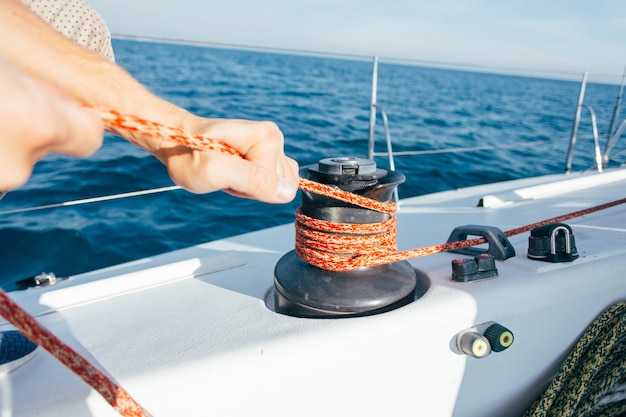
Institute monthly MOB drills with clearly delegated roles and a published drill card that every crew member can receive and review before departure. These drills engage all groups aboard sailboats, including strangers who join for legs of the passage, ensuring the response remains smooth in a real situation. This part of safety relies on concise communication, quick decision making, and simple, repeatable steps that can be practiced in calm seas and on longer offshore crossings from grenada to the next waypoint.
-
MOB Drills: Define roles and delegate responsibilities. Assign a MOB spotter, a helm, a retrieval lead, and a recorder. Rotate these duties every watch to build familiarity. The team should know where the throw bag, life ring, and PFDs are stored and how to use the line, without needing to search. This is seen in published checklists, so you can finish drills quickly.
-
Gear and practical checks: Keep spares for critical safety gear in a dry bag within easy reach near the aft. Verify that the throw bag is intact, the rope is not frayed, the flares are in date, and the PLB/radio is charged. Ensure the fridge and other gear do not block access to lifebuoys or lines. Packing spares for electrical ties and fuses helps you respond if a problem arises.
-
MOB drill execution: On the command, shout “MOB,” drop the throw bag, and switch to the retrieval lead. Steer to windward, reduce speed to 2–3 knots, and keep the casualty on the weather side. Use a harness and a long line to secure them, then recover aboard and log the time and position. Simply repeat the sequence until the crew can perform it with confidence; next drills should mix daylight and dark conditions.
-
Debrief and record: Conduct a quick debrief, note what worked and what didnt, and publish the improvements in the ongoing safety log. The group should receive a brief summary and any changes to the drill card; this would reduce cost and risk for the boat. The log should include the situation, what was learned, and a plan for follow-up practice.
-
Fire Response: Activate an all-hands alarm and muster at the closest safe point. Identify whether the fire is electrical or cooking-related; isolate the affected area if safe, and shut off power at the main panel to prevent flashover. Use the correct extinguisher: ABC for electrical or mixed fires, and a class-B/C approach for galley fires. Never use water on electrical fires. Maintain ventilation after the blaze is controlled and verify there is no reflash.
-
Team roles and technique: Designate a team lead to coordinate suppression, a second person to retrieve a fire blanket or extinguisher, and a third to monitor air quality and communications. Practice the PASS method (Pull, Aim, Squeeze, Sweep) for extinguisher use and keep a spare extinguisher within reach. If the fire cannot be contained, initiate evasive actions and prepare for liferaft or abandon-ship procedures; communicate with the rest of the crew and, if needed, contact coastal authorities.
-
Post-fire steps: After control, ventilate the space, inspect for hot spots, and log the incident details in the published safety file. Review what caused the situation and update the drill card to address gaps. This process minimizes the impact on the next watch and reduces the chance of a repeat problem during longer passages.
-
Liferaft Readiness: Schedule monthly checks of the liferaft, hydrostatic release unit, inflation cylinder, and painter. Confirm the expiry date on the canister and ensure seals and O-rings are intact. Store spare inflation accessories in a dry bag attached to the raft or in a nearby locker that is easy to reach, and keep a small kit with canned fruit, water rations, and basic signaling gear. Ensure the raft is deployed in a controlled environment at least once per season to verify function without risking the crew. Pack spares for the inflation system and confirm that the life raft is not blocked by the fridge or other equipment during a real deployment.
-
Location and access: Mount the liferaft in a location that allows rapid deployment from both sides of the boat. Ensure the painter is long enough to reach a stable deployment point and that the painter and painter knot are in good condition. Check the sea anchor, whistle, signaling mirror, and waterproof bag with essential survival items. These preparations should be reviewed on every published safety chart and logged as part of the ongoing readiness program.
-
Training and cross-checks: During a longer passage from grenada to the next island, rehearse a full liferaft deployment at least once every two weeks in calm seas. This training ensures the team would respond quickly under stress and reduces the risk of panic. After each exercise, finish with a debrief, update the checklist, and distribute the findings so that the boat receives consistent improvements over time.
Finish with a concise team debrief after each drill, record the outcomes in the published safety log, and assign actions to improve readiness. Regular testing of MOB, fire response, and liferaft procedures lowers risk, keeps costs manageable, and strengthens the crew’s ability to handle any situation that would arise at sea.
Watch System Design: Shifts, Sleep Strategy, and Team Communication
Implement a two-watch, two-person-per-watch system: two sailors on deck for four hours, two below, then rotate every 24 hours. This rhythm keeps vigilance high during challenging hours and gives each sailor a solid block of rest. Put the schedule on a single page in the mess and stick to it; if weather or staffing demand it, you would temporarily move to three-on-deck for peak watches, but revert to the two-per-watch baseline as soon as feasible. However, keep handoffs crisp and a simple log so the team knows whats next.
Sleep strategy centers on conservatively totaling about 6 hours of sleep per 24 hours, with a main block of 4–5 hours during the off-watch window and a 1–2 hour nap after the second watch. Use blackout curtains, earplugs, and a white-noise device to minimize disruption. Maintain cabin temperature around 18–20C to support deeper sleep; limit caffeine after 16:00. Looking ahead, adjust the plan if fatigue rises or the watch schedule changes. Mostly stick to the routine, and allow a short nap break in rough seas instead of forcing wakefulness.
Team communication relies on a lightweight, high-visibility protocol: start-of-watch callouts, mid-watch status, and end-of-watch handoffs. Whats next, whats done, and whats anticipated go into a shared log. Use a dedicated watch channel on the radio or a labeled digital channel if available, and keep phrases concise. Confirm critical items with a quick repeat-back to ensure nothing slips during noise or turbulence.
Design and equipment considerations emphasize refrigeration reliability and footprint fit. The refrigeration system should be designed to handle a Atlantic crossing; upgrading refrigeration would become critical. The footprint must fit the galley and cold-store area, so choose two compact freezers or a single multi-compartment unit sized for 2–3 days of meals. Install a digital thermostat, a spare compressor, and robust insulation. Solent tests followed by marine trials help verify performance in real conditions; plan maintenance as part of the voyage rather than after issues arise.
Implementation relies on clear records and proactive checks. Create a daily ticket for any gear fault and log sleep quality, watch performance, and fatigue indicators. The crew drew up this plan together, and it helped reduce risk during heavy weather. Track what’s done and what’s left, then return to the footprint of gear and the watch design after the crossing to refine for future legs. The result would be a scalable approach that improves uptime, reduces errors, and boosts crew confidence on the water.
Communications, Distress Procedures, and Redundant Communication Modes
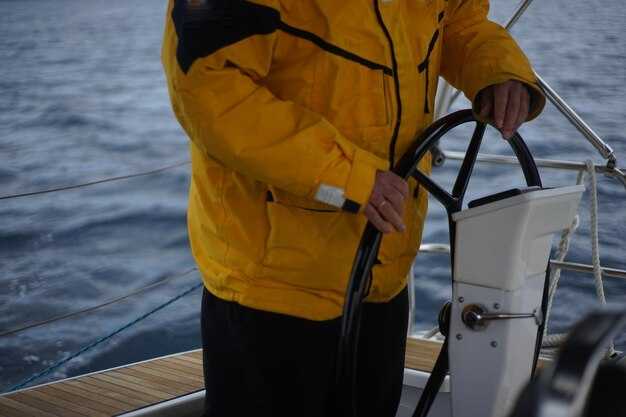
Equip three redundant communication modes and test them under load before departure. provisioning includes spare batteries, solar chargers, and waterproof cases. Use VHF with DSC, a satellite messenger, and an MF/HF radio if available; these cover different ranges. Mostly satellite-based gear works offshore where VHF can’t reach. nomads at sea showed that relying on a single channel leaves a crew stranded; with three modes, the team stays connected, whole and confident.
Distress procedures: In distress, call mayday three times, then switch to other modes and provide ship name, position, course, speed, and nature of distress. Mayday, mayday, mayday. Then give GPS coordinates and MMSI if DSC; wait for acknowledgement and then proceed. Once you receive acknowledgement, follow the shore station’s instructions; the team should know the sequence, stay calm, and act with discipline.
Redundant modes in practice: Assign a calling plan across VHF, satellite, and MF/HF. If one path drops, switch instantly to another; wait 5–10 seconds for a response, then repeat with a different mode. The approach used by nomads at sea showed that a fixed sequence reduces confusion; same wording on all channels helps, and you respect that the message may be received differently on each path. Perhaps rehearse under wind and swell and turn to optimize antenna placement, keeping the antenna downwind of spray. A standard script, called a distress script, keeps phrases uniform. Always ensure you will receive a clear acknowledgement.
Maintenance and provisioning: Inspect antennas, connectors, and power supplies; repair any damaged items and replace worn parts. Repaired items go back to service. Keep spare parts and a compact repair kit; ensure EPIRB is charged and accessible. Refrigeration still matters for medicines and perishable items on a long trip; keep a blanket nearby to cover radios in spray. Store rope, clamps, and spare fuses within easy reach. After inspections, we wrote a short checklist to guide future tests.
Team roles, drills, and morale: Assign a comms lead, navigator, and log keeper; run regular drills including a mock distress and a switch between modes. The team should respect each other, and the mind stays calm under pressure. A confident crew is happy to act as one, and the same routine applies on every trip. Further drills reinforce muscle memory.
Field tips: During watches, keep a blanket handy to dry gear and shelter radios. Cold nights increase strain on gear and batteries; plan for longer watches. Coil rope neatly and keep it away from moving winches. Turn antennas to optimize reception and stay downwind of spray for better signal integrity. When you receive a call, respond promptly; do not wait for perfect conditions. Simply log the event and assign a follow-up action.
Maintenance, Stowage, and Personal Comfort on a Long Crossing
Start with a concrete plan: build a pre-departure maintenance checklist and a week-by-week schedule. The owner should lead, delegating tasks to crew, and record results in a shared log. In the weeks before passage, verify critical systems, replace worn parts, and confirm spare gear fits the stowage plan. This preparation saves time and reduces risk when weather turns challenging.
Core systems checks include engine oil, coolant, belts, impeller, fuel filters, seawater strainers, and through-hulls. Test the bilge pump for 15 seconds and verify automatic mode. Inspect batteries, charging, and fuses, and confirm navigation lights function. Create a compact mitigation kit with spare impeller, belts, hoses, clamps, fuses, and rubber seals for quick fixes.
Stowage discipline keeps the deck safe and the footprint clear. Map every item to a fixed locker and label dry bags. Heavy gear stays low and amidships to limit trim; use vacuum-seal bags and watertight containers to keep equipment within reach but secure. Use rubber or cam-buckle straps for lashings; avoid blocking hatches or safety gear. Regularly check straps and corners for chafe.
Personal comfort starts with sleeping and ventilation. For the adventurer on a long crossing, fit a robust sheet/duvet system, with a dedicated sleeping bag or liner for each crew member. Use a small fan, hatch vent, and screens to minimize humidity. Dress in layered, breathable clothing and keep a personal kit with toothpaste, meds, and a travel-friendly towel. Hydration matters: port water in easy-to-reach jugs and use a hydration plan that keeps your intake conscious and steady. Take a short break on watch changes to stretch and reset; active movement prevents stiffness.
Refrigeration and food storage: max efficiency relies on door discipline. Keep perishables in the refrigeration unit, set to 3–4 C if possible, and avoid opening doors during rough seas. Plan meals for the passage and stock compatible staples: shelf-stable proteins, cheese, hard vegetables, and fruit. Bring a compact cooler or use a separate 12V fridge if available, with a failsafe battery monitor. Use ice or phase-change packs to extend cold life, and rotate items to minimize waste. This helps save energy and reduces waste footprint within the galley.
Energy management and weather adaptation: cloudy days still deliver energy, so use solar harvest or alternator use to maintain instruments and refrigeration. Keep a log of daily energy draws, and tailor power usage to the forecast; if a panel is shaded, reduce load on nonessential devices. If questions arise, address them during the next watch change or with the delegated team member. A well-planned sequence of tasks keeps the trip smooth even when a weather window narrows. Also, keep a spare refrigeration control and replace rubber hoses if any wear is evident.
Record-keeping and communication: maintain a simple plan for updates, including occasional posts to friends on facebook to share progress and safety checks. The delegate on watch ensures that a backup plan is in place; it takes notes on anomalies and reports them clearly. This transparency helps you resolve issues quickly and keeps the crew aligned through every stretch of passage.
With these practices, you maintain readiness, reduce risk, and preserve comfort across long stretches of water. Each measured step–plan, maintain, stow, and adapt–lets you travel with confidence and keep the crew safe and alert throughout the crossing.