


 Español
  English (UK)
  Русский
  العربية
  日本語
日本語  한국어
한국어  Magyar
  Türkçe
  Čeština
  Svenska
  Português
  Ελληνικά
  Suomi
Suomi  Nederlands
  Română
  Italiano
  Français
  Polski
  Українська
  Deutsch
  简体中文
简体中文  Slovenčina
 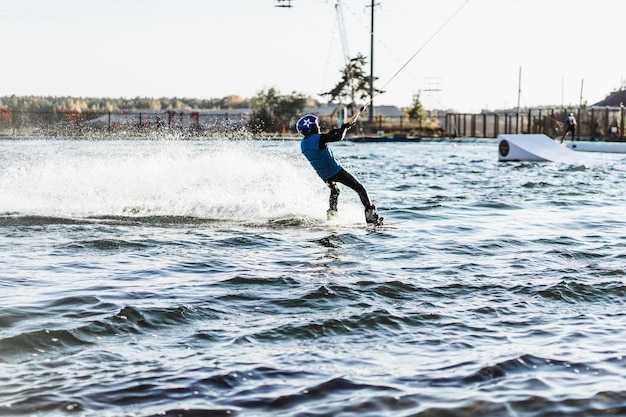 The Top Long Island Wakeboarding Trips – Best Spots, Tips & Itineraries">

Recommendation: Start with a family-friendly beginner lesson on a sheltered Long Island bay to build confidence, which helps you relax; once you gain basics you can move to longer-speed sessions for the thrill. The goal is steady learning and comfort so groups of participants stay engaged and safe.
Plan for a practical day: most sessions run 1.5 to 2 hours per wakeboarding block, and around half a day for a full intro if you’re exploring several spots. Check gear is included, bring sunscreen, a water bottle, and a spare towel; check wind and water conditions in the morning to avoid chop. Around Long Island, you’ll find bays that stay calmer in the morning and pick up a breeze by early afternoon, which helps with glide technique and balance. Use the wind window for optimal conditions.
Proven itineraries: for a one-day plan, begin with a 90-minute beginner block, then try a second spot mid‑day if winds cooperate; for two days, alternate mornings in calm conditions with afternoon sessions that push your chosen speed or tricks. Learning on day one builds a foundation that most agile participants can apply on day two, which keeps momentum high.
For groups, coordinate with your operator to lock in gear sizes and time slots; bring spare boards and vests and plan a light lunch. Also ensure you have the needed waivers and safety checks on file. For challengers, map a progression: start with shallow water, gradual turns, then longer glide sessions and higher speeds to feel the long-speed thrill. Always wear a certified vest and helmet when on the water, and keep a clear separation lane for beginners and advanced riders.
When you’re ready to book, click the reservation button on the operator’s page and confirm the date, time, and participant counts. Bring a plan for the day, check weather, and mark a backup option in case winds shift around the coast. These trips offer a steady mix of excitement and learning for groups and first-timers alike.
Long Island Wakeboarding Guide
Book a sunrise session at Smith Point Park with an experienced coach to maximize glide, safety, and progress. The best times to ride are 7:00–9:00 AM when winds stay light and water remains glassy. Arrive 15 minutes early to gear up, review signals, and set goals for riders and participants.
In Great South Bay and the nearby Sound, plan two to three passes per run to build momentum. For beginners, start with a 28–32 meter tow rope; taller riders may benefit from a longer board and bindings, while shorter riders might prefer compact boards for quicker response. For true thrill, shorten the rope for longer, sharper wake contact during long-speed passes. floating platforms and chairs along the shore offer a safe rest between sets. After the ride, review the day with your group on a zoom call to adjust technique.
Book through a camp or shop that provides boats and instruction, then align with participants and riders about dates and times. From experienced instructors, you will receive coaching that emphasizes edging, stance, and smooth transitions. Camps designed for adventurers offer structured days, while private sessions fit tight schedules. What made your last outing smoother was clear feedback and deliberate practice.
Plan an efficient LI wakeboarding loop: Smith Point at dawn, a mid-morning session in the Patchogue channel, and an afternoon ride along the Montauk inlet. This setup suits thrill-seekers and true beginners alike. For safety, wear a properly fitted vest, follow local regulations, and check water depth before launching. floating chairs along the shore create a comfortable viewing and rest zone for spectators while you focus on the water. Hydrate, rotate riders every 20–25 minutes, and log weather notes to optimize future trips.
For a longer trip, book a multi-day plan with a local camp that coordinates boats and tow-boat hours. A typical schedule includes 2–3 sessions per day with 30–45 minute blocks and a daily review. When you finish, collect the passes issued by the park and share your highlights with the group. Adventurers who pursue additional sessions will notice true progress through consistent practice and deliberate coaching.
Top Long Island wakeboarding spots with public access and launch points
Begin with huntington as your anchor: public ramps and a calm harbor streamline wakeboarding for all levels. Booking ahead saves time, and accompanied riders under 18 must ride with an adult. Check requirements before you go, and arrive early for a smoother session.
Then explore bay Park and Port Jefferson for varied wind and launch options, followed by freeport and sayville for weekend access with floating docks, shaded areas, beverages and space for crew to relax between runs. Bring extra patience for busy days and rotate through ramps to keep the action moving.
| Spot | Location | Public Access | Punto de Lanzamiento | Best For | Booking / Requirements | Notas |
|---|---|---|---|---|---|---|
| Huntington | Huntington, North Shore | Yes | Huntington Bay public boat ramp | Beginners, groups, younger riders | Booking recommended; accompanied riders under 18 must ride with an adult; life jackets required | ramps and floating docks on the right; coast is shallow in the left approach; umbrellas and tables nearby; rotate lanes to practice |
| Bay Park | East Rockaway vicinity | Yes | Bay Park public boat ramp | Group trips; beginners | Walk-ins welcome; booking advised for weekends; accompanied riders under 18 must be with an adult | ramps, floating platforms; nearby tables and umbrellas; beverages allowed on shore |
| Port Jefferson Harbor | Port Jefferson, North Shore | Yes | Port Jefferson Village Marina ramp | Mid-level to challengers | Booking advised for peak season; accompanied riders under 18 must ride with an adult | harbor currents; rotate practice; right/left lanes; floating docks; umbrellas |
| Freeport | Freeport, South Shore | Yes | Freeport public boat ramp near Nautical Mile | Group outings; all levels | Booking recommended for weekends; minors accompanied; life jackets | coast views; floating docks; tables and umbrellas; beverages allowed on shore |
| Sayville / Great South Bay | Sayville, Great South Bay | Yes | Sayville public ramp | Level 2-3 wakeboarders; younger riders | Booking suggested; accompanied if under 18; life jackets | floating docks; nearby park with swings and tables; rotate practice; keep water calm; coast breeze |
Aqua Adventure Park: wakeboarding features, cable setup, and lesson options
Make your booking for a morning session to secure the best conditions, a comfortable start for your trips, and extra time with your group. The Aqua Adventure Park delivers a focused wakeboarding experience with a briefing that covers gear checks, safety rules, and what to expect on the dock.
Wakeboarding features include a continuous-cable system with three speed presets, ensuring beginners can ease in, mid-level riders can progress, and adults can push for more controlled passes. Riders launch from a designated dock, ride the course, and finish with splashes near the launching pool. The operation uses a well-maintained cable and a safe run, offering a reliable rhythm for every time slot.
The cable setup runs along a central spine with a sturdy platform and a dedicated briefing area. Umbrellas shade the lounge where friends pose for photos between runs. George, our staff lead, handles the briefing and keeps groups moving smoothly, whether you arrive solo or with your three-to-four person package. A wipeout is not the end–referral tips and quick coaching help you recover and try again.
Lesson options include private one-on-one coaching, a three-person group session, and a four-session package that builds skills over multiple visits. Each option begins with a briefing, checks on equipment, and demonstrations on body position and slide technique. Your coach will tailor cues to your experience level, from first-timers to more confident rides, and provide a short drill plan along your pace.
Booking tips and policies: reserve your times through the online portal with a click, and confirm your designated time window. Each group gets a table in the lounge with umbrellas and a designated area for warm-up swims. An on-site gear wipe-down is provided, and an extra set of gloves can be added to your booking for adult participants. If you need a guaranteed slot during peak season, consider the three-session package as a reliable option.
Gear and coaching: boards, vests, ropes, and booking tips
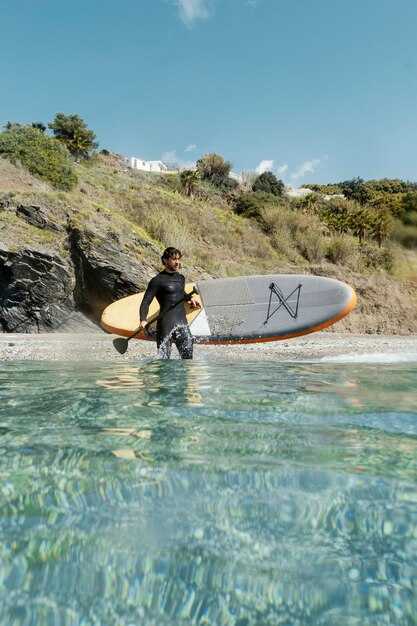
Rent a complete starter package from a reputable shop for your first session; it will fit you correctly and save setup time, letting you focus on the water and balance.
Choose a vest that is USCG-approved, with front flotation and snug adjustable straps. For beginner riders, look for a vest with higher buoyancy in the chest and shoulders to help you feel confident when you stand and glide. levelseasy labels help identify beginner-friendly options, but try on several sizes to ensure a snug, secure fit before you hit the lake. The vest should be USCG-approved and meet required safety standards.
Boards should match weight and ability. For beginners, select a wider, shorter board with soft edges for stability. A longer board aids flotation during the first attempts and speeds up your glide onto the wake. For riders around 140–180 lb, a 52–56 inch board works well; heavier riders should go longer but still wide to keep standing control.
Ropes typically range from 60 to 75 feet. Shorter lines offer quicker response for challengers starting out, while longer lines give more time to set your balance. Some centers provide adjustable or quick-release anchors; confirm the setup with your coach before your first pull.
Booking tips: open slots fill fast on weekends, so reserve 1–2 weeks ahead, or even earlier if you want private coaching. Many operators offer bundled rentals and coaching, which ensures you receive all needed gear and instruction in one visit. If you are adventurers planning a trip, ask for a package that includes a brief safety review and a few practice runs on calm waters to build confidence.
Coaching approach: a 45–60 minute session with a coach can focus on stance, edge control, and the transition from floating to full glide. You’ll practice keeping your knees bent, chest up, and weight centered over the board; a good coach will help you feel the board beneath your feet and celebrate small wins. For beginners, the first rides emphasize balance and patience; for those seeking a thrill, the coach can introduce controlled edge changes only after you’ve established a steady standing position.
Before you ride, receive a safety briefing and confirm your equipment fits snugly. Check the vest straps, inspect the board for cracks, and verify the rope knot is secure. Three things to check before you ride: vest fit, board integrity, and rope condition. Ensure the flotation is adequate and the waters are open for safe practice. Unique setups exist across Long Island centers, so ask staff to tailor gear and coaching to your levelseasy progress and their comfort on the water. In an aquatic environment, staying hydrated and protected enhances comfort as you practice.
Checklist you can use on the day:
- First, pick a board size that matches your weight and level; a stable platform helps you glide smoothly.
- Open the booking window early to lock in your preferred time, coach, and rentals.
- Receive a quick safety briefing and a proper vest fitting before stepping onto the dock.
- Rentals vs packages: consider a bundled option to simplify payment and gear handoffs.
- Youth and beginners should start slow, focus on form, and gradually increase speed as you stand longer.
With proper gear and coaching, everyone will gain confidence and ride sooner.
One-day wakeboard itinerary: start-to-finish routes and timing
Kick off at 8:45 AM with a gear check, fit a guard-approved life vest, and rent boards and ropes if needed; this sets a safe baseline for the day ahead.
Session 1, 9:15–9:40 AM: carve clean edges through 2–3 passes in standard lanes; maintain a balanced stance, make light pulls, and keep wipes to a minimum to build confidence fast.
Break, 9:40–9:50 AM: sip beverages, rehydrate, and check gear; adjust rope length if needed and confirm your line for the next set.
Session 2, 9:50–10:15 AM: practice transitions and short-distance runs; stay in designated lanes, keep speeds moderate, and respect limits to avoid a wipeout on the wake.
10:15–11:00 AM Break: extra sunscreen, a quick snack, and water refill; use this time to reset, look over your plan, and prep for the midday push.
Lunch, 12:00–1:00 PM: grab a meal at the on-site cafe and take advantage of a discount on combos; refill drinks and review weather or wind shifts before the afternoon sessions.
Session 3, 1:15–1:45 PM: push toward a few higher-grade moves within your comfort zone; wearing a long-sleeve layer helps sun and chill protection, and keep to the designated lanes as you increase your pace.
Final Run, 2:00–2:25 PM: an action-filled stretch focused on consistency; finish strong with 4–6 passes across the lanes and wrap up any extra drills you’ve been eyeing.
Wrap-up, 2:25–2:45 PM: cool-down stretches, wipe down gear, and note feedback for your next trips; this keeps you looking forward to the next day and sets up a better rhythm for exploring more spots.
Seasonal timing, water conditions, and safety checks on LI waters
Plan your first three wake trips for late May through early July, when air warms, water reaches comfortable levels, and winds stay light. Before you head out, check three things: water temperature, wind forecast, and tide direction, and then tailor your plan to the forecast.
Seasonal timing matters: LI bays warm fastest in shallow coves, while deeper Sound water lags. Expect water around 45–60°F in spring, 65–75°F in summer, and 55–65°F in fall in most harbors. Mornings stay glassy more often, while afternoons bring additional chop as sea breezes pick up. Those patterns influence learning and safety, so target early slots and have a flexible plan if winds shift.
Water conditions and obstacles: monitor wind direction and gusts, as onshore winds can push you toward oyster beds and channel markers; avoid those areas when visibility is reduced. If you see a rush of current near a pass or a markedly narrowing channel, slow down and pass with caution. Keep an eye on passes, shoals, and obstacles; plan alternate lines.
Safety checks: wear correctly sized PFDs, helmets for riders, and leash; ensure kill-switch lanyard is attached. Verify fuel level, battery charge, and radio functionality; keep a dry bag with a phone and first-aid kit plus a fire extinguisher on board. Designate a spotter, use two-way comms, and follow local requirements. Do not drink on the boat while riding; hydration should come during breaks. These steps ensure a safer, more unforgettable experience.
Trip planning tips: pick a place with reliable water, short drive, and good boat access for those trips. Plan three trips with conservative speeds and recovery options, staying flexible if conditions change. Pack a spare leash, a quick-dry towel, sunscreen, water, and a small tool kit. By organizing ahead, you come back with an unforgettable memory rather than a setback.