


 Español
  English (UK)
  Русский
  العربية
  日本語
日本語  한국어
한국어  Magyar
  Türkçe
  Čeština
  Svenska
  Português
  Ελληνικά
  Suomi
Suomi  Nederlands
  Română
  Italiano
  Français
  Polski
  Українська
  Deutsch
  简体中文
简体中文  Slovenčina
  Texas Boating Guide – Where to Boat in Texas – Top Spots & Essential Tips">

Comience con un plan práctico: alquile un pontón en un puerto deportivo cercano para un fin de semana familiar en un embalse tranquilo. Para los principiantes, los alquileres con asientos a la sombra y fácil acceso garantizan la seguridad mientras practican con el viento y las corrientes de agua. Una excursión de cuatro horas antes del atardecer ofrece un comienzo tranquilo y sereno, y aún deja tiempo para disfrutar de aperitivos en la orilla.
En el Estado de la Estrella Solitaria, varias áreas brillan por sus aventuras acuáticas, con numerosos puertos deportivos y alquileres que se adaptan a todos los niveles. Existen varias opciones cerca de los centros urbanos, especially lagos como Lewisville, Grapevine y Conroe, que ofrecen aguas tranquilas y facilitan unidades de la ciudad. Para las familias que buscan una escapada rápida de fin de semana, estas opciones son prácticas y convenientes. En la región del Golfo, encontrará embalses con vientos constantes para sports entusiastas y ensenadas expansivas para serene navegando. En el borde de Hill Country, el lago Travis y otros cuerpos de agua cercanos ofrecen sunset siluetas y hidden calas que puedes explorar cuando la luz se desvanece. Para una experiencia más accidentada, las bahías a lo largo de la costa ofrecen sunset vistas y bancos de arena poco profundos para aventuras familiares.
Al planificar, supervise las previsiones de viento y las condiciones del agua; hay muchas types de embarcaciones disponibles para alquilar. Para principiantes, un pontón ofrece una plataforma estable; para los amantes de la velocidad, una lancha con proa abierta ofrece más velocidad. Tenga chalecos salvavidas listos, mantenga un plan de seguridad y documente detalles clave: la temperatura del agua, la ubicación y la hora de la puesta de sol, para que pueda adaptarse si las condiciones cambian. Honestamente, mantenerte flexible te ayuda a maximizar tu weekend y evitar decisiones precipitadas. youre ¿Eres nuevo aquí? Comienza con la configuración más sencilla y construye a partir de ahí.
Más allá de los lagos conocidos, busca joyas ocultas a lo largo de costas tranquilas donde puedas fondear, asar a la parrilla y disfrutar del atardecer. Con muchas opciones cerca, puedes combinar unidades al puerto deportivo con actividades acuáticas como pesca, tubing o kayak sin viajes largos. Los alquileres ahora incluyen equipo para sports y ocio, para que puedas mezclar everything en un solo día. La joya de este enfoque es el equilibrio: una base de operaciones en un pueblo a orillas del lago, rápidos unidades a los puertos deportivos, Lacee señalización que guía a las familias a paradas aptas para niños y fotos del atardecer que capturan everything lo amas del tiempo en el agua: la familia, los amigos y los momentos sencillos. Regresa siempre a la costa antes del anochecer por seguridad.
Guía de navegación de Texas: Dónde navegar en Texas – Mejores lugares y consejos; Lago Lewisville
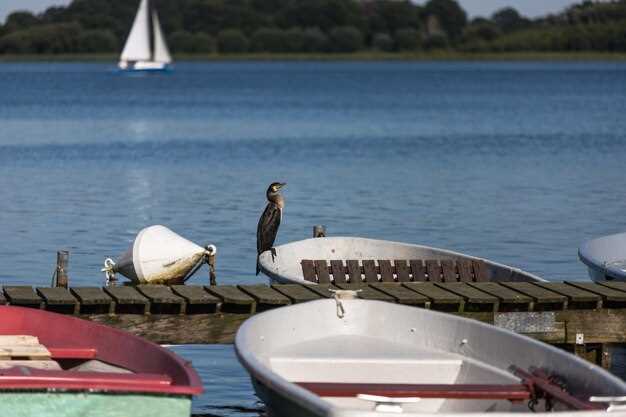
Escápese al lago Lewisville al amanecer para disfrutar de aguas tranquilas y condiciones ideales para el wakeboard, y luego termine el día con un crucero al atardecer por la costa norte.
Consideraciones clave para planificar un día en el agua:
- Location and access
- Visibilidad de la frontera: se encuentra entre los condados de Denton y Dallas, ofreciendo una gran amplitud y largas costas como parte de la red de recreación regional para estas actividades.
- Las rampas y el estacionamiento se agrupan cerca de la I-35E y la SH 121, lo que hace que las visitas de primavera sean convenientes para grupos y familias.
- What to do
- El wakeboard y otros deportes motorizados son comunes entre semana y los fines de semana, con opciones de alquiler para grupos.
- pesca de lubinas y, en arroyos tributarios, truchas ocasionales; datos de pescadores locales sugieren que los mejores momentos para picar son temprano por la mañana y al final de la tarde.
- calmas calas ofrecen natación tipo piscina y actividades de remo, ideales para principiantes
- Equipo, planificación y presupuestos
- Los anuncios de getmyboat ofrecen embarcaciones y equipos económicos; compare las tarifas por hora, el seguro y el equipo de seguridad incluido.
- Para una fiesta más grande, reserve una configuración de varios botes para asegurarse de que todos puedan turnarse para pasear.
- consulta los pronósticos y datos meteorológicos locales antes de salir, especialmente en primavera y a principios de verano, cuando pueden producirse ráfagas.
- utilizar un formulario rápido para coordinar el horario del grupo
- Época del año y atracciones cercanas
- Las tardes de primavera a menudo traen aire cálido y agua más fría, ideal para navegar al atardecer.
- Hay atracciones alrededor de los pueblos fronterizos y opciones gastronómicas para completar un día de paseo.
- Visitar la cercana Waco ofrece la oportunidad de interrumpir el viaje y explorar los restaurantes frente al río.
Guía práctica para navegar en Texas: Primero el lago Lewisville, luego los puntos clave
Primero, comience en el lago Lewisville para afianzar los fundamentos: el acceso a rampas es abundante, las zonas de velocidad están claramente indicadas y los espacios para practicar el atraque con otras embarcaciones y compañeros navegantes son numerosos. Los datos de las autoridades del parque muestran aproximadamente 180 millas de costa y una profundidad máxima cercana a los 75 pies, lo que ofrece tanto zonas despejadas para las primeras navegaciones como calas protegidas para ejercicios. Los bordes de piedra caliza y los árboles dispersos crean características naturales que ponen a prueba la navegación y el control de la línea, así que practique alrededor de ellos antes de pasar a rutas más concurridas. Para los visitantes, las multitudes primaverales de Lewisville alcanzan su punto máximo los fines de semana, lo que hace que los inicios tempranos y los registros sean esenciales.
A continuación, diríjase a escapadas cercanas como el lago Lavon y el lago Ray Hubbard. Lavon ofrece una mezcla de aguas abiertas y zonas protegidas, con rampas accesibles y ensenadas enmarcadas por afloramientos de piedra caliza. Los datos sobre la lubina de boca grande procedentes de estudios locales apuntan a buenos momentos de pesca en estructuras de profundidad media alrededor de la cobertura; lleve un mapa o una aplicación para identificar zonas productivas alrededor de las hileras de árboles. Ray Hubbard ofrece largas líneas de visión y una mayor exposición al viento, lo que crea oportunidades para perfeccionar la estabilidad y la precisión en los giros en aguas abiertas; en las zonas de desagüe y de la presa encontrará estantes rocosos y grupos de árboles que requieren una cuidadosa gestión de la profundidad.
Más allá del área de Dallas, el lago Travis ofrece un patrón climático diferente y costas más empinadas, lo que amplía tu repertorio en aguas abiertas. El lago Travis presenta tardes primaverales más cálidas y canales más profundos, con abundantes eventos náuticos y recreativos que dan forma al ritmo de los fines de semana. Si estás planeando una carrera más larga, incluye un par de horas para explorar las costas y considera márgenes de seguridad alrededor de las entradas de las calas. La información de los clubes y marinas locales te ayuda a planificar en torno a regatas, nados en aguas abiertas y escapadas de pesca, asegurándote de llegar temprano y partir antes de que el tráfico del mediodía se intensifique.
Al armar un kit práctico, confíe en una regla simple: conserve un chaleco confiable para cada ocupante, lleve una cuerda de lanzamiento, un botiquín de primeros auxilios compacto y una hielera pequeña para preservar agua y refrigerios. También se recomienda verificar los patrones climáticos y del viento actuales (la variabilidad climática a menudo cambia rápidamente en primavera) para evitar arroyos que se vuelven agitados sin previo aviso. Además, registre datos importantes como el nivel del agua, el estado de la rampa para botes y la disponibilidad de estacionamiento; esta información le ayuda a optimizar futuros viajes y evitar retrasos innecesarios.
Lago Lewisville: Rampas de lanzamiento principales, consejos de estacionamiento y puntos de acceso
Recommendation: Lánzate desde una rampa orientada al este con una amplia plataforma, un amplio estacionamiento para remolques y un espacio de carga despejado. Si nos visitas durante todo el año, esta opción te ofrece un comienzo sereno y una dosis de luz natural, para que puedas llegar y meterte en el agua rápidamente, y luego regresar con mínimas demoras.
Las rampas públicas a lo largo de las costas norte y este dan servicio a The Colony, Corinth, Little Elm y Lake Dallas. Cada sitio ofrece un acceso pavimentado, muelle flotante y plataforma de preparación. Las rampas admiten una variedad de embarcaciones, desde pequeñas lanchas hasta naves más grandes. Los fines de semana atraen a grandes multitudes; planee llegar temprano y tenga en mente un punto de acceso alternativo.
Parking guidance: most public facilities offer free parking, but overflow can occur during peak times. Use designated trailer stalls, keep aisles clear, and avoid blocking loading lanes. If the main lot is full, check adjacent parks within a short walk to keep your travel schedule on track; carry a spare tie-down and lock gear when you’re away from the craft.
Access points: signage and maps from city parks departments simplify locating the ramps. Getting there is straightforward via the primary corridors serving The Colony, Corinth, Little Elm, and Lake Dallas. For known information, check the official pages before you go; adventurers often pair a lake day with a side trip to conroe or galveston for a broader kingdom of water-based exploration.
A fact: bass and catfish are common, and trout can appear in cooler months near inlets. The scenery across the water is dazzling, star viewpoints line the shore, and calm mornings provide a serene backdrop for travelers getting started with cruising and exploration. From the deck to the shoreline, boats and other forms of boating offer options for beginners and enthusiasts alike, making this place known as a huge kingdom of water recreation throughout the region for adventurers and lovers of lake life.
Dallas–Fort Worth area: best launch points and navigation tips

Begin at Lewisville Lake’s Little Elm Park ramp for fast access to a diverse waterway and quick, enjoyable cruises with a boatpontoon and other watercraft.
Across the city’s lakes, this part of the kingdom adds a premier set of options that many travelers use throughout the year. This list of launch points form a jewel-like network with miles of shoreline, offering fantastic routes for trips and excursions alike. The media often highlights these locales as exceptional spots where travelers can enjoy calm coves or open-water cruises; these options keep you moving and provide countless ways to enjoy the water throughout the day. lacee patterns on the shorelines add a visual texture as you cruise, making every mile a part of your story.
- Hours and access: most ramps operate dawn to dusk; verify current hours with the respective parks department, as some sites extend or shorten service in peak or maintenance periods.
- NAVIGATION: use official charts and on-board GPS; stay in marked channels, respect no-wake zones near inlets, and keep a lookout for known boat traffic hotspots throughout the day.
- Launch-plan: match watercraft type to terrain; pontoons suit long, relaxed cruises; sport boats excel on open bends; have a backup spot in case of crowds.
- Scheduling: build a data-driven plan with a little buffer for retrieval and weather shifts; this approach helps these trips stay on track and avoids delays.
- Safety and etiquette: carry life jackets, file a float plan, and respect nearby boaters and shore users to maintain a positive travel experience for travelers who come to enjoy the water.
- Lewisville Lake – public ramps near The Colony and Little Elm provide fast entry for morning cruises; hours typically dawn to dusk; ideal for boatpontoon trips and family outings.
- Grapevine Lake – Rockledge Park and Bob Jones Park ramps offer scenic circuits along a long shoreline; early hours provide glassy water and fewer crowds.
- Joe Pool Lake – Loyd Park ramps give straightforward access for relaxed days on the water; best for moderate winds and calm coves.
- Lake Ray Hubbard – Rowlett and Garland ramps give central access to nearby coves and the Trinity River corridor; plan parking and retrieval on busy weekends.
- Lake Arlington – Arlington city ramps provide a practical option for practice runs and urban escapes; weekends can be crowded, so arrive early.
These choices throughout the metro area enable diverse, flexible itineraries for water lovers. If you want a longer journey, explore the sequence from Lewisville to Grapevine, then to Joe Pool and Ray Hubbard for a broad spectrum of shorelines, wildlife, and city views–these trips offer a fantastic blend of scenery and accessibility. For redfish excursions, coastal options exist beyond this inland cluster, but inland routes provide a reliable option for travel and learning the craft. The data here can help you craft an exceptional plan that will become part of your personal watercraft story.
Gulf Coast access: Corpus Christi Bay and Port Aransas launches
Recommendation: Rent a motorized craft from a waterfront shop near the harbor to reach Corpus Christi Bay and Port Aransas launches quickly, especially on sunny days when events draw visitors.
Public ramps along the waterfront are open from dawn to dusk for motorized vessels. Carry a license or Boater Education Certificate and a photo ID; keep the registration data handy. Check local information and media advisories for updates on open hours, restricted zones, and seasonal closures, as winds shift and river data changes.
Avoid lone runs after dark. Corpus Christi Bay presents wide channels with deepened routes near the inlet, plus broader flats that ease cruising for beginners. Use up-to-date charts and river data to stay inside safe lanes; watch the tide and current, which matter for planning your run from the hill overlook area toward the waterfront and around the jetties. For photo opportunities, position yourself on the public seawall and capture a sunny dawn launch before crowds gather. A possum sometimes sits on the grass near the hill, adding a touch of local color to your shore stop.
Port Aransas launches span several ramps around the harbor and marina, providing straightforward cruising routes to Mustang Island and surrounding bays. If you’re visiting austins, aim for a midweek arrival to maximize water time; rent a boat for a day or two to explore wide shallows and deep channels. Until you’re confident, stay near protected waters and follow posted speeds; permit and license checks are common near the harbor.
Known patterns show weekends draw more visitors. For ongoing information, local media and city pages publish events calendars, waterway updates, and ramp conditions. These data points help plan open days and allocate spare time for visiting photo crews and families. Galveston media coverage mirrors regional alerts, so use the data and ways to stay informed. Always have a backup plan in case shore closures occur, and consider a follow-up water excursion when weather prospects look favorable.
Hill Country & West Texas: wind patterns, coves, and safety considerations
Check wind forecasts at lruddboatsettercom before taking a day on the water, and start at a sheltered spot near a waterfront marina. In the Hill Country and West region, wind often funnels through canyons, shifting quickly after midday. In march, thermals strengthen; mornings are calmer, especially for families taking casual trips.
Wind patterns run west to east, amplified by terrain and canyon mouths. In the afternoon, gusts can produce chop on open water; route through coves or along shorelines for a smoother feel. Always monitor state weather conditions and adjust plans; a lighter boat handles better around narrows and bends, and gives you more time enjoying sunny periods.
Coves around lakes offer wind shadow; enter through wider mouths and watch for current lines where water meets wind. Choose a waterfront launch with easy access to shoreline coves, and keep a list of good anchor spots. For trips with kids, pick coves with shallow water and gradual drop-offs; the surrounding scenery often provides a fantastic backdrop for photos and relaxation. The texoma line shares similar dynamics, with gusts shifting quickly around promontories, although calmer mornings are common.
Safety basics: wear life jackets for every passenger, carry a working VHF radio, and bring a whistle. Maintain moderate speeds around coves and near other craft; avoid wakes near shore, and stay clear of fisherman lines. Never drink and operate; end the run and return to shore if conditions deteriorate. A dose of caution doesnt hurt; never head out without a plan.
For travelers seeking easy, family-friendly options, a waterfront resort or a launch point near Lacee Marina offers a reliable base on the texoma line. The list of nearby attractions includes public beaches, hiking trails, and lakeside eateries–a fantastic spot for a day trip or a longer stay. Plan around calmer mornings and sunny afternoons to maximize water time and relaxing moments around the shoreline.
Launch logistics favor small, easy craft for beginners; many rental outfits along the waterfront provide short trips to sheltered coves and nearby attractions. If you want to explore both sides of a lake, Lacee area offers a solid spot with ramps and a few services; it’s a good option for a weekend getaway that doesn’t require heavy planning.
Travelers can build a practical routine: check forecast, pick a sheltered cove, and start with a waterfront app or map. With careful planning, wind patterns, coves, and safety steps create lasting memories on the region’s lakes.
Regulations and safety basics: licensing, PFDs, lights, and required gear
Always verify licensing requirements before you launch; many states require proof of competency or completion of an approved safety course to operate a motorized craft. This keeps people safe during drives on sunny spring weekends along the coast and lakes.
Wear a U.S. Coast Guard–approved PFD for each person, and keep them accessible; children under 13 often must wear while underway in many jurisdictions. This simple rule saves lives when conditions change on busy waterways near the galveston coast and inland lakes such as conroe reservoirs and travis-area waters. lacee including this reminder helps stay consistent across voyages, and this list provides a practical baseline for boating safety until you review local rules.
Navigation lights must be used from sunset to sunrise or when visibility is reduced; inspect bulbs and batteries, ensure proper mounting, and replace worn parts. Having functioning lights improves visibility to other craft on the wide coast and diverse inland routes, which attracts more families to enjoy boating in different seasons–sunny days, spring breezes, and cooler evenings alike.
Gear minimum includes a sound signaling device, visual distress signals as required, a fire extinguisher, a throwable device, an anchor with line, a bilge pump or bailer, a whistle or horn, and displayed registration numbers. Keep this on board and refresh it during spring sales; this approach helps those boating across states stay compliant and prepared, including journeys near galveston, conroe, and travis-area waters. posssum note: lacee style checklists can appear in media, but this practical list stays focused on safety and legality, providing broad coverage for many venues. until rules change, use this as your baseline to stay ready on the water.
| Item | Requirement |
|---|---|
| Licensing/competency | Proof of competency or completion of a safety course may be required; carry documentation on board; rules vary by vessel size and location. |
| PFDs | One U.S. Coast Guard–approved life jacket per person; wear them underway or while towed; ensure proper fit and accessibility. |
| Lights | Navigation lights required from sunset to sunrise or during reduced visibility; check polarity, batteries, and mounting; ensure visibility to other craft. |
| Sound signaling | Whistle or horn; required for many vessels; keep within easy reach and test periodically. |
| Visual distress signals | Flares or electronic signals as mandated; replace expired devices; inland vs coastal requirements may differ. |
| Fire extinguisher | Appropriate class for the vessel’s space; verify charge and accessibility; commonly required for enclosed compartments. |
| Throwable device | One Type IV device within reach; store where it can be grabbed quickly. |
| Registration/identification | Display numbers on hull as required; keep proof of ownership on board and renew when needed. |
| Additional gear | Anchor with line, bilge pump or bailer, spare parts, and basic toolkit; consider weather-appropriate gear for lake and coast operations. |