


 Español
  English (UK)
  Русский
  العربية
  日本語
日本語  한국어
한국어  Magyar
  Türkçe
  Čeština
  Svenska
  Português
  Ελληνικά
  Suomi
Suomi  Nederlands
  Română
  Italiano
  Français
  Polski
  Українська
  Deutsch
  简体中文
简体中文  Slovenčina
 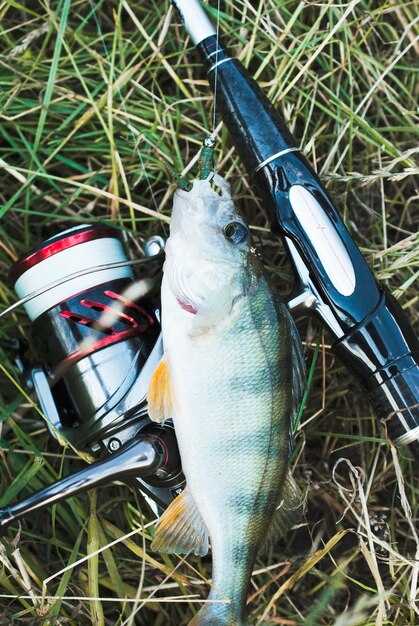 Guía para Pescadores de Lubina Rayada y Lubina Rayada Híbrida – Consejos Principales y Puntos Destacados de la Zona">

Target bays at first light and work windblown shorelines with spoons and poppers to locate feeding bass quickly. Move along weed edges and current seams, and watch how each patch of water responds to your action; when you see movement on the surface, let the bite come and adjust your position to keep the strike zone tight.
Gear plan for steady results: use 20-40 lb braided line with a 12-20 lb fluorocarbon leader, tied cleanly to prevent slips; choose spoons and poppers in white for bright days or near-white tones for stained water; cast to washes and near structure, and work a steady, speed-controlled move to trigger strikes. Focus the cast near nearby drop-offs and weedlines, and keep notes about depth and current to predict where schools will come; when a bite happened, you’ll feel the movement as the fish comes tight. If a strike comes, respond quickly with a firm hook set.
Areas to key on include channels between bays, drop-offs along flats, and beneath bridges where bait schools gather nearby; work with current direction, and switch to a tight, tied on leader with a quick hook set to convert action into landed fish; rotate between spots to cover depth and cover, and track how the fish moved through the area over years of fishing in similar bays. Repeatable patterns help you lock in what works for you.
Time your sessions with the tide window and wind speed: early morning and late afternoon often produce the best action; use a pattern that you can repeat, moving to each spot for 8-15 minutes, then sliding to the next. A simple, repeatable pattern has worked for many anglers. If the fish come shallow, stick with windblown edges, and if they go deep, switch to heavier spoons or deeper poppers and adjust your retrieve speed to match the current movement.
In rivers or coastal estuaries where landlocked salmon push through, you may notice similar feeding movement on the nearby structure; use those cues to refine your speed and rod angle, and stay ready for a quick set when a white splash appears. The strength you feel after a solid take comes from a well-timed hook set and steady pressure through the run, not from rushing the fight.
Spinning Gear Strategy for Striped Bass
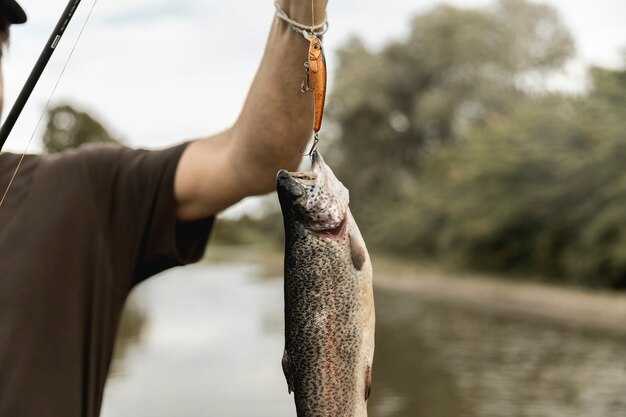
Start with a 7′ medium-action rod, a 3000–4000 reel, 20–30 lb braided line, and a 15–25 lb fluorocarbon leader. Tie a 3/0 to 5/0 hook with a non-slip loop and run a 12–24 inch leader to a bucktail jig of 1/4–1/2 oz, optionally paired with a small soft-plastic trailer. This combo delivers crisp hook exposure and fast lure turnover in salt and fresh water. danny notes that the first bite often hits a bucktail during a calm bite window, so keep a bucktail ready on the cast. they fished beaches, lakes, and estuaries to stay prepared.
Target zones include the Hudson River estuary, salt beaches, and lake mouths where depth changes create ambush points. You should focus on 6–25 ft water at tide changes; bass stack on ledges, channel edges, and boat wakes. They fished these zones heavily, especially during dawn and dusk. Action can shift rapidly as tide and current flip, so move with the water column to locate the bite. Use baits that pair well with this setup, such as bucktail jigs and plastics, to keep the system responsive and versatile.
Night sessions pay off: darkness concentrates bites; use glow bucktails or bright plastics and keep retrieval slow and steady. Bites often appear on the lift as the lure clears structure, so stay patient and maintain pressure to keep the hook set true. Focus on depth changes around river mouths and lake inlets, where wakes from boating activity help draw fish into your range.
During spawning periods, stay adaptable as the system becomes unpredictable; switch to shorter leaders and heavier baits when fish push shallow and chase bait against shorelines. You should monitor moon phases and tide windows, especially around dawn and after darkness, to time your first casts for maximum contact. This approach works across salt beaches and freshwater lakes, with Hudson-area schools often moving quickly to shallow riprap and weed edges while offering clear opportunities to connect on a solid hookset.
Rod, Reel, Line, and Terminal Tackle for Striped Bass Spinning
Grab a 7’6″ fast-action rod paired with a 4000–5000 size spinning reel; spooling with 20–30 lb braided line and tying on a 15–25 lb fluorocarbon leader gives precise control and solid performance when fish surge. This rig shines on shoreline stretches and tidal passages where you need long launches and quick hands when a fish strikes.
Line setup matters: braided mainline at 20–30 lb lets you feel flow through current and drive lures while remaining forgiving under pressure; pair it with a 15–25 lb fluorocarbon leader to handle rough cover and sharp edges of pilings, shells, or mangrove roots. Tie a 12–18 inch leader to reduce visibility and improve take responsiveness.
Jig heads range from 1/4 oz to 3/8 oz; pick size based on water clarity and current. Use 2/0 to 4/0 inline hooks for soft plastics, and keep a few 1/0 to 3/0 circle hooks on hand for live bait setups. Secure lures with a simple snap to change styles quickly and to keep wear off the mainline. Add a small split-shot above the jig head when current is strong and water is shallow.
Use a methodical presentation: a steady cadence with a slow wind, followed by a brief pause to keep the lure in the strike zone. In clear water, keep the lure near the mid-column; in choppy conditions, lift a bit higher to maintain visibility. Sweep by the edge of cover and near structure, then start reeling with constant torque if you feel a subtle take. When a strike occurs, lift smoothly and keep the line tight as the fish accelerates beside the shoreline pattern.
Rinse gear after saltwater sessions, dry thoroughly, and inspect guides, reel seat, and knots. Replace worn leaders promptly and carry spare hooks, jig heads, and snaps for quick swaps. A clean rig performs better when waves pick up and the fish move near the shore.
Lure Types and Presentations that Trigger Striped Bass Bites
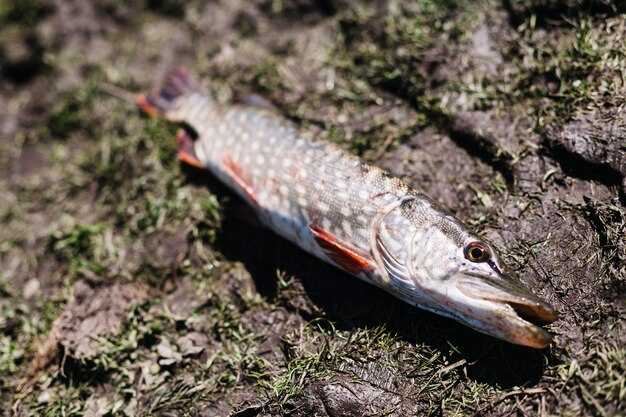
Choose a 1/2- to 1-oz metal spoon or bucktail on a fluorocarbon leader and present it with a steady drift across seams where white-water rolls over structure. A number of proven setups work statewide and along the Atlantic coast, so match your outfit to the water you fish and the moment you visit the bank, whether late in the day or after spawning windows tighten the bite.
-
Metal spoons and blades
- Sizes: 1/2, 3/4, 1 oz; colors: chrome, gold, chartreuse, and UV blends
- Leader and line: 25–40 lb fluorocarbon leader on 30–50 lb braid, knot with a double-uni or improved clinch
- Action: steady cast-and-retrieve with short bursts; include a sudden pause to trigger the strike
- Where and when: best in windblown rips and current seams, early morning to late afternoon; adapt to water clarity and wave height
- Tip: keep the hook exposed as the lure darts; a smilin attitude in the boat helps anglers stay patient during slow periods
-
Soft plastics on jig heads
- Jig weights: 1/4–3/4 oz for shallow structure; 1–2 oz for deeper channels
- Profiles: shad, eel imitators, swimbaits; colors that match local bait (white, gray, or translucent with a dark back)
- Technique: drag and hop along the bottom, then steady lift-and-wallop across mid-depths; mix in a windblown drift to keep the lure in the strike zone
- Leader: 20–30 lb fluorocarbon; hook size 2/0–4/0 depending on the plastic
- Thought for setup: position the boat where current helps the lure search fugitive pockets; most bites come when the lure appears near the bottom and then rises slowly
-
Topwater plugs and walk-the-dog style
- Targets: shallow bars, points, and shoreline tides at dawn or late afternoon
- Presentations: walk-the-d dog retrieves with short pauses; a slight twitch can trigger crazy strikes when water is stained
- Line and leader: 20–40 lb fluorocarbon leader; keep the line tight to detect subtle takes
- Color and size: mid-sized plugs in white or natural bait tones; adjust size to match local stripers and forage
- Where: bays and inlets where bait schools surface; windblown calm days often produce the most visual bites
-
Crankbaits and minnow imitators
- Depth range: shallow runners 4–8 ft; medium divers 8–14 ft; long-cast lipless styles in the 2.5–3.5 in class
- Retrieval: steady crank with occasional short pauses; vary cadence to cover both schools and solitary fish
- Line: 15–25 lb braid with a 20–30 lb fluorocarbon leader for clean hook setting
- Where: rocky banks, channels, and weed edges; the early season often yields the best surface grabs
- Tip: when water is stained, brighter finishes pull more strikes; in clear water, natural patterns win
-
Jigs and flutter spoons for vertical presentation
- Use with a drift across structure or from a trolling approach to cover water quickly
- Weights: 3/8–1 oz jigheads; flutter spoons in 1/2–1 oz range
- Technique: cast beyond structure, sink, then reel with a lift-and-drop cadence; let the lure burn briefly in white-water pockets
- Leader: 25–40 lb fluorocarbon; barbed or straight-eye hooks based on personal preference
- Where: passes, ledges, and along weedlines; most bites during the first two hours of light and again at dusk
Additional notes for effectiveness: keep the outfit balanced for fast reaction and solid hook-setting power; practice clean, deliberate hooks on every bite. In windy, rough water, a longer leader reduces snagging and helps the lure appear more natural. When a bite comes, set hard and drive the hook home, especially with metal spoons and jigs designed to resist sudden snags. If a friend reports a big pull, replicate that approach with calm confidence; the bite often repeats in the same area. Across most Atlantic states, a well-rounded tackle rotation increases catching opportunities in both tide-driven and windblown days. Remember to vary depth and cadence to locate active schools; even a few minutes of exploration can transform a slow day into a consistent pattern, producing the kind of strikes that keep you smiling and the boat shouting for more.
Casting Techniques and Retrieve Patterns for Spinning Success
Use a 7.5-foot fast-action, medium-heavy spinning rod with 20–25 lb braided line and a 15–20 lb fluorocarbon leader; tie on a 3/8–1/2 oz jighead and a 4–5 inch soft plastic. This system delivers long, accurate casts and keeps the lure in the sub-surface where atlantic striped bass and hybrids show the strongest feeding along rock shelves and seam lines. Ready for late-afternoon sessions, it tolerates gusty winds and minimizes line twist.
- Casting fundamentals: Use a smooth, controlled wrist snap and finish with a low rod tip to keep the lure sub-surface; target rock edges and seam zones where currents collide, and practice a consistent cadence. This approach is showing steady results from scotia flats to deeper margins, even when chop is present.
- Rigging and hardware: Attach a small swivel between braid and fluorocarbon to reduce twist; use a 10–14 inch leader with a secure knot and a quick-release jighead clip to swap lures without losing time. Danny’s field tip: keep the leader short enough to preserve action near the seam, and be ready to switch to gaspereau-imitating options before bait schools push offshore.
- Retrieve patterns: Implement three cadences to cover depth and structure. (1) Sub-surface pull with a 0.5–1 m depth, then a 1–2 s pause; (2) steady 20–40 cm per second retrieve with occasional short pauses; (3) erratic yo-yo along a rocky seam, allowing the lure to dart and pause. Using these cadences increases chance of eliciting a strike when a tsunami of bites is present.
- Targeting zones and bait signals: Focus on edges of rock, near current seams, and around estuary mouths where gaspereau schools begin showing; in the atlantic corridor near scotia, fish often hug structure and respond best to lures that mimic local forage. Finding bites here hinges on reading the water column and staying ready to adjust depth quickly.
- On-water discipline: Keep your line close to the rod tip to maintain feel; pay attention to line tension during the retrieve, and be prepared to shorten or lengthen the pause based on bite timing. You should stay calm when a bite comes, close the loop quickly, and resume casting without hesitation, even in late sessions where light fades and the fish become more selective.
Area Highlights: Prime Spinning Spots by Region and Season
Start with river mouths at first light in spring, cast a 1/2 oz inline spinner, and reel 2.0–3.0 mph to locate striped bass that rapidly move into current seams. This approach works well for anglers at all levels and should show consistent results in clear waters. Within this method, you should keep your stops short and test several spots to locate migrating fish.
Within the Northeast estuaries, Long Island Sound, the Hudson River mouth, and the CT River mouth offer well-defined current lines within 5–15 feet of the surface. Juvenile bass patrol nearby edges, while large adults swim along deeper shelves. Use 3/8–1/2 oz inline spinners or small spoons, speeds of 1.5–2.5 mph, and keep a short leader for clear action; there, the migration pulls fish from creeks toward the main channel.
In the Mid-Atlantic bays, Chesapeake Bay and nearby tributaries show lanes where bait concentrates along shell beds and channel edges. A veteran angler should cover 2–3 spots per hour and switch to 1/4–3/8 oz spinners when visibility is tight; nearby currents and structure create steady opportunities, and live bait can add confidence in tough days. Target speeds around 2.0–3.0 mph.
In the Southeast, the Savannah River system, Altamaha, and St. Johns areas gather bass along migration corridors toward warmer bays. Migration into spring flats starts early, and you should run 1/2–5/8 oz bucktails or inline spinners, with retrieves of 1.5–3.0 mph. Keep a clear leader to prevent bites, and fish near warm pockets where juveniles and adults share the same place.
Along the Gulf Coast inlets and reservoirs, Mobile Bay and Apalachicola Bay host hybrids that school in current seams and along structure. Late winter to spring shows action, with 3/8–1/2 oz spinners and speeds of 2.0–3.2 mph; test steady and stop-start retrieves, and be prepared to adjust within the same area as fish move through the plains of moving water.
In the Great Lakes corridor, Des Plaines River and nearby tributaries act as migration funnels. Early spring and fall bring fish into warmer pockets along shorelines and weedlines. Use spoons and inline spinners, 1.3–2.8 mph, and consider live bait on slower days. Since waters can flip quickly, work the column of current edges and keep moves compact to avoid missing the bite there.
| Region | Prime Spots | Best Season | Spinning Tactics | Notas |
|---|---|---|---|---|
| Northeast Estuaries | Long Island Sound, Hudson River Estuary, CT River Mouth | Spring–Early Summer | 3/8–1/2 oz inline spinners; 1.5–2.5 mph; target current seams and pilings | Juvenile fish present; large fish cruise deeper edges |
| Mid-Atlantic Bays | Chesapeake Bay channels, Potomac mouth, Delaware Bay approaches | Spring & Fall | 1/4–3/8 oz spinners; 2.0–3.0 mph; work shell beds and bait blooms | Large schools; migration aligns with tides |
| Southeast Rivers & Estuaries | Savannah River mouth, Altamaha, St. Johns | Invierno–Primavera | 1/2–5/8 oz bucktails or inline spinners; 1.5–3.0 mph; parallel casts | Migration corridors concentrate fish near warm pockets |
| Gulf Coast Inlets & Reservoirs | Mobile Bay area, Apalachicola Bay, nearby reservoirs | Late Winter–Spring | 3/8–1/2 oz spinners; 2.0–3.2 mph; steady and quick retrieves | Large fish; keep a sturdy leader |
| Great Lakes Corridor | Des Plaines River, nearby tributaries | Early Spring & Fall | Spoons and inline spinners; 1.3–2.8 mph; weedlines and drop-offs | Migration windows; waters shift quickly |
Seasonal, Tide, and Weather Windows for Striped Bass Angling
Target the first two hours of darkness and the last two hours before dawn; this window is usually the most reliable for striped bass along the atlantic coast, whether you are fishing from the bank or aboard a boat.
Seasonal flow: In spring, fish push from the ocean toward the river to feed on bait; in summer, look for windblown edges where current intersects structure; in fall, huge schools move along inlets and river bars.
Tide windows: Incoming tides moving bait along shorelines often trigger strikes; plan for 2-4 hours on the rise and a second window around high tide near river mouths; pick sizes 4-6 inches, and baits such as soft plastics or small plugs; matt notes that rising tides near river mouths give the best window.
Weather windows: steady winds under 15 mph keep water clear and the bait visible; windblown conditions concentrate fish along the bank and shoreline; sudden pressure changes after storms can produce a crazy bite, especially around darkness.
Gear and tactics: Use light drag, set to 20-30% of your line test; tie 2-0 to 4-0 hooks on a strong leader; present baits with a natural pull and a little give to detect a take; for bigger fish you may need heavier rods and bigger hooks.
Plan and records: keep a simple log of present conditions, tide stage, and what worked; track bites by sizes and whether you hooked from the bank or boat; commercial guides and local fisherman notice the same patterns along the atlantic coast; this routine helps you lock in window opportunities and build better trips.