


 Español
  English (UK)
  Русский
  العربية
  日本語
日本語  한국어
한국어  Magyar
  Türkçe
  Čeština
  Svenska
  Português
  Ελληνικά
  Suomi
Suomi  Nederlands
  Română
  Italiano
  Français
  Polski
  Українська
  Deutsch
  简体中文
简体中文  Slovenčina
  St. Lucia Travel Guide – Best Beaches, Activities, and Luxury Resorts">

Start with a five-hour puesta de sol en crucero en yate desde el puerto de Castries, amarra cerca del puerto deportivo y deja que el más increíble Las vistas de los Pitones se despliegan mientras los yates se deslizan junto a las costas salpicadas. Esta aproximación revela una pared de colinas esmeralda y establece un tono confiado para el resto de su viaje. Esta es una experiencia de cinco horas.
Comience con Reduit Beach para nadar con facilidad, luego visite Anse Cochon para practicar esnórquel, descrito por los guías como un primer puesto para jardines de coral. La caleta a menudo está rodeada de orillas bordeadas de palmeras y verdes colinas, con una espectacular pared de roca volcánica que da forma a la costa. Para una opción familiar, diríjase al Parque Nacional Pigeon Island y sus tranquilas caletas con amarres protegidos para embarcaciones pequeñas.
Estancias de lujo centradas en five-star propiedades encaramadas en acantilados o escondidas en valles exuberantes. El absolute Destaca Jade Mountain, que ofrece vistas despejadas al mar desde cada suite y está rodeado por una pared de jungla y acantilados de basalto. Los cercanos Ladera y Anse Chastanet describen un diseño vanguardista approach a la privacidad, con suites que se abren al mar y a los campos más allá. Cada propiedad ofrecía un fuerte sentido de pertenencia a través de materiales locales, arte impresionante y cocina inspirada en la isla.
La mayoría de los itinerarios combinan tiempo en la playa con deportes acuáticos y días de spa. La isla offers esnórquel guiado, cursos de buceo y paseos en velero al atardecer, con amarres dispuestos para visitas de un día. Para una planificación práctica, reserve su estancia con anticipación para los meses de diciembre a abril y organice los traslados desde el puerto de Castries a través del conserje de su hotel. Los tonos azul Tobago del mar Caribe son comunes a lo largo de la costa oeste de Santa Lucía, y muchos huéspedes prolongan su viaje con conexiones a través de los centros regionales de Vincent, añadiendo una segunda isla sin perder el ritmo relajado de la isla.
Guía de viaje de Santa Lucía
Antes de viajar, busca opciones que incluyan experiencias de fondeo y alquileres de barcos al atardecer a lo largo de la costa de Barlovento, donde Marigot se encuentra rodeada de selva tropical.
Dos aeropuertos dan servicio a la isla: Hewanorra (UVF) en el sur y George F. L. Charles (SLU) en Castries. Desde la costa este se puede llegar a la capital en menos de una hora por carretera, y esta configuración hace que su llegada sea fluida.
Las playas a lo largo de la costa oeste ofrecen aguas cristalinas y arena blanca, con calas más tranquilas cerca de Anse Cochon y el popular tramo de Reduit Beach. Si bien algunas costas permanecen en calma, otras invitan al viento y las salpicaduras. ¿Busca un panorama espectacular? Desde Marigot, un corto paseo en barco revela los Pitones que se elevan desde el mar.
La cocina de Santa Lucía combina influencias francesas, caribeñas e indias orientales. Pruebe el bouillon, el callaloo y el marisco recién capturado, servido con plátanos y lima. Comer en un puesto de carretera le ofrece un sabor directo de la isla, y los menús relativamente sencillos dejan que el océano brille.
Entre las estancias recomendadas se incluyen Sugar Beach, A Viceroy Resort, Ladera y Jade Mountain, cada uno con terrazas privadas, vistas volcánicas y un servicio que hace que las noches sean memorables. Las propiedades de la costa sur ofrecen acceso rápido a Anse Chastenet y los Pitons, mientras que el norte ofrece playas más tranquilas y opciones de golf.
A continuación, planifica tus días comenzando con una sesión matutina en la playa, seguida de una excursión en barco al mediodía, y luego una caminata por la colina o un spa. Tener un coche de alquiler te da flexibilidad para explorar las costas este y sur a tu propio ritmo. Este plan ayuda a que tus próximos días transcurran sin problemas.
Guía de Viaje de Santa Lucía: Playas, Gastronomía, Navegación e Itinerario Día por Día
Comience su itinerario con medio día en Soufrière, luego cambie a un barco con tripulación para navegar al atardecer a lo largo de la costa este. Santa Lucía está rodeada de aguas turquesas y picos espectaculares, con vientos que amainan por la noche para un comienzo cómodo. Este plan se centra en los principales atractivos: playas, escaladas y cenas costeras, mientras que los servicios de hotel y de excursiones respaldan su ritmo y se encargan de la logística.
Las playas enmarcan el día con estados de ánimo variados: Reduit Beach ofrece un tramo largo para caminar cerca de Rodney Bay, mientras que Cas En Bas ofrece una sensación ventosa de pequeña cala, ideal para nadar a última hora de la mañana. Comer a lo largo de la costa combina parrillas playeras informales con restaurantes costeros refinados; sus ofertas a menudo incluyen el plátano como acompañamiento básico, mariscos a la parrilla y salsas con predominio de hierbas. Si anhelas el sabor local después del atardecer, los mercados nocturnos surgen en varios pueblos, donde la música y el aroma a aire salado crean un ambiente memorable. La guía Helen a menudo comparte consejos sobre los mejores lugares para ver el atardecer y dónde encontrar pescado fresco.
La parte de la navegación a vela hace hincapié en una experiencia cómoda en un barco con tripulación, donde un pequeño equipo se encarga de la navegación, el aprovisionamiento y la seguridad. Los vientos alisios del este proporcionan vientos constantes para un día relajado en el agua, y la disposición del barco mantiene a los huéspedes a la sombra o al sol según sus preferencias. A lo largo del camino, podrás ver morenas escondidas en los jardines de coral durante las paradas de esnórquel, y podrás subir a una roca mirador para disfrutar de un rápido panorama que hace que todo el viaje sea impresionante. Si el tiempo cambia, el capitán ajusta las rutas, manteniendo la comodidad como prioridad y asegurándose de que sigas disfrutando de los variados paisajes de la costa.
Día 1: Llegada a Castries y traslado a un hotel en Rodney Bay, con un paseo a Reduit Beach para tomar un poco de sol y una cena junto al mar que destaca los mariscos frescos y acompañamientos de plátano. Las vistas nocturnas desde el puerto deportivo marcan un tono relajado para el viaje, y notará el ritmo tranquilo que define la costa este de Santa Lucía.
Día 2: Excursión a Soufrière con una visita matutina a los manantiales de azufre y un paseo por los senderos botánicos de la ciudad. Si tiene ganas de escalar, Gros Piton ofrece un sendero desafiante con vistas espectaculares; puntos de vista alternativos alrededor de Morne Coubaril permanecen accesibles para un ascenso más suave. Luego, regrese hacia Anse Chastanet para una sesión de esnórquel donde las morenas patrullan los salientes de coral. Las opciones para cenar incluyen restaurantes en la ladera o mesas junto a la playa, donde un cocinero a menudo adaptará los sabores a las preferencias de su grupo.
Día 3: Caminata matutina por el Parque Nacional Isla Pigeon a lo largo de las murallas del fuerte, seguida de un corto trayecto en coche hacia el norte hasta Cap Estate y un traslado en barco para una navegación tranquila por la tarde. Atracarás cerca de una cala apartada para nadar y, a continuación, te dirigirás a la bahía de Marigot para almorzar en el muelle y tener la oportunidad de observar aves marinas rozando el agua. El día termina con un paseo de vuelta por el sendero de la costa y una cena relajada que muestra las influencias criollas y caribeñas.
Día 4: Día completo de navegación hacia las Granadinas a bordo de un barco con tripulación, con almuerzo servido en cubierta y paradas para bucear en bahías protegidas. La ruta es flexible, a menudo rodeando extensiones de Bequia o Mustique, dependiendo del estado del mar y sus intereses. Los costos varían según la embarcación y la duración, pero la mayoría de los paquetes incluyen comidas, bebidas y alquiler de equipos. No querrá perderse una puesta de sol anclado en una bahía tranquila, donde la temperatura del mar sigue siendo agradable y la brisa nocturna refresca las palmeras.
Día 5: Traslado matutino para una visita rápida a Martinica si su agenda lo permite, o un circuito insular más corto para saborear un último paseo costero y un brunch de despedida junto al agua. Martinica ofrece una mezcla contrastante de cocina caribeña francesa y sabores locales, un buen complemento a los picantes platos de plátano de Santa Lucía. Regreso a la ruta principal del aeropuerto con tiempo para reflexionar sobre los momentos más destacados del viaje y un último paseo por la pasarela del puerto deportivo mientras regresa.
Los costos y las opciones varían, pero la oferta principal sigue siendo la misma: una mezcla equilibrada de playas, gastronomía, navegación y un ritmo día a día que se adapta tanto a exploradores activos como a viajeros que buscan comodidad. Sus rutas costeras enfatizan un ritmo constante, con una tripulación amable, itinerarios flexibles y un enfoque en vistas impresionantes, pequeños desvíos y transiciones fáciles entre la vida isleña y los días náuticos.
Las mejores playas para bucear, aguas tranquilas y vistas del atardecer
Comienza en la playa Anse Chastanet para practicar snorkel, disfrutar de aguas tranquilas y contemplar una puesta de sol que hace que los Pitons brillen con un color increíble sobre la costa de arena blanca.
- Playa Anse Chastanet (Soufrière) – Esnórquel en aguas poco profundas con arrecifes y pináculos cerca de la costa; puede ver peces loro, lábridos y especies que habitan en los arrecifes entre corales de colores brillantes; las aguas tranquilas de la mañana invitan a entradas fáciles; el mejor momento para bucear aquí es por la mañana, cuando la visibilidad es más clara; si espera una puesta de sol espectacular, los Pitons brillan en una silueta impresionante contra la ladera boscosa; acérquese al equipo de la playa para obtener consejos de seguridad e información local.
- Sugar Beach (entre Gros Piton y Petit Piton) – Calas de arena blanca con aguas tranquilas y suaves; el esnórquel a lo largo de los islotes cercanos a la costa revela pequeños peces de arrecife y abanicos de mar; al lado del corredor del resort, es de fácil acceso desde la carretera principal; la mejor luz es a última hora de la mañana o a última hora de la tarde; las vistas del atardecer sobre la cala muestran los pináculos en silueta.
- Playa Marigot Bay – Aguas tranquilas y protegidas, perfectas para excursiones en velero y snorkeling relajado; la costa está salpicada de cafés que ofrecen callaloo y cocos frescos; al ser un centro popular, es un buen lugar para combinar una copa al atardecer con la vista al otro lado del agua.
- Playa Anse Cochon – Conocida por la vibrante vida de arrecife en zonas poco profundas; islotes rocosos y promontorios crean paisajes variados; las mañanas o las últimas horas de la tarde ofrecen la natación más tranquila; puedes observar bancos de damiselas y lábridos cuando el sol golpea el agua, y puedes deslizarte hacia las calas protegidas entre las rocas.
- Playa Anse La Raye – Ambiente local, fácil acceso, aguas tranquilas y un arrecife cercano donde se puede bucear entre promontorios rocosos; los islotes visibles más allá de la costa añaden color al atardecer; junto a un pequeño pueblo de pescadores, combina bien con una comida de marisco.
La cima del cabo crea un marco espectacular para las fotos del atardecer.
Consejos prácticos: lleva protector solar apto para arrecifes, mantente alejado de los corales y respeta la vida marina. No te pierdas un tentempié rápido de callaloo en un puesto de la playa; un breve desvío a las cataratas de Toraille añade una pausa refrescante, y el equipo de Vincent señala que una navegación al final de la tarde entre islotes ofrece el mejor punto de vista para la puesta de sol, u otra cala resguardada durante tu viaje.
Itinerario de Navegación de Siete Noches: Lo Más Destacado Día a Día
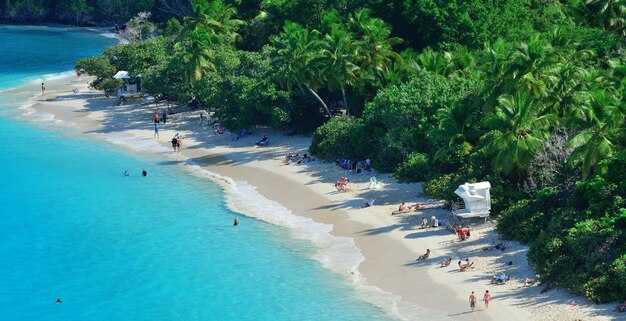
Reserva un amarre al atardecer en Marigot Bay el Día 1 para marcar el tono de una semana de aguas turquesas y fácil exploración.
-
Día 1 – Bahía de Marigot a Gros Islet (área de Reduit Beach)
- Zarpe desde Castries con una ligera brisa a estribor hacia Reduit Beach, un lugar tranquilo cerca de Gros Islet.
- Nada y practique esnórquel a lo largo de arrecifes protegidos, luego relájese en la cubierta mientras el sol se pone sobre la costa.
- La cena gourmet a bordo incluye pescado fresco, verduras de la isla y un postre cítrico; disfrute de la calidez de Santa Lucía por parte de la tripulación y del ambiente de la zona de Reduit (reduit).
-
Día 2 – De Gros Islet al Parque Nacional Pigeon Island
- Esnorquel matutino alrededor de Turtle Beach y una breve visita a la costa del Fuerte Pigeon Island para disfrutar de vistas panorámicas.
- Almuerzo en cubierta, seguido de una breve navegación a lo largo de la costa noroeste hacia un fondeadero resguardado cerca del parque.
- Atardecer en la cubierta sobre aguas tranquilas; aprende sobre la historia de la isla por la tripulación y conoce a gente local a lo largo de la costa.
- Extensión opcional: si los vientos son favorables, extender hacia Martinica para una travesía al amanecer y regreso.
-
Día 3 – Soufrière y los Pitones
- Anclaje en la bahía de Soufrière; visite Sulphur Springs y Diamond Falls para saborear el exuberante paisaje y los pináculos de Gros Piton y Petit Piton en la distancia.
- Nada en Anse Chastanet o Malgretoute en aguas turquesas, luego camina por un sendero corto hasta un mirador para disfrutar de amplias vistas al mar.
- Noche a bordo o en tierra con una cena maridaje que incluye especias locales y una crema de ron añejo.
-
Día 4 – Anclaje en Anse La Raye y la zona de Canouan
- Navegación matutina a Anse La Raye, un pequeño pueblo pesquero con mercados vibrantes y capturas frescas para degustar.
- Almuerzo en cubierta con una selección de pescado local del chef; esnórquel cerca de un arrecife protegido por la tarde.
- Una tarde tranquila para relajarse en una cala apartada, disfrutando de vientos suaves y una brisa crepuscular sobre el agua.
-
Día 5 – Bahía de Castries y Vigie
- Diríjase hacia la bahía de Castries para una parada suave cerca del muelle; pasee por la costa para echar un vistazo rápido a la artesanía sin multitudes.
- Bocados de degustación que resaltan los sabores caribeños, o algo sencillo como un ceviche fresco a bordo.
- Regrese a cubierta para disfrutar de una serena navegación al atardecer por el puerto y una noche muy tranquila en el agua.
-
Día 6 – Rodney Bay a Cap Estate
- La brisa matutina lleva el yate hacia Cap Estate; observe cómo se despliega la costa al acercarse a los promontorios.
- Practica el esnórquel cerca de un arrecife protegido y luego explora la costa para estiramientos rápidos y oportunidades para tomar fotos.
- Culmine el día con un menú a bordo centrado en la langosta o el pescado, elaborado por la tripulación para que coincida con el ambiente del mar.
-
Día 7 – Regreso hacia Marigot Bay y atardecer final
- Tramo final a lo largo de la costa, captando otro ángulo de los Pitones y las colinas esmeralda.
- Anclaje de nuevo en Marigot Bay, nadar en una última cala turquesa y saborear un festín gourmet de despedida en la cubierta.
- Reflexiona sobre la semana, comparte recuerdos con la tripulación y ten presente que esta es una forma concisa y gratificante de conocer Santa Lucía.
Marinas y fondeaderos en Santa Lucía: Opciones de atraque, tarifas y consejos para el amarre
Reserve un amarre de tránsito en Rodney Bay Marina para asegurarse electricidad, agua y asistencia de la tripulación fiables en el momento de su llegada. Este puerto con orientación este le sitúa en un rumbo directo a la región de Soufriere, con islotes bordeados y un grandioso telón de fondo natural de palmeras y colinas que hacen que la aproximación sea impresionante.
En Rodney Bay, el atraque de tránsito cuesta aproximadamente entre 2,50 y 3,50 $EC por pie por noche, con la electricidad alrededor de 0,40 $EC por kWh y el agua a menudo incluida. El puerto ofrece fácil aprovisionamiento, combustible y personal listo para ayudar con las amarras y el atraque, siendo una primera parada práctica para muchas tripulaciones.
Marigot Bay Resort & Marina ofrece un puerto redondo y protegido, preferido por charters con tripulación y embarcaciones privadas más grandes. Puede esperar de cinco a siete amarres de diferentes longitudes; un viaje en taxi acuático de cinco minutos le lleva al pueblo para disfrutar de la gastronomía y un toque de ambiente local, con algunos operadores con sede en Londres que aportan un sabor cosmopolita y jazz ocasional por las tardes. El gran telón de fondo de colinas bordeadas de palmeras se suma al entorno, y fondear cerca es posible durante los períodos de mayor afluencia cuando no hay espacio en el muelle.
La bahía de Soufrière ofrece amarres y un fondeadero resguardado cerca de los Pitons. Los amarres son gestionados por la autoridad portuaria local; durante los periodos de mayor afluencia, puede que haya poco espacio en el muelle, por lo que es común fondear fuera del campo de amarre cuando el tiempo lo permite. Si elige fondear, busque fondos arenosos y evite las praderas marinas y las formaciones de coral, y vigile de cerca la profundidad y la corriente. Estar atento le ayuda a mantenerse seguro durante las condiciones cambiantes mientras explora la zona.
Isla Pigeon ofrece opciones de fondeo adicionales cuando el oleaje es ligero. En verano, el área alrededor de los islotes ofrece un impresionante telón de fondo y una sujeción fiable si eliges un fondo arenoso; acércate desde el norte, echa el ancla y asegura una línea de popa a una cornamusa para mayor estabilidad durante vientos más suaves. Se pueden disfrutar citas románticas en tierra firme en los restaurantes a lo largo de la costa, con una cocina influenciada por los sabores caribeños y londinenses y un ambiente relajado de jazz.
Consejos para amarrar: siempre contacte con el control portuario en VHF 16/68 para confirmar la disponibilidad, utilice el campo de boyas del puerto siempre que sea posible y vigile de cerca el clima y las corrientes. Amarre con una línea de proa resistente, coloque defensas amplias y mantenga una línea de popa corta y recta a una boya si es necesario. Si las condiciones empeoran, cámbiese a fondear en una zona arenosa designada en lugar de forzar el agarre sobre el coral, y prepárese para volver a atracar en otro puerto deportivo o bahía protegida sin arriesgarse a dañar la embarcación.
Comida y bebida en Santa Lucía: Platos locales, restaurantes imperdibles y experiencias con ron
Comience con un consomé de un puesto del mercado de Castries para un comienzo brillante, con sabor a sal marina, en su viaje culinario luciano.
Santa Lucía mezcla influencias criollas, francesas y caribeñas, con ingredientes lucianos claramente descritos en cada bocado. Pruebe higos verdes con bacalao, calalú y los fragantes mariscos al ají de la isla. Los platos están hechos con mariscos frescos, una base de hierbas y salsas reduit que profundizan los sabores sin dominar la frescura marina. Las cataratas Diamond y las colinas circundantes enmarcan un hermoso telón de fondo mientras se sumerge en bahías tranquilas y arrecifes relativamente poco profundos. Tanto los marineros como los lugareños mantienen el mismo enfoque: mantener las preparaciones simples, resaltar la pesca y dejar que los sabores hablen por sí mismos. De postre, el chocolate brilla en las cocinas de los hoteles y en los cafés de los pueblos, ofreciendo un dulce contraste con las notas de especias y lima que acaba de saborear.
Los restaurantes que debes probar te permiten experimentar el orgullo isleño en cada plato. The Coal Pot en Castries ofrece mariscos criollos clásicos con un ambiente portuario agradable. Dasheene en Ladera, en Soufrière, combina ingredientes de Lucía con espectaculares vistas de los Pitons, mostrando un menú de degustación que se adapta a lo más fresco del mar. Boucan by Hotel Chocolat en Soufrière marida ingeniosamente el cacao con mariscos y carnes asadas, ofreciendo chocolate a la carta y un postre de chocolate de firma que hace que el postre se sienta como un destino. The Pink Plantation House combina hierbas del jardín y platos de la huerta a la mesa en un entorno rodeado de paisajes exuberantes, ideal para cenas tranquilas al atardecer después de un día de exploración de la isla.
Las experiencias con el ron dan vida al espíritu de la isla. Realice una cata guiada en una sala de ron o destilería local para comparar Chairman's Reserve, Piton y otras mezclas de Lucian, con notas que van desde especias de pimienta hasta nibs de cacao. Combine una cata con un maridaje de chocolate en Boucan para una verdadera combinación de cacao y ron de la isla. Para un momento práctico, únase a un viaje en barco al atardecer a lo largo de la costa de Barlovento, donde su tripulación se acerca a las mezclas con un ponche de lima fresco mientras el agua permanece tranquila y azul. Si prefiere un descanso rápido, tome un sorbo de un ponche de ron fresco en un bar junto a la playa y luego empápese de la brisa marina mientras planifica su próximo viaje entre islas: sus sabores le dan ganas de explorar más, desde Castries hasta Soufrière y de vuelta a las islas que rodean Santa Lucía.
| Restaurantes | Plato estrella / Experiencia culinaria | Rum Link |
|---|---|---|
| The Coal Pot (Castries) | Creole de mariscos y caldo con hierbas frescas | Las salas de degustación cercanas ofrecen catas de Chairman's Reserve |
| Dasheene en Ladera (Soufrière) | Menú degustación con ingredientes locales de Santa Lucía y vistas a los Pitones | Maridajes de chocolate y ron con las ofertas de cacao de Boucan |
| Boucan by Hotel Chocolat (Soufrière) | Platos con infusión de chocolate y postres de chocolate | Vuelos de ron destacando notas de Pitón y cacao |
| Pink Plantation House (Soufrière) | Platos criollos de la huerta a la mesa | Cócteles de la casa y degustaciones de ron blanco local |
Cuándo es el mejor momento para viajar a Santa Lucía: Clima favorable, afluencia de público y condiciones del mar

Para la mayoría de los viajeros, la mejor época para viajar a Santa Lucía es desde mediados de diciembre hasta abril, cuando los días son secos, los mares están relativamente tranquilos y el tiempo de playa es óptimo. Este período ofrece información fiable sobre las condiciones meteorológicas y marítimas para la planificación, con días largos y llenos de sol y fácil acceso a los pináculos y colinas de los Pitones que enmarcan el telón de fondo de la belleza de la isla y la convierten en un lugar ideal para la exploración.
De mayo a noviembre, las lluvias aumentan y los mares pueden ser ventosos, lo que incrementa el oleaje cerca de los promontorios, pero deja las bahías protegidas lo suficientemente tranquilas para actividades de ocio. La temporada de huracanes va aproximadamente de junio a noviembre, así que esté atento a los pronósticos y prepárese para tormentas tropicales ocasionales. Aún así, muchos días se mantienen cálidos, con temperaturas del agua que invitan a nadar y bucear, especialmente en los momentos de calma de la tarde.
Las multitudes y los costos varían según el mes. Las semanas pico alrededor de Navidad, Año Nuevo y Semana Santa elevan las tarifas y los servicios de los hoteles, mientras que mayo y noviembre ofrecen un valor relativamente mejor por los mismos días de ocio. Santa Lucía se asienta sobre un telón de fondo de colinas y pináculos volcánicos; si planea una estadía de varios días, considere las conexiones a través de los dos aeropuertos, Hewanorra (UVF) y George F. L. Charles (SLU), y una excursión de un día a Bequia o una noche desde Granadinas para enriquecer su exploración.
Las playas a lo largo de la costa oeste ofrecen aguas más tranquilas para nadar y disfrutar de la playa, mientras que las formaciones de arrecifes y paredes alrededor del área de Soufrière brindan paisajes espectaculares para practicar esnórquel y fotografía submarina. Para la mejor experiencia, planifique su visita teniendo en cuenta cuándo el mar está descrito como calmado y elija lugares protegidos para ver las puestas de sol, con el día siguiente listo para explorar las colinas y las playas cercanas.
Próximos pasos: verificar la información actualizada sobre las ventanas climáticas y los horarios de los vuelos, y comenzar a planificar una extensión a Bequia para equilibrar los días ajetreados con los más tranquilos. Si desea probar la auténtica vida isleña, combine la estadía principal en Santa Lucía con una visita a Bequia para ver otro telón de fondo y un ritmo diferente, todo ello teniendo en cuenta los servicios y costos locales.