


 Español
  English (UK)
  Русский
  العربية
  日本語
日本語  한국어
한국어  Magyar
  Türkçe
  Čeština
  Svenska
  Português
  Ελληνικά
  Suomi
Suomi  Nederlands
  Română
  Italiano
  Français
  Polski
  Українська
  Deutsch
  简体中文
简体中文  Slovenčina
  Sardinia Yacht Charter Guide – Top Routes & Marinas">

Begin with a four- to six-day loop: Olbia → La Maddalena archipelago → Costa Smeralda (Porto Cervo) → Cala Gonone. This plan makes the most of Sardinia’s reliable winds, puts you in sheltered marinas, and will include historical locations, spiaggia momentos, y seafood havens along the coast.
For a balanced itinerary, start with a morning sail from Olbia to La Maddalena, anchor near Cala Spalmatore or Cala Granara, then spend the afternoon explorando the jewel coves by tender. The winds favor this leg in late spring and early summer, with calm afternoons for a dedicated crew to show you hidden beaches and spiaggia sunsets. After La Maddalena, glide to Porto Cervo for sumptuous dining and a stroll through historical lanes, then finish with a coastal stretch to Cala Gonone, famed for its dramatic coastline and a prime location on Sardinia’s east coast.
Choose marinas with solid services: Olbia Marina, Golfo Aranci, Porto Cervo Marina, and La Maddalena Marina. Your plan can include rentals of snorkeling gear, paddleboards, and basic scuba kits, while your crew handles weather checks and port calls. A dedicated captain can adjust routes to stay in protected coves when winds rise, keeping your voyage comfortable and smooth.
For food lovers, Sardinia serves a seafood-forward menu in every harbor. In Olbia, Palau, and Cala Gonone you’ll find fresh langoustine, grilled fish, and crab ragù at shore-side taverns near the spiaggia edges. This location offers a string of havens where you can enjoy a sumptuous meal and a dedicated sunset moment on deck.
Porto Pollo as the Launch Point for Sardinia Sailing
Begin your Sardinia sailing from Porto Pollo by booking a crewed charter that leaves at dawn, letting their captain handle routing while you relax on deck. A typical hop to the Maddalena archipelago covers roughly 20–30 nautical miles, translating to 4–6 hours at coastal speeds and a steady breeze along the coast. This setup gives you flexibility, with provisioning and weather adjustments managed by the crew, ensuring a smooth start to your week.
Once you clear the strait, an archipelago of havens and coves awaits around Spargi and Budelli. Porto Pollo’s proximity lets you combine wind-sports days with sailing, so you can switch from relaxed cruising to anchoring near Spiaggia Rosa on Budelli (subject to access rules) and then tucking into sheltered bays near Caprera. On a typical plan, you can stay 3–4 nights across Maddalena sites, with short hops and plenty of time for snorkeling, sunsets, and gentle coastal walks.
The coast offers a cosmopolitan mix of dining options. La Maddalena hosts a handful of restaurants with seafood and pasta, while Caprera provides more intimate settings for relaxed dining. Their menus emphasize fresh fish, local wines, and creative coastal dishes. After a relaxed dinner, you can stroll the sands, then plan a romantic date night in a quiet cove with sea views. Historic sites along Caprera and the inner coast echo the islands’ long maritime story, including notes of Romans-era trade routes.
Seasonality shapes every charter from Porto Pollo. Year-round, Porto Pollo attracts a cosmopolitan mix of sailors from across Europe, with increased demand that keeps marinas busy but still offers calm days and manageable crowds. A crewed charter here suits those seeking flexibility, provisioning reliability, and a route that favors Maddalena’s archipelago sites. To maximize your experience, anchor in small havens around Maddalena, reserve Spiaggia Rosa and other sands for morning visits when permits allow, and plan longer coastal hops to savor the coast in relaxed style.
Porto Pollo Docking: Berths, Fees, and Local Services
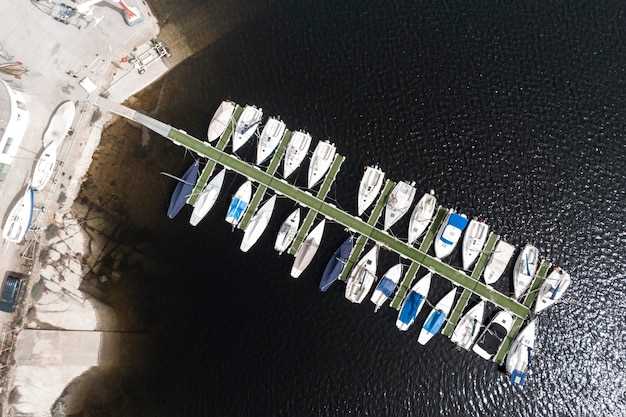
Book a berth now for the peak season to secure a slip; Porto Pollo’s marina offers about 60 berths along the western quay, with crystal waters and a picturesque backdrop. Depths run roughly 2.5–3.5 meters at low tide, suitable for vessels from 7 to 20 meters. Berths are allocated by the club and harbour master, and live availability is posted in the guide; book early to avoid stress and have an unforgettable stay. Sailors come back again and again, drawn by the friendly crew and the proximity to rental options.
Berths accommodate yachts from 7 to 20 m, with a mix of finger pontoons and a small outer basin. Depths run 2.5–3.5 m at low tide, ensuring safe mooring for most cruisers. The harbour master, supported by the club, assigns slips and manages guest moorings; recent upgrades improved lighting, pedestals, and water points. The site has hosted regattas and club days, building a history of sailors who return again.
Fees and packages: daily mooring typically ranges from €1.8 to €3 per meter, with weekly and monthly bundles offering discounts. Electricity is available at 16A or 32A sockets; water is included in longer stays or charged per meter for short visits. A small marina service fee applies. For longer visits, ask for a seasonal berth that bundles electric, water, and Wi‑Fi to keep payments simple. Boats in different styles will find the harbor accommodates both classic cruisers and modern racers. The setup is quite handy for skippers planning a quick stop, and alternatively, you can anchor in the outer basin if moorings are full.
Local services and connections: the harbour hosts a compact service hub with a well‑stocked chandlery, a small repair yard, and rental options for scooters, cars, and dinghies. Onshore facilities include showers, laundry, and reliable Wi‑Fi; a cluster of shops and cafes lines the picturesque roads leading to sands and coves. Staff at the Porto Pollo Club can arrange guided trips, day cruises, and snorkel excursions, connecting you to a spectrum of endless activities on the western coast. The area is a set of sailing havens brimming with history, community, and friendly faces; from here you have easy access to the mainland via ferries and coastal roads. Creating a sense of connection, the marina invites guests to explore again and discover its unique styles, from classic to contemporary.
From Porto Pollo to La Maddalena: Short Coastal Routes

Begin with a two-leg plan: sail from Porto Pollo to Capo d’Orso for a sheltered lunch, then push on to La Maddalena to finish by sunset. Leg 1 covers roughly 10–12 nm along blue shoreline and a stone coast, typically 1.5–2 hours at a steady 6 knots. In Capo d’Orso you can anchor in a sheltered cove or dock at a small marina to refuel and stretch the legs.
Leg 2 runs 14–18 nm from Capo d’Orso to La Maddalena across open water, with typical crossing times of 2.5–3 hours at 6 knots. Along the way you pass the smeralda coast in places; consider a lunch detour to Cala Capra if conditions permit. Once in La Maddalena, the marina puts you within easy reach of blue-water scenery and a selection of places that range from Michelin-starred dining to casual seafood spots, perfect for a sumptuous evening.
Tips for this short coastal hop: choose May–September for best light and calmer seas; anchorages in isolated coves around Capo d’Orso and the Maddalena archipelago offer stone-washed silence, while the popular marinas keep you connected. The route threads between bean-shaped islets and opens onto a true blue panorama; La Maddalena is located off the northeast tip of Sardinia, making a finish here easy to align with a day of exploring the town’s cobbled lanes and a sunset sail. romans once steered these waters; today regattas season adds energy to the harbor. For a gastronomy twist, you can sample a mix of casual taverns and Michelin-starred options in the resorts nearby.
If you want to extend the cruise slightly, Tharros is a feasible side trip along the western coast, offering a contrasting arc to the limestone-archipelago scenery and a different taste of Sardinia’s maritime heritage; on this short route, though, you stay chiefly within the blue, sheltered lanes that make this stretch one of the most enjoyable, modern means to explore the Sardinia coast without leaving the island’s most spectacular corners.
North Sardinia Marinas: Olbia, Palau, and La Maddalena Overview

Choose Olbia as your starting point for a relaxed week of yachting with fast transport links, easy airport access, and coastal services that keep logistics simple.
Olbia’s marina area combines a busy coastal hub with inland shortcuts into the region’s scenery. Facilities include onshore power, water, waste pump-out, reliable Wi‑Fi, and a well-stocked chandlery, making it easy to take care of routine boat needs without detours. The cluster also offers fuel docks, 24/7 security, and convenient provisioning in town, so you stay focused on enjoying the water. For day sails or longer hops, you can start late and still reach sheltered bays before sundown.
Palau stands out for a more personal, inviting atmosphere that suits shorter hops and island-hopping segments. The marina in Palau provides straightforward access to the Maddalena archipelago and its close turquoise waters, perfect for relaxed swims and anchorages in isolated coves. Transport connections from Palau to La Maddalena town and the ferries to the archipelago are direct, giving you options to change plan on the fly if weather or mood shifts. Set aside a day for yourself to explore a hidden cove. The crossing to La Maddalena is only a short boat hop.
An inland day trip to sassari offers culture and architecture, a nice inland contrast to island life. La Maddalena offers a dramatic finale with multiple marinas and ample protected water near the archipelago. You can keep your boat close to the town center or lean toward more secluded moorings on Caprera or the outer isles. Off the quay, the water is crystal-clear, and late-afternoon light makes for unforgettable scenery. Along with sailing options, this area has berthing that supports yachting enthusiasts who want to linger, including shore trips to local eateries and a chance to sample regional specialties from the loro fleets.
Practical tips: choose Olbia for the best balance of transport access and services, then slide into Palau for calm days and quick hops to La Maddalena. If you want a coastal loop, reserve a week to circulate among these marinas, with a final stop in La Maddalena to cap the itinerary. When planning, consider onshore power upgrades and increased provisioning options during peak season, and remember that flexible scheduling helps you maximize weather windows. Everyone in your crew will appreciate the smooth transport links–whether by ferry, road, or boat–and the welcoming, coastal atmosphere at each harbor, ensuring your trip is unforgettable.
Charter Options: Bareboat, Crewed, and Vessel Sizes
For most groups, a crewed charter is the best starting point in Sardinia, offering a crystal-clear, hassle-free trip with a dedicated crew handling navigation, provisioning, and berthing, whilst you focus on the season’s beauty and the glamour of nearby destinations.
- Alquiler sin tripulación
Definición: Usted capitanea el yate y navega usted mismo, eligiendo rutas entre destinos famosos como Costa Esmeralda, La Maddalena y Alghero. Tamaños de barco ideales: monotipos de 30-40 pies o catamaranes de 38-45 pies, típicamente de 2-4 camarotes, adecuados para 2-6 huéspedes. Consideraciones prácticas: sólidas habilidades de navegación, conciencia del clima y confianza para atracar son esenciales. Los costos varían según la temporada: aproximadamente €5.000-€9.000 por semana en temporada media para un velero mediano, que aumenta a €8.000-€15.000 en temporada alta; los catamaranes añaden alrededor de €1.000-€4.000 dependiendo del nivel de confort. Ventajas: control directo, enrutamiento flexible, potencial de ahorro. Desventajas: usted gestiona el abastecimiento, las mareas y la seguridad en los puertos deportivos concurridos.
- Alquiler con tripulación
Definición: Un capitán más una tripulación dedicada se encargan de la navegación, el atraque, el aprovisionamiento y la planificación de rutas, ofreciendo una experiencia sin problemas. Ideal para visitantes primerizos o grupos que priorizan el tiempo en tierra. Tamaños típicos de yates: los barcos de 40 a 60 pies con 3 a 4 camarotes funcionan bien para 6 a 8 invitados; los barcos más grandes (de 60 a 100 pies) amplían las opciones de camarotes y las comodidades a bordo. En Cerdeña, una tripulación de clase mundial puede adaptar itinerarios desde Olbia y Porto Cervo hasta La Maddalena y la costa de Córcega, mientras usted disfruta del paisaje y los puertos culturales entre paradas. Los costes semanales oscilan habitualmente entre 12.000 € y 25.000 € para barcos de 40 a 50 pies, entre 25.000 € y 60.000 € para barcos de 60 a 80 pies, y 60.000 € o más para embarcaciones de 80 a 100 pies o más, con inclusiones que varían según el alquiler.
- Tamaños y configuraciones de buques
Descripción general: El tamaño determina el número de camarotes, el espacio habitable y la velocidad de crucero. Los veleros pequeños (30-40 pies) son adecuados para parejas o dos familias, normalmente con 1-2 camarotes; los medianos (40-60 pies) ofrecen 3-5 camarotes para 6-10 invitados; los grandes (60-80 pies) y los superyates (80+ pies) brindan 4-8+ camarotes y salones espaciosos. Los catamaranes ofrecen más espacio en cubierta y un manejo más estable, ideales para bahías alrededor de Cala di Volpe o La Maddalena; los monocascos se sienten más deportivos y rápidos bajo vela. En Cerdeña, las opciones oscilan entre 38 y 50 pies para itinerarios flexibles y de 60 a 100 pies para estancias exclusivas en resorts y centros de navegación. Al planificar entre Olbia, Golfo Aranci y Porto Cervo, haga coincidir las necesidades de camarote de su grupo con el área de estar preferida y el ritmo de navegación. Los interiores pueden presentar un estilo inspirado en loro y acabados finos, lo que realza la sensación de lujo a bordo de su yate.
Estacionalidad y planificación: vientos, clima y picos de temporada
Plan your Sardinia yacht charter for May o September para disfrutar de un viento constante, aguas cálidas y periodos de menor afluencia. En estos meses de temporada baja, las mañanas se mantienen lo suficientemente tranquilas para breves viajes a través de la costa desde Stintino hasta La Maddalena, con amaneceres rosados y tardes idílicas sobre las aguas del Mediterráneo.
Los vientos típicos del Mediterráneo provienen del Maestrale en primavera, entregando 15–25 nudos a última hora de la mañana; el Scirocco eleva las temperaturas y las ráfagas hasta 20–30 nudos en los días calurosos. El otoño puede traer frentes de Grecale o Tramontana que generan un mar agitado en aguas abiertas. Comprueba con experts para obtener el pronóstico más reciente, luego planifique una ruta a través several refugios donde puedes protegerte si llega una tormenta.
La temporada alta se extiende de julio a agosto; los puertos deportivos de Olbia, Golfo Aranci, Cagliari y La Maddalena se llenan hasta su capacidad máxima, por lo que reserve los amarres con semanas de antelación. Los puertos concurridos ofrecen un ambiente cosmopolita city vibes y fácil acceso a mariscos frescos. Para ellos, un momento tradicional de Champagne en la cubierta se convierte en lo más destacado de un largo día, mientras tener several havens cercanos mantiene los itinerarios flexibles.
Las rutas de temporada intermedia te permiten degustar las costas idílicas de Stintino, la línea costera de lujo de Cala di Volpe y el archipiélago de La Maddalena a través de calas salvajes y nativas. Un salto corto típico desde Stintino hasta una ensenada con forma de frijol cercana y luego hasta Cala Corsara te da una idea del paisaje, con formaciones rocosas llamativas y aguas turquesas. Planifica a través aguas para alcanzar refugios más tranquilos cuando el viento se intensifica.
Para los entusiastas del agua, programe scuba experiences in protected bays when wind sits down. In these idyll ic spots you glimpse native life and treasure-laden reefs, while mornings offer the clearest glance at wildlife. The mediterranean’s palette shifts from pink dawns to deep blue afternoons, a pattern typical of Sardinia’s spring and autumn transitions.
Para planificar con confianza, monitoree los pronósticos de fuentes locales experts, mantengan itinerarios flexibles y reserven los amarres clave con seis a ocho meses de anticipación en temporada alta. Traigan capas de ropa, protección solar y un plan para trasladarse a refugios protegidos cuando se acerquen tormentas. Con estos consejos, disfrutarán de los vientos y las aguas mediterráneas en su mejor momento, con una sensación de tesoro y ritmo que se adapte tanto a los puertos bulliciosos como al silencio idílico.