


 Español
  English (UK)
  Русский
  العربية
  日本語
日本語  한국어
한국어  Magyar
  Türkçe
  Čeština
  Svenska
  Português
  Ελληνικά
  Suomi
Suomi  Nederlands
  Română
  Italiano
  Français
  Polski
  Українська
  Deutsch
  简体中文
简体中文  Slovenčina
 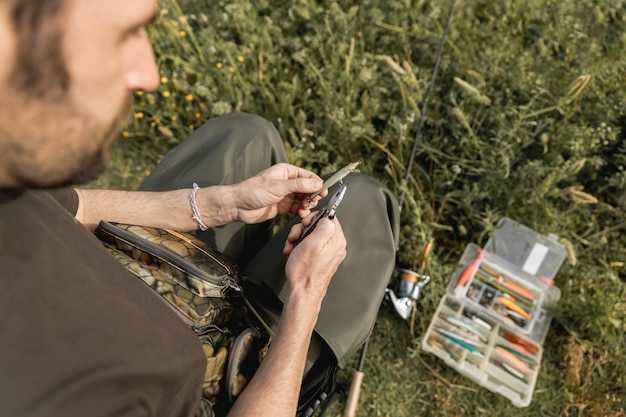 Saltwater Fishing – Five Essential Tips to Hook and Land More Fish">

Choose a versatile gear setup: a medium-action rod paired with 20–40 pounds braided line and a 20–30 feet fluorocarbon leader for inshore waters. This combo stays ready on a boat or from shore and improves bite detection and hook retention. If that setup doesnt fit your target, tweak the leader length or drag in small increments to keep you ready for quick changes.
Match your bait to the season and the local forage. Here, you’ll find the best results by talking with local captains and checking recent catches. If live bait is available, use shrimp or pinfish for redfish and trout; if not, a bright soft-plastic lure with a light jig head can work well. Bonus: a natural presentation reduces misses and keeps you positive. Be observant of current and depth to keep the lure at the right level.
Read current and structure for better strikes. Inshore waters often hold fish along drop-offs, channels, and grass lines, so scan tides, depth, and wind to predict where the fish are. Use a depth finder or local charts to identify ledges and weedlines; cast beyond the target and pull toward the edge with a steady, positive retrieve. Being observant about water color shifts and bait activity helps you adjust quickly; this matters for success, backed by research and local reports.
Manage the hook set and fight strategically. When a bite is detected, keep the rod tip up, count a beat, then sweep with a firm, controlled hookset. Let the fish take line gradually to avoid deep-hooking, then reel with a smooth cadence. Start with a drag at roughly one-third of your line test and adjust for target size. This approach works across species, from trout to giant game fish, and increases your land rate when timing matters.
Prepare for rapid changes and have a ready plan. Always carry spare leaders, pliers, and a net in the boat; keep a positive mindset and ready-to-switch lures. If you arent getting bites, switch targets, try a different color, or move 10–20 yards to drop into a new current seam. The internal discipline of staying observant, tracking results, and adjusting quickly often makes the difference between a quiet day and a productive session.
Saltwater Fishing: Five Tips to Hook and Land More Fish; Conservation Best Practices
Get a license and review the guidelines before you start; knowing the rules keeps life in balance and prevents needless losses.
-
Plan your target and gear first. Identify the species you are targeting, then match your rig to the basic guidelines for that fish. Use the right types of tackle and line, and select equipment that supports artificial or plastics baits as appropriate. Keep a simple step-by-step approach: know the season, the depth where the fish feed deep, and the structure you’ll fish. This preparation increases your hook-to-land ratio and reduces time wasted on ineffective setups.
- Choose hooks and leaders that suit the species; consider circle or other appropriate designs to reduce gut hookups.
- Carry a few basic lure options, including plastics and other artificial options, so you can adapt quickly to conditions.
-
Position and presentation matter. Target structure, troughs, and current edges where fish congregate. Toss your bait or lure to the deepest likely pockets, then work it through the current with steady retrieves. Keep the line tight to feel bites, and adjust your depth to keep the connection strong as the fish moves through the water column.
- Try a few techniques to find what works best that day, shifting between slow rolls and snap retrieves as needed.
- Watch for water clarity and tide changes; deep water often holds more activity after a turn in the current.
-
Set the drag and present the hook correctly. Begin with a conservative drag, then test it by reeling against a light pull. If a strike comes, allow the fish to take line briefly before you set, then firm the pull to drive the hook home. This step helps increase the chance of a solid hook-up while avoiding snap-offs in tough conditions.
- During a fight, maintain steady pressure and let the fish run briefly through the drag, then reel back to regain control.
- Keep the connection with steady hands and a smooth, controlled arc of your rod tip.
-
Fight, land, and release with care. When you bring a fish to you, minimize handling time and keep the life of the fish in mind. If you plan to release, use wet hands or a dehooking tool, avoid lifting heavy fish by the jaw, and limit air exposure. If you plan to keep, follow the guidelines on size and bag limits and reset your expectations for future trips.
- If a fish isn’t ready, gently release it back while still submerged to reduce stress.
- After a missed bite, reset your setup and try a different lure type or depth to maintain momentum.
-
Conservation-first guidelines ensure long-term fishing health. Always verify your license status, respect seasonal closures, and avoid targeting protected or vulnerable populations. Use responsible gear choices–prefer barbless or easily removable hooks when possible–and practice catch-and-release with minimal handling. Dispose of plastics and fishing line properly, and pack out everything you brought in. This thoughtful approach keeps life vibrant on fishable grounds and supports ongoing learning for you and future anglers.
- Respect the habitat; fish where your guidelines permit, and never chase fish in protected zones.
- Document yourofficiations and reflect on your learning so you can improve technique without increasing pressure on wildlife.
Targeted, practical tips for saltwater anglers
Plan a pre-trip gear check: inspect line for nicks, replace worn leaders, test the drag on your reel, and wipe salt from everything when you finish. This five-minute routine saves broken leaders and lost fish once you reach the waters.
Protect your skin and hands: sunscreen, long sleeves, and light gloves reduce sunburn and abrasion without adding bulk. If theyre new to saltwater, start with these basics, reapply sunscreen as you check gear after splashes, and keep your hands clean and dry before handling knots and leaders.
Choose leaders and knots that bite on saltwater fish: use fluorocarbon or abrasion-resistant mono, tie a strong knot cleanly, and test the knot by pulling the line to ensure it holds. Your rigging practices should favor abrasion resistance. Include a short back-up leader and keep spare line in a dry pouch on the seat or in a waterproof box.
Handle fish quickly to minimize stress: keep them in the water during unhooking or release, wet hands or use a wet rag, and avoid touching gills. This makes the life of the fish better and you more likely to enjoy a successful, humane release.
Plan after-action cleanup and storage: rinse gear with fresh water, avoid leaving salt on reels, dry everything before packing, and store lines and leaders in a clean, dry bag. This helps your gear last longer and keeps future trips smooth as you prepare for the next waters. The priority is safety and readiness for your next trip.
Select the right rig and tackle for your target species
Choose a Carolina rig for reef and bottom fish, using 20–40 lb braid with a 60–80 lb leader and a 2/0–4/0 hook. For giant pelagic targets, switch to a long‑cast trolling setup with 30–50 lb braid, a 60–80 lb leader, and a 5/0–7/0 hook. These two options cut complexity and keep you moving efficiently, especially when heading into deeper water.
Knowing your environment drives weight, leader length, and lure choice. In difficult current or around heavy structure, add weight and shorten the leader; in calm water with clear surroundings, extend the leader and use more subtle plastics or natural baitfish rigs. Although plans vary, start with gear you trust and adjust as needed. The attitude you bring on deck matters as much as the hardwear you choose, and these tips help your passengers stay calm while you guide the boat toward bites.
These guidelines incorporate both baitfish and artificial options, so you can adapt under changing surroundings. The key is to set up correctly, then familiarize yourself with the currents and bottom contours. Knowing when to switch rigs and how to connect lines keeps your hands free for the next bite, heading toward the next target, and going after the next opportunity with confidence, even if the conditions aren’t ideal.
The setup doesnt require guesswork and works with most species if you stay deliberate. Carefully inspect knots, tie correctly, and check for fray before each cast. Share these practices with your crew, guys, so everyone stays aligned and can help keep the line away from structure, down into the water column, and toward the bite. Your mindset and preparation influence every hookup, so keep your attitude steady and your movements deliberate for better results yourself.
| Target species | Recommended rig | Line/Leader | Hook size | Notas |
|---|---|---|---|---|
| Snapper/Grouper (reef/bottom) | Carolina or bottom rig | 20–40 lb braid; 60–80 lb leader | 2/0–4/0 | Present baitfish or artificial baits close to structure; use a moderate sinker |
| King Mackerel (pelagic) | Long‑cast trolling rig or sliding‑sinker rig | 30–50 lb braid; 60–80 lb leader | 4/0–7/0 | Consider wire leader for teeth; use fast‑moving plugs or live bait |
| Amberjack / Giant trevally | Heavy bottom or jigging rig | 60–100 lb braid; 80–120 lb leader | 5/0–7/0 | Be ready for hard pulls; stay tight and move with the fish |
| Barracuda | Quick‑strike or wire‑leader rig | 50–80 lb mono; 60–100 lb leader | 4–5/0 | Sharp hooks; avoid slack in the presentation |
Time your bite by tide, current, and lunar phase
Time your cast for the 60–120 minutes after a tide turns, when currents surge and bites rise. Follow local tide charts and target channels, ledges, and eddies along the coast where waters funnel bait and predators.
- Timing by tide: fish the last hour of the incoming tide and the first hour of the outgoing tide, then again near the peak of the next tide. This keeps your lure in the solid strike zone where many species patrol the edges.
- Current and location: seek a seams or drop where moving water concentrates bait. Cast behind structure, work lures through the edge, and maintain a clean, taut line so you can react quickly to a bite.
- Lunar phase: during new and full moons, tides run bigger and bite windows widen. Stay longer on a promising spot and target deeper channels or steep drops where current is strongest. In quarters, expect shorter windows and adjust by moving sooner between spots.
- Lure and tackle approach: pick types of lures that ride the current–clean soft plastics, spoons, plugs, and jigs. Use solid lines, a smooth reel, and a grip that keeps you locked in as you drive the lure along the boundary.
- Technique: start with a medium retrieve near the bottom, then vary speed and pauses to provoke bites. If your line is coiled behind the rod tip, check the spinning setup and shorten the leader to keep the lure hooks in play.
Bonus: keep a quick log of location, conditions, and what produced bites; much of success came from following a simple pattern on your local waters. Master the timing, follow the water, and you’ll stay ahead of the fish as you fish their waters.
Match lures, colors, and retrieve style to depth and habitat
Start with a 1/2-ounce jighead paired with a 4–5 inch paddle-tail soft bait, run on 20–30 pounds braided line with a 30–40 pounds fluorocarbon leader. Keep tight, clean line on a sturdy reels, and use a two-beat retrieve with a short pause so the lure sinks into the strike zone. If theyre biting, stay with this setup for several casts; if not, switch to a slightly heavier jig or a brighter color, using the same rig and re-timing after a few casts. Check for coiled line and fix before casting.
Depth guides retrieve style. In 0–15 ft open flats, keep the lure near the bottom with a slow-roll and 2–3 second pauses. In 15–40 ft, steady, 1–2 pulls per second with short lifts; in 40+ ft, long sweeps along the bottom with 3–4 second pauses to draw strikes from bottom-hugging fish.
Colors should match water clarity. In clear water, choose natural tones–bone, green-silver, and pearl. In stained water, go chartreuse, lime, or orange for visibility. In dirty water, use high-contrast blue/black combos, and consider glow options for low-light sessions. Use fresh lures and rotate some colors to keep everything effective across times and locations.
Habitat matters. Target points, drop-offs, weed edges, and channel edges where life concentrates; cast ahead of current seams and reel toward the flow to keep the lure in the strike zone. Behind structure lies the most bites, so work the edge and then fan to nearby holes or pockets along the point for more solid hookups.
Tactics with chum. A light chum trail behind the boat can lift activity and increase success behind the point. Use this tactic in local locations with a steady current; keep the chum fresh and spread it evenly to avoid drawing attention away from the lure. This approach helps themre to key in on your rig and stay there longer, boosting your odds of a solid catch.
Gear care and life of tackle. Salt is corrosive; rinse reels and rods after every trip and dry everything before storage. Inspect hooks, re-tie as needed, and replace worn leaders promptly. Keep reels lubricated and store gear in a clean, dry place so everything remains ready for the next outing.
Record the results. Log depth, locations, lure and color, retrieve style, and the outcome; note the times of bites and which combinations delivered the most success. Use this data to refine your tactic and keep every session productive, even when conditions shift.
Learn proper landing and fish handling to reduce stress and loss
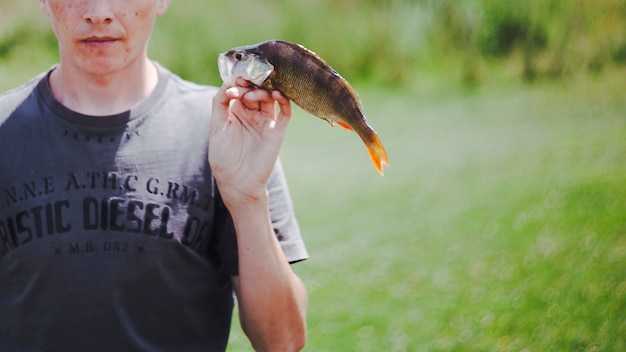
Keep the fish in the water or in a wet net and unhook within 20 seconds to reduce stress and loss.
Support the fish with both hands: one under the belly behind the pectoral fins and the other near the tail, cradling the body rather than grabbing the jaw, without squeezing.
Although you aim for a quick release, use needle-nose pliers to remove the hook; if the hook is barbed, twist gently and back it out; if you cannot, cut the line and move on. Then check the knot and prepare for the next cast.
Limit air exposure to under 20 seconds; when lifting, keep the body flat and minimize spinning or wriggling.
Use a rubberized, knotless net and bring the fish into the water slowly to protect the slime coat and reduce trauma.
Revive the fish in the current with slow, smooth motions for 1-2 minutes, until it shows life that lets it swim away.
As an angler, make this part of your lifestyle; involve kids, youre picking up these practices, and next times through each fishing trip you’ll strengthen the connection with the water and reduce losses.
Adjust to different species with versatile handling, change grips as needed, and tailor your approach to the water conditions; attention to detail boosts your successful returns across times on the water.