


 Español
  English (UK)
  Русский
  العربية
  日本語
日本語  한국어
한국어  Magyar
  Türkçe
  Čeština
  Svenska
  Português
  Ελληνικά
  Suomi
Suomi  Nederlands
  Română
  Italiano
  Français
  Polski
  Українська
  Deutsch
  简体中文
简体中文  Slovenčina
 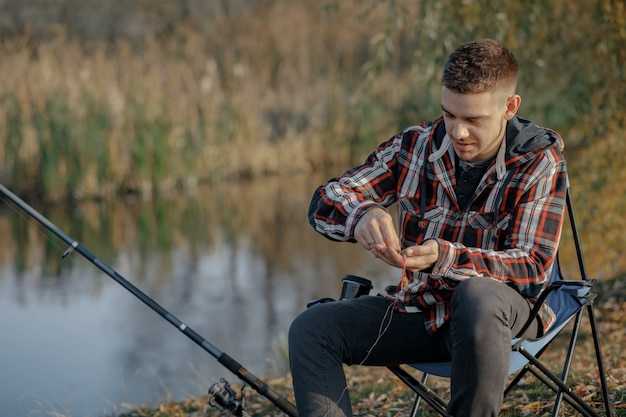 Phil’s Top 10 Bass Fishing Myths – Debunked and Explained">

Recomendación: Si quieres resultados consistentes, comienza cada viaje con uno proven establece y mantén un registro simple para probar mitos, porque los datos superan las conjeturas. Usa una caña de 7 pies de longitud, de potencia media-pesada, línea de fluorocarbono de 15–25 lb con un líder de 2–4 pies para controlar la longitud y pesca con un jig de 3/8 oz o un spinnerbait. Esta base te ayuda a comparar qué funciona y qué no a lo largo de las salidas.
Mito 1: La lubina solo pica al amanecer. Realidad: en Florida y más allá, las picaduras se distribuyen a lo largo del día; en Florida, las bahías posteriores al desove a menudo muestran actividad desde finales de la mañana hasta primeras horas de la tarde a medida que el agua se calienta. Espere las mejores picaduras alrededor de las 10:30–13:00; use poco calado cebos cerca de las líneas de hierba y los muelles, y reel con un ritmo constante, haciendo una pausa breve para imitar a la presa. Si pasaste años persiguiendo la luz temprana, prueba un patrón de mediodía y toma notas; encontrarás más oportunidades.
Mito 2: El color lo es todo. Realidad: la claridad del agua importa, pero la presentación a menudo gana. Úsela partidos a acuarela con dos patrones por cebo y cambio después de 10–15 lances si no hay picadas. En aguas claras, los patrones naturales superan a los tonos llamativos; en aguas turbias, las opciones más brillantes ayudan, pero la cadencia y la profundidad son decisivas. Presente el señuelo cerca de la estructura –los bordes de la maleza, los muelles y los árboles caídos que realmente pesca– y recuerde que el olor puede ayudar si se usa con moderación mientras using Con dos cebos de forma eficaz, a menudo se ven más picadas.
Mito 3: Las líneas más largas o los carretes más grandes producen automáticamente lanzamientos más largos. Verdad: la precisión, el control de la profundidad y las recuperaciones oportunas ganan más a menudo. Para la mayoría de los métodos, un 6.5–7.1:1 reel con 12–20 lb lines funciona; mantén un líder corto (2–4 pies) para mejorar la sensación y mantener los anzuelos afilados. En coberturas densas, el hilo trenzado mejora la sensibilidad, pero combínalo con un líder de fluorocarbono para protegerte contra enganches. Si sientes resistencia física, ajusta tu reel velocidad y recogida de línea; ya que quieres resultados consistentes, practica lances precisos alrededor de la cobertura y re-atar después de cada pez.
Una vez que apliques este enfoque, everyone puede probar afirmaciones sobre el agua; a lo largo del año que pasó en el lago, en cada salida verá patrones que los mitos no pueden explicar. Keep tus notas, take fotos de portadas y estructura, y iterar para perfeccionar tu entendimiento de qué funciona donde has pescado más.
11. Las lubinas solo comen por la mañana y por la noche.
Recommendation: No asumas que los róbalos solo comen al amanecer o al anochecer; los pescadores experimentados buscan picadas durante el día prestando atención a la temperatura, la luz y la cobertura, y luego ajustan su equipo en consecuencia. Si has pescado con este patrón antes, notarás más oportunidades más allá de la mañana y la tarde.
Las temperaturas del agua entre 15–24 grados Celsius favorecen las picadas frecuentes, siendo las horas de la mañana y el final de la tarde los momentos de mayor actividad. En el período de desove, la lubina se traslada a zonas poco profundas durante varias semanas, pero también se alimenta a lo largo de los bordes de la vegetación, los declives y las puntas durante el día. En los embalses de Texas, el forraje cambia con el sol y el viento, por lo que los patrones varían de un lago a otro; comience con estructuras cerca de las orillas y siga las térmicas a medida que avanza la semana. A menudo se necesita una buena configuración de caña y sedal para mantenerse conectado con los peces que se alimentan en aguas más profundas cuando sale el sol, y las picadas pueden ser muy agresivas cuando se localiza la profundidad y la cobertura adecuadas.
Desmintiendo mitos: la alimentación diurna existe en porciones del día y depende del clima, la presión y la luz. Si el agua está clara y el sol alto, la lobina puede permanecer en zonas más profundas o suspenderse; si está nublado o hay viento, se acercan a la orilla y muerden cerca de la cobertura. Prestar atención a la claridad del agua te guiará al objetivo correcto (bordes de maleza, muelles y declives), independientemente de la hora. Retirar rápidamente un señuelo atascado ayuda a mantenerte en la acción y reduce la fatiga en los peces.
Tácticas eficaces en todos los momentos del día: elija cebos que cubran profundidad y movimiento. Por las mañanas, los peces suelen preferir zonas cerca de la cobertura a lo largo de los bordes; por las tardes, cambie a cebos en movimiento que cubran el agua rápidamente. Use un crankbait sin labios de 1/2–3/4 oz o un swimbait de 3–4 pulgadas; desplácese con el viento para mantener la presentación. Comience alrededor de las líneas de maleza a 2–6 pies, ajuste a 6–12 pies a medida que el agua se calienta.
Esto es asombroso porque los recovecos parcialmente sombreados responden a lo que se les presenta; cualquier cosa que imite a un pececillo huyendo con una pausa natural provocará picaduras. Pruebe con swimbaits de recogida lenta o crankbaits pequeños cerca de los extremos de las líneas de maleza; presente una acción natural y una pausa para provocar un ataque.
El posicionamiento importa: comience al pie de un promontorio o en el borde de una línea de malezas; sostenga el cebo en las transiciones de la estructura donde se alimentan los peces. En varios cuerpos de agua grandes, apunte a una profundidad de 8 a 15 pies temprano y baje a 4 a 8 pies a última hora de la mañana a medida que el sol sube; realice un seguimiento de los grados de luz solar y ajuste el ritmo en consecuencia.
Durante las semanas posteriores al desove, la alimentación puede seguir siendo intensa; adáptese aumentando la velocidad después de que el agua se caliente por encima de los 21 grados Celsius. Si un lago comenzó la temporada con eventos de repoblación, es posible que vea mordeduras agresivas en la superficie por la mañana, y luego los cardúmenes de mediodía se mantendrán fuertes durante toda la semana.
Lleva un registro sencillo de grados, horas y resultados para afinar el patrón a lo largo de la semana; casi a diario puedes verificar patrones variando horas, cebos y profundidades en lugar de limitarte a la mañana y a la tarde, y este enfoque es mejor para adaptarte a los frentes cambiantes.
Qué desencadena la alimentación diurna de la lubina: temperatura, niveles de luz y oxígeno
Comienza apuntando a las zonas poco profundas cuando el agua de la superficie oscila entre 15 y 24 °C (60–75°F); estas temperaturas empujan a las lobinas a los primeros 1–2 metros (3–6 pies), donde se concentra la presa y la luz calienta el agua. En los lagos actuales, las variaciones diarias modifican dónde se forman estas bolsas, así que toma lecturas en varias bahías y observa qué zonas se iluminan primero. Estos aspectos guían tu plan: usa un termómetro de mano rápido para trazar un mapa de los puntos cálidos cerca de las orillas con vegetación, los muelles y las costas, y luego quédate con la cobertura que muestren los peces.
La luz y el oxígeno marcan el ritmo: cada vez que el sol asciende, las lobinas se congregan en los bordes iluminados por el sol, donde se forman bolsas cálidas y los peces de cebo se mueven a lo largo de las líneas de maleza y los puntos poco profundos, especialmente en los días claros. La penetración de la luz varía según la claridad del agua; según lo muestra la cobertura del sonar, mantén la profundidad en la capa iluminada y ajusta la profundidad de tu señuelo en consecuencia. En aguas claras, puedes pescar en aguas menos profundas más temprano; en aguas turbias, permanece en esa banda iluminada un poco más profundo. Los niveles de oxígeno aumentan con la mezcla del viento y la corriente, expandiendo las ventanas de alimentación cerca de las entradas, los flujos entrantes y las zonas aireadas; estas bolsas son ideales para un ataque rápido. Si tu lago tiene sistemas de aireación, estos aumentan el oxígeno justo aquí y pueden extender el tiempo de alimentación.
Movimientos prácticos: lance hacia las líneas de maleza, los declives y los bancos de peces pasto; use señuelos de natación y señuelos de poca profundidad para mantener una cobertura constante. Comience con perfiles más pequeños y esté preparado para cambiar a un solo cebo más grande si la actividad aumenta. A medida que avanza la temporada, los peces pasto crecen, así que ajuste la profundidad y el tamaño del señuelo para mantenerse al día. Muévase físicamente con los peces y lance con una cadencia constante; cuando la mordida disminuya, muévase a aguas más profundas y apunte a la termoclina o a los canales ricos en oxígeno, que pueden convertirse en un patrón diurno confiable a medida que avanza el día. En cuanto a la elección del señuelo, los señuelos de natación y los cranks que cubren el agua rápidamente funcionan bien, pero mezcle presentaciones más lentas en períodos de calma para provocar picaduras de peces menos agresivos; a veces, un señuelo sutil y más pequeño provoca más picaduras que un señuelo ruidoso. Sin dudarlo, mantenga la cadencia constante y aproveche estas condiciones.
Mitos y realidades de la luz del día: la ventaja del amanecer/atardecer no es universal
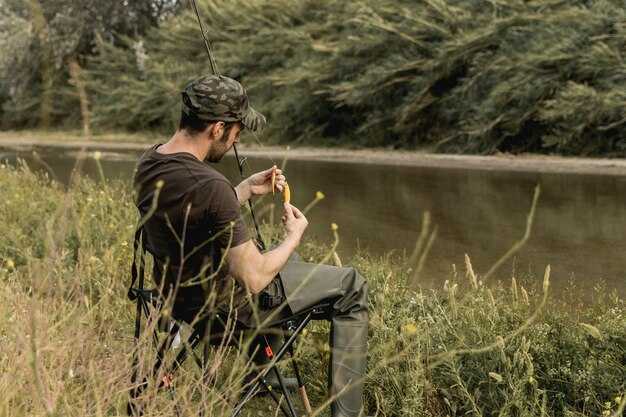
Comienza con un plan simple y práctico: registra los momentos de actividad en tres períodos clave y guarda los resultados en un pequeño registro. Las pruebas de campo de hoy demuestran que el amanecer y el atardecer pueden ayudar en algunos lagos, pero no garantizan el éxito cada semana ni en cada estructura. Realizadas durante una semana alrededor de diferentes orillas y líneas de vegetación, los patrones cambian con los frentes, el viento y la coloración del agua. Reaccionarán a las condiciones cambiantes, así que mantente flexible.
Mito vs. realidad:
- El mito de que el amanecer y el atardecer son siempre los mejores momentos. Realidad: Las condiciones locales determinan el pique. En algunos lagos, los bordes poco profundos y las líneas de maleza pican mejor a primera luz; en otros, un avance tardío a lo largo de los declives o las orillas de los canales produce la mayor acción. La claridad y la temperatura configuran el periodo ideal para cada estructura y orilla.
- El mito de que debes pescar rápido para conectar en esas horas. Realidad: Una presentación bien sincronizada con una cadencia equilibrada cerca de estructuras y coberturas a menudo produce más picadas. Comienza con una recuperación constante y ajusta la velocidad a medida que cambia el color del agua.
- El mito de que la ventana del amanecer/atardecer dura toda la semana. Realidad: Los frentes y los cambios de viento comprimen o extienden las ventanas de pique. Rastrea las causas semana a semana y adáptate al patrón de cada lago.
- El mito de que las orillas son los únicos lugares productivos al amanecer/anochecer. Realidad: Los muelles, los bordes de la maleza, las puntas y los salientes ofrecen oportunidades; adecua tus elecciones al día y a la orilla en la que pescas, y mantente listo para moverte.
- En lagos mixtos con lucios, los tiempos pueden variar. Si los lucios comparten el agua, ajusta tus anzuelos y señuelos y apunta a diferentes estructuras; la lógica de la presentación y la profundidad sigue guiando las picadas de la lobina.
Conclusiones prácticas para el plan de hoy: utiliza una presentación flexible que se pueda ajustar en la orilla o en el bote. Colorea tu señuelo según el color del agua; en agua clara, utiliza colores naturales; en agua turbia, usa colores más brillantes para mejorar la visibilidad. Mantén los anzuelos afilados y listos; guarda montajes de repuesto en un sistema de almacenamiento compacto. Realiza pruebas rápidas alrededor de cada estructura (líneas de maleza, desniveles y canales) y registra los resultados para perfeccionar tu enfoque. En los mejores momentos, comienza con un toque ligero y ajústalo a medida que los peces se comprometan. Cada lago y una vida de pesca se vuelven más predecibles cuando registras los resultados y perfeccionas tu patrón.
Cómo identificar las picadas de mediodía: señales, profundidad e indicios de la estructura
Comienza usando el sonar para localizar grupos de cebo alrededor de estructuras clave y luego ataca con swimbaits más pequeños y rápidos que coincidan con la presa que te rodea.
Las picadas del mediodía no son dramáticas; se muestran como un rápido tirón de línea, una breve mordida después de una pausa o un cambio sutil en el gráfico cerca de la profundidad que estás escaneando. Si notas estas señales mientras sigues un borde de maleza o un declive, mantente agresivo y haz un segundo lanzamiento en 10 segundos.
Profundidad: en días de agua clara, los peces se acercan a la orilla, entre 1,8 y 3,6 metros, cerca de los bordes de la vegetación y los salientes; en aguas turbias, de 3,6 a 6 metros, revisando cuidadosamente los salientes y promontorios a profundidades de entre 4,5 y 7,6 metros. Cuando veas objetivos suspendidos entre 2,4 y 4,2 metros, cambia a una presentación menos profunda para conseguir que piquen.
Señales de estructura: busque zonas de transición donde las líneas de vegetación acuática descienden hacia aguas más profundas, pilas de maleza colocadas cerca de puntas, pilas de rocas en los bordes de bancos de arena y madera cerca de las curvas de los canales. Estos lugares concentran a las presas y ofrecen las mejores oportunidades para una picada rápida cuando el sol está alto.
Estrategia de aparejos y señuelos: lo mejor es tener dos montajes listos: swimbaits para buscar en profundidad y un señuelo de finesse más pequeño para sondear alrededor de la estructura. Coloca un montaje cerca del borde de la embarcación y el otro hacia el centro para cubrir ambos lados de una punta. Guarda aparejos y swimbaits de alta calidad en una bolsa de almacenamiento de acceso rápido para que puedas cambiar rápidamente a medida que cambie la picada. El sistema te ayuda a mantenerte en la picada incluso cuando la acción se intensifica en una esquina o un saliente. Elige un color que se parezca a la presa local.
Si fallas una picada, ajusta la profundidad un poco y cambia a un color que se asemeje a la presa local. Reanuda con una recuperación rápida y precisa, y mantén la punta de la caña alta para sentir las picadas sutiles; llegarán si te mantienes proactivo.
Comparta los hallazgos con la comunidad pesquera y los investigadores en pesquerías; esta información de alta calidad ayuda a proteger las pesquerías y reduce el daño a las poblaciones vulnerables. Al mantenerse consciente de la disciplina de almacenamiento y la práctica de los aparejos, mantiene el recurso saludable para las futuras temporadas y para el deporte que ama.
Tácticas de temporada para oportunidades de alimentación durante todo el día
Comience con un plan de tres zonas: zonas de desove poco profundas al amanecer en primavera, estructuras de profundidad media a última hora de la mañana y cobertura profunda a medida que el día se desvanece. Esto mantiene al pescador en contacto con las picadas más deseadas durante todo el día y reduce la fatiga de búsqueda.
La primavera prepara a la lubina para una mordida rápida y fuerte justo después del deshielo. Céntrate en 0–2 metros alrededor de los lechos primarios durante las dos primeras horas de luz; si el desove está activo, pesca únicamente en las zonas de desove con cebos pequeños y de movimiento rápido como jerkbaits o swimbaits. A medida que el sol sube, baja a 2–4 metros a lo largo de las líneas de maleza y las líneas de ruptura adyacentes a las estructuras donde los peces se colocan antes/después del desove. Utiliza topwater para provocar enredos, luego cambia a drop-shot o ned rigs cerca de la cobertura para la alimentación más constante posterior al desove. Si hay grandes variaciones de un lago a otro, adapta la profundidad y la cadencia, y ten a mano una opción más profunda para las últimas horas de la mañana. A lo largo de los años, los estudiantes de la pesca deportiva han aprendido que un plan flexible supera a un solo señuelo siempre.
El verano exige eficiencia a medida que suben las temperaturas y los peces se refugian en zonas más frías. Apunta a profundidades de 2 a 6 metros a lo largo de los bordes de la maleza y los puntos donde la termoclina concentra la vida; trabaja el borde con presentaciones rápidas y que cubran mucho. Los crankbaits squarebill o lipless provocan picadas por reacción en coberturas duras poco profundas, mientras que los spinnerbaits y los plásticos de profundidad media retienen a los peces a lo largo de las líneas de maleza. Si localizas un banco, quédate y no cambies de lugar; la mayoría de las picadas se producen en intervalos estrechos cerca del amanecer o el atardecer. Cuando el calor alcanza su punto máximo, desplázate a profundidades de 6 a 9 metros en montículos más profundos o curvas de canales cerca de estructuras importantes. Para la búsqueda, visita varias estructuras por viaje y afina con la electrónica. Recuerda que otros pueden estar buscando walleye en los mismos lugares, así que ajusta el ritmo para mantener al bass interesado sin sobremuestrear una sola característica. Años de notas de campo demuestran que este enfoque equilibrado produce una acción constante sin necesidad de equipos costosos.
En otoño, el calendario de alimentación cambia hacia la búsqueda de basses gordos después del desove que patrullan los bordes de las estructuras. Comienza de 2,5 a 5 metros en puntas, salientes y donde la última línea de maleza se estrecha hasta un corte. Los crankbaits sin labios y con sonajero atraen a los bancos activos; cambia a jigs y spinnerbaits cuando los peces se aprietan a la cobertura más profunda o se trasladan a aguas abiertas. La mejor actividad se produce al amanecer y de nuevo al atardecer; utiliza un ritmo que cubra el agua rápidamente, y luego reduce la velocidad para apuntar a los focos prometedores. Espera peces más grandes en estructuras más profundas a medida que el agua se enfría; ten a punto una opción de aguas profundas y adáptate a la cubierta de nubes que cambia la ventana de la picada. La verdad es que la flexibilidad en la elección del objetivo supera a la terquedad; ten un par de cañas preparadas para cambios rápidos. El enfoque está bien probado a lo largo de años de viajes de guía e informes de pesca.
El invierno reduce la ventana y ralentiza el ritmo, pero las picadas constantes provienen de aguas más profundas cerca de estructuras. Concéntrese en profundidades de 15 a 40 pies utilizando cucharillas verticales de jigging, tube jigs y aparejos drop-shot sensibles que cuelguen justo por encima del fondo. Mantenga una cadencia deliberada: sienta cómo se arrastra el jig, luego haga una pausa y luego levántelo para comprobar si hay picadas. Las estructuras siguen siendo el ancla, así que localice pilas de rocas, maleza y madera sumergida en las líneas de quiebre; el pescador debe utilizar la electrónica para confirmar que los peces se mantienen y para evitar búsquedas interminables. Las horas de acción dependen del clima; planifique de 2 a 3 ventanas sólidas alrededor del mediodía en días despejados, con un plan de respaldo para los períodos nublados que pueden impulsar la picada a la madrugada o al final de la tarde. En resumen: tenga paciencia, mantenga la búsqueda ceñida a las estructuras conocidas y ajústese a la claridad del agua según sea necesario.
| Season | <th Rango de profundidad (pies) | <th Consejos Rápidos | |||
|---|---|---|---|---|---|
| Spring | zonas de desove poco profundas, líneas de vegetación acuática, canales de arroyos | topwater, drop-shot, ned rig, swimbaits | 0–12 | amanecer y final de la mañana | ten dos configuraciones listas; varía la profundidad después de que le dé el sol; observa el momento de desove específico del lago |
| Summer | bordes de maleza, puntas, montículos, cerca de la termoclina | crankbaits de babero cuadrado, crankbaits sin labios, spinnerbaits, plásticos de profundidad media | 6–30 | dentro de 1 a 2 horas después de la salida y la puesta del sol | buscar múltiples estructuras por viaje; adaptarse a la claridad del lago; la lucioperca puede compartir cobertura |
| Fall | puntos, salientes, últimas transiciones de la línea de maleza | lipless/crankbaits, jigs, spinnerbaits | 8–20 | amanecer y anochecer; variable según el clima | Cubre el agua y luego refina; espera peces más grandes en estructuras más profundas. |
| Winter | estructura profunda, pilas de rocas, madera hundida | cucharas verticales, cucharas jigging, drop-shot | 15–40 | ventanas de tiempo cortas alrededor del mediodía | use la electrónica para localizar bolsas; mantener la paciencia y la precisión |
Equipo, cebos y aparejos para pescar lubinas durante todo el día
Comienza con un equipo versátil para todo el día: una caña de 7’3″ de potencia media-pesada, un carrete rápido de 7.5:1 y línea principal de fluorocarbono de 12–15 lb con un backing de braid de 20–40 lb. Esto te permite hacer lances más largos y mantener la presión mientras un pez lucha. Para lobinas alrededor de estructuras, ata un jig de 3/8 oz con un trailer tipo craw; para aguas más profundas, cambia a un football jig de 1/2 oz para alcanzar el fondo rápidamente. Este artículo va al grano sobre el equipo que funciona para pescar todo el día.
Al comenzar el día, con la primera luz, opta por un popper de superficie o un squarebill que cree un destello rápido para atraer a los peces desde su escondite. Lanza cerca de estructuras, luego haz una pausa y un movimiento brusco; la primera picada a menudo lleva a una pelea rápida. A medida que el agua sube al rango de 60–65 grados, cambia a un crank sin labios o un chatterbait para localizar a los peces activos y cubrir agua. Apunta tanto a la lobina negra como a la lobina pinta a lo largo de los bordes de las malezas y alrededor de los muelles cerca del área que escaneaste antes.
El mediodía y la tarde requieren presentaciones más deliberadas. Prueba con un drop-shot y un cebo pequeño para mantenerlo en la columna media cerca de la estructura; un Ned rig también funciona para basses más pequeños en cobertura densa. Para aguas más profundas o vegetación espesa, un Carolina rig o Texas rig pueden mantener el contacto con el fondo. Si la vegetación se vuelve más densa, usa un enfoque de eliminación de maleza con un punching rig para permanecer en el corazón del lecho o en el borde. Cuando se vea una picada, responderán a la cadencia, y debes levantar rápidamente la caña para clavar. Muévete a la siguiente ruptura y vuelve a lanzar para mantener la presión sobre el pez.
Después de desovar o en los periodos posteriores al desove, adáptate al historial de repoblación y a la mezcla genética del lago. Utiliza un swimbait llamativo o un jig de ascenso rápido para provocar picadas en los bancos más profundos, especialmente cerca de coberturas más oscuras. A medida que el sol se mueve, vuelve a lanzar más lejos hacia la siguiente punta iluminada por el sol. Si la picada disminuye, cambia el color y la velocidad para mantener el interés; los cambios en la luz y el viento exigen una lectura y ajuste constantes, o corres el riesgo de perder el momento.