


 Español
  English (UK)
  Русский
  العربية
  日本語
日本語  한국어
한국어  Magyar
  Türkçe
  Čeština
  Svenska
  Português
  Ελληνικά
  Suomi
Suomi  Nederlands
  Română
  Italiano
  Français
  Polski
  Українська
  Deutsch
  简体中文
简体中文  Slovenčina
 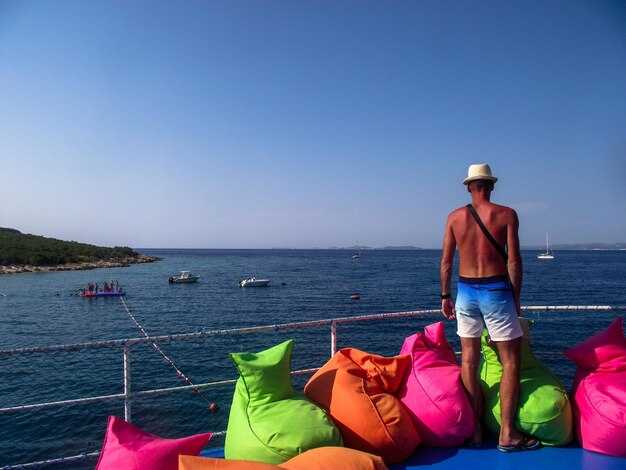 Panama City Beach Fishing Charters | Best Guided Trips, Half & Full Day Adventures">

Plan a four-hour outing with certified captains to target pompano and king mackerel for maximum bites and memories. This shorter option suits families or groups with tight schedules, giving you a solid baseline for what to expect on the water.
In the Florida Panhandle gulf coast waters, anglers routinely pull larger pompano and fighting king mackerel when conditions align. Each outing is tailored by the world-class team to the weather, tides, and the target list, using top-grade rods and reels that are regularly inspected for safety and performance.
Looking for a top operator? Seek a crew with a proven track record, a team of captains who are certified, and a professional guide who plans every outing before arrival. The place offers convenient parking, and the dock area supports quick access to the boat, reducing stress before you set off.
What to bring? whats more, sun protection, polarized glasses, a hat, water, and light layers. Arrive 15 minutes early to check in, and review the plan with the captain. Parking near the dock is typically available, with signage and attendants directing guests onto the pontoon when ready.
These experiences deliver memories that shine like stars and offer an unparalleled opportunity to learn from a team that were born to read the water. You have the chance to watch captains work with the tide, giving you insight into how to read the current and target the best spots, from structure to the edge of the reef. Before you go, ensure you have the right plan, know what you want to chase, and feel confident in the guide’s hands.
Panama City Beach Fishing Charters: Best Guided Trips, Half & Full Day Adventures; 2 Seadoo Fishpro Trophy Jetski Rentals in Panama City Beach, Florida
Check the two Seadoo Fishpro Trophy jetski rentals for nearshore action; august slots fill quickly, read the details, and contact dedicated staff to target ideal sessions for everyone on board.
Across the gulf coast, these machines deliver unparalleled performance with casual, clear handling; capt. know the best routes, along with town docks and anchor spots for quick pickups.
Year-round availability makes it easy to plan; browse schedules, know what to expect, and pay with a card. If you found this, there is a dedicated team ready to help, and everything is arranged for safety and fun.
On the water, mahi and vermillion snapper show up near offshore ledges; orange hues at dawn signal larger fish along the reefs, giving anglers chances to reel in something memorable after each pass.
To maximize the experience, pack light, hydrate, and follow the brief; there is always something to learn, and a dedicated crew ready to guide; cruises depart from a town pier and wind along the coast, with boats and anchor stops built for comfort.
Half-day charter: itinerary, inclusions, and target species
Typically, a half-session starts at sunrise or a late-morning window, with about four hours on saltwater. Your guide will know the best routes for wind and tide, then shift between a reef edge and nearshore ledges to cover multiple spots. In summer, visibility improves and wildlife activity rises, so expect quick bites and steady action before returning to the harbor, depending on the location there.
Included: licensed captain, vessel, safety gear, rods, reels, lines, hooks, and basic processing. Fuel is covered; after the session, you can have fish cleaned. addons such as live bait, premium tackle, and long-range options can be added to tailor the experience.
Target species include redfish on schooling flats and cobia cruising nearshore structure. Trophy chances exist when current and bait align, with summer often delivering the best opportunities. Other common catches include snapper and pompano; wildlife such as dolphins appear on the move, adding excitement.
Beginners are welcome; the pathfinder approach keeps learning steady: basic knots, casting, and bite detection. Brandon and John help with rigging and safety on every drift, supporting beginnings in saltwater angling and helping you build confidence for the next outing.
Want to reserve? Here are options: choose a morning slot or a flexible window to fit your plans. Gift card options allow gifting the experience. To reserve, select a date and location, then submit the request; once booked, you’ll receive a confirmation with the marina and a card number.
Full-day charter: schedule, inclusions, and trip length
Start at sunrise with a saltwater itinerary aboard reliable yachts; an eight-hour program focuses on education, safety, and productive bite windows along the coast.
Schedule: check-in 7:30 AM, cast off 8:00 AM, mid-morning rigging and baiting, optional lunch stop, return near 4:00 PM. Think through weather and wildlife patterns to align with peak activity along offshore structures. This option remains flexible only when conditions permit.
Included essentials: captain and crew, vessel insurance, licenses as required, tackle, rods, reels, lines, hooks, ice, water, and non-alcoholic drinks; rental gear is available on request; safety gear is provided for all guests; large groups accommodated. A hand is available to assist guests as needed.
Trip length runs about eight hours on the water, with a wide cruising radius; common routes head along nearshore reefs and passes. The plan remains flexible to weather and wildlife, with captain-led decisions guiding the day; peak activity often occurs late morning through early afternoon, so starting earlier can boost bites.
Our captains know the area well and are responsive to conditions; Mike and the crew help you set up rigs and share insights; guardapproved Avalon Funship configuration is designed for comfort and safety, head forward planning, and easy access to the rail. The experience is made to feel smooth and consistent.
To avoid disappoint, book well in advance; December demand can spike. Ask questions about gear options, rental timelines, and port docking; the crew is responsive and here to help with every detail.
Your guide team made the effort to tailor this outing to your needs; thanks for choosing a day that blends saltwater adventure with education and funship standards. If events or news require adjustments, we head forward with you, keeping your comfort and safety in focus, and ensuring your experience is memorable with hands-on learning and plenty of action.
Seadoo Fishpro Trophy Jetski Rentals: specs, safety gear, licensing, and booking tips
Rent a FishPro Trophy rental with USCG-approved life jackets, a whistle, a lanyard, and a waterproof bag; this setup definitely boosts safety during deep-sea runs and lets you focus on memories rather than gear concerns. With seating for 2–3, it handles gulf waters nicely, making it ideal for couples, families with kids, and solo adventures alike today.
Key specs to verify: Rotax 1630 ACE HO engine delivering strong, responsive power; iBR braking and reverse for controlled stops; adjustable trim for stable tracking in varying conditions; ample rod holders and a broad deck for casting techniques; durable hull designed for shallow spots and deeper water, plus multiple storage compartments for gear and catch.
| Feature | Details |
|---|---|
| Engine | Rotax 1630 ACE HO, about 170 hp |
| Top speed | Fast and stable, optimized for short gulf outings |
| Asientos | 2–3 riders |
| Fuel capacity | Mid-range capacity; verify with rental provider |
| Material de seguridad | USCG-approved PFDs, whistle, lanyard, dry bag |
| Features | iBR, GPS-ready display, rod holders, fish-gear compatibility |
Licensing basics: carry a valid photo ID and meet age requirements (typically 18+); a boating-safety certificate is commonly required, and many operators offer on-site safety briefings. Since rules vary, confirm the exact documentation with the rental shop before arrival; some shops also require a quick online check or waiver signature to cover use in the gulf region.
Booking tips: reserve early to lock a preferred window, especially for weekend events and seasonal runs; review cancellation terms and fuel policies; confirm inclusions such as safety gear, life jackets in multiple sizes, and kid-friendly options; ask about a captain’s briefing if available, and request a quick launch and retrieval walkthrough with Logan or another captain before heading out. For optimal results, plan a late-morning or early-afternoon session to avoid intense sun and wind, ensuring a grand experience with dolphins, soft waves, and a chance to spot redfish, snapper, and grouper along known drops. Whats available today can change quickly, so call rentals now to secure your slot and start building memories that last a lifetime.
Prime fishing spots and seasonal patterns around Panama City Beach
Target nearshore ledges and artificial reefs during the spring transition and autumn rebound, anchor 2–4 miles offshore as water warms to roughly 68–75°F; this concentrates predatory schools along the panhandle coast, giving anglers an amazing chance to fill coolers with delicious fillets.
Key spots include: 20–40 feet nearshore ledges, artificial reefs created by debris or structures, passes and jetties, shallow flats that drop into deeper channels, and wrecks with abundant baitfish. Check weather windows and plan for favorable tides; a long run from shore is common, and a pontoon helps in comfort and stability while traveling between spots.
- Spring prime patterns
- Species to target: spotted seatrout, redfish, snapper, and the early amberjack surge offshore. Typical water temps in the 68–72°F range attract active schools along the breakers and sandbars.
- Angling approach: look for scattered bait pods near the panhandle banks; anchor on a rock pile or artificial reef with a drift that covers multiple depths. Education on tides is helpful for positioning, and giving bait a little time to settle often pays off.
- Tactics and gear: bring coolers with lots of ice, use long leaders for tighter casts, and deploy a chum trail to keep spotted species in the area. Weather windows can be fickle, so stay prepared for sudden squalls and adjust as needed.
- Summer patterns
- Especies a esperar: pez rey, cobia, mero y tarpon en ventanas limitadas temprano o tarde en el día. El agua comúnmente alcanza los 25–29°C, y las tormentas eléctricas vespertinas son frecuentes.
- Enfoque de pesca con caña: pescar cerca de estructuras sumergidas y pasos sigue siendo productivo; posiciona los puntos de anclaje para interceptar bancos en movimiento que se desplazan con las corrientes. Consulta las regulaciones para los límites de captura y tamaño estacionales, y elige un lugar con corriente constante para mantener las líneas tensas.
- Tácticas y equipo: mantenga los enfriadores completamente llenos de hielo, prepare líderes largos para peces pelágicos desconfiados y tenga cañas de repuesto listas para cambios rápidos a medida que los bancos se reubican. La costa del panhandle a menudo recompensa a aquellos que se mantienen adaptables en medio de vientos cambiantes.
- Otras notas: las mañanas suelen ser más tranquilas; utiliza esas horas para cubrir múltiples opciones de puntos cercanos antes de que aumente el estado del mar.
- Patrones de otoño
- Especies a perseguir: pez rojo a lo largo de los bordes poco profundos, pargos en los bordes exteriores y peces rey migratorios a lo largo de los desniveles. El agua se enfría hacia mediados de los 70°F, y las horas de luz diurna disminuyen, concentrando las ventanas de alimentación.
- Enfoque de pesca con caña: regresar a repisas prominentes y líneas de arrecife; una deriva paciente a través de múltiples profundidades ayuda a localizar cardúmenes que se alimentan activamente. Los patrones climáticos típicos incluyen vientos más constantes con cielos azules despejados, una excelente visibilidad para los pescadores nuevos en la región.
- Tácticas y equipo: utilice señuelos y poppers visibles al amanecer; ancle lejos de la corriente directa para mantener la posición mientras lanza al borde de la marea. Las regulaciones deben verificarse con anticipación para garantizar el cumplimiento durante las transiciones estacionales.
- Patrones de invierno
- Especies a esperar: sheepshead junto a puentes y estacas, redfish en bahías protegidas y una acción más lenta en alta mar en los arrecifes. Las temperaturas del agua rondan los 60°F, lo que hace que la estructura y el refugio sean importantes para el confort y el éxito.
- Enfoque de pesca: centrarse en las mañanas tranquilas en estuarios y bahías protegidos; los aleros costeros cercanos aún pueden producir, pero la acción requiere paciencia y una técnica precisa. Busque lugares con abundante corriente y actividad de cebo, y planifique días más cortos con verificaciones frecuentes del equipo.
- Tácticas y equipo: empaca capas adicionales y ropa abrigada; mantén el equipo de anclaje confiable para un reajuste rápido en condiciones de viento fuerte. La capacitación sobre las regulaciones estacionales sigue siendo esencial para evitar interrupciones y mantener los viajes productivos.
Las decisiones impulsadas por el clima son las más importantes: cuando aumentan las ráfagas o las mareas, cambie a lugares más cercanos y tranquilos y acorte las líneas para mantener el control. ¿Busca una experiencia de primera categoría? Concéntrese en sesiones ancladas cerca de grupos de estructuras submarinas que atraen mucha actividad, especialmente al amanecer y después del atardecer, cuando las estrellas y la bioluminiscencia se suman al ambiente. Siempre revise las regulaciones antes de salir y mantenga un kit educativo preparado con tablas de mareas, mitos de especies desacreditados y consejos prácticos de anclaje; esto hace que la aventura sea más segura y agradable para todos a bordo. Si está eligiendo un día en el agua, priorice una tripulación servicial y una plataforma de pontón confiable, para que pueda apuntar a múltiples lugares sin sacrificar la comodidad.
Lista de verificación de planificación: licencias, equipo y qué llevar para chárters y alquileres de motos de agua
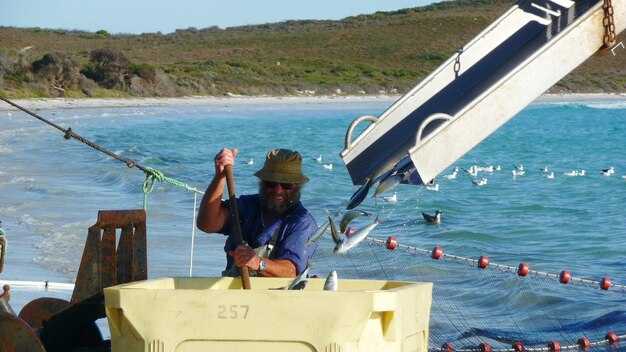
Siempre verifique que el capitán tenga la certificación de la Guardia Costera de EE. UU. y que la embarcación tenga registro vigente; solicite un briefing de seguridad antes de cualquier salida y confirme las horas en aguas abiertas y la duración esperada.
Licencias y papeleo: Algunos operadores requieren una identificación válida con foto, una tarjeta de crédito principal registrada y una exención de responsabilidad firmada; para el alquiler de motos acuáticas, espere edades mínimas (comúnmente 18 o 21) y prueba de competencia, además de cualquier cargo o permiso aplicable.
Equipo y seguridad: Se proporcionan chalecos salvavidas; trae un sombrero de ala ancha, protector solar, gafas de sol, agua y una pequeña bolsa impermeable para objetos de valor; incluye un refrigerador para bebidas frescas, si está permitido.
Vestimenta y qué traer para el día: Vístase para el sol y el calor; en diciembre, las capas ayudan; se recomiendan zapatos cerrados en los muelles; si planea un crucero al atardecer, traiga una chaqueta ligera.
Mascotas y pasajeros: Las políticas sobre mascotas varían; algunos operadores permiten perros bien educados a bordo, otros no; si no tiene o tiene pocos pasajeros, verifique la capacidad y las restricciones de raza.
Meet-up y marinas: La mayoría se reúnen en marinas costeras con estacionamiento cercano; llegue 15–30 minutos antes de la hora de inicio; el personal del muelle, matt, lo recibirá y confirmará el briefing; busque marinas con restaurantes frente al agua para cenar después del crucero.
Costos, reembolsos y límites: revise los términos de cancelación y cualquier cargo no reembolsable; la mayoría de las salidas ofrecen cierta flexibilidad en caso de mal tiempo o enfermedad; tenga en cuenta el límite en el número de pasajeros o el equipo.
Vida silvestre y experiencias: En las aguas del golfo, es posible que veameros cerca de estructuras o grupos moteados a lo largo de la costa; manténgase con el briefing y respete las áreas protegidas; mantenga velocidades adecuadas en zonas poco profundas y cerca de los puertos deportivos.