


 Español
  English (UK)
  Русский
  العربية
  日本語
日本語  한국어
한국어  Magyar
  Türkçe
  Čeština
  Svenska
  Português
  Ελληνικά
  Suomi
Suomi  Nederlands
  Română
  Italiano
  Français
  Polski
  Українська
  Deutsch
  简体中文
简体中文  Slovenčina
  Navegando por las Complejas Leyes de Alcohol de Tailandia y su Impacto en el Turismo">

The Puzzle of Thailand’s Alcohol Regulations
Thailand has introduced some of the most complex alcohol regulations, creating a significant challenge for tourists who want to enjoy a drink responsibly while visiting. Since November 2025, strict rules have controlled when and where alcohol can be legally consumed, surprising many international visitors.
New Restrictions and Heavy Penalties
Under the new enforcement, not only are businesses regulated, but individuals can also face fines of up to 10,000 baht (around $470 USD) for consuming alcohol during prohibited hours or in unauthorized locations. This hefty penalty affects tourists and locals alike, serving as a stern warning against violations.
For example, Australian authorities have alerted their citizens about these penalties, which cover drinking beyond permitted hours and “sitting and drinking” alcohol in restaurants outside the allowed windows. This crackdown has generated headlines worldwide, making visitors more cautious but also more confused.
Permitted Drinking Hours: A Narrow Window
Legal alcohol consumption in Thailand is now allowed only during very specific time frames: 11:00 AM to 2:00 PM and 5:00 PM to midnight. Even ordering a drink shortly before 2 PM can lead to fines if the drink is still being consumed after the cutoff. Similarly, drinking at 12:05 AM, even while still sitting in a bar, is prohibited.
Impact on Tourist Hotspots
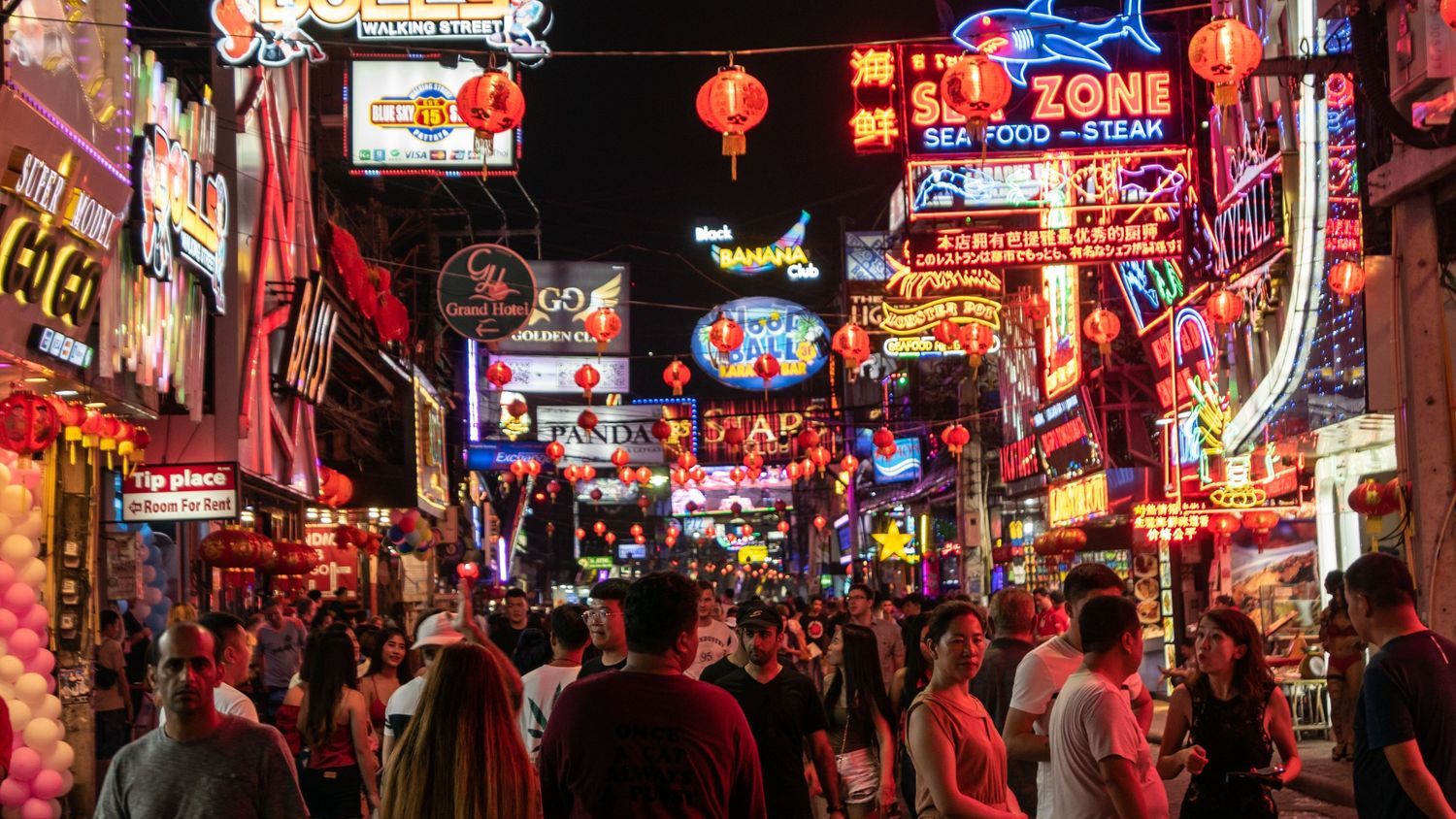
Popular destinations such as Bangkok, Phuket, Pattaya, and Chiang Mai have seen sharp confusion among tourists and business operators. Staff are required to remove drinks from tables once the legal hours end, sometimes interrupting patrons mid-sip. The restrictions cast a shadow over otherwise vibrant nightlife scenes.
A Maze of Exceptions and Contradictions
The regulations feature puzzling exceptions: hotels, airports, and certain licensed premises follow different rules, allowing alcohol sales outside the general time restrictions. This patchwork of laws creates bewildering scenarios where, for instance, having a drink in an airport lounge at 3 PM is legal, but brewing the same drink in a nearby cafe could incur fines.
The inconsistent enforcement and unclear boundaries have resulted in frustration among tourists and service providers, highlighting the need for clearer communication and practical guidelines.
The Tourism Industry’s Concerns
Industry groups have voiced worries over the economic fallout from these measures. Afternoon alcohol sales, which traditionally bring in 20–30% more revenue during peak tourist months, have seen sharp declines since the law changed. Businesses fear that the new rules could depress recovery efforts post-pandemic, especially during critical high seasons.
| Time Period | Alcohol Consumption Allowed? | Typical Fine For Violation (Baht) |
|---|---|---|
| 11:00 AM – 2:00 PM | Yes | Up to 10,000 |
| 2:00 PM – 5:00 PM | No | Up to 10,000 |
| 5:00 PM – 12:00 AM | Yes | Up to 10,000 |
| 12:00 AM – 11:00 AM | No | Up to 10,000 |
International Reaction and Tourist Feedback
Governments of several countries, including the UK, Australia, and Canada, have issued travel advisories warning their citizens about Thailand’s tough alcohol laws. Social media channels are flooded with comments from travelers often describing the restrictions as onerous and overly complicated, with some indicating they might choose alternative destinations with more relaxed policies.
Industry Voices Call for Reform
Leaders of the nightlife and restaurant sectors are petitioning for clearer enforcement guidelines to avoid further damage to tourism’s reputation. The delicate balance between public health concerns and economic sustainability is at the core of this debate, as businesses struggle to maintain service quality amidst restrictive laws.
A Positive Shift: Lifting the Afternoon Ban
Responding to public and industry pressure, authorities have tentatively lifted the ban on alcohol sales from 2 PM to 5 PM, starting a six-month trial phase. This move signals openness to adjustments aimed at aligning alcohol regulations with modern tourism demands.
Although strong penalties remain for outright violations, the shift reflects the government’s willingness to reconsider aspects of these rules that may unnecessarily restrict tourist activities and economic flow.
Best Practices for Visitors
Given the complexity and ongoing changes, visitors are advised to:
- Be vigilant about the allowed times for drinking and buying alcohol.
- Plan social outings around legal drinking windows to avoid fines.
- Avoid lingering with drinks after the cut-off time and comply with venue staff’s requests.
- Stay informed about exceptions in airports and hotels, but do not assume exceptions apply elsewhere.
Contexto histórico e impacto turístico
Alcohol laws in Thailand have traditionally been regulated but less strictly enforced, contributing to a lively tourism sector known for its buzzing nightlife and social vibrancy. The sudden tightening of alcohol consumption rules represents a notable shift, reflecting broader social and regulatory trends aiming to curb excess but inadvertently causing confusion.
Historically, tourism has formed a backbone of the Thai economy, accounting for a significant portion of GDP and employment; regions like Bangkok, Phuket, Chiang Mai, and Pattaya have thrived due to their attractive beaches, cultural appeal, and vibrant nightlife.
The current adjustments in alcohol policy may influence travelers’ decisions and satisfaction, potentially affecting tourism volumes. As such, the future of Thailand’s tourism may hinge on how well these regulations balance social responsibility with the freedom desired by international visitors.
Looking Ahead: The Future of Thailand’s Tourism and Hospitality
Thailand’s alcohol regulations highlight a key challenge: safeguarding social welfare while promoting a welcoming environment for tourists. Continued dialogue between government, industry stakeholders, and visitors will be crucial to refine these laws. The possibility of localized adaptations by provinces adds an additional layer of complexity but also flexibility for the future.
If these laws evolve thoughtfully, Thailand may sustain its position as a leading destination known for its beautiful beaches, rich culture, and friendly hospitality, while also encouraging safer and more responsible tourism practices.
Summary and Closing Thoughts
The labyrinthine alcohol laws in Thailand have reshaped the way locals and tourists alike experience social and nightlife scenes, with strict timing restrictions and enforcement penalties causing widespread confusion. While recent policy reversals show responsiveness to public pressure, a cautious outlook remains essential for travelers.
For those visiting Thailand’s famed coastal regions and bustling marinas, awareness and respect for these regulations are key to enjoying the vibrant yachting, boat hire, and waterside activities without legal troubles.
For anyone eager to explore Thailand’s spectacular seas, bustling ports, and sun-drenched beaches, the international marketplace for sailing boats and yacht rentals, GetBoat.com, offers a premier selection tailored to every budget and taste, making the adventure on the water both exciting and hassle-free.