


 Español
  English (UK)
  Русский
  العربية
  日本語
日本語  한국어
한국어  Magyar
  Türkçe
  Čeština
  Svenska
  Português
  Ελληνικά
  Suomi
Suomi  Nederlands
  Română
  Italiano
  Français
  Polski
  Українська
  Deutsch
  简体中文
简体中文  Slovenčina
 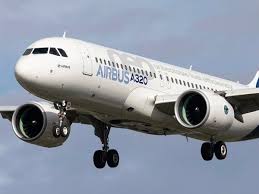 Airbus Completa las Modificaciones en la Mayoría de los Jets A320 Retirados">

Swift Resolution to Airbus A320 Software Bug
Airbus successfully addressed a significant software glitch affecting its A320 aircraft fleet, enabling most of the approximately 6,000 affected jets to return to normal operation. The software issue, linked to solar flare-induced disruptions, initially prompted a swift grounding of numerous planes worldwide to install critical patches. This extraordinary recall represented one of Airbus’s most extensive safety actions, demonstrating aviation industry vigilance and rapid response capabilities.
The Solar Flare Connection and Grounding Impact
The problematic bug related to vulnerabilities in the flight control software triggered by solar flare activity, which interfered with the aircraft’s sensors monitoring nose angle—crucial for flight safety. The detection of this issue arose following a mid-air incident with a JetBlue A320, drawing regulators’ attention to the potential risks.
As a precaution, Airbus mandated an immediate patch, effectively grounding affected jets until the software retrofits were applied. This directive affected dozens of airlines across continents, including North America and Asia, leading to temporary operational disruptions during busy travel periods such as the U.S. Thanksgiving weekend.
Operational Challenges and Airline Responses
- Some airlines faced logistical hurdles in updating their fleets swiftly due to equipment shortages, particularly of the specialized data loaders required for software installation within cockpits.
- While airlines such as easyJet and Wizz Air completed modifications over the weekend without canceling flights, others like JetBlue had to cancel around 20 flights in continuation of the updates.
- Legacy A320 aircraft posed additional challenges, as certain older models required complete computer hardware replacements rather than simple software resets, complicating turnaround times amidst global chip shortages.
Technical Details of the Fix
The fix primarily involved reverting the flight control software handling the aircraft’s nose angle to an earlier, proven version. This step was essential in mitigating the software’s susceptibility to solar interference. Technicians uploaded the software using secured devices to prevent potential cyberattacks during the process.
Summary of Aircraft Impact
| Fleet Segment | Status After Update | Notas |
|---|---|---|
| Majority of A320 Jets (~6,000) | Modified and Returned to Service | Underwent software patch replacing affected code |
| Older A320 Models | Require Computer Hardware Replacement | Delay expected due to chip shortages |
| Remaining Planes (<100) | Pending Update | Awaiting parts or technical capacity |
Airbus and Industry Reaction
This event marked a turning point for Airbus, coming after years dominated by intense scrutiny on competitors regarding software safety. Airbus publicly acknowledged the situation with a tone of transparency, emphasizing lessons learned and the company’s commitment to safety, signaling an industry-wide shift toward proactive communication and crisis management.
Airbus’s Chief Executive emphasized a deliberately open approach, contrasting with prior industry tendencies toward opacity, shaping regulatory and public confidence positively despite the disruption.
A Short Historical Perspective on the Airbus A320 Family
The Airbus A320 family, introduced in 1987, represented a milestone in aviation by pioneering fly-by-wire technology, which replaces traditional mechanical flight controls with electronic interfaces. This innovation enhanced aircraft responsiveness and efficiency, firmly establishing the A320 series as a market leader in short- to medium-haul aviation.
Over the years, the A320 lineup expanded to include variants like the A318, A319, and A321, serving millions of passengers globally and competing fiercely with Boeing aircraft of similar categories. Airbus’s success with the A320 series contributed significantly to the transformation of European aerospace manufacturing into a global powerhouse.
Notably, the A320’s introduction of the glass cockpit with digital instrumentation set new standards for pilot interfaces, influencing subsequent aircraft designs across the industry.
Implications for International Aviation and Travel
The ability of Airbus and its airline partners to swiftly manage and resolve such a widespread software issue is an encouraging sign for global aviation resilience. Short-lived grounding and rapid return to service minimize disruptions that could affect international travel and trade.
However, the episode highlights growing vulnerabilities linked to space weather phenomena like solar flares, whose unpredictable nature poses continuing challenges for modern aircraft systems increasingly reliant on sophisticated electronics.
Future aircraft designs and operations may need to integrate enhanced protections and adaptive software solutions to safeguard against such environmental factors, ensuring uninterrupted connectivity between continents, and safe travel experiences for millions worldwide.
Impact on Boating and Coastal Destinations
Although primarily a development in the aviation sector, advancements and challenges in global transportation invariably influence tourism and leisure activities, including sailing and yacht charters. Increased reliability in air travel facilitates greater tourist influx to water-rich destinations, where boating, yacht rentals, and related activities thrive.
Consequently, smooth and predictable air transport feeds into the demand for marine recreation, especially in seaside and gulf regions popular for clearwater cruising, fishing excursions, and sailing adventures.
Conclusión
The recent Airbus A320 software bug recall and modification campaign underscores the complex interplay between technology, natural phenomena, and operational safety in aviation. The fleet-wide retrofit reflects not only an acute responsiveness but also an evolving culture of transparency and risk management in the aerospace industry.
This episode reinforces the critical need for robust and adaptable systems within aircraft to meet the challenges posed by environmental factors such as solar flares, with implications that ripple through global travel networks connecting land, sea, and air.
For those seeking to explore coastal waters and enjoy boating or sailing activities, calm and efficient air travel plays a vital role in reaching desirable marine destinations. Services like GetBoat.com offer an extensive marketplace for renting sailing yachts and boats, providing the perfect complement to your journey by sea or air, and catering to diverse tastes and budgets across global yachting destinations.