


 Español
  English (UK)
  Русский
  العربية
  日本語
日本語  한국어
한국어  Magyar
  Türkçe
  Čeština
  Svenska
  Português
  Ελληνικά
  Suomi
Suomi  Nederlands
  Română
  Italiano
  Français
  Polski
  Українська
  Deutsch
  简体中文
简体中文  Slovenčina
  New Approaches to Sustainable Tourism in Tropical Coastal Cities">

Driving Sustainable Tourism in Tropical Coastal Areas
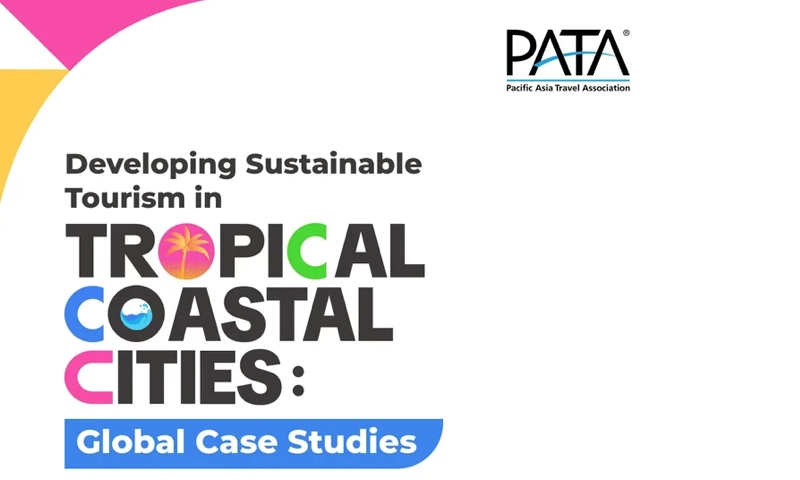
Tropical coastal cities face unique challenges and opportunities in balancing tourism growth with environmental stewardship. A recent report released at the 2025 Tropical Coastal City Tourism Event in Sanya, China, highlights essential pillars that support sustainable tourism development in such destinations. These pillars include effective resource management, fostering healthy relationships between locals and visitors, diversifying economies and tourism offerings, and embedding sustainability deeply within private sector practices.
The comprehensive report, prepared under the auspices of the Pacific Asia Travel Association (PATA), combines insightful case studies with practical strategies, emphasizing how coastal cities in the Asia Pacific region can address pressing climate challenges while capitalizing on tourism for economic and social benefits.
Climate Change and Tourism Impact
Coastal regions in tropical zones are among the most vulnerable to the effects of climate change, particularly due to rising sea surface temperatures and ocean heat content levels. These environmental changes exacerbate threats to marine ecosystems and put additional pressure on community resources, especially during peak tourist seasons when visitor numbers surge dramatically. Alongside natural factors, human influences such as pollution and overuse of natural habitats add to the stress on these fragile environments.
In response, collaboration and knowledge sharing across stakeholders have become critical to developing and implementing effective sustainable tourism strategies, a message strongly conveyed at the recent Sanya event.
Case Studies Illustrating Successful Sustainable Practices
Protecting Marine Environments: Sanya’s Approach
Sanya demonstrates remarkable progress in marine conservation through dedicated initiatives on Wuzhizhou Island. This island has become a national-level marine ranch demonstration zone aimed at restoring coral reefs and fish populations. By utilizing patented technologies for reef restoration, Sanya has effectively enriched marine biodiversity and secured its status as a highly rated tourist destination with a strong environmental ethos.
Alongside restoration efforts, the island operates a sophisticated waste management system to minimize marine pollution, earning recognition as a “Zero-Waste Tourism Attraction” and serving as a coral reef restoration base for youth biodiversity expeditions.
Water Resource Management in Thailand
Thailand has adopted innovative water management strategies tailored to its tourism needs. By establishing a comprehensive database, authorities distinguish between water demand from residential users and the commercial tourism sector. This allows for optimized allocation during high-demand periods, particularly the peak tourist season.
Promotional campaigns encouraging water conservation complement fiscal measures like increased utility rates for excessive water use. Additionally, ecosystem restoration efforts ensure natural water absorption and reduce urban flood risks, aligning with the broader Bio-Economy and Green Economy objectives.
Energy Efficiency and Waste Reduction: Indonesia’s Desa Potato Head Resort
Desa Potato Head Resort embraces sustainability by pursuing goals like achieving zero waste, promoting beautiful and sustainable environments, and participating actively in ecosystem regeneration. Partnering with an eco-engineering consultancy, the resort optimizes resource management, reduces its environmental footprint, and fosters a green company culture.
In 2023, they successfully recycled 97.5% of their waste, planned solar energy installations to cut energy consumption, and innovated with new technology to recycle styrofoam into useful amenities. This holistic approach sets a benchmark for environmentally responsible resort operations.
Historical Perspective on Sustainable Tourism in Coastal Cities
The evolution of tourism in coastal areas dates back decades, with growing recognition over time of the need to integrate sustainability into development frameworks. Coastal tourism has historically attracted mass visitors due to its enticing sun, sand, and sea appeal. However, unregulated growth and high environmental impact have underscored the urgency of balancing economic interests with ecological preservation and community welfare.
Traditional mass tourism developments emphasized large-scale infrastructure often imported from outside regions, sometimes resulting in significant environmental degradation and limited economic benefits for local populations. In contrast, recent decades have seen a shift toward “soft tourism” approaches that leverage local resources, encourage smaller-scale operations, and prioritize ecological and cultural sustainability.
Frameworks like eco-tourism, community-based tourism, and regenerative travel are gaining traction as more responsible alternatives to conventional tourism models, emphasizing conservation, respect for local cultures, and long-term destination resilience.
Key Principles of Sustainable Coastal Tourism Development
- Resource Management: Responsible use and preservation of natural resources, particularly water and marine ecosystems.
- Community Engagement: Building harmonious relationships between residents and visitors, ensuring local cultures and traditions are respected.
- Economic Diversification: Expanding tourism products and related industries to reduce seasonal dependencies and enhance stability.
- Private Sector Participation: Encouraging businesses to embed sustainability in their operations through green certifications, waste reduction, and energy efficiency.
The Future of Sustainable Tourism in Tropical Coastal Destinations
Looking ahead, tropical coastal cities have significant potential to serve as exemplars of sustainable tourism that benefits communities, economies, and environments alike. The urgency imposed by climate risks and increasing visitor pressures requires ongoing innovation in sustainability practices and stronger collaborative frameworks among governments, businesses, and local populations.
Global tourism trends indicate rising consumer interest in eco-friendly and socially responsible travel options. Such preferences will likely translate into greater demand for destinations that demonstrate genuine commitment to sustainability, including enhanced marine conservation efforts and integrated resource management.
Investment in green technologies, improved infrastructure for water and waste management, and education about environmental stewardship will be crucial. At the same time, destinations must navigate challenges such as economic leakage, ensuring local communities reap the benefits of tourism growth and that social inequalities are not exacerbated.
Table: Sustainable Tourism Strategies in Tropical Coastal Cities
| Strategy | Objetivos | Example |
|---|---|---|
| Marine Ecosystem Restoration | Rebuild coral reefs, recover fish stocks, reduce pollution | Sanya’s marine ranch and waste management initiatives |
| Water Resource Optimization | Balance water supply between tourism and residents, promote conservation | Thailand’s water demand database and conservation campaigns |
| Waste Reduction and Energy Efficiency | Minimize landfill waste, adopt renewable energy sources, foster sustainable culture | Desa Potato Head Resort’s high recycling rates and solar power plans |
| Community and Cultural Engagement | Empower locals, preserve traditions, involve community in tourism planning | Initiatives promoting harmonious coexistence with visitors |
Implications for Coastal and Marine Tourism, Including Sailing and Boat Chartering
As sustainable tourism takes center stage in tropical coastal cities, its influence extends naturally to water-based activities like sailing and boat chartering. Healthier marine environments and well-managed coastal resources enhance the overall attractiveness of these destinations for yachting enthusiasts and boat renters.
Clean waters and preserved coral reefs create idyllic settings for sailing adventures, fishing trips, and recreational boating, making sustainable practices directly beneficial to the maritime tourism sector. Moreover, destination commitment to environmental protection reassures boaters and captains that their activities do not compromise the natural treasures on which their enjoyment depends.
Chartering a yacht or boat in such sustainably managed coastal waters offers visitors not only leisure but also a chance to engage responsibly with nature, harmonizing adventure with conservation.
Conclusión
The pursuit of sustainable tourism in tropical coastal cities is built on a foundation of comprehensive resource management, community cooperation, economic diversification, and private sector involvement. Case studies from Sanya, Thailand, and Indonesia illustrate the practical steps other destinations can follow to balance growth with ecosystem preservation and social welfare.
While challenges related to climate change, water scarcity, and pollution remain formidable, coordinated strategies and innovative technologies promise a more resilient future for tropical coastal tourism hubs worldwide. Such progress benefits not only the environment and local communities but also sectors closely linked to the sea, including sailing and boating, which thrive on pristine waters and vibrant marine life.
For adventurous travellers and yachting enthusiasts seeking to explore these sustainable coastal paradises, finding the perfect boat or yacht to rent becomes an integral part of experiencing the natural beauty and cultural richness sustainably safeguarded by these cities. The international marketplace at GetBoat.com offers a diverse selection of sailing boats and yachts, catering to all preferences and budgets, unlocking memorable journeys across clear waters, vibrant marinas, and breathtaking gulfs.