


 Español
  English (UK)
  Русский
  العربية
  日本語
日本語  한국어
한국어  Magyar
  Türkçe
  Čeština
  Svenska
  Português
  Ελληνικά
  Suomi
Suomi  Nederlands
  Română
  Italiano
  Français
  Polski
  Українська
  Deutsch
  简体中文
简体中文  Slovenčina
 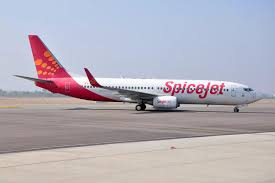 SpiceJet expands Boeing 737 fleet and reactivates 737 MAX for winter growth">

SpiceJet intensifica la expansión de su flota de invierno con aviones Boeing
SpiceJet ha dado un paso audaz en su estrategia de expansión invernal al añadir otro Boeing 737 a su flota operativa y reactivar un Boeing 737 MAX. Esta medida eleva a cinco el número total de aviones recién agregados este mes, lo que indica el compromiso de la aerolínea de mejorar su capacidad de servicio anticipándose al aumento de viajeros de la próxima temporada festiva.
El Boeing 737 recién incorporado y el 737 MAX reactivado han comenzado su servicio comercial, uniéndose a otras tres aeronaves introducidas a principios de octubre, incluyendo dos Boeing 737 y un Airbus A340 de fuselaje ancho. Este refuerzo de la flota no solo aumenta la capacidad de la aerolínea, sino que también fortalece su conectividad de rutas nacionales e internacionales durante uno de los periodos de viaje más concurridos del año.
Detalles del plan de expansión de la flota de SpiceJet
Las incorporaciones actuales son solo la punta del iceberg dentro de la visión más amplia de SpiceJet de reforzar su flota con 20 nuevos aviones para finales de noviembre de 2025. Este enfoque gradual tiene como objetivo satisfacer la creciente demanda de viajes aéreos vinculada a las temporadas festivas y vacacionales, garantizando una mayor fiabilidad operativa y disponibilidad de asientos.
El Director Comercial de las aerolíneas destacó que esta expansión se encuentra entre las más grandes en la historia de SpiritJet, enfocándose en multiplicar la capacidad de la aerolínea para acomodar un número creciente de pasajeros. El objetivo incluye más que duplicar la capacidad de asientos y triplicar los Kilómetros por Asiento Disponible (ASKM) para diciembre de 2025. Se espera que dicho crecimiento consolide la posición de SpiceJet como una aerolínea de bajo costo líder en India.
Breve historia e importancia del Boeing 737 y 737 MAX
En Boeing 737 es un pilar en la aviación comercial, conocido mundialmente como uno de los aviones de fuselaje estrecho más fiables. Desde su creación a finales de la década de 1960, la serie 737 ha evolucionado a través de múltiples generaciones, sirviendo consistentemente vuelos de corto y medio alcance con eficiencia y fiabilidad. Su versatilidad lo ha convertido en uno de los favoritos tanto de las aerolíneas de bajo coste como de las compañías tradicionales.
El 737 MAX, la variante más reciente de esta familia, incorpora tecnologías avanzadas, incluyendo motores mejorados y refinamientos aerodinámicos, lo que conlleva una mayor eficiencia de combustible y un alcance extendido. Tras un período de inmovilización para actualizaciones de seguridad y recertificación, su retorno al servicio activo marca un nuevo capítulo para las aerolíneas que dependen de este modelo para optimizar sus operaciones.
Evolución de la familia Boeing 737
| Model | Primer vuelo | Features | Uso típico |
|---|---|---|---|
| Boeing 737-100/200 | 1967 | Diseño birreactor de corto alcance | Vuelos de corta distancia |
| Boeing 737 Classic (-300/-400/-500) | 1980s | Alcance y capacidad mejorados | Rutas regionales |
| Boeing 737 Next Generation (-600/-700/-800/-900) | 1997 | Aviónica avanzada, cabina más grande | Vuelos de medio alcance |
| Boeing 737 MAX (-7/-8/-9/-10) | 2017 | Eficiencia de combustible con motores avanzados | Rutas regionales extendidas a medio recorrido |
Implicaciones de las mejoras de la flota para los viajes y la conectividad
La incorporación de nuevos aviones Boeing 737 y el regreso del 737 MAX al servicio activo mejorarán enormemente la capacidad de SpiceJet para ofrecer más vuelos y aumentar la capacidad de asientos. Esto es particularmente significativo durante los picos de viajes de invierno y festivos, que exigen una mayor disponibilidad y fiabilidad por parte de las aerolíneas.
Para los viajeros, esto se traduce en mejores opciones de vuelo, mayor flexibilidad de programación y precios de billetes potencialmente más competitivos debido al aumento de la capacidad. También fortalece la posición de SpiceJet en la conexión de ciudades secundarias con centros metropolitanos y la expansión de las redes regionales internacionales.
Vinculando la expansión al sector del turismo náutico y marítimo
Aunque se trata principalmente de una actualización del sector de la aviación, estas ampliaciones de flota pueden beneficiar indirectamente al sector del turismo náutico y de navegación. Una mayor conectividad aérea con las ciudades costeras, los puertos deportivos y los destinos de deportes acuáticos puede animar a más turistas a viajar cómodamente a los puntos de alquiler de yates, los centros de navegación o los complejos turísticos frente al mar.
El aumento de la frecuencia y la capacidad de los vuelos reduce las molestias de los viajes, lo que facilita el acceso a las actividades de vela y a los destinos náuticos. Esta sinergia entre el transporte aéreo y el turismo marítimo a menudo fomenta el crecimiento económico regional y ayuda a popularizar la navegación como una actividad de ocio preferida.
Pronosticando el impacto futuro en el turismo internacional
De cara al futuro, las expansiones de flotas de aerolíneas como la de SpiceJet probablemente sustentarán el crecimiento en los mercados de viajes regionales e internacionales. El aumento previsto por la aerolínea en los Asientos-Kilómetro Disponibles (AKD) anuncia una capacidad para atender eficazmente los crecientes volúmenes de pasajeros.
Este crecimiento respalda las tendencias turísticas más amplias donde la accesibilidad y la conveniencia se ubican en lo más alto de las preferencias de los viajeros. Las ciudades y regiones costeras que se benefician de un mejor servicio aéreo pueden experimentar un aumento en el número de visitantes, lo que probablemente impulsará no solo el turismo tradicional, sino también actividades especializadas como alquiler de veleros y aventuras de deportes acuáticos.
El enfoque de SpiceJet en el contexto más amplio del mercado nacional y regional
- Opciones de viaje económicas.
- Mejora de la eficiencia operativa mediante la renovación de la flota
- Red de rutas ampliada para satisfacer la creciente demanda de pasajeros
- Equilibrar la conectividad nacional con los vuelos regionales internacionales
Conclusión: Ampliando los horizontes de viaje con el crecimiento de la flota de SpiceJet
La sólida inversión de SpiceJet en nuevos aviones Boeing 737 y la reactivación del 737 MAX marcan claramente un hito importante de expansión. Esta estrategia no solo satisface la elevada demanda típica de las temporadas de invierno y festivas, sino que también posiciona a la aerolínea para un crecimiento sostenido y un dominio competitivo en el segmento de aerolíneas de bajo coste.
Además, esta expansión de la flota puede tener efectos en cadena en los sectores turísticos estrechamente ligados a la accesibilidad de los viajes, incluidos los destinos de yates y vela. Unas mejores conexiones aéreas facilitan el aumento de los flujos turísticos hacia las regiones costeras y marítimas, lo que ayuda a dinamizar actividades como el alquiler de yates, la navegación y la pesca, que prosperan junto con la mejora de la infraestructura de viajes.
Para los viajeros que buscan conexiones perfectas a playas, puertos deportivos y actividades acuáticas, estos desarrollos sugieren nuevas y emocionantes oportunidades para explorar el agua y los destinos bañados por el sol con facilidad.
Para las últimas novedades relacionadas con viajes y asuntos marítimos, visite GetBoat.com — el mercado internacional para alquilar veleros y yates, con opciones para todos los gustos y presupuestos.