


 Español
  English (UK)
  Русский
  العربية
  日本語
日本語  한국어
한국어  Magyar
  Türkçe
  Čeština
  Svenska
  Português
  Ελληνικά
  Suomi
Suomi  Nederlands
  Română
  Italiano
  Français
  Polski
  Українська
  Deutsch
  简体中文
简体中文  Slovenčina
 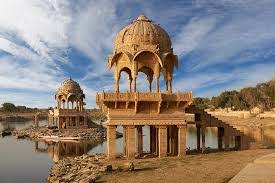 Rajasthan’s Strategy to Balance Tourism Capacity and Seasonal Demand">

Rajasthan’s Vision for Year-Round Tourism Growth
Rajasthan is taking significant steps to transform its tourism landscape by moving beyond its traditional peak winter season. The state is aiming to attract visitors throughout the year by managing carrying capacity effectively and reducing the seasonality that majorly concentrates tourism in a few months. Key strategies include introducing new experiences such as monsoon trails and night safaris, improving connectivity, and enhancing unique attractions to create a richer, more diverse tourism offering.
Challenges in Managing Tourism Growth
Though Rajasthan has long enjoyed global fame as a tourism hotspot, sustaining consistent visitor numbers beyond the bustling winter months remains a challenge. One of the core issues is seasonality, where visitor flows peak sharply in specific periods and drop off dramatically in others. This imbalance can strain the infrastructure during peak times and leave assets underused at off-peak periods, affecting both the quality of the tourist experience and the local economy.
Additionally, carrying capacity—the maximum number of visitors the local environment and infrastructure can support without degradation—is a critical concern. Overcrowding brings traffic congestion and patchy access to key sites, detracting from the visitor experience and posing ecological and social stress on the destinations.
Innovative Approaches to Unlocking Off-Season Tourism
To tackle these challenges, Rajasthan’s tourism officials have outlined fresh ideas emphasizing experiences that extend visitor stays and diversify seasonal appeal:
- Monsoon Trails: Showcasing the verdant beauty and unique activity opportunities during the monsoon season, often overlooked in the region.
- Green Aravalli Experiences: Promoting eco-tourism by leveraging the Aravalli mountain range’s natural richness.
- Summer Night Safaris: Introducing wildlife and cultural night tours to boost the local night economy, inspired by successful models in other countries.
- Astronomy and Wellness Tourism: Creating niche products such as star-gazing retreats and wellness centers to attract specialized visitors.
- Craft Residencies and Festival Calendars: Celebrating traditional arts and organized events to engage tourists year-round.
These experiences aim not only to increase visitor numbers outside peak seasons but also to enhance the quality and duration of visits, transforming short stays into extended explorations.
Historical Context: Seasonality and Carrying Capacity in Tourism
The concepts of seasonality y carrying capacity are long-standing and fundamental to tourism planning worldwide. Seasonality refers to the fluctuations in tourist arrivals throughout the year, often caused by climatic factors, school holidays, and cultural events. Carrying capacity measures the threshold at which visitor numbers begin to negatively impact the environment, infrastructure, and local communities.
Seasonality has traditionally been seen as a challenge because it leads to inefficient use of tourism facilities and creates pressure on destinations during peak times. However, off-peak periods offer a vital chance for destinations to recover, maintain ecological balance, and allow communities respite from tourist loads. In recent decades, the emphasis has been on smoothing these peaks and troughs to ensure a more sustainable and economically viable tourism industry throughout the year.
Managing Carrying Capacity for Sustainable Tourism
In practice, managing carrying capacity involves multiple dimensions:
| Aspect | Description |
|---|---|
| Physical | Maximum visitor numbers before infrastructure degradation occurs. |
| Ecological | Limits to avoid damage to natural environments and biodiversity. |
| Social | Levels of tourism that do not cause undue disruption or dissatisfaction among local communities. |
| Economic | Ensuring tourism dependence does not become harmful to the broader economy. |
| Perceptual | Visitor perceptions of overcrowding affecting satisfaction and experience quality. |
Implementing these measures enables destinations to avoid over-tourism, preserve local culture and environment, and maintain attractiveness for future visitors.
Forecast: Potential Impact on Rajasthan and Tourism Worldwide
As Rajasthan pursues strategies to extend tourism activity beyond the crowded winter months, the expected benefits are multifold. Improved infrastructure and diversified experiences could smooth the seasonal peaks, making the tourism economy more resilient and sustainable. The focus on unique and authentic offerings such as wellness retreats, night safaris, and craft residencies aligns well with global trends favoring experiential and off-season travel.
Should these initiatives succeed, Rajasthan could strengthen its position as a year-round destination, reduce pressure on popular hotspots, and boost local economies in lesser-known areas. This would also support more balanced employment opportunities in the industry and help manage ecological footprints more effectively.
Implications for Marine and Sailing Tourism
While Rajasthan’s tourism is mainly land-based, the principles of carrying capacity management and tackling seasonality resonate strongly with the marine and sailing tourism sectors worldwide. Coastal and lake destinations often face similar challenges with fluctuating visitor numbers. Expanding offerings across seasons and enhancing transport connectivity are critical steps to sustainable growth in yachting and boating industries as well.
Sailing enthusiasts and yacht charter companies benefit when destinations offer attractive experiences beyond the traditional peak times, encouraging longer rentals and diverse water-based activities. This not only promotes a healthier ecosystem but also ensures that marinas, captains, and service providers enjoy steadier business throughout the year.
Conclusión
Rajasthan’s ambition to manage tourism carrying capacity and reduce seasonality stands as an insightful case in destination management. By introducing innovative activities like monsoon trails, night safaris, and niche tourism products, while tackling infrastructure gaps and transport connectivity, Rajasthan aims to enhance the visitor experience and distribute tourism benefits more evenly throughout the year.
Such strategic thinking is vital not only for this historic landlocked state but also for many tourism destinations globally, including coastal and marine resorts where managing visitor flows is crucial for ecological and economic sustainability.
For those interested in exploring destinations where sailing and yachting activities thrive alongside smart destination management, GetBoat.com offers a rich marketplace to rent yachts, sailboats, and boats that allow for immersive and sustainable travel experiences. Whether seeking peaceful waters or vibrant marinas, the service supports every taste and budget in the world of boating and charter adventures.