


 Español
  English (UK)
  Русский
  العربية
  日本語
日本語  한국어
한국어  Magyar
  Türkçe
  Čeština
  Svenska
  Português
  Ελληνικά
  Suomi
Suomi  Nederlands
  Română
  Italiano
  Français
  Polski
  Українська
  Deutsch
  简体中文
简体中文  Slovenčina
 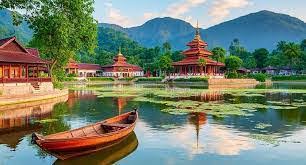 Laos Traza un Nuevo Curso para un Turismo Sostenible y Vibrante">

Mejorar el turismo mediante la sostenibilidad y la infraestructura
Laos está avanzando activamente en su sector turístico, centrándose en elevar la calidad de los servicios, expandir la infraestructura y adoptar prácticas turísticas sostenibles. Un punto culminante de este progreso es el antigua ciudad de Luang Prabang, que ha logrado el prestigioso Certificación plata de Green Destinations 2025-2027. Esto marca un hito significativo al ser la primera ciudad laosiana en obtener este reconocimiento, lo que subraya su dedicación al turismo ecológico.
Esta certificación, otorgada en el Foro de Destinos Sostenibles celebrado en los Emiratos Árabes Unidos, se basa en la anterior inclusión de Luang Prabang entre los 100 mejores destinos ecológicos a nivel mundial. Reconoce los esfuerzos de la ciudad por mantener entornos limpios, una gestión responsable de los residuos e iniciativas comunitarias que protegen el patrimonio cultural al tiempo que apoyan los medios de vida locales.
Junto con Luang Prabang, otras regiones clave como Provincia de Vientián, Vang Vieng, Meuang Feuang, y Champasak están siendo testigos de un resurgimiento del turismo. Los gobiernos locales están invirtiendo fuertemente en la mejora de carreteras, atracciones e instalaciones de hostelería para cumplir con los estándares internacionales.
Recuperación del Turismo y Crecimiento de Visitantes
En los primeros ocho meses de 2025, Laos recibió a más de 3 millones de turistas extranjeros, lo que representa un aumento del 151% en comparación con el año anterior. Este resurgimiento señala un renovado interés mundial y una creciente confianza en la preparación del destino para recibir a los viajeros.
Las proyecciones sugieren que el país podría recibir aproximadamente 4,38 millones de visitantes internacionales para finales de 2025, y se espera que el turismo nacional también aumente significativamente. Para 2026, estas cifras podrían aumentar aún más, mostrando una tendencia constante al alza.
Una Mirada Histórica al Recorrido Turístico de Laos
En las últimas décadas, Laos ha creado un nicho en el turismo cultural y ecológico, aprovechando su rica historia y belleza natural. La ciudad patrimonial de Luang Prabang, conocida por su arquitectura colonial bien conservada y sus templos budistas, ha atraído durante mucho tiempo a viajeros que buscan experiencias auténticas. Otros atractivos incluyen el sitio arqueológico de la Llanura de las Jarras, las pintorescas islas de Si Phan Don y lugares históricos como las cuevas de Viengxay.
La sostenibilidad ha sido un principio fundamental en la estrategia turística de Laos, con proyectos de turismo comunitario apoyados por el gobierno que se han arraigado desde el año 2000. Estas iniciativas se centran en el ecoturismo que no solo preserva el medio ambiente, sino que también empodera a las comunidades locales económica y culturalmente. El Instituto Nacional de Turismo y Hostelería de Laos desempeña un papel crucial en el cultivo de personal cualificado a través de sus programas de educación y formación.
The Role of Sustainable Tourism
El turismo sostenible en Laos está diseñado para equilibrar el desarrollo económico con la administración social y ambiental. Al promover la participación a nivel comunitario, Laos tiene como objetivo garantizar que los beneficios del crecimiento del turismo se compartan de manera equitativa, al tiempo que se salvaguardan sus ecosistemas únicos y su patrimonio cultural.
Actividades como el turismo forestal y los viajes de aventura están ganando popularidad, lo que ayuda a diversificar la oferta turística al tiempo que se hace hincapié en la conservación. Este enfoque apoya la creación de empleo, la generación de ingresos y las divisas, factores clave para impulsar la resiliencia económica general del país.
Desarrollo de Infraestructura y Calidad del Servicio
Para mantener el impulso del crecimiento del turismo, se están llevando a cabo importantes mejoras en la infraestructura. Estas incluyen mejoras en las redes de transporte, como carreteras que conectan mejor las regiones turísticas, el desarrollo de instalaciones para visitantes y la mejora de los estándares de alojamiento.
La provincia de Vientiane ejemplifica este progreso, alentando activamente a las empresas locales a participar en el desarrollo del turismo y esforzándose por cumplir con los parámetros de referencia de los servicios globales. Tales esfuerzos tienen como objetivo elevar la satisfacción de los visitantes y fomentar los viajes repetidos.
Áreas clave de enfoque en la mejora del turismo
- Mejoras de carreteras y transporte para facilitar el acceso a sitios remotos y culturales.
- Iniciativas de turismo comunitario promoviendo la participación local y la preservación cultural.
- Inversión en el desarrollo de la fuerza laboral a través de programas de capacitación para elevar la calidad del servicio.
- Conservación ambiental alineados con las actividades turísticas para garantizar la sostenibilidad.
Pronosticando el Futuro del Turismo en Laos
Dada la trayectoria actual, Laos está preparado para un futuro turístico robusto. Los aumentos previstos tanto de viajeros internacionales como nacionales resaltan el creciente perfil del país como destino que valora la autenticidad cultural, el cuidado ecológico y las experiencias acogedoras.
Su modelo de turismo sostenible sirve de ejemplo para otros destinos emergentes, especialmente aquellos que se centran en extender los beneficios económicos a las comunidades rurales e indígenas sin comprometer los recursos naturales.
Crecimiento Anticipado del Turismo: 2024-2026
| Year | Turistas internacionales (millones) | Turistas nacionales (millones) | Growth Rate (%) |
|---|---|---|---|
| 2024 | 4.13 | 3.92 | — |
| 2025 | 4.38 | 4.19 | 6 (Internacional), 7 (Nacional) |
| 2026 (Previsto) | 4.46 | 4.37 | 2 (Internacional), 4 (Nacional) |
Implications for Marine and Sailing Tourism
Aunque Laos es una nación sin salida al mar, los principios de turismo sostenible y desarrollo de infraestructura que está adoptando pueden influir indirectamente en la evolución regional de actividades de ocio acuáticas, como paseos en bote por el lago y cruceros fluviales. Las mejoras en el transporte y la participación de la comunidad pueden abrir nuevas oportunidades para excursiones acuáticas ecológicas en ríos importantes como el Mekong, que es vital para el ecosistema y la cultura local.
Al considerar la expansión hacia experiencias náuticas o de navegación en el sudeste asiático, los turistas buscan cada vez más destinos donde las prácticas de viaje responsable armonicen con la aventura y la exploración natural. El compromiso de Laos de mantener la integridad cultural y ambiental aumenta su atractivo para los viajeros con conciencia ecológica que pueden combinar actividades terrestres y acuáticas en sus itinerarios.
Conclusión
Los progresos de Laos para mejorar el turismo a través de la sostenibilidad, el desarrollo de infraestructuras y la participación de la comunidad están remodelando el perfil del destino en el escenario mundial. Los logros del país, como la certificación Green Destinations de nivel plata de Luang Prabang, reflejan un equilibrio estratégico entre la preservación del patrimonio cultural y la promoción del crecimiento del turismo. Con un aumento constante de visitantes y un crecimiento futuro previsto, Laos está llamado a convertirse en un ejemplo destacado de turismo sostenible y diversificado en la región.
Para los viajeros atraídos por destinos donde la naturaleza, la cultura y las prácticas sostenibles se entrelazan, Laos ofrece una experiencia vibrante que continúa evolucionando. Aquellos interesados en explorar destinos auténticos y bien gestionados, con opciones para la aventura y el ecoturismo, apreciarán lo que este país tiene para ofrecer.
Para mantenerse al día sobre estos destinos dinámicos y para encontrar opciones de alquiler de yates y barcos en las regiones marítimas cercanas, considere visitar GetBoat.com—un mercado internacional que satisface diversas preferencias y presupuestos en vacaciones de vela, yates y navegación. Ya sea que busquen retiros tranquilos junto al lago, puertos deportivos costeros vibrantes o aventuras náuticas activas, GetBoat.com conecta a los viajeros con la embarcación perfecta y experiencias inolvidables en el agua.