


 Español
  English (UK)
  Русский
  العربية
  日本語
日本語  한국어
한국어  Magyar
  Türkçe
  Čeština
  Svenska
  Português
  Ελληνικά
  Suomi
Suomi  Nederlands
  Română
  Italiano
  Français
  Polski
  Українська
  Deutsch
  简体中文
简体中文  Slovenčina
  Advertencia de minas terrestres provoca restricciones de viaje para el área fronteriza entre Tailandia y Camboya">

Heightened Travel Warnings for Tourists Near Thailand-Cambodia Border
Recent escalations in conflict between Thailand and Cambodia have triggered urgent travel advisories, particularly concerning areas along their shared border. British tourists, as well as other international travelers, are being cautioned to avoid certain regions due to landmine concerns and ongoing security risks.
The border areas have experienced a resurgence of hostilities, including rocket attacks and airstrikes, leading to casualties and large-scale displacement of residents. Travel insurance providers are likely to invalidate coverage for non-essential travel to these zones, elevating the risks for casual visitors.
Specifically, it is recommended to maintain a distance of at least 50 kilometers from the Thailand-Cambodia frontier except for some select islands such as Koh Chang and Koh Kood, which remain accessible but only under stringent necessity.
Current Situation and Official Travel Guidance
| Area | Nivel de alerta de viaje | Restrictions |
|---|---|---|
| Thailand-Cambodia Border Zone | High Risk | Avoid all but essential travel within 50 km of the border |
| Koh Chang, Koh Kood, and adjacent islands | Restricted Access | Allowed to visit only if absolutely necessary |
| Southern Thai Provinces (Pattani, Yala, Narathiwat) | Orange Alert | Heightened security precautions advised |
The United Kingdom’s Foreign Office has alerted travelers that crossing land borders between the two countries remains suspended, with notable tourist sites such as the Khao Phra Wihan/Preah Vihear temple complex currently closed due to the presence of unexploded ordnance and active conflict risks.
Historical Context of the Thailand-Cambodia Border Dispute
The territorial dispute along the Thailand-Cambodia border has deep roots, having simmered quietly for decades before flaring into sporadic conflicts. Historically, the region is known for its cultural landmarks, such as the Khmer temple complexes that stand as testaments to a long-standing civilization shared between the countries.
The recent surge in violence was triggered by events earlier this year, following the death of a Cambodian soldier which sparked an intense period of fighting in July. A brokered ceasefire, facilitated with diplomatic efforts, temporarily calmed the tensions, but violations have occurred leading to the current state of unrest.
Reports from the military highlight accusations from both sides of initiating attacks using artillery, rockets, and drone strikes, particularly in the Preah Vihear province. This back-and-forth has exacerbated the security dilemma for travelers and residents alike.
Evolution of Tourism in the Region Amidst Conflict
- Pre-Conflict Era: The Thailand-Cambodia border area was once a popular trail for backpackers and adventurous travelers exploring cultural and natural attractions.
- Historic Significance: Sites such as Angkor Wat in Cambodia and surrounding temple ruins attract millions annually, forming the backbone of ecotourism and heritage tourism in the region.
- Recent Challenges: Rising instability has caused disruption in cross-border tourism and impacted local economies dependent on tourist incomes.
Implicaciones para el turismo internacional y las actividades náuticas
The escalation in violence along the border region directly impacts tourism flows, reducing the accessibility of key destinations known for their cultural and natural beauty.
The closure of land crossings and significant safety concerns have curtailed the typical land-based itineraries which often include excursions between Thailand and Cambodia. As a result, alternative travel plans may increasingly focus on domestic or marine-based activities away from conflict zones.
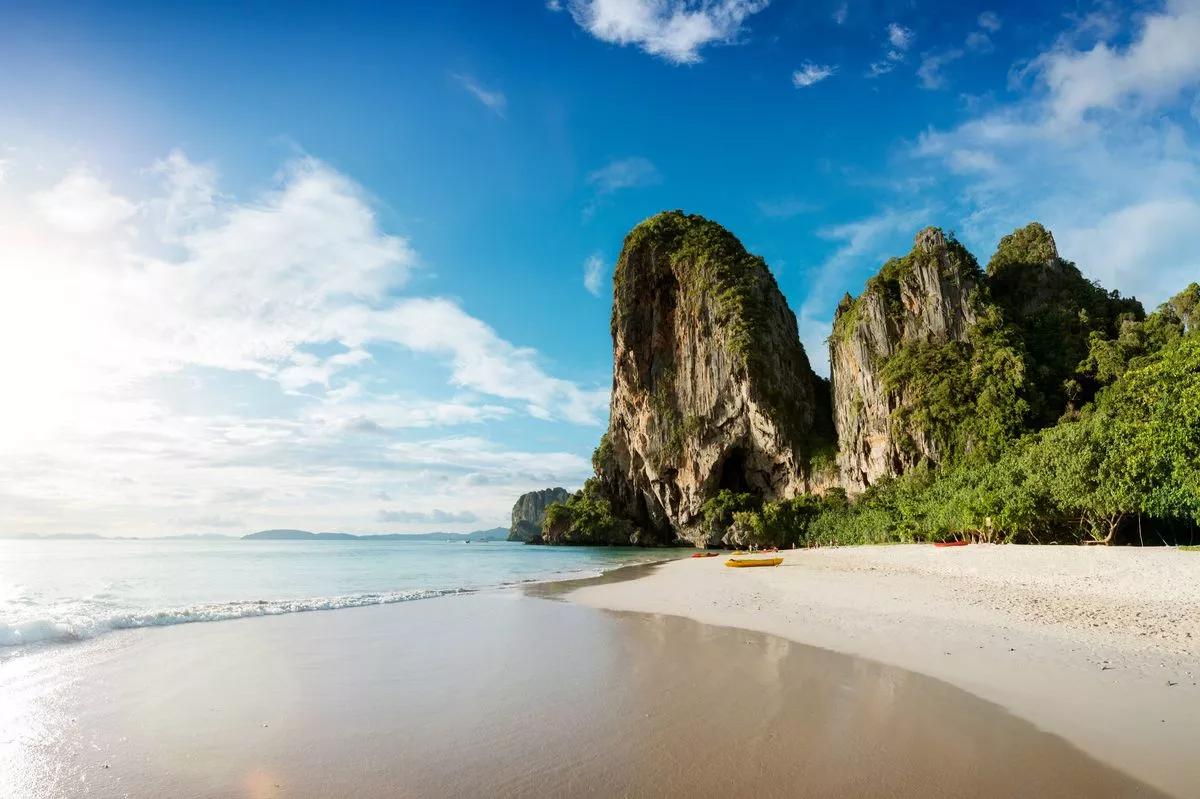
Notably, Thailand’s coastal and island destinations like Phuket, Koh Samui, and the Gulf of Thailand remain popular for beach tourism, boating, and yachting, providing safer havens for leisure and adventure seekers.
Forecasting the Future of Tourism in the Border Region
While political tensions pose immediate challenges, the broader historical appeal of Southeast Asia’s cultural heritage and natural landscapes is expected to sustain long-term tourism potential. Recovery and stabilization efforts, combined with diplomatic resolutions, are likely to restore confidence for international travelers.
The integration of sustainable tourism practices, especially ecotourism centered around natural lakes, wildlife reserves, and marine parks, will be critical to reviving the region’s allure.
Traveling Smart: Safety Tips and Alternatives
Travelers planning to visit Southeast Asia should stay updated with official advisories and prepare contingency plans.
- Check Official Sources: Always review the latest travel warnings from government agencies before booking trips.
- Avoid High-Risk Areas: Respect travel bans near the border, particularly where landmines and unexploded ordnance pose dangers.
- Consider Coastal Routes: Explore travel options focusing on Thailand’s coastline and islands that offer stunning beaches, marinas, and water sports.
- Boat Charters for Island Hopping: Renting sailing boats or yachts can provide flexible, scenic travel alternatives that bypass troubled land areas.
Summary: Key Points to Remember
| Aspect | Details |
|---|---|
| Seguridad Fronteriza | Active military engagements and landmine hazards; travel restricted within 50 km of the border |
| Seguro de viaje | Likely void in conflict zones; travelers bear responsibility for emergencies |
| Tourist Destinations Affected | Temples near the border closed; southern provinces under alert |
| Safe Alternatives | Island resorts such as Koh Chang and boating charters in safer marine areas |
The present situation in Thailand and Cambodia reflects a complex interplay of historical tensions and contemporary geopolitical challenges that have real consequences for international tourism.
Visitors to the region must prioritize safety by adhering to official advisories and considering alternative forms of travel such as yachting and coastal excursions. These alternatives not only offer safer experiences but also enrich the journey with the unique pleasures of boating, beach relaxation, and exploring marinas along the Gulf and ocean shores.
For those seeking unforgettable aquatic adventures, finding a yacht charter or boat rental offers a flexible way to explore the sublime coastal waters surrounding Thailand’s islands. Sailing the clear waters, engaging in fishing, or simply enjoying the sunseeker lifestyle on a superyacht are excellent ways to enjoy Southeast Asia’s famed maritime charm while steering clear of inland risks.
GetBoat is an international marketplace for renting sailing boats and yachts, providing a wide range of options to suit every taste and budget. Whether it’s a tranquil getaway among the Gulf’s islands or an exciting boating activity along the clear blue sea, GetBoat.com offers opportunities to indulge in safe and memorable aquatic vacations.