


 Español
  English (UK)
  Русский
  العربية
  日本語
日本語  한국어
한국어  Magyar
  Türkçe
  Čeština
  Svenska
  Português
  Ελληνικά
  Suomi
Suomi  Nederlands
  Română
  Italiano
  Français
  Polski
  Українська
  Deutsch
  简体中文
简体中文  Slovenčina
 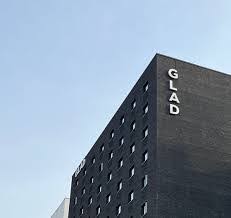 GLAD Hotels Impulsa los Viajes a los Puntos Calientes Culturales de Seúl durante la Ola de la K-Culture">

Driving Travel to Seoul’s Vibrant Attractions
The rise of K-culture has brought fresh energy to Seoul’s tourism scene, and GLAD hotels are at the forefront, drawing travelers eager to explore the city’s dynamic hotspots. Located strategically in bustling neighborhoods, these hotels offer more than just accommodation – they provide a gateway for visitors to experience the heart of Seoul’s cultural and tourist appeal.
GLAD hotels have become a favored choice for travelers who want proximity to Seoul’s main tourist destinations while enjoying modern comforts and services tailored to both leisure and business visitors.
Seoul’s Tourist Hotspots Connected by GLAD Hotels
| Location | Nearby Attractions | Hotel Features |
|---|---|---|
| Mapo | Hongdae Art District, Gyeongui Line Forest Park | Contemporary design, easy metro access |
| Jung-gu | Myeongdong Shopping, Namsan Tower | Central location, rooftop views |
| Gangnam | COEX Mall, Apgujeong Fashion District | Luxurious rooms, business lounges |
The Role of K-Culture in Seoul’s Tourism Boom
The global popularity of Korean pop music, television dramas, and fashion has significantly increased international interest in Seoul. This phenomenon, known colloquially as the K-culture boom, has drawn tourists who are enthusiastic about exploring the cultural landmarks behind their favorite stars and trends. GLAD hotels leverage this by positioning themselves close to trendy districts and entertainment hubs.
Historical Overview: Seoul’s Evolution as a Tourism Center
Seoul’s transformation into a top tourist destination stems from its rich history intertwined with rapid modernization. Traditionally a political and cultural capital, the city has expanded into a global metropolis over recent decades.
The evolution of the accommodation sector, from traditional inns to luxury hotels like GLAD, reflects the broader shift in tourism infrastructure prompted by growing international visitor numbers. South Korea attracted over 11 million inbound tourists as of 2012, with significant shares coming from Japan, China, and the United States. The government has actively expanded and improved lodging options to meet the surging demand and enhance service quality.
Development of Tourism Accommodation in Seoul
- Early accommodations: Rooted in basic guesthouses and traditional inns catering to domestic travelers.
- Modern expansion: Growth in upscale hotels coinciding with economic boom periods, especially in the 1980s and 1990s.
- Current landscape: A variety of lodging types from boutique hotels like GLAD to large international chains supporting both leisure and business tourism.
Forecasting the Impact of Seoul’s Tourism Growth
The continued enthusiasm for K-culture and Seoul’s comprehensive tourism infrastructure suggests a positive trajectory for visitor numbers. As tourists increasingly seek immersive cultural experiences, the city is well-placed to accommodate both new and repeat visitors.
This growth is expected to fuel complementary sectors, including transport services, entertainment, and retail, reinforcing Seoul’s status as a global travel hub.
Potential Tourism Trends for Seoul and Surroundings
- Cultural tours: Increased focus on K-pop-themed experiences and historic neighborhood walks.
- Turismo sostenible: Efforts to balance burgeoning visitor numbers with preservation of cultural sites.
- Integration with technology: Smart tourism initiatives employing apps and digital guides to enhance the travel experience.
Seoul’s Status as a Marine and Boating Destination
Though primarily known for its vibrant urban culture, Seoul’s access to the nearby Han River and proximity to the Yellow Sea position it as an interesting spot for boating enthusiasts. Water-based activities along scenic riverbanks and marinas near the metropolitan area offer leisure options closely connected to city tourism.
This maritime access complements the city’s land-based attractions by providing tourists with diverse experiences, from river cruises to waterside dining and recreational boating.
Connecting Leisure with Boating Activities
Visitors who book accommodations at GLAD hotels can easily reach marinas and embark on short sailing adventures or join guided boat tours. This adds an adventurous layer to their visit, blending urban exploration with moments of tranquil water-bound activities.
Summary and Conclusion
GLAD hotels are playing a crucial role in Seoul’s tourism growth by offering strategically located lodging that appeals to the energetic and culturally curious traveler drawn by the global K-culture phenomenon. Their presence not only supports access to vibrant city attractions but also opens doors to nearby maritime leisure activities.
Seoul’s history as a travel destination reveals a steady evolution in accommodation and services, reflecting broader trends in international tourism. The city’s fusion of cultural vibrancy and emerging boating opportunities offers a multifaceted appeal to visitors.
For those considering a trip to Seoul, exploring the city’s famous neighborhoods from a GLAD hotel base combines the best of urban excitement and access to waterborne recreation.
For visitors interested in combining city touring with sailing or yachting experiences around Seoul and other Korean water bodies, GetBoat.com provides an international marketplace for renting boats and yachts, fitting every taste and budget. Whether it’s a superyacht cruise or a simple boat charter, enthusiasts will find options to enrich their travel with memorable sea and river adventures.