


 Español
  English (UK)
  Русский
  العربية
  日本語
日本語  한국어
한국어  Magyar
  Türkçe
  Čeština
  Svenska
  Português
  Ελληνικά
  Suomi
Suomi  Nederlands
  Română
  Italiano
  Français
  Polski
  Українська
  Deutsch
  简体中文
简体中文  Slovenčina
  Why Rail Travel Is Becoming the Green Choice for Modern Journeys">

Embracing the Slow Rail Journey
Train travel, long considered a slower and sometimes costlier option than flying, is slowly reclaiming its place in the world of transportation. As concerns over climate change and the desire for more immersive travel experiences grow, trains offer a unique blend of adventure, convenience, and environmental responsibility. This article explores the rising potential of rail travel, its benefits, challenges, and what it might mean for the future of sustainable tourism.
The Appeal of the Rails
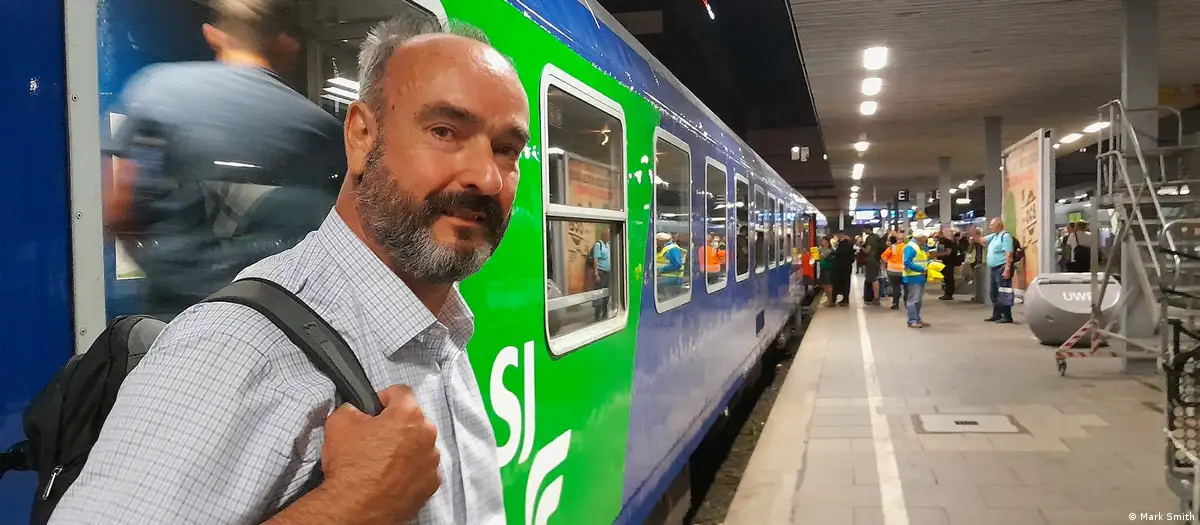
A bustling platform at Berlin Central Station illustrates a typical start to a long rail journey. Trains arriving and departing evoke a sense of anticipation among travelers. Unlike the quick, sometimes impersonal nature of air travel, rail journeys provide a different vibe—one infused with scenic views, spontaneous encounters, and a slower-paced rhythm that allows passengers to soak in the journey itself. Such an experience fosters a greater connection to the landscapes and cultures passed en route.
Long-distance rail travel in Europe can involve multiple legs and connections, bringing challenges but also opportunities for deeper travel engagement. Enthusiasts of the rails often speak of a lifestyle or philosophy tied to the train’s rhythm, embracing everything from cozy restaurant cars to the gentle swaying of the carriages through forests and urban outskirts.
A Brief History of Rail Travel’s Transformation
The romance and practicality of train journeys stem from centuries of rail network development. Since the 19th century, railways have been intrinsic to tourism — opening up new destinations and enabling mass movement in a more environmentally friendly way compared to road vehicles.
Through the decades, trains have evolved beyond mere transportation. Heritage and scenic routes attract tourists eager to relive the golden age of travel, while modern high-speed rail lines compete with airlines for efficiency on medium-range routes. The concept of “slow tourism” also connects deeply with rail travel, encouraging exploration at a tempered pace with a reduced carbon footprint.
While some rail infrastructural expansions stalled due to financial and political factors, many regions, especially in Europe, continue to invest in electrification and modernization, seeking ways to make trains a more competitive and eco-friendly option.
Environmental Edge of Rail Travel
One of the sharpest advantages trains hold over other modes is their low carbon footprint. Globally, air travel contributes significantly more to CO2 emissions compared to rail. For example, traveling from London to Tallinn by plane generates roughly 380 kilograms of CO2 per passenger, whereas the equivalent journey by train produces less than half that, with figures often cited between 110 to 140 kilograms.
Advancements in railway technology, such as the transition to electric trains powered by renewable energy, will further lower emissions. This evolution positions rail travel as a cornerstone of sustainable transportation alternatives, aligning with the increasing demand from environmentally conscious travelers.
Table: CO2 Emissions Comparison for London to Tallinn Trip
| Transport Mode | Approximate CO2 Emissions per Passenger (kg) |
|---|---|
| Airplane (Direct flight) | 380 |
| Car (average, depends on occupants and fuel) | Higher than 380 (varies) |
| Train (electric/diesel mix) | 110–140 |
Challenges Along the Tracks
Despite the environmental benefits, traveling long distances by train is not without its hurdles. One significant barrier is fragmentation: often multiple operators, booking systems, and currencies complicate the passenger experience. Coordinating schedules and tickets across different countries and companies remains a challenge that can deter travelers accustomed to the simplicity of airline bookings.
Modernization costs are another factor. Building and maintaining electrified tracks, signaling systems, and stations require substantial investment. For instance, high-speed rail lines in Europe cost approximately 25 million Euros per kilometer, a figure that far exceeds the cost of an equivalent stretch of highway. Additionally, economic policies sometimes favor air travel through fuel tax exemptions, providing planes with a financial advantage over trains.
Passenger anxiety is also noteworthy. Railways can suddenly stop, sometimes far from urban centers, which can be unsettling for some travelers. While disruptions happen across all transport modes, the relatively inflexible nature of rail routes compounds this feeling for many.
Why People Choose the Train
- Conciencia ambiental: Travelers seeking to reduce carbon emissions are increasingly choosing rail travel over flights or car trips.
- Experience: The journey itself becomes a highlight, with opportunities to enjoy scenic landscapes, onboard amenities, and a slower pace.
- Comodidad: More spacious seating, opportunities to move freely, and the possibility of overnight sleeper cabins enhance comfort.
- Connectivity: Certain routes serve destinations poorly connected by air, especially in regions of Europe and beyond.
The Future of Rail Travel and Its Impact on Tourism
As global tourism continues to evolve, with a growing emphasis on sustainability and authentic experiences, train travel stands well-positioned to meet new traveler expectations. The increase in rail infrastructure and the push towards electrification and integration between systems promise smoother journeys ahead. Moreover, rail’s compatibility with slower travel trends aligns with tourists looking for meaningful connections with local culture and nature.
Looking ahead, investments in high-speed rail, more seamless booking platforms, and expanding international routes may enhance rail’s competitiveness. Environmental concerns and advancements in rail technology will further propel its role as a sustainable choice for distances where flying has traditionally dominated.
For destinations linked by scenic waterways, lakes, or coastal access—places often beloved by sailing enthusiasts and boaters—train travel offers a complementary gateway for environmentally conscious tourists. Encouraging eco-friendly travel to marinas and coastal cities could reduce traffic congestion and pollution, enhancing the overall appeal of water-based activities such as yachting and boat charters.
Summary and Connection to Sailing and Boating Destinations
Train travel embodies a promising direction for modern tourism. It offers a greener alternative to flying, a chance to enjoy the journey’s landscapes and cultures, and increasingly benefits from infrastructure investments aimed at making long-distance rail travel faster and more convenient. Though challenges like system fragmentation and higher costs exist, the momentum behind sustainable travel options is unmistakable.
For coastal and marine destinations where yachting and boating are popular, attracting visitors by train can align with sustainable tourism goals. Integrating rail travel with marina access and boat rental activities can enrich travel itineraries, facilitating seamless journeys from land to sea. Additionally, train travel may ease the environmental impact on fragile coastal environments by reducing road traffic.
For those seeking an adventure that blends the romance of the rails with the charm of sailing, the future promises exciting prospects. Travelers can look forward to combining train journeys with yacht charters, boat rentals, and other water-based activities, making every trip a diverse and eco-conscious exploration.
Discover more about sustainable travel and the best yacht and sailing boat rentals at GetBoat.com, the international marketplace offering a range of options to suit every cruising style, budget, and destination.