


 Español
  English (UK)
  Русский
  العربية
  日本語
日本語  한국어
한국어  Magyar
  Türkçe
  Čeština
  Svenska
  Português
  Ελληνικά
  Suomi
Suomi  Nederlands
  Română
  Italiano
  Français
  Polski
  Українська
  Deutsch
  简体中文
简体中文  Slovenčina
  Business Traveller Spending Drives Airport Retail Transformation">

Aeropuertos: De puntos de tránsito a destinos de compras
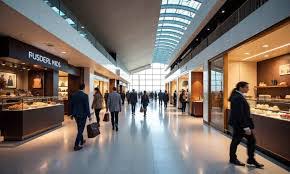
Los aeropuertos están experimentando una transformación drástica, superando su función convencional como meros puntos de tránsito. Las tendencias recientes revelan que estos centros se están convirtiendo en vibrantes escenarios comerciales, liderados por el creciente gasto de los viajeros de negocios. Este cambio está remodelando la experiencia aeroportuaria, transformando los tiempos de espera en atractivas oportunidades de compra.
El Ascenso del Gasto de los Viajeros de Negocios
Los viajeros de negocios se han manifestado como la fuerza dominante en los entornos minoristas de los aeropuertos, representando un estimado de 20-30 % del gasto total durante sus viajes. A diferencia de los viajeros de placer, los pasajeros de negocios tienden a realizar compras rápidas y decididas, a menudo integrando las compras a la perfección en sus rutinas de viaje. Sus gastos suelen cubrir salones VIP, restaurantes, productos de conveniencia y artículos libres de impuestos.
Después de los viajeros de negocios, los turistas internacionales contribuyen significativamente a las ventas minoristas de los aeropuertos, especialmente en artículos de lujo y recuerdos. Las familias, por su parte, equilibran las compras prácticas y recreativas, mientras que los viajeros solitarios suelen comprar artículos de primera necesidad como libros o aparatos electrónicos.
La Dinámica de la Compra por Impulso vs. la Compra Planificada
La psicología detrás de las compras en aeropuertos revela una fascinante interacción entre las compras impulsivas y las planificadas. Los aeropuertos están diseñados para provocar compras espontáneas: la colocación estratégica de productos atractivos cerca de las puertas de embarque, las salas de espera y las escaleras mecánicas busca captar a los viajeros justo donde más se detienen. Los estudios estiman que entre el 25 y el 35% de las transacciones en los aeropuertos son impulsivas, mientras que entre el 65 y el 75% están preplanificadas, a menudo facilitadas por los servicios de prepedido y recogida.
| Traveller Type | Porcentaje del gasto minorista en aeropuertos | Comportamiento de compra |
|---|---|---|
| Viajeros de negocios | 20-30% | Compras rápidas y decididas; salas de espera y tiendas libres de impuestos |
| International Tourists | 35-45% | Compras de lujo y recuerdos |
| Families | 15-25% | Combinación de práctico y recreativo |
| Viajeros Solitarios | 10-15% | Basado en la necesidad, p. ej., aparatos y libros |
Horarios de máxima afluencia de compradores y actividad en la terminal
El análisis de los flujos de compra en aeropuertos muestra picos distintos dependiendo del tipo de terminal y la hora del día. Las terminales nacionales experimentan las mayores ventas minoristas entre la mañana y la media tarde, aproximadamente de 7 a. m. a 3 p. m., a medida que los viajeros se apresuran a tomar sus vuelos. Las terminales internacionales, que se benefician de escalas más largas, ven su mayor actividad desde la tarde hasta las primeras horas de la mañana, entre las 7 p. m. y las 4 a. m. Este patrón se alinea con los procedimientos de facturación y seguridad más largos asociados con los vuelos de larga distancia, lo que a su vez aumenta el tiempo de permanencia y la intención de compra de los clientes.
Los perfiles de los visitantes de fin de semana tienden a favorecer las compras centradas en el ocio, como restaurantes y tiendas de regalos, mientras que el tráfico entre semana está dominado por viajeros de negocios que priorizan la conveniencia y el servicio rápido, especialmente en salones y tiendas de conveniencia.
La evolución del comercio minorista en los aeropuertos: un breve resumen histórico
Tradicionalmente, los aeropuertos funcionaban principalmente como puertas de enlace que conectaban a los pasajeros con sus destinos, con servicios mínimos más allá de las áreas de venta de billetes y las zonas de espera. La presencia minorista era escasa y se limitaba sobre todo a las tiendas libres de impuestos. A lo largo de las décadas, los aeropuertos de todo el mundo reconocieron el potencial comercial de las audiencias de viajeros cautivos y comenzaron a adaptarse, inspirados por el auge del consumismo y el crecimiento de los viajes de negocios globales.
Desde finales del siglo XX y hasta el XXI, los aeropuertos innovaron adoptando estrategias de centros comerciales y minoristas de lujo, creando espacios vibrantes donde los viajeros podían comprar, cenar y relajarse. La introducción de boutiques de marca, puntos de venta de comida gourmet y tiendas de conveniencia ubicados dentro de diseños de terminales bien planificados atrajo cada vez más el gasto espontáneo e intencional de los viajeros.
Psicología de las compras durante los viajes
La transformación de los aeropuertos en centros comerciales aprovecha la psicología del viajero. Los largos periodos de espera, la anticipación de los viajes y el entorno único donde la conveniencia se une a la exclusividad convergen para estimular el comportamiento de compra. Los minoristas capitalizan los detonantes emocionales, la visibilidad del producto y la facilidad de compra. El entorno comercial fomenta estratégicamente una mentalidad de ‘ver ahora, comprar ahora’, convirtiendo los aeropuertos en uno de los lugares de compras más singulares del mundo.
Pronóstico: El impacto futuro en el turismo y sectores relacionados
La tendencia emergente de los aeropuertos como entornos híbridos de viajes y venta minorista está destinada a intensificarse. A medida que los viajes de negocios se recuperan y el turismo internacional reanuda su crecimiento, se espera que los aeropuertos inviertan más en la creación de experiencias minoristas fluidas y eficientes dirigidas a diversos perfiles de viajeros. Esta evolución ofrece implicaciones que van más allá del comercio minorista: afecta la satisfacción de los pasajeros, los modelos de ingresos de los aeropuertos y el desarrollo del turismo urbano.
Para los destinos turísticos marítimos y costeros populares entre los aficionados a los charters de yates y a la navegación, esta tendencia también es importante. Los aeropuertos que actúan como puertas de entrada minoristas influyen en las expectativas de los turistas desde el momento en que aterrizan. Las opciones de venta al por menor convenientes y atractivas en los aeropuertos cercanos a las ciudades costeras o a los centros turísticos lacustres pueden mejorar la experiencia general del visitante, fomentando una mayor actividad económica no solo en tierra, sino también apoyando indirectamente a la navegación y a las industrias hosteleras relacionadas.
Patrones temporales de compra y segmentos de viajeros
| Tipo de terminal | Horas pico de venta minorista | Segmento de Viajeros Dominante |
|---|---|---|
| Domestic | 7 a.m. – 3 p.m. | Viajeros de negocios y viajeros diarios |
| International | 7 p.m. – 4 a.m. | Viajeros de placer y turistas internacionales |
El Rol de la Compra por Impulso
Las compras impulsivas constituyen un elemento significativo de las ventas minoristas en los aeropuertos. Entre una cuarta parte y un tercio de las transacciones surgen espontáneamente, a menudo desencadenadas por la colocación de productos y la atmósfera emocional única de los aeropuertos. Los minoristas diseñan su comercialización para atraer a estos impulsos fugaces, combinando gangas libres de impuestos con artículos exclusivos diseñados para atraer a los viajeros que se encuentran entre la partida y la aventura.
Implicaciones para destinos de navegación a vela y en bote
Los entusiastas de la navegación a vela y a motor que viajan a centros turísticos náuticos a menudo transitan por aeropuertos que han adoptado esta tendencia minorista. Una experiencia de compra bien seleccionada en el aeropuerto puede mejorar el inicio o la conclusión del viaje, ofreciendo a los viajeros artículos esenciales de última hora, regalos de lujo o equipos náuticos pertinentes a sus actividades marítimas. Esto se alinea con el patrón más amplio de los consumidores de yates y embarcaciones que aprecian la comodidad, el lujo y los servicios a medida.
A medida que los destinos de alquiler de yates compiten a nivel mundial, la conectividad, unida a servicios aeroportuarios de calidad, incluido el comercio minorista, se convierte en un factor diferenciador. Los aeropuertos que evolucionan hacia centros comerciales pueden, por tanto, impulsar indirectamente el turismo náutico y las actividades asociadas, desde la venta de equipos hasta las excursiones locales y la hospitalidad en la playa.
Conclusión
La transformación de los aeropuertos en bulliciosos destinos de venta al por menor, impulsada principalmente por los viajeros de negocios, está remodelando el panorama de los viajes. Con una mezcla de compras impulsivas y planificadas, los aeropuertos ahora sirven como microcosmos de la evolución del comportamiento del consumidor, sincronizados con los ritmos de los perfiles de los pasajeros y los tipos de viaje. Las horas de mayor actividad comercial varían entre las terminales nacionales e internacionales, lo que refleja la diversidad de las necesidades de los viajeros. Esta tendencia mejora la experiencia del viajero y presenta nuevas oportunidades para la innovación minorista en todo el mundo.
Para los destinos costeros y marítimos, esta evolución es particularmente relevante, ya que los espacios comerciales de los aeropuertos apoyan y complementan las tendencias crecientes en el chárter de yates y el turismo náutico. Desde los puertos deportivos hasta las experiencias de navegación de lujo, el ambiente comercial en los puntos de llegada forma una pieza importante del rompecabezas del viaje del viajero.
Para aquellos interesados en explorar alquileres de veleros, barcos en alquiler y una variedad de actividades náuticas, GetBoat.com ofrece un mercado internacional que se adapta a diversas preferencias y presupuestos, acercándole al mar, al sol y a inolvidables aventuras náuticas.