


 Español
  English (UK)
  Русский
  العربية
  日本語
日本語  한국어
한국어  Magyar
  Türkçe
  Čeština
  Svenska
  Português
  Ελληνικά
  Suomi
Suomi  Nederlands
  Română
  Italiano
  Français
  Polski
  Українська
  Deutsch
  简体中文
简体中文  Slovenčina
 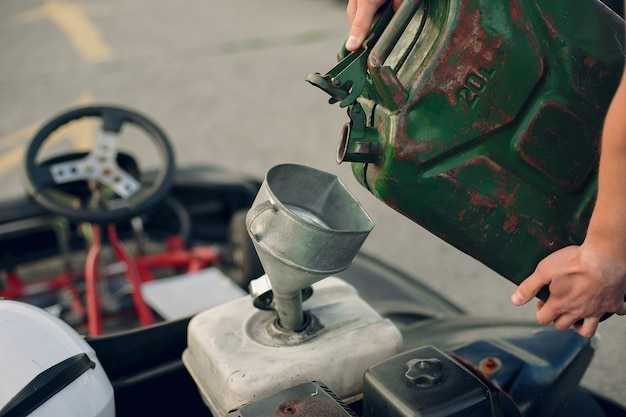 Motorboat Fuel Consumption – How Much Fuel Do Motorboats Use?">

Set a fuel budget for each trip and cruise at your boat’s most economical speed. Build this from a simple log: record fuel flow (GPH or L/h), speed (knots), and distance. This approach gives you immediate advantage and a clear baseline to compare trips.
Across the market, fuel use varies with power, hull size, and load. For example, a small outboard powered runabout (up to ~100 HP) typically consumes about 4–7 GPH (15–26 L/h) at 20–25 knots, while a mid‑range cruiser (150–300 HP) commonly runs 8–25 GPH (30–95 L/h) at 25–40 knots. Large diesels in sport cruisers (350–600 HP) may hit 20–40 GPH (75–150 L/h) at 25–30 knots. These figures depend on hull design and trim; use them as ballpark targets for your boat.
Understanding how turning, load, changing weather, and sea state alter consumption helps you plan. They affect fuel curve: heavier boats burn more when fully loaded, and a flat trim with clean hulls reduces drag. Gaining understanding of the fuel curve allows precise decisions. Correct propeller pitch and engine RPM, and keeping the hull clean, can cut GPH by 10–40% compared with a poorly maintained setup.
Hybrid and electric options provide an extra lever of control. In hybrid configurations, the electric motor supplements idle or low‑speed legs, lowering GPH especially in city channels or when maneuvering. The diseños that blend turbine-response and battery support show a real advantage for boats that spend substantial time at low speeds. For many boats, this is not a replacement for fuel power, but a tactic to extend range in calm water.
To оценить changes in consumption, keep a simple calculator: liters per hour divided by distance per hour equals liters per nautical mile, then multiply by planned hours. Log each trip’s ходa–haul-out, cruising, and maneuvering–and note hours and consumption. This information helps you оценить how efficiency moves during the ходa of a trip.
Tips for building a practical plan are simple: lighten load, remove unused gear, schedule fuel stops, and use route planning to minimize detours. Making small upgrades–valiant efforts in hull designs or propellers–adds up. The market information supports choosing hybrid or conventional designs; staying curious, they help you refine your approach and keep costs predictable.
Key Factors Shaping Motorboat Fuel Use by Hull Design

Match your hull to your typical cruising speed and weight to achieve maximum efficiency; this work helps you reduce fuel use over time and keeps your speedboat running smoothly on long trips. For most runs, a balanced planing or semi‑displacement hull with thoughtful trim delivers the lowest liters per nautical mile at common speeds.
Hull design drives drag and fuel burn. Wetted surface, hull form, and ballast determine the ratio of resistance to speed. A longer waterline improves efficiency at higher speeds, but more wetted area adds friction at slower speeds. Planing hulls lift onto the plane to shed displacement drag and rapidly drop overall resistance, while displacement hulls rely on buoyancy to carry loads efficiently at calm, low‑speed runs. This dynamic means you should choose hull form to match your typical operating envelope rather than chasing high speed alone.
Outboards typically reduce transom weight and enable precise trim control, which lets you adjust the attitude for efficiency. When paired with a hull designed for light, compact propulsion, this setup allows you to reach better range at cruising speeds. Avoid oversized gear that adds weight and drags the stern through the water, and heed practical advice from experienced builders rather than filling your boat with unnecessary hardware.
Weight and materials matter. A lighter hull with a stiff structure reduces the work the engine must perform. Aluminum and fiberglass have different weight profiles and stiffness, so optimize ballast and gear to keep the waterline stable. This development of hull systems contributes to reduced fuel burn and better overall efficiency; every kilogram left off the stern translates to measurable gains in range.
Trim, attitude, and drag control. Maintain optimum trim for the chosen speed; small adjustments to trim and ballast can drastically cut drag and improve efficiency over time. Accelerate smoothly to reach the lift threshold, then hold speed with a steady throttle to minimize energy loss. Use current data to learn and validate accurate expectations, and consult the table for rough table values to compare your results with typical ratios. This approach ensures you avoid myths and keep your development on track, while you bombard your routine with practical, step‑by‑step advice that reduces fuel use in real world conditions. This mindset helps you monitor fuel performance and adjust settings as you gain experience.
In practical terms, monitor a simple table of fuel use by hull design at your cruising speed. A typical ratio shows displacement hulls around 0.3–0.6 liters per nautical mile at 6–12 knots, semi‑displacement in the 0.6–1.8 L/nm range at moderate speeds, and planing hulls that can exceed 2–6 L/nm at 25–40 knots depending on weight and trim. Use these figures as a guide, but rely on accurate, current measurements from your own boat to tailor adjustments. By iterating work, you can learn quickly and optimize how you operate your speedboat for maximum efficiency and reliability.
Ultimately, the hull design you choose sets the baseline for fuel use; the ongoing work is to adjust trim, weight, and propulsion to suit real conditions. By focusing on the factors above and using data‑driven advice, you’ll improve efficiency, reduce fuel consumption, and achieve reliable range even on longer passages. вместе, you can develop a practical plan that works now and into the future, with every voyage contributing to more accurate, real‑world results.
Estimated fuel burn at cruise speeds for planing vs displacement hulls
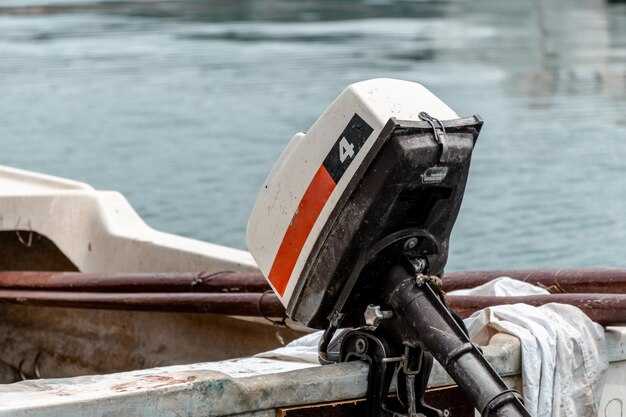
Recommendation: For cruising below 15 knots, displacement hulls offer the lowest fuel per mile. When you routinely cruise above 18 knots, switch to a planing hull with efficient 4-stroke outboards and keep the hull clean; this offering lets you reach higher speeds with a favorable fuel-saving ratio. The approach supports season planning, capacity management, and uses a logbook to оценить performance under current wind and sea conditions where load, trim, and ballast matter.
Current data show typical ranges for boats of similar length but different hull types. A 25–30 ft displacement boat with 200–250 hp burns roughly 15–28 L/hr at 8–12 knots; at 12 knots it stays around 18–28 L/hr, yielding about 1.6–2.3 L per nautical mile. A planing hull of similar size with 250–300 hp consumes roughly 40–70 L/hr at 22–26 knots; that translates to about 2.0–3.0 L per nautical mile. The ratio of fuel per mile varies with weight, load distribution, and how well you maintain the hull. Poorly trimmed boats also waste energy by generating extra drag.
Seasonality matters: if you operate mostly short hops with frequent stops, displacements save fuel. For long offshore legs at higher speeds, planing hulls can offer lower time and improved efficiency when you stay within the plane range. To minimize waste, assess both options in a test voyage with similar wind and current and record liters per nautical mile in your logbook. This development builds an overall view of capability and informs future purchases or hull reconfiguration for your capacity and reach goals, across a wider set of operating conditions.
Advice for operation and ongoing maintenance: keep hulls clean and free from fouling, inspect propellers, and consider multi-blade props tailored to your hull shape. Outboards with 4-stroke engines are generally more fuel-efficient and cleaner on emissions than two-stroke alternatives; their reliability supports longer seasons and reduces cleaning frequency. This setup generates predictable fuel use and supports better planning of trips and reserves. Use the data you collect to assess the best cruise speed where performance, fuel consumption, and range align with your needs; the goal is to minimize consumption without sacrificing safety or comfort. In practice, a modest trim and steady RPM in the optimal window will produce the widest margin in overall fuel savings for the season and help you оценить future operation scenarios.
Wetted surface area and hull form impact on fuel use at a given speed
For captains aiming to minimize fuel burn at a chosen speed, choose a hull form that keeps wetted surface area low and trim distribution optimal. A modern approach combines hull design with ballast and trim control that actively monitor performance, offering a clear advantage in fuel efficiency for recreational motorboats.
Wetted surface area (WSA) is the portion of the hull that stays in contact with water. At a fixed speed, more submerged hull skin increases skin friction drag, so smaller WSA means less friction and lower fuel use. This relationship is roughly linear in the friction-dominated portion of the resistance, with diminishing returns as wave drag rises with speed. In practice, reducing WSA by about 5–15% at your target speed often translates to a 5–15% drop in fuel burn, depending on hull shape, weight, and water conditions.
Hull form matters as much as hull size. They work together to shape how a boat sits in the water, how water flows past the shell, and how much energy goes into pushing water aside vs moving the boat forward. Look for forms that keep the shell smooth and the underwater profile clean, especially where water flow separates or reattaches near the stern. A well-chosen form distributes lift and buoyancy to reduce suction and drag, improving efficiency without sacrificing stability.
- Displacement and semi-displacement hulls tend to have larger wetted areas at rest and at modest speeds, delivering comfortable stability but higher drag at higher speeds.
- Semi-planing and planning hulls shed water contact as speed rises, reducing WSA and friction drag, which improves efficiency at moderate to high speeds.
- Catamaran and trimaran configurations lower total wetted area per boat length, often increasing stability and reducing drag, but require attention to weight distribution and sailing through crosswinds or chop.
- Sharp entry and smooth runs along the hull shell minimize turbulence and lift-induced drag, improving fuel efficiency for the same speed.
Data-driven guidelines help when choosing a configuration. For a recreational motorboat in the 6–9 m range, a hull form that reduces wetted surface by about 10% at your target speed can yield a 5–12% gain in fuel efficiency, provided weight is managed and trim is optimized. Gains taper as you approach planing speeds where wave drag and spray become more influential.
Practical steps for captains and crews. They can apply a straightforward workflow to maximize efficiency at the same speed range:
- Define the target speed window and typical load. A narrower window makes it easier to pick a suitable hull form.
- Evaluate hull forms with similar overall weight and length-to-waterline ratio; prioritize smoother underwater profiles and fewer protrusions that increase WSA.
- Optimize weight distribution to keep the hull at or near the designed trim. A balanced distribution minimizes unnecessary wetted area during acceleration and cruising.
- Use trim tabs and ballast management with electronic monitoring. Real-time data helps maintain the most efficient hull attitude and reduces drag distribution errors.
- Maintain the hull surface. Regular cleaning and anti-fouling coatings keep friction low; even modest fouling raises wetted area and fuel use.
- Choose suitable propulsion and drive options. A propeller with the right pitch and a propeller shaft aligned to the hull can reduce drag and improve overall efficiency without sacrificing performance.
- Assess the shell shape during sale or purchase. Look for hulls described as offering fuel-efficient performance at common recreational speeds, and verify that the distribution of weight and load supports stability without compromising speed.
- Monitor performance over time. Use an integrated display to track speed, RPM, fuel flow, and trim; use the data to fine-tune ballast and running attitude for ongoing savings.
In conclusion, minimizing fuel use at a given speed hinges on selecting a hull form with a suitable wetted surface area and maintaining stability through balanced weight distribution. Modern hulls that emphasize smooth, clean underwater profiles paired with thoughtful electronic monitoring can deliver a noticeable fuel-efficiency edge, especially for recreational boats that spend substantial time at a steady cruising speed.
Weight, ballast, and load distribution effects on fuel consumption
Recommendation: keep ballast within the hull’s designed capacity and distribute load along the centerline to minimize trim drag and fuel use on every trip. Maintain a well-maintained ballast system, use lighter gear when possible, and balance passengers and gear to keep total mass within safe limits.
Understanding how size and hull shape interact with weight helps you predict efficiency changes. A lighter, centered load reduces wetted surface and pitch, especially on recreational boats that spend much of their time at modest speeds. Such adjustments can shift fuel burn by noticeable amounts, depending on hull type and operating conditions, so monitor how trim and speed respond after each change.
Tips to optimize load distribution include placing heavier items low and near the center, keeping passengers and equipment within capacity, and avoiding top-heavy cargo. Looking at trips as test runs, gather information from prior runs, and use a consistent baseline to compare results. Some modifications to ballast and packing can yield meaningful gains, particularly when you stay around the center of gravity and keep gear lighter where possible.
When considering modifications, track results with расчета and simple on-board notes to quantify effects on fuel consumption. Prices for ballast upgrades vary with system type and installation, so evaluate options that fit your hull size and capacity. A well-balanced, lighter setup supports smoother cruising and around-quiet performance, while a heavier or poorly distributed load raises drag and needs more fuel. This approach is practical, data-driven, and adaptable to different hulls and trips, helping you maintain a reliable understanding of how weight affects efficiency.
Engine type, propeller selection, and gearing influence on fuel draw
Elija un motor moderno de cuatro tiempos en el rango de 50 a 200 hp y combínelo con una hélice a juego para ahorrar combustible durante la navegación con carga. El tipo de motor importa: las unidades diésel ofrecen un fuerte par motor en bajas revoluciones y, normalmente, logran un menor consumo de combustible bajo peso de carga, mientras que los motores de cuatro tiempos de gasolina responden rápidamente pero pueden quemar más combustible a velocidad de crucero constante. Esta elección sienta las bases para la planificación de la eficiencia y el mantenimiento.
La selección de hélices depende del diámetro, el paso y el diseño de las palas para mantener el motor en su eficiente banda de par. Una hélice con un paso o diámetro excesivos aumenta la velocidad del motor y el consumo de combustible al transportar equipo, mientras que una hélice de tamaño adecuado reduce la resistencia y mejora la economía. Busque una geometría de palas adecuada y, cuando sea posible, pruebe una opción similar para confirmar los resultados.
Influencia del engranaje: elija una relación de transmisión que mantenga las RPM del motor en el rango eficiente a velocidad de crucero. Un engranaje demasiado alto limita la capacidad del motor para alcanzar su torque eficiente, aumentando el consumo de combustible; un engranaje demasiado bajo eleva las RPM y desperdicia combustible. El papel del engranaje es traducir el torque del motor en empuje de la hélice con pérdidas mínimas; más allá del peso y la distribución del casco, el factor es cómo el engranaje soporta un funcionamiento constante y de bajo consumo de combustible.
Mantenimiento y pruebas: atienda regularmente el motor, la hélice y la caja de cambios; inspeccione las palas en busca de daños, equilibrio y seguridad del cubo; verifique la alineación del eje y los niveles de aceite; para motores de gasolina, verifique el tiempo de encendido y el sistema de combustible. Realice cálculos para diferentes cargas para ver cómo cambian los consumos de combustible; puede ajustar el tiempo de encendido dentro de límites seguros y verificar el efecto con mediciones actualizadas. Evite un bombardeo de cambios ad hoc; confíe en los datos para guiar los ajustes. Utilice accesorios e hardware безопасные y solo lleve lo necesario para minimizar el peso y mejorar la economía.
Métodos sencillos a bordo para medir el consumo real de combustible
Comience con una prueba simple de llenado y rellenado: llene el tanque hasta el máximo, opere a una velocidad constante durante una etapa definida, luego rellene hasta el máximo y registre el combustible utilizado por distancia. Esta línea de base le brinda una referencia concreta que puede repetir en diferentes condiciones, para que vea la difference cuando cambias la carga, la velocidad o el ensuciamiento del casco.
Método A: sensores a bordo directos. Si tu inboard o electric engine supports a fuel-flow medidor, registre la tasa en litros por hora y las horas del motor, luego calcule el consumo total. Esto allows para que puedas comparar specific consumo a 2–3 velocidades y cargas. Los eventos de inyección pueden confirmar una entrega de combustible uniforme en todos los RPM. Si no tiene un medidor de flujo, aún puede usar el método de llenado y registro como copia de seguridad, pero la calidad de los datos será menor.
Método B: registro posterior a la carrera con GPS y indicador de combustible. Comience con el combustible a bordo para una etapa que pueda repetir, luego rellene y registre la distancia, la velocidad y el combustible utilizado. Calcule litros por milla náutica y horas por milla. This approach simplify tu recopilación de datos y revela cómo performance cambios con changing velocidad, peso y viento. A lightweight los barcos muestran una diferente reach curva que una fuertemente loaded uno, y headwind empeora los números.
Factores y mantenimiento. Casco falta, condición del propulsor y limpieza general afectan directamente el arrastre y el consumo de combustible. Regular cleaning puede reducir la resistencia y disminuir el consumo en un margen significativo a velocidad de crucero. Mantenga el casco liso, revise la hélice en busca de daños o clix, y verificar que el recorte sea estable; pequeños ajustes pueden mejorar performance y reduce el gasto a lo largo de una temporada. Cumpla con una rutina para que los resultados sigan siendo significativos en cada viaje.
Consejos sobre el registro. Si quieres a simplify el proceso, puede llevar un registro de una página en un teléfono inteligente o cuaderno, con campos para fecha, longitud de la pata, velocidad, horas del motor, combustible utilizado y notas (carga, viento, viento de proa y estado de suciedad). Esta hoja de datos compacta le permite detectar tendencias rápidamente y planificar por lo tanto la mejor velocidad de crucero para tu barco.