


 Español
  English (UK)
  Русский
  العربية
  日本語
日本語  한국어
한국어  Magyar
  Türkçe
  Čeština
  Svenska
  Português
  Ελληνικά
  Suomi
Suomi  Nederlands
  Română
  Italiano
  Français
  Polski
  Українська
  Deutsch
  简体中文
简体中文  Slovenčina
  Lake Brownwood, Medina Lake, and Inks Lake Fully Infested with Zebra Mussels – What You Need to Know">

The recent surge in the zebra mussel population within Lake Brownwood, Medina Lake, and Inks Lake has raised significant concerns among local communities, builders, and watercraft enthusiasts. These gorgeous water bodies, known for their incredible fishing, swimming spots, and resort-style facilities, are facing challenges that could impact the quality of outdoor experiences. For families and anglers, understanding the implications of this infestation is critical to ensuring enjoyable and safe getaways.
Established accommodations at lakeside estates offer various options for crafting the perfect getaway, with campgrounds fit for tents and facilities that support recreational activities. However, as local populations of zebra mussels thrive, these areas may become muddy and cluttered with sludge, potentially diminishing the beauty of these locations. Anyone planning to hook up at the docks or enjoy a campfire on the shore should be aware of the implications regarding watercraft maintenance and environmental stewardship.
In light of ongoing discussions about the effects of submersible organisms, especially in locations where deer and gators roam, detailed insights into how to manage the situation are essential. From understanding the initial impacts on local ecosystems to the long-term strategies for controlling the mussel population, every visitor must stay informed. Whether you’re purchasing gear for fishing or preparing for a family day at the lake, being proactive will help preserve these exquisite waters for future generations.
Understanding Zebra Mussel Infestation
Zebra mussels pose an extreme threat to lakeside environments like Lake Brownwood, Medina Lake, and Inks Lake. These invasive species quickly establish populations that can dominate local ecosystems. Surveys indicate that they can outcompete native fish and other aquatic life for food and habitat, leaving muddy landscapes devoid of former biodiversity. The impact on homeowners and builders in these areas is profound, as property value can decline due to diminished recreational opportunities. A quote frequently heard among local residents is that “living near infested waters is less desirable.” Thus, the need to manage and mitigate zebra mussel populations has never been more critical.
For those involved in boating and recreational activities, understanding how to protect your equipment is essential. Using portable, custom equipment when on the water can prevent this infestation from spreading. In addition, when you leave a site, ensuring that your boat is clean and free of zebra mussels should be a primary concern. Public parks and clubs near these lakes often hold events aimed at educating the community on best practices. It is crucial that boater support grows to combat this issue effectively and ensure the exceptional natural beauty of these regions remains intact for future generations. Remember, the goal is to enjoy nature, not to become a part of the problem.
What Are Zebra Mussels and Their Impact?
Zebra mussels are small, freshwater bivalves that are native to the lakes of Eastern Europe. They have become established in many bodies of water across the United States, including Lake Brownwood, Medina Lake, and Inks Lake. Their exceptional reproduction rate allows them to quickly dominate aquatic environments, outcompeting local species for resources. This invasive species not only alters the ecosystems of the lakes but also impacts recreational activities, such as kayaking and fishing, due to changes in water quality and biodiversity.
The presence of zebra mussels can lead to significant economic implications for nearby areas. They clog water intake pipes and sewer systems, causing costly repairs and maintenance for local municipalities. Marina owners and resort-style properties must invest in custom solutions to prevent infestations, and many local offices have issued warnings regarding the consequences of untreated water bodies. For example, the state may establish regulations for campground access to prevent further spread, especially in popular locations like counties near Medina and Buchanan lakes.
| Impact | Description |
|---|---|
| Ecological | Disruption of local wildlife and habitat due to competition for space and resources. |
| Economic | Increased maintenance costs for water systems and potential loss in fishing revenue. |
| Recreational | Altered water quality affecting activities such as swimming, fishing, and water sports. |
As people seek to enjoy the natural beauty of these lakes, they must know the challenges posed by zebra mussels. The drain on local ecosystems and the potential for increased traffic to recreation areas can lead to serious consequences if left unchecked. It is crucial for communities, campers, and lakefront property owners to work together to manage and mitigate the effects of zebra mussels on their beloved lakes.
Signs of Infestation in Local Lakes
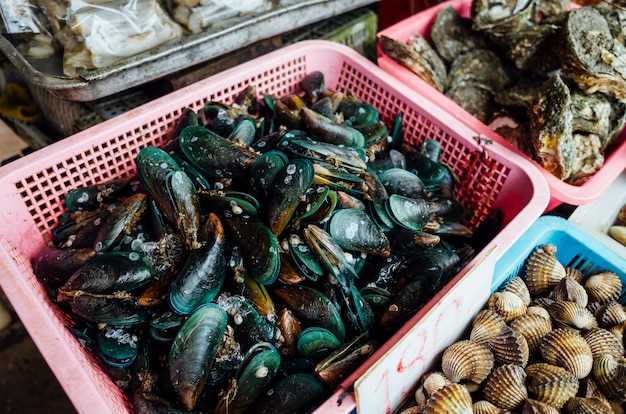
One of the initial signs of zebra mussel infestation in lakes like Lake Brownwood, Medina Lake, and Inks Lake is the presence of excessive sludge near the water’s edge. This accumulation often occurs in areas with minimal water traffic, making it easy for anyone to spot during a casual visit. As these mussels reproduce, they create a layer of organic material that can affect the quality of the water, leading to increased pollution and disrupted ecosystems.
Another noticeable indicator is the clumping of zebra mussels on various surfaces, including boats, fishing gear, and nearby structures. These tiny mollusks exhibit a strong suction capability, allowing them to attach firmly. If you are taking your boat to specific parks or road access points, be sure to check for any signs of these invaders. This phenomenon effectively highlights the need for regulations aimed at protecting these local sites.
During your visit to any local lake, keep an eye out for unusual patterns in fish behavior. Healthy lakes typically support a diverse fish population, but the spread of zebra mussels can disrupt the local food chain. The mussels filter out large amounts of phytoplankton, which may result in a reduced food source for fish, ultimately impacting their population and the recreational fishing experience. If the fish appear sparse or sicker than normal, it may be time to contact the county manager for further surveys.
Additionally, the presence of dead or dying aquatic life can signal an underlying problem related to zebra mussel infestation. The mussels extract essential nutrients from the water, causing rapid changes in the aquatic environment. As water quality deteriorates, it can lead to fish kills and other serious ecological consequences. Observing these dead organisms near bath areas or recreational amenities can serve as a clear warning sign for park managers and guests alike.
For those who enjoy outdoor activities in the local lakes, awareness of these signs is crucial. Products and gear used for fishing, boating, or even cooking should always be cleaned thoroughly to prevent the spread of zebra mussels. Portable baths and washing stations near popular attractions like deer parks must be a part of the strategic plan for stopping these invasive species from taking over other valuable fishing locations and ecosystems.
Today, it’s essential for everyone who frequents these lakes to understand that options for protection and prevention are limited but necessary. Being proactive is vital in managing zebra mussels. If anyone suspects an infestation, they should inform the local office immediately to organize further assessments and take action. Failure to act can lead to a lost experience for future visitors and significant impacts on the local aquatic ecosystems.
Consequences for Recreation and Wildlife
The infestation of zebra mussels in Lake Brownwood, Medina Lake, and Inks Lake presents significant challenges for recreation and local wildlife. These organisms, originally from Eurasia, have established themselves in various water bodies across the country, causing critical ecological shifts. This change affects the swimming experience for all visitors who want to enjoy the pristine waters nearby.
As zebra mussels proliferate, they can dramatically alter the quality of recreational activities. Swimming areas may become hazardous, as these mussels can create razor-sharp edges on rocks and shorelines, making it risky for young children and families to engage in activities like picnic outings or campfire gatherings. Individuals planning summer fun must consider the potential dangers associated with these invasive species.
These mussels also impact fish populations by competing for food. The cisco and larger fish species rely on specific food sources that zebra mussels consume, potentially leading to shortages. This can disrupt local fishing conditions, which are crucial for communities that host seasonal fishing competitions and larger recreational gatherings.
Another immediate concern is the infrastructure damage caused by zebra mussels. They tend to clog pumps and filters, resulting in increased maintenance costs. Municipalities may need to drain channels or enhance existing sewer systems to manage pollution better while ensuring that water quality remains acceptable for both human use and wildlife habitats.
Lake Buchanan and other nearby attractions are at risk from this ongoing issue. The community’s reliance on lake-based tourism for economic stability means that fixed measures must be adopted to control the problem. Gated recreational areas may be introduced to protect specific zones from further infestation and provide safe access to residents and visitors who want to enjoy nature.
Surveys and studies are underway to monitor the effects of zebra mussels on local wildlife and ecosystems. Community managers and environmentalists encourage anyone interested in these issues to explore educational resources available on local websites. Understanding the consequences helps raise awareness and formulate effective strategies for combating mussel populations.
Ultimately, the presence of zebra mussels affects everyone, including those who may have previously purchased homes near these lakes or those who frequently enjoy outdoor activities. The quality of life in affected areas can decrease due to limited recreational access and environmental degradation, making it essential for communities to come together and share solutions.
As firewood suppliers and recreation companies adjust to the new reality, residents and visitors alike must remain vigilant. The fight against zebra mussels will require collaboration, innovative measures, and ongoing commitment, ensuring that lakes remain a source of enjoyment and community spirit while safeguarding extraordinary wildlife and habitats.
How Infestation Affects Fishing Activities
The recent infestation of zebra mussels in lakes like Brownwood, Medina, and Inks significantly alters the fishing landscape. These pests spread rapidly, covering the bottom of the lakes and affecting the aquatic ecosystem. Fishermen may find that their traditional fishing spots are less productive. The presence of zebra mussels alters the water’s clarity, making it more challenging to locate fish that favor particular depths and structures.
Moreover, the craftmanship of fishing gear may be put to the test as anglers adapt to these changing conditions. Many report equipment damage due to the sharp edges of zebra mussels, which can cut lines and snag bait. This necessitates constant equipment checks and, potentially, an investment in more durable fishing gear. The potential costs can be burdensome for those who rely on fishing as a source of income or recreation.
- Access to Prime Lakes: Fully infested lakes can see restricted access as authorities work to control the spread.
- New Fishing Techniques: Anglers must adopt different techniques and possibly shift to new locations.
- Changes in Fish Behavior: Fish species may move to deeper waters or alter their feeding habits, resulting in a challenging fishing experience.
As zebra mussels thrive and reproduce, they create sludge that affects both fishing and boating activities. The water quality can decline, leading not just to fewer fish in certain spots but also to a more uncomfortable experience on the water. The additional work needed in maintaining boats, as well as facilities around the lakes, can deter even the most dedicated anglers and outdoor enthusiasts from pursuing their hobbies.
Fishing parks and resort-style accommodations around these lakes might also need to adjust their offerings. Facilities that previously attracted guests for quiet fishing experiences may need to report on infestation levels and educate visitors on how to protect their gear. Areas like Proctor and Buchanan have long been known for their fishing opportunities, but anyone planning to visit should now check the latest surveys and updates. The landscape of fishing, from young anglers to seasoned veterans, is undeniably shifting in response to this ongoing ecological challenge.