


 Español
  English (UK)
  Русский
  العربية
  日本語
日本語  한국어
한국어  Magyar
  Türkçe
  Čeština
  Svenska
  Português
  Ελληνικά
  Suomi
Suomi  Nederlands
  Română
  Italiano
  Français
  Polski
  Українська
  Deutsch
  简体中文
简体中文  Slovenčina
 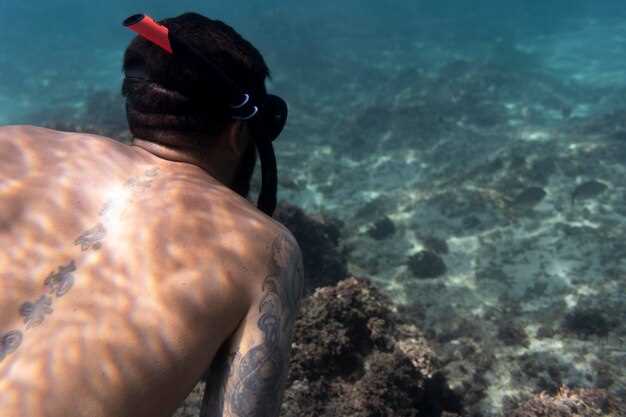 Lake Allatoona Diving – Best Spots, Wrecks, and Beginner Tips">

Para un comienzo fiable, contrata a un guía certificado, además de una embarcación, para una primera excursión en alta mar y acceder a estructuras sumergidas con acceso seguro. Apreciarás las rutas guiadas, la reserva online, llegar temprano y una rápida revisión del equipo antes de entrar al agua.
Dentro de este embalse hay varias zonas accesibles cerca de la orilla, que ofrecen profundidades de 3,5 a 12 metros; secciones más profundas ocasionales alrededor de estructuras hundidas. Visibilidad normalmente oscila entre 6 y 15 pies dependiendo de la lluvia, el viento y la renovación. En épocas secas, espere agua más clara cerca de la superficie, aunque la turbidez puede aumentar después de las tormentas. Incluye: notas prácticas sobre equipo, acceso, seguridad.
Los buceadores novatos deben adquirir un equipo completo en una sola tienda para evitar que falten elementos; elegir carretes de acero inoxidable, compensadores de flotabilidad con válvulas confiables, reguladores dimensionados para un tiempo de fondo de 50 a 60 minutos; una máscara básica, aletas y snorkel mantienen la movilidad cerca de zonas poco profundas; los arrendatarios a menudo se benefician de un paquete completo que incluye cinturón de lastre, guantes y bandera de señalización de superficie.
Los buceadores novatos deben mantener la flotabilidad neutra, guardar una distancia prudencial de las estructuras, respetar la fauna, sobre todo los hábitats de lubinas de boca grande, realizar comprobaciones con el compañero, limitar los tiempos de fondo en zonas poco profundas a 25–30 minutos, no exceder nunca la profundidad prevista, evitar remover los sedimentos, llevar un cortacabos e incluir una boya de señalización de superficie para emergencias.
Llegar mediante el registro previo en línea agiliza la entrada; la capacidad de estacionamiento en las rampas principales varía de 40 a 60 vehículos entre semana, aumentando a 100-120 los fines de semana de mayor afluencia; los arrendatarios pueden elegir entre paquetes de equipo incluidos que cubren máscara, aletas, regulador y chaleco de flotabilidad; las opciones de cobertura se extienden a plomos, boya de señalización de superficie y cortacabos; llegar temprano ayuda a asegurar una zona de lanzamiento espaciosa; mientras conduce, las rutas a lo largo de la costa se mantienen sencillas, aunque el tráfico puede variar según el clima; puede planificar registrarse en la tienda frente al mar antes de dirigirse al muelle; a lo largo de este proceso, la planificación anticipada reduce el estrés.
Plan Práctico para Bucear en el Lago Allatoona: Lugares, Naufragios y Alquileres
Recomendación: Comience con una cala poco profunda y tranquila cerca del acceso a Woodstock para su primera sesión; mantenga la profundidad entre 8 y 12 pies y bucee con un compañero. No tardará en sentirse cómodo y ganará confianza para viajes más largos durante los días más cálidos. Este enfoque le proporciona todo lo que necesita para construir una rutina sólida, incluyendo dos inmersiones controladas y un plan de salida claro para toda una vida de exploración submarina segura.
- Área de inicio: profundidad de 2.5–3.5 m, fondo arenoso, corriente mínima; fácil entrada desde la orilla o rampa; concéntrese en la flotabilidad, la respiración con el regulador y el control de la válvula; mantenga un ambiente relajado y permanezca a la vista de su compañero; esté atento a las embarcaciones y las llegadas.
- Estructura cerca de allatoonastripers: 15–25 pies, crestas rocosas y zonas de maleza; oportunidades para observar bassallatoonas durante clima estable; utilizar patadas pequeñas para evitar remover el sedimento; incluir inmersiones breves para refinar la flotabilidad neutra y el control.
- Transición más profunda junto al puerto deportivo: 7–12 m, caída suave; preste atención a los carriles y al tráfico; mantenga una posición por encima del fondo para limitar el limo; los fragmentos de casco desprendidos y las características sumergidas añaden interés; es posible que vea bancos de peces más grandes en días tranquilos.
Plan de alquiler y equipo: organice a través de las tiendas del área de Woodstock el día anterior; un paquete típico incluye chaleco hidrostático, regulador, manómetros, dos tanques, un traje de neopreno de 3 a 5 mm, aletas, máscara, snorkel, lastre y elementos de seguridad como una boya de señalización de superficie; confirme las inclusiones y solicite una junta tórica o correa de repuesto si está disponible.
- Logística: recogida cerca de la rampa; verificar que tienes suficiente aire para el tiempo previsto; si llegan visitas o familiares, designar a un observador en la orilla y mantener a tu hija cerca; considerar llevar un regulador de repuesto o equipo de respaldo si es necesario.
- Plan familiar: empezar con una sesión corta y poco profunda para evaluar la comodidad; si quiere más, mantenerse entre 8 y 12 pies y mantener un ritmo ligero.
- Seguridad y etiqueta: mantenga la distancia de botes y motos acuáticas; use un marcador de superficie al regresar; el clima o la claridad del agua pueden cambiar rápidamente, así que prepárese para ajustar o abortar si las condiciones empeoran.
Notas sobre el equipo y el horario: dependiendo del viento y la visibilidad, es posible que acorte o extienda las inmersiones; durante las llegadas de mucho tráfico, procure realizar las inmersiones a primera hora de la mañana o al final de la tarde para que la experiencia sea, sobre todo, cómoda.
Puntos de acceso y visibilidad: los mejores lugares para principiantes en Allatoona
Comience en la rampa del puerto deportivo del norte; entre primero en aguas poco profundas; la visibilidad tiende a mejorar en zonas poco profundas iluminadas por el sol; las mañanas o las últimas horas de la tarde de los fines de semana ofrecen condiciones más tranquilas; observe los cambios de viento; lleve un silbato de superficie, una luz, una bandera para mejorar la visibilidad; los protocolos de seguridad incluyen el sistema de compañeros; permanezca dentro de los canales marcados.
El Área A es el corredor de la marina cerca de la costa del parque; acercarse desde la rampa principal para botes; profundidad de 6–12 pies en la primera caída; visibilidad de 5–15 pies, óptima durante las mañanas y al final de las tardes los fines de semana; corrientes suaves; las caletas protegidas muestran mejor claridad; pilotes, árboles sumergidos, estructuras hundidas crean contraste; las marinas ofrecen baños, parrillas, sombra; fácil acceso; eso ayudará a que los principiantes se sientan cómodos.
El Área B se encuentra a lo largo del tramo Bassallatoonas en otra costa protegida; entrada desde un camino resguardado; profundidad de 1,2 a 3 metros; visibilidad de 2,4 a 6 metros en mañanas claras; las condiciones de Georgia varían según la temporada; esta región suele mostrar agua más limpia con menos algas; el ritmo de nado sigue siendo relajado; planee un circuito corto a través de las aguas poco profundas; los principiantes ven grandes estructuras contra una luz más brillante; supervise el clima; lleve una luz; el equipo se puede alquilar localmente; eso le ahorrará tiempo.
Puntos destacados del naufragio: Profundidad, navegación y lo que puedes esperar
Comienza con una excursión de 2 horas desde la costa a un grupo popular de naufragios; llegar temprano ayuda a asegurar un guía, además de una plaza de aparcamiento cerca del puerto deportivo. Reservar en línea reduce el riesgo de cancelación. Si estás listo, esta guía concisa te explica lo que sentirás, verás y cómo navegar por las corrientes de forma segura.
- Perfil de profundidad: Las secciones típicas se encuentran entre 12 m y 18 m cerca de la costa; las zonas más profundas alcanzan los 21–27 m en cascos más antiguos; algunas características ocasionales se extienden hasta unos 30 m. La profundidad que puede explorar con seguridad varía según la corriente, la visibilidad y la experiencia; esto no es idéntico en todos los pecios. Una sesión de 2 horas generalmente permite de 25 a 40 minutos de tiempo en el fondo a 15–18 m; intervalos en superficie para descansar y verificar la flotabilidad.
- Enfoque de navegación: Siga una sola línea desde la entrada hasta la popa; utilice una brújula y puntos de referencia visibles para girar antes de perder el contacto; manténgase dentro de la silueta del naufragio para evitar el limo. Su conductor o guía le explicará la ruta; una referencia del casco desprendido ayuda a la orientación; manténgase cerca de la estructura para un contacto seguro.
- Qué esperar: imágenes fantásticas alrededor del casco; abundante vida marina en las inmediaciones; sonido del agua moviéndose a través de los puertos; barandillas; grietas; el agua fría hace que un buen traje de neopreno sea imprescindible. La educación es parte de la experiencia; no son opcionales; nunca tocar las secciones peladas. El guía dice que la visibilidad mejora con el sol. Para los buceadores que llegan, el encuentro amplía la conciencia de la historia local. Los cruceros operan desde un parque cercano; ayuda en línea; los comentarios del conductor te mantienen seguro; si encuentras un problema, las señales son simples; la política de cancelación está publicada en línea; esta sección cubre todo, desde las texturas del casco hasta los peces residentes, para que te vayas con confianza y un nuevo conjunto de habilidades.
Empezando con seguridad: Entrenamiento, reglas de compañero y seguridad en la superficie para buceadores novatos
¿Qué camino se ajusta a tu experiencia en Georgia en aguas estatales cerca de puertos deportivos: seguir un programa certificado de nivel básico con un instructor autorizado?; secuencia correcta incluye teoría en un aula o un módulo en línea; ejercicios prácticos en aguas confinadas; sesiones en aguas abiertas; tiempo total habitualmente de 12 a 15 horas; de 4 a 5 inmersiones para finalizar la certificación; tu progreso depende del nivel de comodidad; ganarás confianza antes de los viajes en barco.
El entrenamiento requiere una estrecha supervisión de un instructor cualificado; los ejercicios de control de la flotabilidad reducen los cambios de profundidad; la gestión del aire se basa en respiraciones planificadas; planifique una parada de seguridad a 3-5 metros durante 3 minutos entre inmersiones; tanto si es nuevo en esta actividad como si regresa tras una pausa, la progresión depende de una práctica estructurada.
El dominio de la flotabilidad reduce el riesgo durante las maniobras en superficie; practica en aguas poco profundas para pulir la sincronización de la patada; con la cantidad adecuada de práctica, el progreso llega; muchos estudiantes describen ganancias más rápidas con una supervisión paciente; los instructores guían el equilibrio de la respiración; dicha práctica mantiene la exposición total cómoda; las aguas estatales de Georgia cerca de los puertos deportivos ofrecen opciones para sesiones supervisadas; la paciencia produce progreso.
Las comprobaciones entre compañeros requieren BWRAF: BCD, lastre, sueltas, aire, comprobación final; BWRAF sirve como una lista de verificación rápida; mantén el contacto visual con tu compañero/a; nunca te quedes atrás; si la visibilidad empeora; cambia a señales de superficie mediante silbato o luz; los mensajes de los mentores se mantienen simples para mantener la concentración en la seguridad.
La seguridad en superficie comienza con la conciencia situacional cerca de muelles; rampas; las embarcaciones de wakeboard dominan las horas de mayor actividad; mantenga una zona de seguridad de 15 a 20 metros de las embarcaciones a motor; lleve un silbato; despliegue una boya de señalización de superficie antes de salir a la superficie; mantenga contacto visual con su compañero; utilice señales luminosas para los cambios en las condiciones.
La práctica de fondeo pertenece a zonas controladas; en marinas observe las reglas publicadas; prefiera las líneas de amarre o un barco de alquiler con guía de capitán; practique espacio alrededor de una embarcación para evitar colisiones; siempre confirme el clima, la visibilidad y las condiciones del agua antes de cualquier viaje.
Las aguas estatales de Georgia ofrecen paisajes increíbles; la belleza del agua invita a explorar; mejorarás con un entrenamiento constante; los mensajes de los instructores se mantienen enfocados en la seguridad; la conciencia situacional apoya el trabajo en equipo; este enfoque les dio confianza a muchos buzos; disfrutarás de mejores viajes después del entrenamiento.
Alquiler de pontones cerca del lago Allatoona: principales proveedores, tarifas y consejos de reserva
Recomendación: Reserve un pontón de 6,7–7,3 m para medio día con antelación a la demanda del fin de semana; la reserva mantiene el coste total predecible y se adapta a una tripulación experimentada, embarcaciones impecablemente mantenidas y un ambiente relajado. Cada alquiler incluye chalecos salvavidas, y el diámetro del pontón de los modelos típicos es de alrededor de 2,6–2,9 m por tubo, lo cual es importante a medida que aumenta el tráfico de navegantes a lo largo de la vía fluvial. Algunos operadores también ofrecen equipos de wakeboard para una emoción añadida, salpicaduras de agua y una escapada que mantiene a los niños entretenidos mientras los adultos se relajan. Esta configuración, que requiere instrucciones claras y un proceso de recogida sencillo, será más fluida para su grupo.
| Provider | Flota y Ubicaciones | Tarifas (4h / 8h) | Ventana de Operación | Notas |
|---|---|---|---|---|
| Harborline Rentals | 20–24 ft pontoon boats; locations: Pine Point Marina, Riverside Cove | $260–$320 / $420–$650 | 9:00–18:00 Abr–Oct; se recomienda reservar con antelación (2 semanas antes) | Incluye chalecos salvavidas; diámetro ~2.7 metros; combustible no incluido; cuerda para wakeboard disponible como opción adicional |
| Sunset Mooring Co. | 18–23 pies de flota; ubicaciones: Dockside East, Westbridge | $210–$290 / $360–$550 | Horario de operación primavera–otoño; reserve con anticipación para asegurar horarios preferidos | Apto para familias; algunos barcos guardados en muelles sombreados; equipo adicional disponible para niños. |
| Carters Cove Boat Rentals | Modelos de 6,1 m y 6,9 m; ubicaciones: Carters Harbor, North Bend | $230–$300 / $390–$600 | Lun–Dom; se sugiere encarecidamente reservar | Demostración de seguridad incluida; actualizaciones de equipos disponibles; diámetro de alrededor de 8.7 pies |
Consejos para la reserva: estudie la política de reservas de cada opción, compare el precio total con impuestos y entrega, y tome nota de qué ubicaciones están más cerca de su punto de lanzamiento. Los planificadores experimentados mantienen una reserva de respaldo para los días pico, lo que ayuda a evitar decepciones. Junto con un presupuesto sensato, verifique los horarios de atención y si el equipo como toallas, toldos o equipo de wakeboard requiere cargos adicionales. Para maximizar el valor, elija embarcaciones que se ajusten al tamaño de su grupo y a las actividades previstas, ya sean paseos tranquilos o sesiones de wakeboard con los niños a la vista. Gracias por considerar a estos contendientes, que en conjunto atienden a una amplia gama de familias y grupos que buscan una escapada confiable en el agua.
Equipo esencial y regulaciones locales: qué empacar y conceptos básicos de permisos

Comienza con una bolsa seca amplia e impermeable; empaca una máscara, aletas y regulador compactos, una luz de respaldo; esta configuración proporciona protección para dispositivos electrónicos durante tareas húmedas; las comprobaciones en superficie se vuelven más fáciles con una segunda bolsa seca. Yo, por mi parte, llevo una luz de repuesto en una bolsa seca separada.
Verifique las normas del estado; las directrices del parque; las políticas locales del puerto deportivo; si se requiere un permiso depende del lugar, la temporada; a continuación, se presenta una lista de verificación concisa de los conceptos básicos de permisos.
Permisos básicos: compre un permiso estatal diario o ampliado si es necesario; mantenga el recibo accesible; algunos sitios requieren comprobante de capacitación; verifique el sitio estatal o las reseñas de los propietarios para obtener detalles específicos.
Los elementos esenciales para un viaje exitoso incluyen una máscara, snorkel, aletas, dispositivo de control de flotabilidad, regulador, octopus, indicador de profundidad; luz de repuesto; estuche impermeable para cámara; bolsa seca; juntas tóricas de repuesto; kit de mantenimiento; luces cargadas; kit de pernos para reparaciones rápidas; a continuación se muestra un plan de compra frente a alquiler; la prioridad de seguridad sigue intacta; no olvides nada esencial.
Consejos prácticos: reserve el equipo con anticipación; forme un grupo de compañeros; las reseñas de los propietarios revelan peculiaridades locales; los propietarios no están seguros acerca de ciertos requerimientos del sitio; la lista de verificación previa ampliada reduce las omisiones olvidadas; planifique viajes de fin de semana con una programación clara; manténgase fiel a la política de cala; las normas de las parrillas varían según el sitio; tanques cargados si son requeridos; cuente el equipo antes del lanzamiento; la seguridad del viaje aumenta con movimientos tranquilos y lentos; las condiciones marinas requieren respeto; las ocasionales picaduras de lucios cerca de la cobertura recuerdan mantenerse vigilante; los buzos mayores se basan en listas de verificación; verifique los permisos y los requisitos de informe a continuación; relájese después de los retornos, hidrátese, estírese.