


 Español
  English (UK)
  Русский
  العربية
  日本語
日本語  한국어
한국어  Magyar
  Türkçe
  Čeština
  Svenska
  Português
  Ελληνικά
  Suomi
Suomi  Nederlands
  Română
  Italiano
  Français
  Polski
  Українська
  Deutsch
  简体中文
简体中文  Slovenčina
  How to Sail a Catamaran Upwind – Techniques, Trim & Tactics">

Set the rudder to a neutral position and trim for a clean, open beat upwind. In light to moderate winds, keep the mainsail close to the centerline and the jib sheeted in enough to hold steady forward motion. If you feel the hulls lose bite, ease the jib slightly and let the main spill to maintain upwind progress, then move your weight down to help balance.
Work the two-hull beat with precise weight and calm hand movements. Shift your weight to the windward railing to keep the outrigger hulls from rising, and use a firm hand on the tiller or wheel to maintain a steady course. Entre tacks, keep a short, controlled movement with the rudder and trim so that the apparent wind stays close to the sails. On a cat, the wind shifts cause more pitch, so a light touch often makes the difference. The position of the boat relative to the wind matters; aiming for the best angle is key, and the wheel should stay responsive to small corrections.
Trim strategy matters: use a precise hand on the mainsheet and jib sheets to keep shape when the wind shifts upwind. En best tack is a controlled move with a small angle to the wind; avoid over-rotation, which can stall the breeze. When the boat accelerates, there is a moment when you must adjust rig tension and weight between the sails and the boat centerline. If you’re using a down gust approach to re-accelerate, you can switch to letting off to recover speed, then seamanship becomes the key to the next move. This technique used by top crews minimizes the risk of stalling, whether you race or cruise on a sunny day.
Tap into wind shifts: read the sails and water for signs of a lift or knock, and respond with timing rather than brute force. If the winds gust from a particular side, move the head down a touch and let the boat feel the lift before you commit to a new course. They say you should keep your hand on the rudder or wheel to feel the difference in movement, and always check the windward hull for planing readiness. However, you must maintain calm, deliberate actions to avoid overcorrecting.
Avoid common mistakes that make upwind sailing harder on a catamaran. Over-trimming slows both hulls; keep the sails in a tight, clean profile but not to the point of stall. If you feel the boat difficult to control, back off slightly and re-trim. Maintain balance by moving a hand to the windward side and using the rudder to fine-tune the course. Whether you’re racing or cruising, practice and repetition matter, and this setup often makes the difference in speed and consistency. The technique used by top crews relies on timing and clear calls from the helm.
Practice scenarios with another crew to build rhythm. Assign roles: one person handles the wheel y rudder, another watches wind shifts and calls changes. Keep the main and jib trim aligned; a slight misalignment wastes speed, so use the open space of the cockpit to adjust without disturbing the line. Ask them to watch for wind shifts and communicate clearly during quick course changes. There is a single word to remember in gusts: patience.
Upwind Catamaran Techniques: Trim, Tactics, and Tack Strategies
Set up for upwind progress: trim the mainsail and traveler to balance power, keep your feet planted, and maintain a comfortable stance in the cockpit to track the wind without overtaxing the arms.
Keep the hulls moving by loading the sails just enough to prevent stalling, and use steady steering to hold a true course. Good trim reduces weather helm, gives you more speed, and still water under the hulls for a smooth ride.
Be alert for reefs and shallow water; reduce sail well before you reach reefs, and check that the line and controls are clear of slack. In living water you want to stay moving and avoid stalling.
When you approach a tack, align with the track of the wind and the bows’ orientation. Always keep their stance balanced, use weight shifts and smooth maneuvers to keep speed up. The line used for trim guides the draft, and you should tap into your skills to stay on course.
Configuration matters on multihulls: cockpit layout, rigging, and sail controls shape steering and trim. Keep the controls within easy reach, and ensure the motor is ready for short moves in calm water or to reposition the boat. Already trimmed and moving well, the crew can stay in rhythm and focus on the next tack.
| Wind (knots) | Upwind trim focus | Actitud del casco | Tactics | Notas |
|---|---|---|---|---|
| 6–12 | Ajustar la vela mayor lo suficiente para sustentación, carro de la mayor 0–0.5 m a barlovento | Nivelar con una ligera comba para reducir la ceñida pronunciada. | Mantenga una trayectoria constante, evite virajes bruscos. | No se necesitan arrecifes; observar la profundidad |
| 12–18 | Viraje moderado, vela centrada, más control de escora | Plano a través de ambos cascos, peso en el lado de barlovento | Aprovecha los roles, planifica una virada limpia | Eliminar la holgura del backstay cuando sea posible. |
| 18–25 | Rizo en la vela mayor, área de vela reducida, ajustar la línea | Poca ceñida al timón, paso cómodo | Ventanas de virada corta, usar control de proa. | Comprobar profundidad, arrecifes adelante |
Planifica Tu Aproximación de Barlovento: Ángulo del Viento, Rumbo y Orden de Viradas
Pon la primera bordada en un ángulo de ceñida de 40–45 grados con respecto al viento y mantén un rumbo estable para mantener los timones equilibrados y el multicasco navegando limpio. Equilibra la flotabilidad entre los cascos trimando las velas para evitar la escora a sotavento; asegúrate de que las cargas se mantengan uniformes y de que el casco de barlovento permanezca en contacto en lugar de elevarse demasiado. Usa los instrumentos para confirmar el ángulo y la velocidad del viento, y luego comprométete con el rumbo que puedas repetir en tramos sucesivos.
Planifica el orden de las viradas antes de trabajar en alta mar: anuncia “vira” con anticipación y luego ejecuta la secuencia sin problemas. En cada virada, afloja las escotas, dirige el barco a través del viento y mantén las líneas libres y bajo control. Asigna una mano clara a velas y cabos, y practica el intercambio para que la transición sea rápida y tranquila.
La disciplina del ángulo de viento importa: apunta a 40–60 grados con respecto al viento, dependiendo de las condiciones, pero evita ir demasiado ceñido o demasiado abierto, lo cual desperdicia velocidad. Mantén una visión clara del horizonte para anticipar rachas y cambios, y usa los catavientos e instrumentos de viento para ajustar. Si las condiciones se intensifican, cambia a un ángulo ligeramente más alto al ceñir para preservar el impulso mientras mantienes el equilibrio.
Los propulsores pueden ayudar en espacios reducidos o cuando se necesita un control preciso de la posición en alta mar; de lo contrario, confíe en la dirección y en un trabajo cuidadoso con el peso y las líneas. En todas las maniobras, tenga en mente la palabra “estrategia” y aplíquela: priorice la velocidad, el equilibrio y una secuencia de virada suave. Comprenda cómo se desplazan las cargas al escorar y ajústese con una mano libre en las líneas y un toque firme en los timones para mantener la vista al frente y mantener el mejor rumbo.
Ajuste de las velas para ceñir a máxima velocidad: configuración de la vela mayor y el foque
Recommendation: Aplane la vela mayor y ajuste el foque para un rumbo ceñido y estrecho que maximice la velocidad de ceñida. Empiece con la vela mayor: Cunningham tenso para mover el tiro hacia adelante, amura tensada para aplanar la parte inferior y driza ajustada para eliminar las arrugas del grátil. Mantenga un vang de botavara ligero para controlar el tiro en las rachas. Para el foque, ajuste la escota para mantener la ranura limpia y los gallardetes ondeando a lo largo del grátil. En condiciones moderadas, procure un tiro delantero de aproximadamente el 25–30% de la altura de la vela para mantener los cascos estables y la embarcación rápida.
Ajuste de la vela mayor: La tensión del amurador aumenta aplanando la parte inferior de la vela y empuja el tiro hacia adelante. Use el Cunningham para mover el tiro hacia adelante unos centímetros; la driza debe estar ajustada para que el gratil se mantenga liso. Mantenga el vang de la botavara ligeramente cargado para evitar que el tiro se desplace hacia atrás cuando llegan las rachas. La tensión del pujamen debe estar equilibrada para que los কাতel superiores permanezcan ondeando y la vela mantenga una vista limpia y plana desde la cubierta.
Ajuste del foqueMantén el grátil del foque tenso con la driza y ajusta la escota para que los catavientos de barlovento se extiendan en línea recta. Ajusta el punto de escota para mantener un espacio estrecho entre la vela mayor y el foque; un ángulo de ceñida de 3 a 6 grados funciona en vientos promedio en alta mar. Si llegan ráfagas, cambia a un foque más pequeño para preservar el equilibrio y la velocidad general sin sobrecargar los cascos.
Chequeo técnico: Use los কাতavientos en ambas velas para verificar el flujo: estudie los কাতাবientos superiores e inferiores en la vela mayor y el avance en el foque. Si ve aleteo o arrugas en el grátil, afloje ligeramente o vuelva a tensar para restaurar una forma plana y estable. Antes de una virada o un cambio hacia el amarre, haga una revisión rápida del trimado para evitar reacciones tardías y mantener sus habilidades sólidas. La vista desde el puente de mando le ayuda a sentir la elevación de los cascos y el equilibrio del barco, especialmente cuando las condiciones cambian.
Condiciones y práctica: En el entorno costero de Irlanda, la mayoría de las sesiones se benefician de un inicio conservador con un perfil más plano y una ranura modesta. Con ráfagas más pequeñas, mantén la estabilidad; con ráfagas más grandes, refuerza la vela mayor y acorta el foque para mantener la velocidad. El conocimiento crece con la práctica, y los ajustes que haces realmente se acumulan cuando navegas en alta mar o cerca del puente del recorrido. Utilízate a ti mismo como punto de referencia; cuanto más suavemente te muevas de un ajuste de trimado al siguiente, más ganarás en velocidad y confianza, incluso cuando el ángulo del viento cambie y te acerques al amarre.
Equilibrio y Posición del Cuerpo: Peso, Caderas y Dirección para la Estabilidad
En la ceñida, camina hacia la banda de barlovento y gira las caderas entre 12 y 25 grados hacia la borda de barlovento para mantener el catamarán plano y el timón sensible.
Mantén el peso centrado bajo la misma área de la vela, lee las rachas rápidamente y coordina con el trimado de la vela para un mejor control y un rendimiento eficiente contra el viento.
- <strongPeso y postura: Párese con los pies separados al ancho de los hombros, la rodilla interior ligeramente flexionada y el pie exterior en el borde del casco de barlovento. Mueva sus caderas hacia el riel de barlovento lo suficiente como para sentir que la cubierta se resiste a la deriva; un movimiento lateral de 15 a 30 cm es lo normal. Esto estabiliza las velocidades y te ayuda a moverte con fluidez en los giros sin corregir en exceso.
- <strongCaderas y torso: Dirige con las caderas, rotando la parte superior del cuerpo entre 12 y 25 grados hacia el lado de barlovento mientras diriges. Mantén los hombros perpendiculares a las velas y la vista hacia arriba para identificar los cambios de viento. Esto evita que el barco cabecee y mejora el sentido del equilibrio durante las ráfagas.
- <strongBrazos, manos y mandos de dirección: Maniobra el timón o la caña suavemente; dedos relajados, muñecas flexibles. Pequeñas y continuas correcciones del timón compensan las ráfagas, mientras que tu desplazamiento de peso controla la mayor parte del balanceo. Evita los movimientos bruscos; una dirección más suave ofrece una sensación más eficiente y de alto rendimiento en el agua.
- <strongAjuste de las velas y armonía del peso: Permite que los cambios en el trimado de la vela acompañen tus movimientos corporales. Cuando cambies el peso, suelta brevemente algo de presión de la vela para evitar cambios bruscos de potencia, luego vuelve a tensar a medida que el barco se asienta. Este enfoque hace que las aproximaciones y los giros sean predecibles, incluso bajo ráfagas, y te mantiene en un control más seguro.
- <strongConfiguración y maniobras con viento a favor: Para virajes o transiciones a favor del viento, ajuste el peso al lado de barlovento y mantenga las caderas listas para cambiar. Practicar estos movimientos mientras espera en un puerto deportivo o en una zona protegida desarrolla la memoria muscular para respuestas rápidas cuando se vuelve a ceñir.
- <strongEjercicios para la estabilidad: Practica de 6 a 8 ciclos cortos de ceñida, centrándote en un cambio a la vez: peso, luego rotación de cadera, luego movimiento del timón. En condiciones de aguas tranquilas, leerás la actitud del barco más rápido y ejecutarás el movimiento con menos esfuerzo, haciendo que las maniobras sean fáciles y repetibles para los lectores que buscan una mejor técnica.
Procedimiento de Virada por Avante: Preparación Previa a la Virada, Ejecución y Realineación
Prepara el ajuste de la vela mayor y el timón para el viraje antes de empezar; mantén la mano en la rueda lista y la tripulación en la banda de barlovento, preparada para moverse tan pronto como pases por el viento.
- Preparación previa al aparejo
- Confirmar la dirección y la fuerza del viento, buscando la velocidad suficiente (objetivo de 4 a 6 nudos) para mantener el control al pasar por el viento; observar cualquier cambio aparente hacia la costa y planificar un arco limpio.
- Ajustar las velas: la vela mayor con una escota bien apretada y la botavara controlada por el carro; el foque o la génova ajustados para equilibrar la potencia y evitar la pérdida de sustentación al girar a través del viento.
- Secure lines and gear: coiled sheets, clear hanks, and free deck space; spend a moment to check below, including bedrooms or crew spaces, so nothing interferes with the tack.
- Position crew: one or two on the windward rail, a clear hand on the wheel, and a quick call for kids to stay clear of lines; agree on the very next action and roles.
- Strategy and understanding: define what “through the wind” means for your boat and confirm the tack direction (what you will turn to) to keep everyone aligned.
- Safety and checks: wear life jackets, verify hatches are closed, and ensure above-deck lines won’t snag during the turn.
- Execution
- Initiate the turn by steering the wheel or rudder toward the wind, aiming to bring the bow through the wind on a smooth arc of about 40–60 degrees from your current heading.
- As the bow passes through the wind, ease the old sheet and promptly trim the new sheet; switch hands if needed and avoid over-sheets that slow the boat.
- Maintain speed to prevent falling or stalling; shift weight to the new windward rail as the hulls accelerate, keeping the boat flat to limit heeling.
- Monitor apparent wind: if it drops, adjust the mainsail or traveler to keep power; communicate clearly with the crew with short, precise calls.
- Say “going through the tack” once the bow aligns with the new wind, and confirm the crew is ready to load on the new side; this keeps the sequence tight and predictable.
- Very next step: verify that the old jib is released smoothly and the new sheet is fully engaged, so you don’t lose speed at the moment of alignment.
- Re-Alignment
- Center sails for the new course: snug mainsail, balanced jib, and traveler adjusted to maintain power without overpowering the boat.
- Check balance and steering: ensure the rudder or wheel holds the new heading with the wind coming from the expected side; adjust as needed to prevent drift.
- Optimize for close-hauled: aim for a steady 30–40 degree wind angle when conditions allow, and adjust trim as wind strength changes.
- Re-check lines and deck space: remove any lingering twist, secure all lines, and confirm there are no loose items that could shift during the next tack.
- Finish with a quick crew check: confirm everyone understands the sequence for the next tack, especially if the wind shifts or you’re coordinating with passing boats near a bridge or shore.
Reading Shifts and Puffs: Adjusting to Wind Changes on the Fly
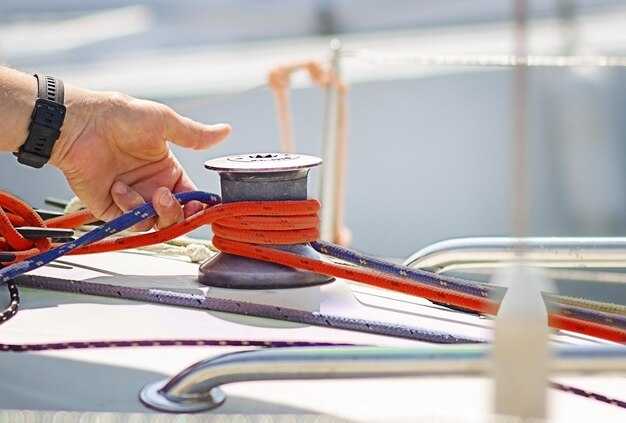
Reef early when a puff approaches; ease the mainsheet to steady the boat and keep the leeward hull from lifting. Set the traveller to the middle to maintain a balanced keel angle, and keep your boats on a close-hauled track with minimal drift. If gusts rise, apply another reef rather than fighting the sail; this approach improves control, reduces excessive heel, and makes the hulls float on pressure rather than slam from a sudden gust. Practically, reading the wind ball by ball gives you the needed edge to react before the next gust arrives.
Read shifts by watching telltales on the luff, the water texture, and shadows moving across the deck. Were gusts forecast, a ball of wind marks the onset of a gust; when you feel it, plan a 1–2 degree trim adjustment and shift weight toward the windward rail to keep both hulls stable. If the leeward hull starts to fall, you probably need more weight on the windward side; if the puff shifts the boat, ease in the sail slightly to preserve heading and speed. Avoid overreaction; small, early corrections beat large swings, and you’ll gain time to set up the next tack. Detail your observations after each gust so you can repeat the best moves.
On a catamaran, weight shifts matter more than you might expect. Move your hips toward the windward rail to keep both hulls afloat when a puff hits; ease the mainsheet for a quick tempo, then re-trim as the breeze shifts. The mainsail traveller lets you keep the mast in column while the keel remains balanced; reefing can be part of the operational plan when wind builds, and you should perform pronto adjustments to the traveller and vang to hold sail shape. Remember: keeping the hulls close to the wind saves distance and increases the benefit of each gust, and resist the temptation to overtrim; collision of sails with the breeze leads to stalls and loss of momentum.
Practical drill and mindset: build a quick decision ladder you can trust during a race or a cruise. Before each gust, check the forecast, then commit to a plan and stick to it; this improves privacy of your action and provides a steady anchor for your crew. In practice, a 5–7 knot swing in wind may require reefing, weight shift, or a slight change of course; measure your speed and note the hull float, detail the heading change versus wind pressure, and log it for the next session. Keep the galley tasks minimal during shifts; the design of your sails and traveller system should support these moves, and the benefit shows in a smoother ride, better velocity, and less stress on the hull and keel.