


 Español
  English (UK)
  Русский
  العربية
  日本語
日本語  한국어
한국어  Magyar
  Türkçe
  Čeština
  Svenska
  Português
  Ελληνικά
  Suomi
Suomi  Nederlands
  Română
  Italiano
  Français
  Polski
  Українська
  Deutsch
  简体中文
简体中文  Slovenčina
 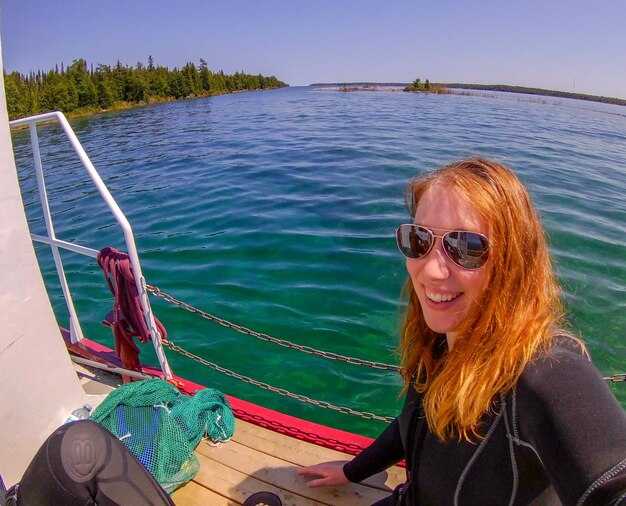 Eco-Friendly Sailing – 10 Practical Tips for Greener Boating">

Recommendation Consider adopting a hybrid or electric auxiliary propulsion and pre-plan routes to minimize engine hours; such choices might noticeably reduce fuel burn on coastal hops.
As your responsible captain, swap single-use items with a durable bottle and refillable containers; avoid throw of plastics and encourage reuse rather than discard.
On passage, an experienced crew should monitor hull resistance and keep wake low, protecting coral gardens; sailing at economical speeds reduces damage, maybe shift to inshore routes during calm days to spare delicate ecosystems.
Energy planning matters: switch to LED deck lighting, minimize HVAC use when anchored, and use smart charging to ensure systems stay ready without excess cycles, which ensures fewer generator hours.
In harbor visits, favor mooring buoys over anchors to protect seabed life; this reduces seabed disruption and preserves the first holiday memories of guests aboard a yate.
When diving near reefs, respect rules, use reef-safe gear, rinse with collected water, and avoid leaving lines or anchors that might snag fragile life; respect night diving itineraries to avoid disturbing nocturnal species.
Operate with a mindset that offers different experiences and meaningful words of respect while guarding habitats; this approach appeals to guests who crave authentic learning and experience ensures your trip leaves no trace beyond memories.
Practice navegar navigation, monitor weather, and document experience; this might encourage others to begin their own ecological journey into the sea, because experience ensures mindfulness and this path can offer a model showing how we interact with marine life.
Focused Tips and Practices for Greener Boating and Wastewater Management
Always moor at shoreside facilities whenever possible and deploy a dedicated waste system: keep a sealed holding tank and connect to a marina pump-out; ensure a Type II Marine Sanitation Device is certified. Whether you are cruising short legs or long passages, this setup avoids illegal discharges.
Monitor tank levels, log pump-out dates, and schedule maintenance; use land-based amenities when possible to reduce wake and shore impact. However, keep the data simple and accessible to the crew, including notes on other things that affect the system.
Carry personalised sanitation kits and suitable tools; keep bottles reusable; rinse and refill using onboard water or marina amenities. Be sure labels and seals remain intact.
Minimize waste by choosing biodegradable toilet tissue, avoiding flushable wipes, and keeping water use low; ensure greywater and sink discharges flow into a compliant treatment or holding tank, not into the environment.
Create a personalised crew guide that tracks costs and compares pump-out fees with savings from reduced water use; the reward comes with better shore access and less risk.
Global networks of marina amenities enable exchanging best practices; join local associations that promote waste-water stewardship. Some standards are clear, making real changes; others are vaguely worded, yet still drive practical action across worlds and supports their communities.
Yacht-scale practices: keep energy use to a minimum; install low-flow heads; consider a compact treatment unit; moor near towns to access shared amenities.
Accidentally releasing waste: act quickly–secure the vessel, document the incident, notify the marina, and arrange immediate pump-out; invest in checklists to prevent repeats.
Stay mindful while cruising: when land is near, keep their waste streams contained; avoid littering; maintain intimate relationship with water and land, and back these actions with discipline.
Keep those practices actually making a difference every voyage; whether you are cruising at pace or drifting between coves, those decisions sustain the oceans and reward crews with cleaner ports.
Tip 1–2: Choose cleaner propulsion and cut fuel burn
Adopt a hybrid or electric propulsion system paired with a high‑efficiency propeller to minimise engine hours and footprint. Mindful planning and personalised checks of weight, battery capacity, charging options, and available shore power set the baseline before any voyage on your yacht.
Operate with wind‑assisted progress, targeting 5–9 knots when possible, and keep mainsail up to reduce engine use downwind. Switch engine only when wind drops below a set threshold, freeing the touch of the throttle and keeping reserves intact when seas turn rough.
Limit idle time at marina by planning berthing with shore power ready; check before approach and disconnect after landing to avoid unnecessary engine run. This keeps systems free from strain while you wait.
Align with global climate goals by selecting propulsion options that minimise emissions, optimise trim to reduce drag, and plan a steady cruise around 6–9 knots where hull design allows. Different hulls respond differently; use planning to conserve energy down the passage.
Minimise environmental footprint by avoiding noisy runs near coral and wildlife; hold speeds down when close to reefs, and ensure bilge is emptied only at approved facilities rather than overboard.
In Belize, with delicate reefs nearby, prioritise mainsail work and reduced engine touch; consult local marinas about shore power, stay mindful of nature, and keep footprints small during yachting between anchorage and harbour.
Tip 3–4: Master sail trim and wind-aware speed
Set the apparent wind angle as the anchor of every sail change; trim the mainsail before the headsail, then fine‑tune with the jib so telltales stream evenly on both sheets. Always looking toward the wind, adjust controls to keep the boat balanced and the yacht moving efficiently at a steady pace, minimizing fuel use and hull drag.
- First: establish a clean baseline. On a close-hauled course, tension the outhaul to flatten the mainsail, ease the vang to limit twist, and trim the jib so telltales on the spreader run straight back. Aim for an apparent wind around 25–40 degrees, which yields steady speed without excessive weather helm. Keep the crew alert to gusts off shore and adjust the traveler 0–20 degrees to maintain a balanced helm.
- Second: handle gusts with surgical adjustment. When a puff hits, ease the mainsheet 3–6 inches and spill a touch of jib, then re‑sheet quickly once the gust passes. If the wind shifts forward, bear away slightly; if it shifts aft, trim in and head up to preserve power without luffing.
- Third: maintain twist control and alignment. Use the vang to manage mainsail twist, and keep the boom near the centerline on beam reaches. The headsail should be trimmed so the luff remains smooth while the leech remains engaged; monitor telltales on both sails to avoid flow separation at the luff.
- Fourth: monitor hull and equipment for optimal efficiency. Clean hull and correctly aligned rudder reduce drag, while verifying lines, blocks, and sheets are free of slack. In calm seas, keep oars stowed but ready, and avoid overpowered trim that raises spray and accelerates wear on fittings. If you notice sustained stalling, reevaluate sail area and adjust reef or sail combination.
During yachting along greece coastlines, itinerary planning emphasizes sustainability. They map the route to minimize engine use, keeping the fuel-efficient pace while respecting local regulations. At each country stop, they choose to resupply at a supermarket, swap single-use cups for reusable ones, and pack sunscreens in recycled containers. They also commit to safe waste handling, emptied bilge chambers, and never overboard discharges. Delicate balance between speed and shore‑side needs guides the crew, which in turn keeps the voyage economical and low impact for every crew member and them.
Tip 5–6: Route planning and energy-saving electronics
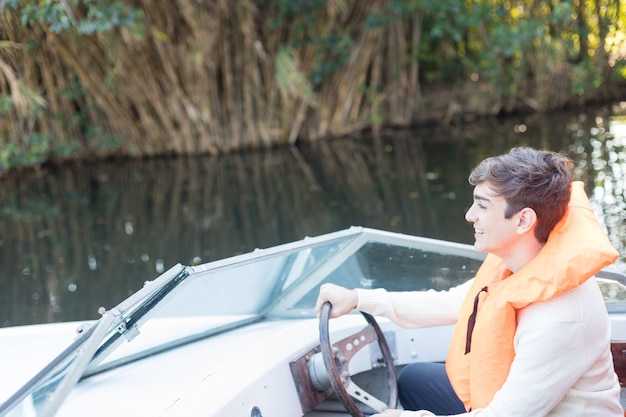
Plan the itinerary with short legs, prioritizing sheltered routes and marina stays to limit engines running time. Being efficient reduces fuel burn; use daylight anchoring when weather allows, and build in landfalls along the route to reduce contingency needs. youre aware of weather and currents, and plan to keep what you like about preferences aligned.
Map two or three different itinerary options using meteo data, currents, and tide forecasts. If youre aware of constraints, note what you like about each alternative, including distance, sea state, and available marina landfalls where you can land to resupply. Both options should keep the same safety margins. They offer a baseline to compare activities aboard and adjust accordingly.
Install a smart energy-management system coordinating solar panels, a high-efficiency charge controller, and engines alternator input to the deep-cycle battery bank. Set daily consumption caps, enable LED cabin lighting, and deploy smart switches that cut idle draws when gear isn’t needed. Consultants can tailor this to your ryas and preferences, ensuring available shore power at marina landfalls is used without oversizing the system, including monitoring of battery state of charge. This wont oversize the overall system while remaining scalable for future upgrades.
The route planning routine relies on natural energy inputs and minimizes activities that drain batteries. Use wind and currents to assist, favor daylight moves, and anchor in sheltered spots with reliable land access. This experience helps them adapt to land-based checks and landfalls, keeping the plan achievable across both legs and reducing the need to restart engines at crowded marinas. being mindful helps ensure that the plan remains feasible that transitions smoothly aboard a yacht and in land operations.
Tip 7–8: Minimize waste and select eco materials
Comience con una regla simple: reemplace los plásticos de un solo uso con una botella y contenedores duraderos y reutilizables, reduciendo los residuos cada semana; esta elección reduce la basura diaria que de otro modo terminaría en los vertederos, aquí a cubierta durante los días de navegación.
En cubierta, instala paneles solares flexibles para mantener los dispositivos cargados durante la navegación y el crucero, minimizando el ralentí del motor; esta sencilla configuración asegura que los sistemas de vela principal estén listos al tiempo que se reduce el consumo de combustible.
Elige materiales ecológicos dentro de la cabina: tejidos naturales, plásticos reciclados cuando sea apropiado y utensilios hechos de bambú o acero inoxidable; evita protectores solares con filtros dañinos para los arrecifes; selecciona botellas con un embalaje mínimo, no dependas de equipos desechables.
Mantenga un kit de baño compacto con toallitas biodegradables; separe los flujos de residuos siempre que sea posible; no mezcle los residuos de baño con los restos de comida, verifique las regulaciones locales en el puerto y viva con una rutina sencilla y familiar a bordo.
Durante el aprovisionamiento, revise las opciones de aprovisionamiento de samboat en la tienda local, elija artículos a granel con embalaje mínimo y evite duplicados; esto reducirá los residuos, compre con inteligencia y mantenga su crucero libre de desorden.
Las cadenas de suministro globales impulsan el embalaje, pero aquí las comunidades ofrecen opciones locales y con menos desperdicio; vive simplemente, reduciendo los cartones, y mantén una semana de amortiguación en la despensa para facilitar los viajes largos, cruceros aptos para familias por todo el mundo de la navegación.
Consejo 9–10: Manejo seguro de aguas residuales y disposición en tierra.
Instale un dispositivo de saneamiento marino certificado (MSD) y utilice solo las instalaciones costeras cuando esté amarrado; vaciar en los puertos deportivos protege los corales, la vida silvestre, sus servicios y demuestra cuidado.
Elija una unidad compacta que se adapte tanto a los yates británicos como a los de diseño; asegúrese de que sea accesible desde la cubierta y segura de operar cerca de motores fueraborda.
Desarrollar un plan de una semana donde las visitas de extracción de aguas residuales se alineen con los espacios en el puerto deportivo; los costos típicos oscilan entre $10 y $30 por visita, mientras que los tanques de retención privados y los sistemas portátiles varían según el tamaño.
Reserve tiempo en una tienda para abastecerse de suministros esenciales; planifique la ubicación y las comodidades antes de los viajes de buceo y las estancias en la isla, lo que, según la experiencia, es hermoso.
Guíe a su tripulación para minimizar los residuos, reutilizar aguas grises cuando esté permitido y respetar calas ocultas y arrecifes de coral.
Tenga en cuenta la vida silvestre y los nadadores; evite los residuos en las zonas utilizadas para nadar y establezca rutinas de eliminación cuidadosa en los fondeaderos y las islas, reduciendo el impacto en los mares.
Qué hacer cuando el acceso a la costa es limitado: depender de una unidad portátil, registrar la ubicación y mantener una semana de anticipación con atención a los puertos deportivos y los puertos británicos seguros.
Esta experiencia beneficia tanto a los huéspedes como a la tripulación, con costos significativamente reducidos, operaciones más seguras y un perfil de crucero hermoso y bien mantenido. Importante