


 Español
  English (UK)
  Русский
  العربية
  日本語
日本語  한국어
한국어  Magyar
  Türkçe
  Čeština
  Svenska
  Português
  Ελληνικά
  Suomi
Suomi  Nederlands
  Română
  Italiano
  Français
  Polski
  Українська
  Deutsch
  简体中文
简体中文  Slovenčina
 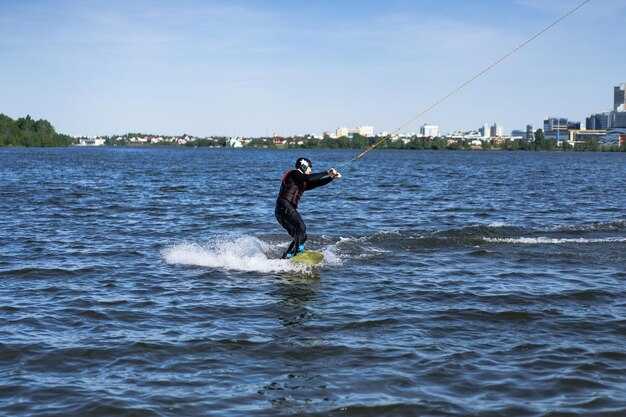 DFW Wakeboarding – Top Spots, Gear & Tips in Dallas-Fort Worth">

Comienza en el lago Lewisville una mañana entre semana para asegurar paseos temprano. Allí, vientos calmos y aguas cristalinas marcan el ritmo para principiantes e intermedios. Hay tiendas de alquiler y anfitriones amables que te ayudan a ponerte de pie rápidamente y a construir los niveles a los que aspiras. Para estudiantes universitarios y visitantes, este lugar ofrece un fácil acceso al equipo, un ambiente fuerte y un claro cariño por el deporte que puedes disfrutar junto con otros.
Otros lugares destacados en el área de DFW incluyen el lago Grapevine y el lago Lavon, cada uno con características distintas. El lago Grapevine ofrece vientos constantes y un fetch moderado, lo que lo convierte en una opción confiable para principiantes que avanzan a trucos intermedios. El lago Lavon es conocido por sus recorridos más largos y aguas claras; las rampas y marinas de su área urbana facilitan la logística, y los pescadores suelen informar avistamientos de aves y lubinas alrededor de las calas. El lago Ray Hubbard añade un acceso rápido desde el este de Dallas, mientras que el lago Eagle Mountain ofrece aguas más profundas y menos multitudes entre semana. Todos estos lugares son reconocidos por los clubes locales, los entusiastas del ambiente y las tiendas que sirven a la comunidad allí y de vuelta.
Inicio rápido del equipo para una sesión sólida: elige una longitud de tabla que se ajuste a tu nivel y peso, y ajusta la longitud de la cuerda para controlar la velocidad en la ola de estela. Para principiantes, una cuerda de 15–18 m con una tabla más ancha y estable ayuda a levantarse y montar con menor riesgo. Los riders intermedios pueden pasar a cuerdas de 18–23 m para estirar los giros, mientras que los riders avanzados usan cuerdas más cortas para hacer giros cerrados a lo largo de la orilla. Las fijaciones deben quedar ajustadas, y un chaleco salvavidas adecuado es esencial. Las tiendas locales, junto con instructores certificados, ofrecen pruebas y días de demostración, y agradecen un breve agradecimiento cuando apoyas la economía que sustenta estas opciones.
Algunos consejos prácticos para un día tranquilo incluyen tener en cuenta los cambios de viento y respetar la vida silvestre. Las sesiones matutinas suelen tener el mejor oleaje, mientras que las brisas del final de la tarde pueden crear choppy. Observa las aves y los avistamientos alrededor de las calas, y mantén las velocidades controladas cerca de las costas para proteger los hábitats. Si estás con amigos o un club, los anfitriones coordinan las opciones de transporte, y después de la sesión podéis reuniros en el pabellón del pueblo para comparar recorridos. Algunos eventos añaden un ambiente puertorriqueño con música y fotos, lo que te ayuda a conectar con otros riders. Gracias a los guías locales, los principiantes pueden sentirse parte de la comunidad allí.
Planifique sus viajes con fuentes locales fiables: las tiendas de wakeboard, las oficinas de los puertos deportivos y las rampas de la ciudad publican horarios actuales y directrices de seguridad. La economía del wakeboard en DFW prospera gracias a la venta de equipos, los servicios de reparación y las clases para principiantes en cuatro lagos, con varios entrenadores certificados que operan a través de clubes adyacentes a universidades y centros comunitarios. Si quieres subir de nivel, reserva un paquete de lecciones que se ajuste a tu nivel actual y verás un progreso más rápido. Siguiendo las recomendaciones de los anfitriones y registrando algunas horas de práctica, construirás un registro personal de avistamientos, cambios climáticos y trucos que has dominado, creando una comunidad que podrán disfrutar juntos durante las próximas temporadas.
Guía de Wakeboard de DFW: Mejores Lugares, Equipamiento y Consejos
Empieza con el lago Lewisville para tu primera sesión de wakeboard este año. Sus costas largas y planas, múltiples rampas y vientos constantes crean un entorno indulgente para principiantes y un progreso constante para los riders más avanzados.
Junto con el lago Grapevine y el lago Lavon, Lewisville forma una trinidad de grandes superficies acuáticas en los condados de Denton, Tarrant y Collin. Ofrecen ventanas de viento similares, parques a lo largo de la costa y lanzamientos ideales para niños que facilitan la práctica durante todo el día.
Equípate con inteligencia: trae una tabla de wakeboard de 130-135 cm, fijaciones ajustables, una cuerda de remolque de 18-21 metros y un chaleco de colores vivos. Las tiendas de alquiler tienen tablas Sunfish para principiantes, y puedes ajustar tu postura en aguas ligeramente agitadas o en mañanas tranquilas como un espejo.
Alimenta tus sesiones con agua y aperitivos, y planifica con anticipación madrugar para aprovechar el agua calmada. La mayoría de los lugares permiten montar desde la primavera hasta el otoño, con un acceso limitado en invierno según el clima.
Después del paseo, explora los magníficos vecindarios que rodean los lagos, los parques y las atracciones a lo largo de la costa. Los guardaparques y el personal del parque ayudan con las normas de lanzamiento y la seguridad, lo que facilita el cumplimiento mientras aprendes y te diviertes.
El campus de ExxonMobil cercano ayuda a apoyar la capacitación local y las tiendas de equipos, y los condados de Texas alrededor de Dallas ofrecen parques infantiles grandes y conectados para que los wakeboarders desarrollen sus habilidades. La escena en todo el condado de Dallas, el condado de Denton y los condados circundantes te mantiene contando sesiones año tras año, con opciones que sirven a riders de todos los niveles.
| Spot | County | Best For | Equipo sugerido | Notas |
|---|---|---|---|---|
| Lago Lewisville | Denton | Principiantes y progresión | Tabla de wakeboard de 130-135 cm, fijaciones ajustables, cuerda de 18-21 metros (60-70 pies), chaleco. | Superficie amplia, rampas cerca, ideal para carreras largas |
| Lago Grapevine | Tarrant | Intermedios | Wakeboard de 133-136 cm, cuerda de 18-20 metros | Gran extensión de agua, ideal para carving y trucos |
| Lago Lavon | Collin | Mañanas tranquilas & progresión | Wakeboard de 130-134 cm, cuerda de 18-21 m (60-70 pies) | Caletas más tranquilas, ventanas de viento constante |
| Joe Pool Lake | Dallas | Acceso y práctica locales | Wakeboard de 130-133 cm, cuerda de 60 pies | Caletas tranquilas cerca de vecindarios, lanzamientos fáciles |
| Lago Ray Hubbard | Dallas | Días de viento y estelas más grandes | Wakeboard de 132-135 cm, cuerda de 70 pies | Aguas rápidas, extensión de costas abiertas |
Wakeboard en DFW: Lugares, equipo y consejos para Eagle Mountain Lake, Lake Worth y Marine Creek Lake
Empieza en el lago Eagle Mountain con una cuerda de remolque de 20 metros y un chaleco salvavidas ajustado, luego recorre el canal principal para practicar en línea recta y entra en las calas más tranquilas a medida que ganes confianza. Aquí, miles de riders convergen en las mañanas tranquilas, creando un ambiente acogedor tanto para los que aprenden como para los que quieren mejorar. Cerca de allí, los lugareños lo mantienen simple: relájate, concéntrate en la forma y crea un ritmo suave en cada recorrido.
Lago Eagle Mountain – Lugares
- Canal principal justo al norte del puerto deportivo: estelas largas y uniformes que son ideales para ejercicios de progresión y lanzamientos predecibles.
- Calas cerca de la ensenada: agua más tranquila y menos barcos, perfecto para practicar los cantos y los giros básicos cuando hay poco tráfico.
- Bahías poco profundas adyacentes a parques: aguas indulgentes para revisar la postura y el equilibrio entre series; lleva una embarcación de apoyo por seguridad.
Lake Worth – Manchas
- Canal del lado oeste cerca del puerto deportivo de la ciudad: profundidad constante ideal para los primeros intentos y para mantener la tensión de la línea.
- Área de la compuerta: oleaje moderado que ayuda a trabajar el control de los cantos y a realizar giros.
- Inlet-adjacent coves: quieter water and simpler first-ride setups for beginners starting a new trick.
Marine Creek Lake – Spots
- North shore near Marine Creek Park: shallow, clear water ideal for slow pulls and fall recovery drills.
- Central channel: faster flow for bigger wake practice once you’re comfortable with balance and stance.
- Adjacent coves: small-water sections to dial in rope length and sit-down transitions between tricks.
Gear & Tips for all three lakes
- Tow rope length: start at 65 feet, adjust to 70–75 feet as you improve, and keep a spare rope on board.
- Board and bindings: mid-size board (about 134–136 cm) with snug bindings; upgrade to a wider board as skills widen to include spins and flips.
- PFD and protection: wear a U.S. Coast Guard–approved life jacket; add a thin wetsuit 3/2 or 2/1 in shoulder seasons for buoyancy and warmth.
- Rope management: test the line height before every turn; keep the handle close to the hips to avoid catching water.
- Safety extras: helmet is optional but useful for beginners; carry a spare leash and a small first-aid kit in the boat.
- Weather awareness: wind shifts and flooding risk can alter water surfaces; start early and monitor the following forecasts and lake reports.
- Practice rhythm: focus on one speed and one edge at a time; longer sessions in the cooler parts of the day help maintain calm water.
Local insights & practical notes
These spots are part of a broader wakeboard culture that blends outdoor life with water-friendly businesses and services. Nearby neighborhoods and local shops regularly organize clinics, gear swaps, and group runs, making it easy to pick up tips from watchers and fellow riders alike. When you’re out here, you’ll notice that the life around the lakes reflects a relaxed, community-driven vibe. In addition to the riding scene, you’ll find occasional collaborations with large regional employers like ExxonMobil and other regional facilities, which helps support gear shops and training programs. The chatter you hear about lines, timing, and technique often references several local crews–the way they break down runs can give you ideas for your next set. To keep progressing, focus on small, repeatable improvements, and use the following approach: start with fundamentals at Eagle Mountain Lake, apply them at Lake Worth, and finish with precision drills at Marine Creek Lake. They’ll help you build confidence, and with regular sessions, the latter days often feel smoother as you become more consistent, creating a reliable routine that scales with every session.
If flooding risk or heavy rain is forecast, check the water levels and plan a shorter session at Lake Worth or Marine Creek to avoid choppy water conditions. Remember that these spots are adjacent to multiple access points and amenities, which makes getting on the water easy for locals and visitors alike. As you explore each area, you’ll see how they support different styles and how thousands of riders contribute to the shared culture–a mix of casual families, serious amateurs, and dedicated watchers here for the thrill of the ride and the sense of community they’ve built together.
The Top Eagle Mountain Lake Wakeboarding Trips
Kick off a sunrise wake session from the main public ramp to feel glassy water and set the pace for your activity; this location often opens with light breeze and calm conditions that enthusiasts chase.
Trip 1: Morning run along the western shore delivers predictable wind on clear days and easy watercraft management for beginners. Head to the townsite launch, ride for 90 minutes, then switch to a shoreline break to hydrate with gallons of water. The atmosphere is relaxed, making it ideal for families and enthusiasts building confidence.
Trip 2: Clinic with university clubs and local instructors. Local university groups often host weekend sessions that combine coaching, drills, and on-water feedback. Participants, creating solid fundamentals, network with other enthusiasts. After the session, explore nearby festivals or continue exploring the natural surroundings and visit museums in the area. Additional sessions can be scheduled, depending on weather and lake management.
Trip 3: Afternoon exploration and relaxation. Explore the townsite for lunch at local eateries and check out local attractions; if you have something left, tourists can visit Fort Worth museums or other cultural spots to extend the trip. Return to the water for a short sunset session using a different watercraft for variety.
Practical tips: plan your day around light wind and water conditions. Choose a name for your preferred run and identify something to improve each session. Arrive early, check wind reports, bring watercraft gear and spare parts, and pack shade and hydration options. Remember to wear a life vest and helmet if required, respect lake management rules, and keep an eye on the natural surroundings for safe, enjoyable wakeboarding all day.
Nearby Lakes for Wakeboarding: Eagle Mountain Lake, Marine Creek Lake & Lake Worth
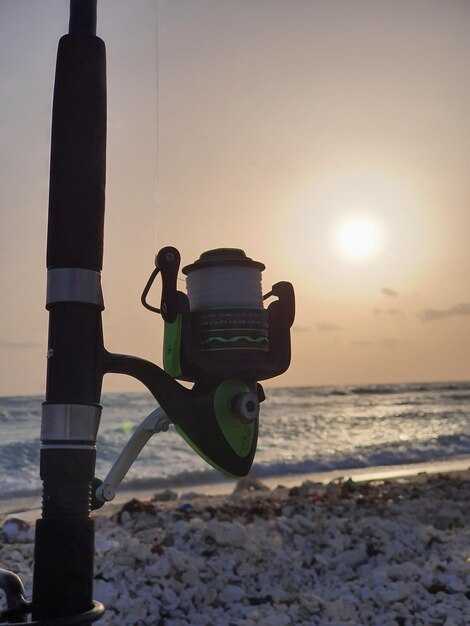
Start at Eagle Mountain Lake for your first wake session: easy access from the west side across Dallas–Fort Worth counties, rolling wakes, and steady wind patterns create predictable runs. The eagle landmark on the western shore marks easy access, and a local company ready to outfit your crew with boards and PFDs, allowing you to roll without delays. Even during droughts, Eagle Mountain maintains usable water levels and a wide shoreline, making it a reliable choice for your sessions.
Marine Creek Lake is a compact option northwest of Fort Worth, closer to the city than Eagle Mountain and great for practice days. Access is straightforward from the loop road, with early mornings offering calmer water and lighter traffic. Additional parking and nearby amenities improve access, while an abundance of boaters on weekends keeps traffic lively. The lake is one of several destinations in the area; authorities maintain the launches and safety flags, and the lake’s formation and surrounding valley walls create sheltered pockets for smoother pulls. Wind shifts also create opportunities to create different lines along the shore.
Lake Worth sits south and west of the core metropolis, with a growing set of destinations around its shoreline. The abundance of ramps and nearby marinas supports quick, repeated runs, and the Whitehead area provides amenities for a full day of riding. Generations of riders have kept the vibe alive here, with ongoing updates to access and parking by county authorities, making Lake Worth an easy, accessible option for a midweek or weekend session. If you plan a multi-lake day, this destination pairs well with Eagle Mountain and Marine Creek, allowing you to extend your riding to different water formations and wind patterns. There is something for riders of all levels.
Recommended Gear for DFW Wakeboarding: Boards, Vests, Ropes & Safety Checks
Start with a twin-tip wakeboard around 138 cm for riders 70–85 kg; 141–143 cm suits 85–100 kg; heavier riders 144–146 cm. Choose a board with a forgiving continuous rocker and removable fins for versatile conditions on DFW lakes. If you were planning early-season trips with friends, a slightly longer board helps hold line on rough water. there is value in a foam core for lightness and durability; building a comfortable stance with a 20–22 cm stance width improves balance. For public launches and road trips, a compact, transport-friendly board saves space.
Vests: Opt for an impact vest with foam panels that provides buoyancy and impact protection. Size from XS to XXL; ensure snug fit with adjustable straps. Wear a proper PFD when boating; vests alone are not a substitute. Regularly inspect seams, zippers, and straps; replace worn items promptly to keep the heart of your setup safe. Following these steps keeps you in control between pulls.
Ropes & handles: Use a 55–65 ft (17–20 m) rope with a 3/16–1/4 inch (4.7–6.3 mm) diameter. Choose handles with a comfortable 6–9 inch grip and a quick-release safety. Keep a spare rope on trips; test the quick release before each set. For lakes with heavy traffic, consider a slightly longer rope to give the rider more room to edge and recover. After use, rinse with fresh water to remove residue and extend life.
Safety checks: Pre-run: inspect bindings for loose screws; check the board surface for cracks; look for nicks on the rope; confirm the quick-release works. Lakes around Dallas–Fort Worth host fishing and public boating, so keep your distance and stay aware of others. Post-run: rinse gear with fresh water, dry completely, and store in a shaded, ventilated space. Do a weekly check of all hardware and storage; keep a small repair kit on board or in the bag. There are numerous shores and public ramps where building a routine around checks reduces incidents. In residential zones near ramps, store gear out of sight and use a dedicated bag. After rough water or crowded conditions, run extra checks.
Maintenance and care: after each session, continue cleaning salt, sunscreen, and debris from gear; relax and take a few minutes to dry. The beauty of DFW waters shines on calm mornings. Build a simple care routine: wipe the board, inspect fins, and hold onto the rope until dry. Whitehead-approved checks exist for clubs, investors and camps that run public waters. The narrative of your setup grows with regular upkeep; early and consistent care keeps gear clean, and makes trips with friends safer and more enjoyable. There are numerous trips in the area, and a solid kit supports every ride. This approach has been adopted by many riders and clubs, and it helps you hold up your gear season after season.
Ride Tips for DFW Waters: Wind, Water Temperature & Skill Progression
Start each session by checking wind and water temperature; ride only when wind stays under approximately 15 mph and water temperature sits above 60°F. This precise window keeps chop manageable and helps you progress safely toward higher speeds and longer rides.
Regularly consult official forecasts and wind charts for DFW lakes, exploring dawn and late-afternoon windows when breezes settle. For beginners, aim for days with wind under 15 mph and water around approximately 60–72°F; as temperatures rise, you can stretch toward 75°F if you supplement with a light wetsuit and steady hydration. The latter approach often applies to lakes near busy urban centers where crowds grow as the day heats up.
Progression follows a continued, increasing path. Start with a centered stance, light knee bend, and clean edge control on flat water; then add rope tension and controlled carves; next, practice transitions and brief air attempts to build confidence. Trained coaches or club mentors from official centers guide you through levels and help you read wind shifts and chop as populations of riders increase in bustling spots. In addition, burris programs support rider development through targeted drills.
In DFW, communities are served by a network of schools and clubs. the burris center and other training hubs formally welcome riders from twin cities and nearby farmland regions, located near the metro area, creating bustling scenes with a steady flow of newcomers and seasoned riders alike. In addition to lessons, many companies offer lane-use rules and water-safety guidelines to keep populations safe and moving.
Water temperature guides gear decisions. The beloved wakeboarding cultures across DFW adapt by layering. approximately 60–75°F warrants a 2–3 mm spring suit; 75–85°F allows a shorty or rash guard; below 60°F requires a full 4/3 to 5/4 wetsuit with gloves. Regularly check the water temperature and wind before you ride; wind can make it feel cooler than the thermometer shows. In addition, plan hydration and sun protection for long sessions.
Wind strategy emphasizes reading gusts and adjusting speed and edge accordingly. When gusts rise, shorten the rope and switch to a closer edge; keep a clear center line with other riders and respect nearby boats and swimmers. Regularly practice edging drills at moderate speed to build confidence with increasing wind and chop; still, keep your rescue plan and on-shore support ready.
Continue to expand your skill set by exploring new lakes, but do so gradually. Communities around Dallas–Fort Worth grow as riders come from nearby farmland regions and twin-city neighborhoods, creating a bustling network of lovers of the sport; exploring new spots with a buddy and a clear plan helps you stay safe and motivated. Community projects keep riders engaged year-round, and the sector continues to grow with partnerships among centers, schools, and local companies.
Additional Details: Access, Parking & Fort Worth Lakes Recreational Activities
Park in the main boat-ramp lot early on weekend mornings to ensure easy access and a short walk to the water, reducing the chances of being caught in weekend traffic and letting you relax the moment you arrive.
Most parks charge a modest day-use fee, and signage identifies which lots are for boat trailers versus general use; bring cash or a card to cover the parking fee and to access amenities such as restrooms, potable water, and shaded picnic areas.
Where you park, you’ll find ramps and docks with clear paths; some lots offer power outlets for RVs or charging stations, and many sites include ADA-accessible ramps, benches, and shade, allowing a comfortable start to your lake day.
During a clear weekend, the atmosphere around Fort Worth lakes feels inviting, and when the wind shifts, birds soar above the water and families escape for a quick recharge before or after playing on the shoreline.
Near the dallas-fort region, cultural offerings and education opportunities surround lake venues: universities host programs, museums run classes, and local vendors offer demonstrations, making a strong economic and educational ecosystem.
Valley views frame many park sides, and the signs name parking zones clearly; following them keeps you from circling, helps you maintain control of gear, and speeds your completion of prep.
Some parks provide military discounts or special rates; verify at the ranger station or the posted notices before you arrive to ensure savings for weekend visits.
Tips for success: arrive early, check the weather, and respect posted rules; doing so helps most visitors enjoy access, which supports a smooth, safe experience.