


 Español
  English (UK)
  Русский
  العربية
  日本語
日本語  한국어
한국어  Magyar
  Türkçe
  Čeština
  Svenska
  Português
  Ελληνικά
  Suomi
Suomi  Nederlands
  Română
  Italiano
  Français
  Polski
  Українська
  Deutsch
  简体中文
简体中文  Slovenčina
  Cooking on a Boat – What to Cook – A 7-Day Menu Plan">

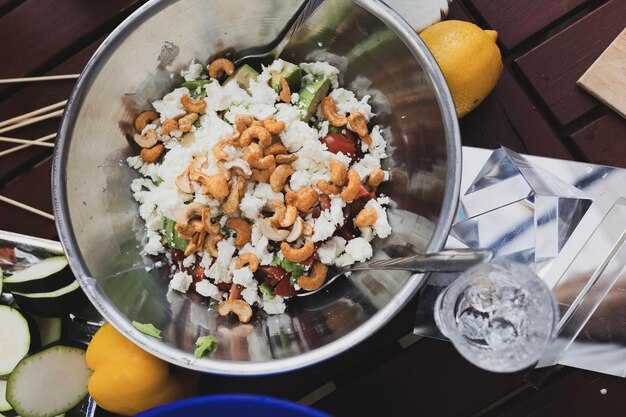
Comience con una opción práctica: un almuerzo rápido y rico en nutrientes de quinoa con pargo, aceitunas y verduras, preparado en condiciones de cocina espaciosas y envuelto para servir fácilmente a mitad de turno. Este enfoque minimiza los cambios de marcha, favorece las navegaciones largas y mantiene las comidas equilibradas apoyándose en una proteína, un cereal y verduras con aderezos vibrantes.
En condiciones adversas, prepárese con antelación y mantenga los artículos consolidados, con size limitaciones que guían las elecciones de equipo. Use una sola olla que pueda servir para quinoa o una sopa ligera; las porciones envueltas ahorran espacio en la cubierta. Incluso En una cubierta ventosa, una campana señala cuando una olla alcanza el punto de ebullición a fuego lento y las operaciones se mantienen organizadas. Priorice la seguridad con hielo adecuado para los mariscos, etiquete las porciones y reutilice los ingredientes para reducir el desperdicio. Dado que el espacio es limitado, incluya links a proveedores fiables o el libro mayor de provisiones del buque para mantener un suministro constante; источник.
Ideas de secuencia semanal en forma compacta: Día 1 – pargo con quinua de limón, verduras y aceitunas; Día 2 – sopa de lentejas con zanahorias y apio; Día 3 – pasta con aceite de oliva, ajo y hierbas; Día 4 – boles con verduras asadas y pescado enlatado; Día 5 – tacos de frijoles con frijoles sazonados y pescado; Día 6 – pargo al horno con patatas y hierbas; Día 7 – galletas con fruta y yogur de postre. Cada serving el tamaño debe apuntar a unos 350 g de granos y 150 g de proteína, asegurando safety y una nutrición equilibrada. Esta secuencia podría ayudar a equilibrar la carga de trabajo y mantener la seguridad bajo control.
Cocinar en un barco: Qué cocinar: un plan de menú de 7 días; 11 mejores recetas para cocinar en un barco
Día 1: Bistec a la parrilla con glaseado de mostaza para cenar a bordo; asegurar el área de la parrilla y minimizar las llamaradas al asar. Esta combinación satisfará a esa tripulación, y todo lo preparado con antelación reduce el estrés. Va bien con una simple ensalada de pasta para minimizar la limpieza.
Día 1, opción B: Atún sellado a la plancha con glaseado de cítricos y hierbas; preparado en una sola sartén, combina con cuscús o ensalada de pasta en lugar de acompañamientos pesados, una elección que reduce las combinaciones sin dejar de ser sabrosa.
Día 2: Pasta con pesto y tomates cherry; gambas al ajillo en la estufa ofrecen sabores vivos que combinan bien con pan crujiente.
Día 3: Pizza a la estufa con masa; Salmón con salsa de yogur y eneldo; ambos servidos a bordo y listos en minutos.
Día 4: Pollo al limón a la parrilla con verduras; Tacos de pescado con ensalada de col; ambos combinan bien y pueden acompañar una rápida salsa de aguacate.
Día 5: Arroz frito con verduras y judías verdes; Burritos de frijoles; Sándwich de atún gratinado en pan crujiente, todo preparado en una sola sartén.
Día 6–7: Recomendaciones con un sinfín de combinaciones y rutinas prácticas. Sin embargo, estás atento a reducir el desperdicio y a los componentes preparados; sirve las salsas según sea necesario, comprueba los ingredientes necesarios y disfruta de los veleros que pasan, las comidas aseguradas y acompañando a la tripulación.
Marco de menú de 7 días en barco
Comience con un desayuno sencillo y saludable: 1 taza de yogur, 1/2 taza de bayas, 1/3 taza de avena, un chorrito de miel. Manténgalo en la nevera portátil con las tapas bien cerradas para mayor seguridad y un servicio rápido.
-
Día 1
- Desayuno: Bol de yogur con bayas, avena, un chorrito de miel y un trozo pequeño de queso; taza de té caliente para terminar.
- Almuerzo: Bol de arroz sabroso – 1 taza de arroz cocido, 1/2 taza de garbanzos, pepino en dados, tomate, 2 cucharadas de queso feta; un chorrito de aceite de oliva y zumo de limón.
- Cena: Pescado a la parrilla con limón, ajo y pimientos asados; servir con pan plano caliente y una ensalada de hierbas verdes.
- Bebidas: Vino con la cena; martinis opcionales para una parada en una taberna en tierra más tarde, si es posible.
- Seguridad y almacenamiento: Drene la salmuera (si la hay), doble las tapas de los recipientes y guarde las sobras dentro de las 2 horas posteriores a la preparación.
-
Day 2
- Desayuno: Huevos revueltos con espinacas y una pizca de queso; servir caliente y rápido.
- Almuerzo: Arroz y ensalada de atún con aderezo de yogur, maíz y aceitunas; empacar en frascos herméticos.
- Cena: Estofado de ternera y patatas al estilo taberna con zanahorias; servir caliente en cuencos.
- Bebidas: Vino blanco o un martini ligero; mantener la cristalería limpia y seca, con las tapas puestas cuando se almacena.
- Provisiones: Revisa las tiendas entre los lugares que vas a visitar; repón el yogur, el queso y los cítricos para el día 3.
-
Day 3
- Desayuno: Batido de yogur con frutos rojos, avena y un puñado de almendras; té de hierbas opcional.
- Almuerzo: Tostada de queso y tomate sobre pan crujiente; añadir rodajas de pepino para frescura.
- Cena: Brochetas de pollo con limón y hierbas con pimientos y cebollas; servir sobre una pequeña porción de arroz.
- Bebidas: Porciones de vino medidas con cuidado; martinis listos si la velada promete calma.
- Escurrir y seguridad: Escurra toda la grasa de la carne, enfríe las proteínas rápidamente y recaliente hasta que estén calientes antes de servir.
-
Día 4
- Desayuno: Requesón con pera en rodajas y una pizca de canela; guardar un trozo pequeño de fruta aparte.
- Almuerzo: Tazones de arroz con garbanzos, pepino, feta y vinagreta de aceite de oliva.
- Cena: Pescado al horno con tomates y aceitunas; servir con verduras al vapor y una cucharada de yogur.
- Bebidas: Vino para los acompañantes; si está en tierra en una taberna, disfrute de un martini ligero antes del postre.
- Almacenamiento: Utilice tapas separadas para alimentos fríos y calientes; escurra cualquier líquido antes de guardar las sobras.
-
Day 5
- Desayuno: Tortilla de espinacas rellena de queso fundido; cálido y sustancioso.
- Almuerzo: Ensalada de arroz con frijoles, maíz, pimientos y aderezo de yogur y limón.
- Cena: Brochetas de camarones con ajo y hierbas; servir con una guarnición de arroz y una ensalada de pepino salada.
- Bebidas: Una copa de vino; martinis opcionales después de llegar a una taberna en la marina.
- Aconsejo: Llevar una fruta pequeña y una porción de queso para picar algo a media tarde en la cubierta.
-
Day 6
- Desayuno: Parfait de yogur con nueces y manzana en rodajas; un chorrito de miel para darle calidez.
- Almuerzo: Bowls de atún y arroz con cebollas encurtidas y queso feta desmenuzado.
- Cena: Pescado con costra de hierbas y calabacín y zanahorias asadas; para terminar, una salsa ligera de yogur.
- Bebidas: Rosado o un martini limpio; mantenga una porción segura y evite derrames cerca del borde.
- Tiendas y lugares: Planifique una visita a mitad de semana a las tiendas de la costa para reponer lácteos y verduras para el Día 7.
-
Día 7
- Desayuno: Plato de fruta con yogur y una pequeña porción de queso; terminar con tostadas calientes.
- Lunch: Leftover rice dish reimagined as a warm bowl with added herbs and a dollop of yogurt.
- Dinner: Arrival dinner in a harbor spot: grilled catch, lemon wedges, and a simple greens salad.
- Drinks: Wine with friends; if visiting a tavern, share a few martinis as a celebration.
- Arrival & restock: After docking, hit stores for fresh yogurt, cheese, greens, and cereals; map out the next provisioning places to keep everything safe and ready for onward routes.
Plan daily meals: breakfast, lunch, and dinner in a compact galley
Store ready-to-use sandwiches in the fridge and slice watermelon for fast breakfasts. Boaters appreciate these compact options for a good start to the day with minimal prep.
Set up a tight galley checklist: feta and cheese, yogurt, pastry, bread, cucumber, greens, olives, canned tuna, beans, and dried fruit. There are stores and a nearby supermarket that stock these goods, particularly convenient when moored in gulf harbours with a steady breeze; these items can accompany quick lunches.
Chopping is quick with a small knife; drain brine from canned tuna or olives, then store leftovers in sealed containers in the fridge.
Inspiration from korcula markets and Marchi olive oil flavors meals; a little feta dotted on salads or a drizzle over fish elevates a simple dinner.
Use a compact guide on deck to rotate meals; a simple dessert of watermelon rounds is refreshing after a gulf breeze.
| Day | Breakfast | Lunch | Dinner | Notas |
|---|---|---|---|---|
| Día 1 | Yogurt with watermelon chunks; pastry on the side | Sandwiches with feta, cheese, cucumber, olives | Gulf fish with lemon and herbs; boiled potatoes | Stored in fridge; drain brine if used; drizzle Marchi olive oil |
| Day 2 | Cheese toast; yogurt with fruit | Tuna salad sandwiches; tomato slices | Pasta with tomato sauce, greens, feta; olive oil | Chop veggies; store in cooler |
| Day 3 | Pastry with yogurt; watermelon | Egg salad sandwiches; cucumber | Grilled chicken with rice and greens | Pre-season with salt; keep refrigerated |
| Día 4 | Yogurt with honey and berries; pastry | Hummus and veggie wraps; olives | Shrimp and quinoa bowl with lemon | Use canned shrimp; drain if needed |
| Day 5 | Yogurt with fruit; cheese slices | Bean and feta salad; bread | Pan-seared fish with greens and potatoes | Store properly; Marchi oil on top |
| Day 6 | Watermelon with yogurt; toast with cheese | Sardine sandwiches with tomato | Pasta with pesto, feta, spinach | Fresh herbs; keep chilled |
| Día 7 | Pastry with yogurt and berries | Cheese and cucumber sandwiches; olives | Gulf seafood curry with rice | Dessert: watermelon slices |
Week-long shopping and storage: staples, perishables, and boat-safe options
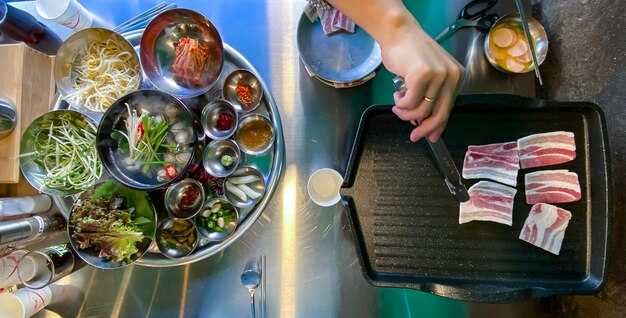
Buy frozen staples in bulk and store them in stackable cases aboard to cut frequently needed trips on boats. included items like rice, pasta, beans, and frozen vegetables form a solid base; add shrimp or fish ready to thaw for a quick protein boost, and keep a classic vinaigrette on hand for salads.
Perishables should be allocated to a fridge or cooler with tight lids, rotated every 2–3 days, and used on a first-in basis. Eggs, dairy, and soft cheese stay in the cooler; broccoli and other sturdy greens keep well, while lettuce and herbs take a shorter path. Some goods took aboard at the start and now stay in the cooler or a shaded dry bin to extend life, please.
Dry goods, oils, and seasonings stay in galleys storage where light exposure is minimal. Keep sugar on a separate shelf from grains to prevent flavor transfer; use a vinaigrette for salads and veggie sides to keep meals fresh. recommendations include an extra tomato sauce to stop gaps during rough passages. Include notes about date labeling to help rotation, and you will amaze the crew with consistent, tasty meals.
Fresh produce handling focuses on broccoli, carrots, peppers, and leafy greens. Wash, dry, and store in ventilated bags; blanch broccoli portions and chill; boil other vegetables to reheat, then mix with herbs and olive oil for variety on the stove. This approach ensures meals stay colorful and satisfying, with minimal waste and effort.
Healthy choices rely on lean proteins, whole grains, and vegetables; keep notes about dates to avoid waste, avoid sugar-heavy snacks and expensive imports; keep water on board and citrus on hand. However, space limits demand strict prioritization and careful rotation.
For quick dinners, thaw shrimp and give them a brief boil or sauté on the stove; serve with rice or pasta and broccoli, and toss greens in vinaigrette. Use extra mixing bowls to portion meals, keep goods well organized, and amaze crew with simple, balanced plates.
Prep and cook with limited space: time-saving techniques and multi-use dishes
Recommendation: start with a two-pan workflow and a unified sauce base to stretch space aboard. This will save long prep times and keep meals consistent for several servings, especially on sailing legs where a mobile galley is used.
- Base sauce: yogurt-based tzatziki, cucumber optional, used across various dishes; adding lemon juice, dill, and salt to taste keeps things fresh with minimal effort and reduces washing.
- Multi-use dishes:
- Beef and onion cuts skillet: sear steak in the bigger pan, add onions and carrots until just tender; deglaze with stock or water; reserve some for wraps later; this can be eaten warm now or repurposed for a salad.
- Steak bowls with tzatziki: serve with rice or flatbread; top with cherry tomatoes and a dollop of yogurt-tzatziki; leftovers can become a topping for baked potatoes or a cold salad.
- Carrot-onion bake with yogurt topping: slice carrots and onions, bake until tender; finish with a light yogurt-tzatziki drizzle; baking makes one tray feed two meals.
- Storage and shopping tips: review previous stores for supplies; plan around what you have; look for bigger packs when prices are lower and avoid expensive items you won’t finish; good rotation and minimal waste save space.
- Onboard workflow: use nesting, mobile equipment, and compact knives; pre-cut onions and carrots in one session; keep a compact cutting plan to reduce cuts and speed up service.
- Protein variety: if you prefer beef or steak, keep both options ready; white gulf fish or shrimp can diversify protein while staying simple; ensure seafood is eaten within the day or stored properly.
- Mindset for sailing: theres this constant balance between speed and taste; thought-out planning helps propose new combos; assemble a one-page plan covering lunch and dinner ideas using the same base sauce and ingredients.
Sea-friendly flavors: spices, herbs, and substitutions for a small rack
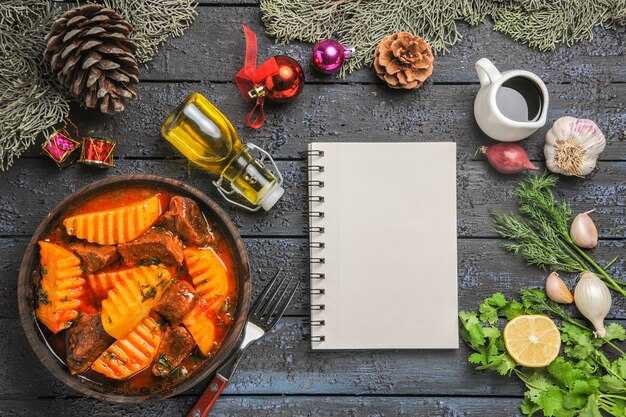
Use a compact spice rack: dried dill, oregano, garlic powder, lemon zest, and crushed red pepper. This base will season fish, zucchini, and side dishes without daily fresh herbs, and it travels well on a charter crew mobile galley. It’s the perfect, simple foundation for meals, with long shelf life and minimal fuss.
For tzatziki-like coolness, blend yogurt with cucumber, mint, and a pinch of salt, or simply mix sour cream with chopped dill and garlic. If you havent yogurt, use olive oil, lemon juice, and chopped parsley to brighten sauces without heavy dairy; stop chasing complex dips and keep it simple.
Preference matters: for mild meals, lemon-dill and pepper; for a bolder note, add red pepper flakes or paprika. Depending on the crew’s preference, rotate herbs; simply adjust salt and acid. The arrival of new ingredients frequently takes minutes if you have the right equipment.
In dalmatia-style flavor, oregano, bay, garlic, and olive oil anchor zucchini and tomatoes; lemon and dill lift greens. vala salt adds mineral lift. Keep a small otok-labeled box so you can grab spices together and quickly; expensive items stay off deck. The aim is meals that withstand spray and sun while staying vibrant.
Desserts finish meals on a bright note: citrus segments, baked apples with honey, or yogurt with fruit. The last bite should be bright. Keep options simple and frequent, so the crew feels refreshed after arrival and long sessions ashore.
Top 11 boat recipes: quick, nutritious options for a week at sea
1) Tuna salad with avocado, peppers, capers: it’s able to be prepared in advance and stored inside a cooler for 7-day cruising days, delivering high-protein fuel with minimal effort; use canned tuna, diced avocado, chopped peppers, capers, and olive oil, mix, and serve with bread or crackers.
2) Honey-glazed chicken skewers with peppers: marinate chicken chunks with honey, soy, and lemon; thread with peppers and onions; grill until golden; prepared in minutes, and this cost-saving option will keep you from expensive restaurant visits; cut into portions for daily meals.
3) Salmon foil packets with lemon, dill, and capers: place a salmon fillet on foil with sliced peppers, capers, and lemon; seal and bake in oven or on grill; inside the packet, steam veggies for a complete dish; this method will greatly simplify cleanup on deck, even in tight places.
4) Chickpea and tuna warm bowl with quinoa: combine canned chickpeas, tuna, diced peppers, cucumber, and cooked quinoa; heat briefly in a pot; high-protein, affordable, and avoids expensive cuts by relying on pantry staples; prepared meals save time on days at sea. If you prefer meats, swap in chicken or turkey.
5) Veggie egg scramble with spinach and sliced peppers: whisk eggs or egg whites; cook with spinach and sliced peppers on a pan; speaking frankly, cutting board prep speeds up; great for a quick breakfast or light dinner on cruising days.
6) Lentil salad with feta, cucumber, olives, and herbs: cook lentils ahead and cool; toss with chopped cucumber, diced peppers, feta, and olives; drizzle olive oil and lemon; stores well for a 7-day shipboard plan, offering a high-fiber, protein-rich option for days when cooking is limited.
7) Shrimp skewers with corn and peppers: marinate shrimp briefly, thread with corn chunks and peppers; grill for 3-4 minutes per side; portable, flavorful, and great for quick meals between sails, which makes cleanup easy.
8) Capers-crusted cod with roasted peppers: coat cod with a light caper crust, pan-sear, then finish in oven with peppers; fast, delicate, and elegant enough for guests; will keep in a small fridge and reheat easily.
9) Rice bowls with tuna, avocado, cucumber, and pickled capers: reheat pre-cooked rice, top with tuna, sliced avocado, cucumber, and capers; drizzle with soy-lemon dressing; inside boatside meals, portion control helps your budget.
10) Pita pockets with hummus, sliced veggies, and olives: keep hummus prepared; fill pita with peppers, cucumber, olives, and feta; easy on a windy deck and portable for day trips; youre choices each day can stay pretty fresh without a restaurant run.
11) Honey-oat energy bites with nuts and dried fruit: mix rolled oats, honey, nut butter, and chopped nuts; press into a tray and cut into sliced squares; these bites travel well and require minimal equipment, a handy gift to shipboard crew for a quick boost between tasks.