


 Español
  English (UK)
  Русский
  العربية
  日本語
日本語  한국어
한국어  Magyar
  Türkçe
  Čeština
  Svenska
  Português
  Ελληνικά
  Suomi
Suomi  Nederlands
  Română
  Italiano
  Français
  Polski
  Українська
  Deutsch
  简体中文
简体中文  Slovenčina
 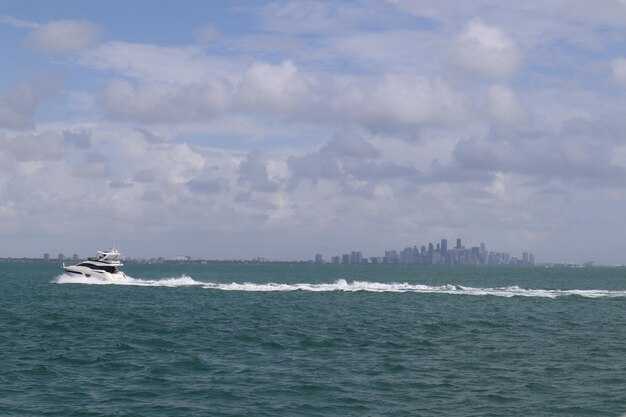 British Virgin Islands Cruising Conditions – Best Time to Sail, Winds & Weather">

Choose january for your first voyage to the British Virgin Islands. This month delivers stable weather and higher chances of good sailing days, with daytime temperatures around 28–30°C and cooler evenings. Start from Tortola and plan to visit Virgin gorda (gorda) and Anegada, prioritizing island hopping with protected anchorages and less crowding for a smoother start.
Wind patterns shape daily plans. From january through april, the trade winds blow from the east at about 15–25 knots, easing to 10–15 knots at night. Looking at the forecast helps you plan around calm mornings, with a short, occasional shower in the afternoon and plenty of sun, creating ideal weather for boats to cruise between Tortola, Virgin gorda, and Anegada.
For an optimal cruising window, plan your route around sheltered bays and stable winds. The most popular paths stay along Tortola’s south coast, then hop to Norman Island and Cooper Island. If you visit during hurricane season (June through November), some weeks can still offer good sailing, but monitor forecasts closely and have contingency anchorages ready.
Safety comes first: check anchor gear, carry a reliable VHF, and share your plan with a friend on land. January and February offer less crowded moorings, giving you time to find experiencias like snorkeling near The Baths, beach walks on Anegada, and relaxing evenings on quiet shores. Every day brings opportunities to refine your route and enjoy island hopping while keeping safety at the forefront.
British Virgin Islands Cruising Conditions
Book your charter for December–April to enjoy stable trade winds, sunny days, and vibrant anchorages across the islands. Today, many crews plan 7-10 day itineraries that start in Tortola and weave through Virgin Gorda, Anegada, and Jost Van Dyke, with easy booking options.
Winds and seas: NE trades typically hold 15-30 knots during the day, with mornings lighter and afternoons steadier. Seas run 1-2 meters in open water, easing inside reefs and sheltered bays. October offers a sunny period with warm days, but brief squalls and occasional storm cells can pass quickly. During the april-may period, expect lighter days and cooler nights.
Seasons and patterns: The dry season (December–April) provides the most reliable sailing, long sunny periods, and stable conditions. The april-may period is transitional with lighter winds and cooler nights. The wet season (May–November) brings brief showers, more variable winds, and occasional tropical storm risk. Christmas charters remain highly popular, with many local events and busy anchorages.
Tips: Booking early for Christmas and the peak weeks helps secure favored moorings. Build your route with every leg focusing on leeward, sheltered coves; visit known anchorages at calm hours; use a local broker for weather updates and extra advice.
источник local knowledge confirms that trade winds stay steady through most days, with brief lulls after sunset that suit calm night sails. Daylight hours run about 11-12 hours for most of the year, leaving ample time to cover 15-25 nautical miles between bays on classic routes. For storm monitoring, check reliable forecasts during the late summer and early autumn period, and have a backup plan.
When is the Best Time to Sail the BVI: Winds, Weather & Practical Timing
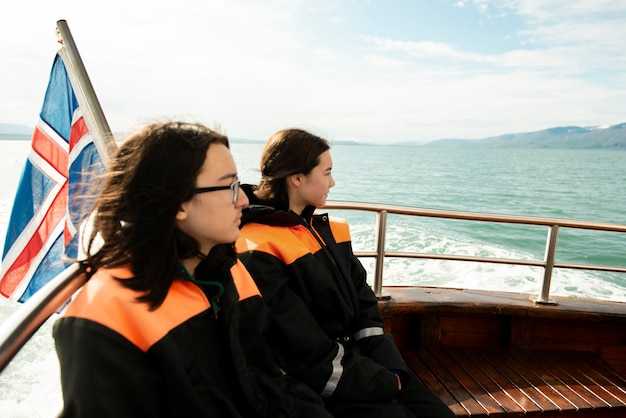
For most seeking reliable trade winds, the best time to sail the BVI is December through April. Here the trade winds run NE at 15-20 knots on calm, sunny days, with high visibility and open water between island anchorages, making cruising enjoyable and predictable. Certain days can be calmer, but this window gives you a steady environment for long hops without surprises.
From May through June, temperatures rise and winds ease to the 12-18 knot range, keeping cruising open and comfortable. Mornings stay calm and seas remain manageable, while the environment becomes warm and inviting for a couple weeks of island hopping. If your visit targets fewer crowds, this shoulder period works well, though you should plan for brief afternoon showers as the season shifts.
In the winter window, the average wind stays around 15-20 knots, with occasional gusts into the mid-20s during passing squalls. Cumulus clouds may build in the afternoon as sea breezes shift, but storms remain infrequent and visibility stays excellent for navigation between coves and anchorages on a long day sail or a relaxed hop from one island to another. This is ideal for cruising families and couples seeking predictable days on warm water.
Regattas drive peak activity in late winter and early spring, with events that light up harbors and anchorages. If you seek quiet anchorages, plan a visit a couple weeks before or after the rush; you still catch good winds and fun sailing regardless, and you’ll have more open ranges for sunset sails and snorkel stops.
From June through November, higher storm risk and variable conditions mean you should stay alert to forecasts and be ready to adjust plans. Storm formation can change the day-to-day picture quickly, so pick sheltered lagoons, check wind and radar updates, and keep your schedule flexible for a visit that could shift by a day or two.
To time a trip well, plan for a 10- to 14-day itinerary or a couple of short 7-day hops, with a focus on reliable wind routes and protected anchorages. Check forecast prognoses and make a contact with your chosen charter operator or captain well in advance–6 to 8 months ahead is common for securing the best boats and dates. The planning means you’ll minimize pressure when you reach the BVI and maximize time enjoying warm seas, snorkeling, and regattas if you’re visiting during the racing season.
Monthly Wind Trends and Typical Sea State
Target February–April for a reliable cruising window: NE trades around 15–22 knots, occasional gusts to 25 knots, water typically 2–4 ft, and a high chance of clear, blue-water days between Tortola’s marinas. Here, those conditions translate to longer hours of cruising and much time to enjoy the scene.
December and January bring higher winds from the northeast, commonly 18–25 knots with gusts to 28 knots along open channels. Seas run 3–5 ft, with a noticeable chop near exposed shores. Here, cool air makes evenings pleasant for a stroll after a long day on deck, while daytime temperatures stay comfortable for cruising between coves.
February–April settle into steadier winds, typically 15–22 knots with occasional 25‑knot gusts. Seas are usually 2–4 ft in mornings, rising to 3–5 ft on southern approaches under stronger trades. This period delivers a serenely consistent scene, adds value for cruising and watersports, and suits vacation plans that want reliable performance. This is a certain window for cruisers seeking predictability.
May–July bring a shift toward lighter trades, roughly 8–16 knots on average, with a frequent afternoon sea breeze that lifts to 15–18 knots. Sea state generally 1–3 ft in protected bays, with 2–4 ft chop offshore when the breeze picks up. Warm days invite longer hops, quick coastal hops, and sensational ocean scenery across seasons for marina hopping and shoreline exploration.
August–October feature variable winds around 10–18 knots, with tropical showers and short gusts higher than average. Seas typically 2–4 ft, occasionally 4–5 ft when fronts roll through. Mornings are often cooler and calmer, while afternoons bring lively watersports and flexible itineraries–great for vacation rhythm and serene anchorages.
November marks a transition with winds 12–20 knots and a sea state generally 2–4 ft. Fronts can shift conditions quickly, so stay alert about any changes. Daylight hours gradually shorten, so build in time for marinas and shore breaks if you want to enjoy warm evenings after missed trade winds.
Tips: Check forecasts in the hours ahead, pick a two-to-three day window for planning, and reserve harsher days for sheltered anchorages. In February–April, book likely marinas for protection during squalls; in May–July, keep a flexible route to chase the window of calmer water. For watersports, mornings in the warm months offer the most comfortable conditions; in December–January, plan longer sails during the calmer moments and treat nights as reset time in serene bays. By staying aware, you’ll maximize your vacation value and enjoy Tortola’s coastline to the fullest.
Dry Season vs Wet Season: What It Means for Visibility and Rain
Sail during the dry season for the clearest visibility and the fewest showers. In the virgin waters around Tortola, dry-season days offer open seas, longer daylight hours, and reliable wind for easy planning. Expect northeast trades around 15-25 knots, often staying in the 15-30 knot range on gusty days, with seas that remain comfortable for a typical sailboat. Plan 2- to 5-hour hops between coves and anchorages, and enjoy serene spots in secluded bays as you cruise. This window runs roughly November through April, giving you a predictable cruising rhythm and ample opportunity to explore the archipelago at your own pace.
During the wet season from May through October, showers are more frequent and can break the day quickly. June often marks the start of heavier tropical showers. Thunderstorms build in the afternoons, and rainfall reduces clarity both in the air and in the water, so visibility can dip after a heavy downpour. Humidity climbs, and seas can stay lively with squalls; always check a reliable forecast before you sail and prefer sheltered routes near Tortola or in protected bays. Expect variable winds, often strong with passing squalls, but remember that the core of a tropical day can open for a quick hop when a brief window appears. Even in summer, you can catch a brief window in the morning before the showers build. As one skipper puts it, quote: ‘Dry season is the best option’.
Hurricane Season: Planning, Insurance, and Safety Measures
Secure hurricane insurance and a simple storm plan before the season starts, and keep your crew updated with a clear escape route. In january, review policy details with your broker and confirm hull, gear, and trip-interruption coverage, including deductibles and exclusions. Maintain a contact list for the insurer, local harbormasters, and sheltered yards along your route.
Know the likely storm patterns and pick two safe harbours in advance. Mark them on charts, and confirm with a local yard or captain that you can reach inside hours of a watch. A trusted источник of forecast data helps you compare model runs, assess the risk, and keep your plan sound for yachts. During peak activity, storms can intensify rapidly, so monitor the water and winds daily.
Before a storm, secure decks, lines, and loose gear. Bring winches and deck hardware to a lower position; lash and chafe-protect lines; stow anchors, rode, and spare fenders. In the baths and shower areas, close doors to reduce water ingress if seas surge. Clear the water on deck and check bilges for a quick pump if needed. Prepare a simple go-kit with water, non-perishables, and a hand-held GPS for tracking.
When alerts rise above calm thresholds, move toward safe harbour early rather than chasing weather. If a hurricane threat appears likely, set engine checks, secure your bulkheads, and deploy a storm-reefed sail. Use multiple forecast feeds and keep VHF on channel 16 for weather updates; quote: “Prepare now, reassess often,” and rely on a certain forecast update each morning. Think through plans for crew and boats if conditions worsen.
Have a crew safety checklist and a 10-minute drill: life jackets, EPIRB, handheld radio, and a muster plan. In case you must shelter, choose a marina with proven protection and easy access to fresh water. For watersports or casual activities, postpone to after the system passes and only resume once the forecast shows calmer conditions. Tips from veterans help you stay ready and calm when the clock runs down.
Insurance specifics: check that hull, gear, and liability coverage are active during the hurricane season; confirm coverage for trip interruption and salvage costs. Capture photos of the yacht, rig, and gear before and after storms for claims. Keep receipts for shelter stays and repairs. Work with your insurer to understand what qualifies as a hurricane. Ask for a rider that covers salvage and loss of use, and verify any exclusions that could affect a claim. источник notes emphasize the importance of proper coverage in the BVIs.
Those onboard aim to stay safe, keep water ready, and plan exciting trips for the years ahead. The classic window for sailing still yields rewarding days with careful planning, solid insurance, and a calm, ready crew. For those considering a january or christmas period, you can enjoy calmer waters while staying alert for storms in the forecast.
Shoulder Seasons: Benefits for Calm Seas and Fewer Crowds
Sail in May or November to enjoy calmer seas and lighter crowds. In these shoulder seasons youll typically find steady trade winds around 12–16 knots and seas often under 2 meters, making monohulls easy to handle for both beginners and seasoned skippers. The scene stays friendly, and you can anchor near favorite coves without the peak-season rush.
- Weather and sea state: generally reliable winds in the 12–16 knot range, with seas often under 2 m, delivering smoother passages between islands and comfortable daytime cruising.
- Crowds, anchorages, and experience: those seeking quiet moments escape the crowded bays; although the density is lower, youll still meet people in social harbors and at popular viewpoints near the islands.
- Costs and booking: youll often find lower charter rates and flexible terms, creating opportunity to tailor itineraries around your preferences and vacation style.
- Navigation and safety: line-of-sight landmarks help you plan anchorage hops; ensure you have up-to-date charts and weather briefings, especially if a stray shower is rainy.
- Experiencias y itinerario: una pareja o un pequeño grupo pueden cubrir rutas similares mientras pasan más tiempo en menos lugares, lo que facilita detenerse en una escena favorita o explorar una isla más lentamente.
- Enero y meses de transición: las mañanas de enero tienden a ser frescas y despejadas, ofreciendo condiciones predecibles que atraen a los viajeros que buscan consistencia.
En resumen, las temporadas intermedias ofrecen mucha flexibilidad para diseñar unas vacaciones que se adapten a tu ritmo, con menos multitudes, mares tranquilos y experiencias memorables en las Islas Vírgenes Británicas.