


 Español
  English (UK)
  Русский
  العربية
  日本語
日本語  한국어
한국어  Magyar
  Türkçe
  Čeština
  Svenska
  Português
  Ελληνικά
  Suomi
Suomi  Nederlands
  Română
  Italiano
  Français
  Polski
  Українська
  Deutsch
  简体中文
简体中文  Slovenčina
  Boat Sound Signals – What Do They Mean? A Practical Guide for Boaters">

Always test your whistle or horn before each trip and use it in foggy conditions or when visibility is limited. A clear signal keeps other boats Aquí están las reglas para traducir texto: - Proporcione ÚNICAMENTE la traducción, sin explicaciones - Mantenga el tono y estilo original - Mantenga el formato y los saltos de línea y puede give you time to react. If you want to reduce risk, start here with a simple rule: state your intended action, then carry it out, and then listen for a response from others. In all conditions, pair sound signals with proper lights and a quick VHF check, because effective communication on the water saves time and lives.
In internationally recognized terms, the COLREGs outline sound signals that convey presence, intention, and safety. Know the core sequences, and if you have taken steps to prepare, practice them in calm water before you need them in rain or fog. Keep a quick reference onboard so you can review the rules while crossing a busy channel or navigating inland waterways.
Typical timings: a prolonged blast lasts about 4–6 seconds, while a short blast runs around 1 second. In foggy conditions or during a crossing, you may alternate signals to indicate presence, passing decisions, or a change of course. For example, use a prolonged blast at roughly two-minute intervals to stay Aquí están las reglas para traducir texto: - Proporcione ÚNICAMENTE la traducción, sin explicaciones - Mantenga el tono y estilo original - Mantenga el formato y los saltos de línea, then add short blasts to signal passing intentions. In rain or squalls, keep patterns steady and repeat them as speed or visibility changes to prevent confusion.
When you hear a signal from another vessel, respond clearly. If they indicate intento to pass, adjust your speed and course to create a safe margin; if the signal is unclear, increase distance and maintain a slow, predictable maneuver. Always ensure channel awareness and avoid crowding the other boat’s signal. If signals conflict, reduce speed and widen the gap until you can confirm the other boat’s actions. Take prevention seriously and rely on signals in combination with lookouts, radar, and AIS where available.
Practice with a crew, use a simple checklist, and review the key signals regularly. Keep your equipment maintained, and take the time to teach guests what to do if they hear a signal. Here, a calm, standard response beats confusion and reduces the potential for collision much more than improvisation. By integrating these habits into routine sailing, sound signals become a natural part of safe boating, internationally and on every waterway you navigate.
Anchor or Aground: Practical Interpretations and Actions
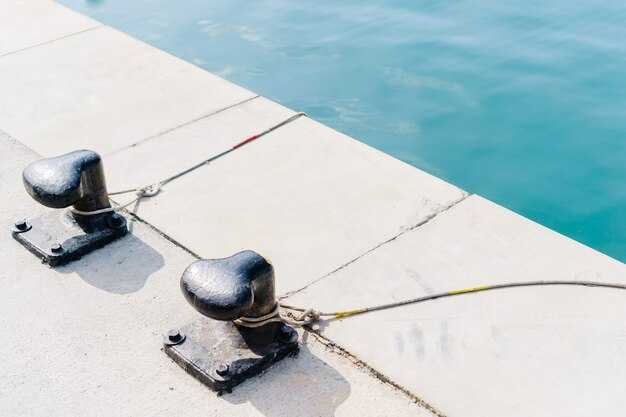
When you hear a sounded signal indicating anchor or aground, slow to idle, give vessels on your port and starboard sides wide room, and communicate your intentions on VHF channel 16. Maintain a safe distance of at least two hull lengths whenever possible, and adjust your speed to avoid creating wake that could complicate the situation for others.
Interpret signals with colregs awareness, but expect variations across vessels and environments. In harpur areas, signals may vary due to traffic density, equipment, or weather; most signals come from horns, bells, or electronic devices. When a signal is sounded to indicate anchor, anticipate that the vessel intends to hold position; monitor its lights and the distance to judge risk. If visibility worsens, increase alertness and reduce speed to maintain room for error in your planning.
If you are the vessel doing the signaling, keep a steady course away from nearby boats and avoid aggressive maneuvers. Use clear communication to verify intentions, and prefer a conservative bend in your track to prevent drifting into another hull. If you must pass, give extra width, announce your path, and maintain a predictable, slow pace so others can respond in time.
For nighttime or limited visibility, rely on horns y devices to convey intent, and ensure your visibilidad is maintained by proper lighting and ballast of the water. In close quarters, review your plan with others as conditions change, and never assume that a signal means the other vessel will move; treat every signal as a cue to communicate and stay safe.
The takeaway is practical action: respect anchor or aground signals, stay out of the bend of other vessels’ course, and keep a calm, doing approach to maintain safety for all on the water. Continuous review of how signals are interpreted helps you adapt to variations and keep everyone Aquí están las reglas para traducir texto: - Proporcione ÚNICAMENTE la traducción, sin explicaciones - Mantenga el tono y estilo original - Mantenga el formato y los saltos de línea.
Anchor cadence: one prolonged blast every two minutes while at anchor
Recommendation: maintain a single prolonged blast every two minutes while anchored to signal your position to shipping and other vessels. This cadence is recognized and reduces confusion for approaching ships.
Implementation: as soon as you anchor, begin the cadence. Use a timer and a single prolonged blast lasting 4-6 seconds, then pause for two minutes before repeating. Note the time with the timer. Theres no need to crowd the signal; keep it simple. Within a busy shipping area, keep the interval strict and avoid gaps; this proper timing and right spacing helps overtaking ships, the boater nearby, and other traffic understand your status. If theres any doubt about nearby traffic, review the plan with your crew and agree on how to respond.
Visibility and conditions: foggy or reduced visibility makes the signal more critical; in such cases, supplement the horn with lights and radio checks. The signal does not change with weather. Review local practices and ensure you and others understand the expected cadence; then adjust the approach as needed. Using this cadence with extra precautions communicates confidently that you are anchored and not under way.
Coordination and response: agree with nearby vessels about the signaling protocol; if an overtaking ship approaches, respond with the established signal and keep your course and speed steady. Different traffic patterns require flexible response, but the core cadence remains the same. Delighted to see traffic respond correctly when there is a clear agreement among ship handlers and boaters. If you are in a special zone or near shipping lanes, follow local rules and notify harbor control if the plan needs revision.
| Aspect | Guidance |
|---|---|
| Cadence | One prolonged blast every two minutes; duration 4-6 seconds; repeat until you move or re-anchor. |
| Signal context | Signal your anchored status to ship and other traffic in shipping lanes; ensure the cadence is audible over engines and sea noise. |
| Coordination | Review with crew; ensure agreement among nearby vessels; if overtaking occurs, respond while maintaining cadence. |
| Visibility tools | Supplement horn with proper lights; use radar, AIS, and VHF to communicate position and intentions. |
| Safety factors | Ensure enough scope and watch; if conditions change, adjust or re-anchor as needed. |
What to do when you hear another boat signalling at anchor
Convey your intentions through a quick signalling and respond on VHF channel 16 to confirm contact. Keep a safe plan that preserves visibility and space for crossing traffic. Maintain a clear buffer by adjusting position to stay out of their direction of movement.
Listen to the signalling you hear: a brief blast, a long tone, or a repeating pattern can reveal what the other boat intends. If their signalling suggests they may drift toward your vessel, shift course early to avoid a crossing and give them room.
Communicate with light signalling or sound signalling as needed. If you need to reply, a brief horn or flash exchange helps both boats stay coordinated and reduces noise in the area.
Treat the other operator like a pilot of the situation: watch their direction, keep a steady watch, and consider moving to an open space if required. If michael is aboard, assign roles: one crew member monitors the signalling, another observes wind and current, and a third keeps your lights visible to others. Stay calm and follow a simple, repeatable plan to keep everyone safe.
Understanding signals if a vessel is aground and how it affects you
Keep clear and reduce speed immediately. A vessel aground ahead creates risk of collision, dangerous wash, and environmental damage. Your immediate action is to turn away to give space and maintain a safe distance based on conditions. These things help you stay in control and protect everyone on board.
Signals show there is a grounded vessel. There are several types of signals you should understand: visual signs, sound signals like whistle blasts, and electronic notices from devices such as VHF radios and AIS. In the marine environment, night conditions complicate perception; at night, lights may mark the position, and crew may be using devices to communicate. These things frequently require you to be alert and ready to act. Take a moment to understand what each signal shows so you can respond quickly and correctly.
What you should do step by step when you confirm a grounded vessel: Taking the right actions and doing them calmly will reduce risk, slow to idle, turn away from the bow to keep clear of its stern wash, maintain a safe distance, and avoid passing between the grounded hull and the shore. If you have a lookout and a clear deck, you can keep a safe distance and watch for hazards such as lines, fuel spills, or shifting debris. Your responsibility as skipper is to act decisively, minimize risk, and not escalate the situation. Do not linger near the scene for long durations; move to a safe position and reassess.
Communication matters: Use your marine radio on channel 16 to call for help or to report your position. If you are near but not immediately in danger, you can switch to a working channel to coordinate with the coastguard or harbor authorities. Provide your vessel name, your position (lat/long or bearing from a known mark), and the nature of the situation. This sequence of actions helps responders prepare sufficient information to assist quickly.
Legal and responsibility: Local rules vary, but most jurisdictions expect mariners to avoid endangering others and to assist if they can do so safely. Your responsibility includes maintaining a safe speed, using proper lookout, and taking care not to worsen the grounded situation. Do not attempt risky maneuvers out of bravado; prioritize your crew and that of the vessel aground. This legal duty is part of every voyage and helps maintain order on the water. Taking these steps will will help you stay prepared and safe.
Night operations: At night, ensure navigation lights are visible, keep a vigilant lookout, and communicate clearly if you are changing course. The presence of a grounded vessel may create hidden hazards; use radar if available and maintain a wide arc to avoid propeller wash or anchor lines. For long nights, keep lookout and use devices to track your position and ensure you have sufficient room to maneuver. Concerning weather and tide, stay updated and adjust timing if needed.
Questions to consider before taking any action: Is the path clear to turn away? Can you assist without risking your own crew? Are you within radio range to call help? What devices could help you verify the vessel’s position? Taking these questions into account will help you act decisively and safely. Each step should be part of a clear sequence you follow on every voyage.
Common mistakes to avoid: passing too close, chasing a moving target, or taking on a riskier rescue. Remember that things like rushing into a scene can lead to more damage. Do not obstruct traffic or the vessel’s passage unnecessarily. If you are overtaken by current or wind, maintain your course, then turn away when safe, and avoid a direct approach to the grounded hull. The skipper should stay calm and coordinate with crew to ensure everyone knows their role.
What it means for you as skipper or crew: understanding the signs and the proper sequence of actions reduces risk, protects the marine environment, and keeps you in control. By using devices, listening to whistle signals, and following a clear plan, you maintain safety and provide appropriate help when asked. The goal is to show responsible behavior and ensure that your actions are safe, lawful, and effective. If you are overtaken by a surge or wake, adjust course and report conditions to authorities.
Navigating near anchored or aground vessels: interpreting passing and meeting blasts
Always slow and create a clear margin of distance when you’re within the risk area of anchored or aground vessels; if you hear passing or meeting blasts, assume a potential maneuver and adjust your plan accordingly.
- Interpretation at a glance: blasts convey intent to coordinate movement among nearby vessels. Near anchored or aground targets, expect the other vessel to signal its plan to pass or to hold position. If you’re unsure, prioritize safety and reduce speed, then request confirmation by radio if needed.
- Distance and planning: increase distance using a simple rule of thumb–keep well clear of both the hull and the bow wave zone. In waves or gusty winds, add extra margin; in bend or narrow channels, widen the clearance even more. Within calm conditions and good visibility, 2–3 vessel lengths as a starting point helps, but adjust to traffic density and your rating as a maneuvering vessel.
- Common scenarios and responses:
- Passing near an anchored vessel: slow, keep a broad, predictable course, and do not cut inside the anchor line swing; convey your intention to pass on your preferred side via voice or radio, and comply with the other vessel’s response to agree on a side.
- Aground vessel signaling to maneuver: give them space to recover their position; do not pressure their stern or bow; be prepared to alter course away from the bend in the channel.
- Two vessels approaching head‑on near anchored targets: coordinate a safe path well before contact; use a clear change of bearing to avoid crossing within the other vessel’s wake and maintain a steady speed until distance allows a comfortable pass.
- Communication and agreement: when signals are ambiguous, use VHF channel 16 to establish an agreement on which side to pass; this helps avoid misinterpretation and reduces risk of a collision. If the other party does not respond, assume the more conservative choice and increase distance.
- Legal context and regulations: COLREGs and international regulations require vessels to act to avoid danger and to maneuver within the limits of their ability. In worldwide operations, follow the standard rules and document the agreed passage plan to prevent confusion in planning and execution.
- Practical checks before the maneuver: verify you’re within safe distance, ensure your speed is appropriate for the current waves and currents, and confirm your intended side (left or right) with the other vessel. Being proactive about signaling and turning decisions minimizes risk and helps you stay compliant with regulations.
Answers to common questions: If you’re near a vessel that’s being overtaken or met, expect a deliberate, incremental adjustment; don’t rely on a single blast as the sole cue. Frequent rechecks of distance, bearing, and sound signals–combined with a clear agreement on pass direction–provide the best protection in international waters.
Equipment, maintenance, and drills to use sound signals before anchoring
Always test signaling gear and announce your intention to anchor using sound signals and radio before letting the anchor go. This keeps other boats aware of your maneuver and helps you stay safe on the water.
- Equipment checklist
- Audible devices: a loud horn or whistle, a bell, and a handheld megaphone or electronic horn; verify battery health and waterproof seals.
- Backup options: spare batteries, a second signaling device, and a simple whistle accessible to all crew.
- Radio and communication: VHF radio ready on channel 16 for hails and on-channel planning; have channel 69 or another local channel as a follow-up channel if used in your area.
- Visual aids: a working anchor light or deck light to improve visibility during signaling, especially at dawn, dusk, or in fog.
- Anchor gear readiness: spare fenders, a ready-to-use anchor line and chain, snubber or shock-absorbing device, and a clear, untangled rode layout.
- Information access: up-to-date charts or apps showing nearby traffic, anchoring areas, and potential restrictions; keep a simple note with agreed signals for the crew.
- Maintenance tasks
- Test audible devices weekly in calm water and after any rough handling; confirm they project above deck level and can be heard in the cockpit and below decks if needed.
- Inspect power sources: test batteries, replace worn housings, and clean contacts to prevent corrosion.
- Check lines and hardware: inspect the anchor line, chain, shackles, and windlass fittings for wear, corrosion, and proper securing; replace frayed rope or damaged chain promptly.
- Keep signaling gear dry and accessible: store spare parts in a dry bag, label locations, and ensure crew can reach devices without tools or keys.
- Review legal requirements: ensure your signaling approach matches local and international rules; adjust gear and procedures if regulations change or you enter different waters.
- Drills and execution
- Pre-anchoring briefing: plan the approach, wind, current, and depth; assign roles (lookout, signal operator, line handler) and agree on which signals mean “anchor down” and “anchor hold.”
- Signaling sequence practice: perform a practiced sequence to inform nearby traffic of your intention to anchor, then confirm understanding through a quick reply from nearby boats or harbor authorities when possible.
- Communication discipline: use “whether” safe, understood, and planned phrases to keep information clear; they should stay within the crew’s vocabulary and be repeatable under stress.
- Letting go and settling the rode: approach the anchorage slowly, give a clear signal when you are ready to drop, and after anchor is set, use a prolongation or agreed one-sign to indicate “anchor down” so everyone knows you are secure.
- Post-anchoring check: verify the anchor has set by observing drift in wind/current and by testing the crew’s ability to stabilize lines and fenders; listen for any heard signals from nearby vessels and adjust as needed.
- Internationally common practice: maintain compliance with COLREGs and local laws; always perform signaling and planning with the expectation that other boats may be separating or approaching from unexpected directions.