


 Español
  English (UK)
  Русский
  العربية
  日本語
日本語  한국어
한국어  Magyar
  Türkçe
  Čeština
  Svenska
  Português
  Ελληνικά
  Suomi
Suomi  Nederlands
  Română
  Italiano
  Français
  Polski
  Українська
  Deutsch
  简体中文
简体中文  Slovenčina
  Best Value Boating Destinations in Europe for 2025 | Budget-Friendly Marinas, Scenic Routes & Tips">

Start with cyclades as your anchor for 2025: short distances between islands keep hops manageable and budgets predictable. whether you sail with family or a crew of friends, this plan suits a budget-conscious crew, delivering unique, peaceful experiences that most visitors remember. once you drop anchor, you’ll hear local music drift from tavernas and swap tips on marina prices that stay reasonable. thats the rhythm you want.
Plan a two-region loop: cyclades and Dalmatia. In cyclades, most hops stay under 30 nm, keeping daily runs short and restful. Naxos, Paros, and Syros offer budget-conscious marinas and simple provisioning, with ferries linking villages within a few hours. In Dalmatia, Split to Trogir and Šibenik delivers longer legs, typically 25–40 nm, with marinas such as ACI Marina Split, ACI Marina Trogir, and Sukosan that provide reliable water, electricity, and Wi‑Fi. For famous sunsets, stop in Hvar or Korčula, then drift to quieter coves where the crew can unwind after the day.
To maximize value, sail in shoulder seasons and book multi-night berths when possible. Some marinas add a mandatory service package or tourist tax; factor these fees into your plan. Plan daily runs around 20–40 nm when winds favor you, and keep music and a compact provisioning list ready for the crew. These tweaks reduce fuel use, allow much more time for exploring coastlines, and let you enjoy things along the coast without overspending.
For objective pricing and routing data, consult a trusted источник of sailing knowledge that aggregates marina tariffs, weather windows, and daylight hours. This helps you lock in numbers and compare options without bias.
In summary, these destinations offer unique value, budget-conscious planning, and a pace that suits both crew and visitors. cyclades and Dalmatia each bring their own flavor, from peaceful anchorages to short hops and famous sunsets that create lasting memories.
Best Value Boating Destinations in Europe for 2025
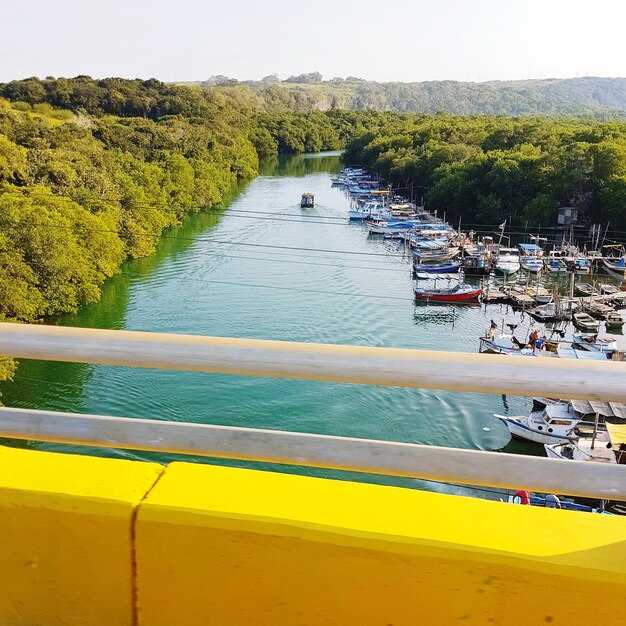
Croatia’s Dalmatian coast stands out for value in 2025, with a dense web of coastal towns, sheltering coves, and cheap charters. From Split to Zadar and beyond to Trogir and Dubrovnik, you can pattern a route that blends historic towns, azure bays, and reliable mooring. Charter prices in June and September shoulder season hover around €350-€520 per day for a 35–40 ft boat; peak season climbs to €550-€900. In marinas, mooring fees range roughly €20-€40 per night, while anchor spots in protected coves are often affordable. Listings on Boatbooker help travelers compare options from small local operators and bigger fleets, with plenty of cheap spots near fresh seafood markets.
Montenegro’s Bay of Kotor delivers dramatic scenery and value for 2025. The coastline is dotted with towns like Kotor, Perast, and Herceg Novi, with easy hops between sheltered bays. Charters here start around €320-€480 daily during June and September; in peak months you might see €480-€700. Mooring in the marina districts averages €20-€35 per night, while free anchorages in many coves offer budget options for a true yachting experience beyond crowded hotspots. Local operators provide reliable service and short itineraries that fit a long weekend or a longer coast-hop, with listings on Boatbooker guiding you to the best spots.
The Greek Ionian coast offers some of Europe’s best value for yachting in 2025. Corfu, Lefkada, Ithaca, and Kefalonia host cheap charters around €320-€600 per day in June or September; July-August can push higher but remains competitive with other Mediterranean routes. Mooring fees in major marinas run €25-€50 per night; cheaper suburban harbours and protected coves let you stretch the budget. You’ll find fresh seafood in tavernas, music festivals in coastal towns in June, and easy hops between coastal towns and inland lakes in some routes. Boatbooker listings curate a mix of local operators and established fleets to match your plan.
Albania’s Riviera and adjacent routes offer some of Europe’s cheapest yachting value. Durrës, Vlora, and Saranda host charters from about €180-€320 daily in June, with shoulder-season rates lingering into September. Mooring in new marina projects tops €15-€25 per night, and many spots in beaches and coves are free with safe anchorages. The coast blends rugged scenery with affordable dining, fresh fish markets, and a growing network of boat services that travelers appreciate. Boatbooker listings concentrate on local operators that keep prices accessible while maintaining quality.
Across the Benelux and northern routes, canals and coastal lakes provide a different low-cost angle. Dutch canals connect to sheltered coastal spots and lakes around Amsterdam and Rotterdam, with quiet moorings and well-maintained marinas. Expect cheap nightly mooring around €15-€30 in smaller towns, and higher rates near major ports. This route suits travelers seeking a compact maritime week, with easy rail links to city centers for music and festival events in June and September, and a chance to sample local cheeses, beer, and fresh produce between sails. Boatbooker listings highlight flexible charters and self-drive options for a compact coastal-or-canal itinerary that complements the bigger Adriatic routes.
Tips to optimize value in 2025: plan a June or September cruise to catch shoulder-season prices and lighter crowds; target towns with active marina councils offering fuel and mooring discounts for early bookings; choose reef-protected coves for free anchorage and quiet nights; mix coastal hops with a few lake or canal stays to diversify scenery; use Boatbooker to compare listings, read local reviews, and lock in a trusted operator; book charters with inclusive maintenance and fuel packages to avoid unexpected costs; look for fresh seafood markets along the way to keep meals affordable and delicious.
Budget-Friendly Marinas, Scenic Routes & Tips; Best Time to Go

Start in budva for affordable marinas and a vivid flavor along the Adriatic, with slips around €25–€40 per night for a 12m catamaran in May or September. Compare options on boatbooker to boost savings and lock in a fair rate before peak season. Water shimmers, bluewaters frame the skyline, and the harbor promenade serves grilled seafood, a simple pleasure for enjoying authentic flavor without breaking the budget. This base makes it easy to craft a list of day trips to nearby coves and historic towns, expanding your experiences beyond the marina gates.
The best time to go is May–June and September–October, when winds are steady and marina rates stay friendlier. Staying flexible with midweek stays boosts affordability and frees time for shore experiences. If youre aiming to reach thassos or other islands, plan longer hops when ferries run less often in off-peak days. Seasonality matters: July heat can push prices up and crowds onto the same docks.
Here’s a practical list of routes and tips to maximize bluewaters time: Route Budva → Kotor Bay and Perast offers 15–25 miles of sheltered stretches with a skyline of fortresses and calm coves for swimming. Route Budva → Lustica peninsula and Herceg Novi provides anchor-friendly bays and gentle hops for enjoying daytime sails. Route Kavala → thassos across bluewaters presents a classic crossing for a catamaran, with scenic coastlines and beaches to drop anchor. Route Split → Hvar → Vis along the Dalmatian coast delivers dramatic cliffs, charming towns and opportunities for grilled dinners ashore, expanding your flavor experiences. Tips: aim for shoulder seasons, monitor wind forecasts, book early on boatbooker to secure good moorings, and plan a few days to savor water-based experiences beyond the marina.
Budget-Friendly Marinas: Fees, Facilities & Location Hotspots
Begin your trip at varna harbors for budget-friendly docks, quieter surroundings, and easy access to coves along the coast.
Fees and bookings
- Mooring rates typically range from €12 to €25 per night in shoulder seasons; peak months push prices higher, but long-stay deals exist in many harbors.
- A mandatory deposit of €40–€100 is common; refunds are issued at checkout if no damage occurs.
- Electric and water connections vary: some marinas include them, others bill per unit (6–16 A) or by consumption.
- Booking platforms such as getmyboat help you compare options, read reviews, and reserve a slip ahead of time.
- First-timers will find staff helpful for docking tips and local tour ideas; if youre unsure, they can point you to a map of nearby coves and beaches.
Facilities to look for
- Clean showers, toilets, and laundry; secure access after hours and on-site help desks in busy seasons.
- Pump-out station, fuel dock, chandlery, and a small shop with basic boating toys and spares.
- Reliable Wi‑Fi in reception areas, shaded seating, and safe walkways along the quay.
- Calm basins and family-friendly zones near the harbors, with shorter walks to the city centers.
Location hotspots and routes
- Varna and the northern Black Sea coast offer long stretches of bluewaters and a timeless city vibe, with easy day trips to nearby coves.
- albanias coast includes Durres, Vlore, and Saranda; marinas here are typically cheaper, with friendly crews and easy access to coastal tours.
- greeces ionian coast along Corfu, Lefkada, Ithaca, Kefalonia, and Zakynthos provides solid value; you’ll find harbors that welcome short stays and longer trips alike.
- For first-timers seeking quiet anchorages, search for smaller harbors near sheltered coves and begin with short hops down the coast, then extend your trip as you gain confidence.
- Rentals such as seabobs and other water toys are commonly available from local operators; you can book adventures via getmyboat or marina desks.
Such experiences, tours and more, in these spots help you build a flexible, budget-friendly itinerary that fits youre pace. Once you gain confidence, once you feel ready, you can explore longer stretches of bluewaters with charming harbors and timeless towns, making memories across greeces ionian routes and albanias coastline. This approach keeps your trip completely doable while keeping costs down and options up.
Budget Mooring Hacks: Long-Term Stays, Discounts & Loyalty
Negotiate a 6–12 month berth to lock in a budget-conscious rate; request a bundled package that includes electricity, water, and Wi‑Fi, which cuts monthly expenses and simplifies budgeting. In marinas across the region, this approach often yields a discount of 10–25% versus month-to-month rates.
When you compare offers, use the same criteria across marinas: price, utilities, access to waters, and any extra charges. Ask about mandatory deposits or service fees up front, and push for waivers or credits if you commit to a long stay–these moves often seal better terms.
Target value hubs like naxos, nessebar, and montenegro where the seaside and scenic shores keep expenses manageable. In these marinas, you often find festival weeks or magical events that offer reduced rates for long-term stays; this lets you enjoy snorkeling, local tours, and vibrant flavor without breaking the budget.
Adopt early booking as a habit: lock in a berth before spring and benefit from early-payment discounts; loyalty programs at many marinas reward repeat visitors with priority slips, repeat-season guarantees, or small upgrades. Track local festivals so you can align your plan with favorable prices and favorable winds.
Maximize value with practical moves: borrow gear from the marina shop or swap items with fellow boats to cut expenses; during long stays, lunch on board beats restaurant costs, and you can book cheaper local tours through the marina desk instead of private charters. Clarify any mandatory insurance requirements to avoid surprises, and maintain budget-conscious routines that let you enjoy waters, snorkeling, and magical coastal scenery without compromise.
Scenic Routes: Coastal Circuits under 200 NM
Starting from Bastia, the Corsica–Sardinia circuit is a smart 120 NM loop that reveals scenic cliffs, turquoise water and sheltered bays. Theres beauty in every coastline, visitors flock to seaside towns, and the route fits a 3–4 day sailing or chartering plan. This route is a solid pick for European itineraries because it combines dramatic scenery with manageable daily legs and full coastal experiences.
-
Corsica–Sardinia Coastal Circuit
- Starting point: Bastia, Corsica (France)
- Total distance: ~120 NM
- Popular stops: Bastia → Calvi → Bonifacio → Golfo Aranci → Olbia → Bastia
- Highlights: dramatic cliffs, Calvi citadel, Lavezzi archipelago, La Maddalena scene, crystal water
- Practical notes: ideal for a 3–4 day charter; sheltered bays for easy anchoring; consider early bookings to save on peak-season accommodations
- Tips for visitors: pick a starting port with good marina options; consider seabobs for exploring coves off Calvi and La Maddalena (water access expands your scene)
-
Mallorca–Menorca Coastal Ring
- Starting point: Palma de Mallorca (Spain)
- Total distance: ~150 NM (round trip Palma–Maó–Palma)
- Popular stops: Palma → Maó (Menorca) → Cala Morell → Cap de Favàritx → Palma
- Highlights: coves of Mallorca, Menorca’s calm bays, Menorca’s UNESCO coastline, seaside towns with typical whitewashed streets
- Practical notes: excellent for a relaxed 3–4 day loop; favorable spring and autumn conditions; full-day sails with short hops help your budget
- Tips for visitors: consider a short land excursion to the caves near Porto Cristo or the capes near Menorca for a scenic scene ashore
-
Dalmatian Coast Classic Circuit
- Starting point: Split (Croatia)
- Total distance: ~110–130 NM
- Popular stops: Split → Hvar Town → Korčula Town → return to Split
- Highlights: sun-warmed stone towns, turquoise coves, seaside promenades, olive groves and vineyards along the coast
- Practical notes: plenty of sheltered harbors; many charming anchorages; great value for sailing and charters in EU waters
- Tips for visitors: tours into the Karst hinterland pair well with evenings on the waterfront; for extra fun, rent seabobs in Hvar or Korčula
-
Amalfi–Capri–Ischia Loop
- Starting point: Amalfi Coast (Italy)
- Total distance: ~120 NM
- Popular stops: Amalfi → Capri (Marina Grande) → Ischia (Ischia Porto) → Amalfi
- Highlights: cliff roads above the sea, Capri’s Blue Grotto scene, thermal spas on Ischia, pastel towns along the coast
- Practical notes: dense sailing with frequent port calls; best enjoyed May–Sept for calm water and reliable winds
- Tips for visitors: sailing here pairs well with short tours to Pompeii or Pompeii-by-sea excursions; there’s ample coastal scenery for a full day of exploring
-
Cinque Terre–Portovenere Coastal Circuit
- Starting point: La Spezia (Italy)
- Total distance: ~60–80 NM
- Popular stops: La Spezia → Monterosso al Mare → Vernazza → Portovenere → back to La Spezia
- Highlights: rugged cliff scenery, pastel village fronts, crystal water and grottoes, scenic walkable shorelines
- Practical notes: a shorter loop with multiple anchorage options; great for a long weekend sailing or a charters-with-tours itinerary
- Tips for visitors: this route is especially popular with first-time coastal sailors; pick typical anchorages near the villages for easy provisioning
Whether you focus on the Corsican arcs, Balearic rings or Croatian coves, you’ll find much beauty in each European coastline. Planning advice: pick a starting port with good marinas, include a couple of guided tours or coastal hikes, and allow flexibility for weather windows. For added fun, bring seabobs to explore the calmer bays and enhance water-based activities during each leg of your sailing or chartering adventure. The total cost savings come from shorter hops and fewer overnight layovers, while you enjoy more time in sunlit scenery that visitors always remember. europes coastlines offer diverse scenes, and a well-planned circuit can deliver full experiences across european waters with smart budgeting and enjoyable sailing days.
Seasonal Timing: Best Times to Sail by Region (Weather & Crowds)
Target May or September to balance weather and crowds across most European regions. Shoulder seasons cut crowded marinas, push down prices, and unlock local, affordable options, with smoother sailing between shorter distances and more time for lunch breaks on deck. The history along the coastlines, from ancient Greek to arab influences, shapes harbors and tours. Though regional climates differ, these windows largely lock in comfortable temps and manageable demand across the season.
Across regions, snorkeling stops and timeless waters reward flexible itineraries. Use platforms like getmyboat to compare boats and pick options that keep you within budget while avoiding the busiest slots. Some fleets, such as oceanis models, offer easy handling for first-timers. For completely relaxed charters, aim for midweek departures to dodge weekend crowds; in some destinations, even the famous harbors calm down after lunch.
| Region | Best Window | Weather Snapshot | Crowds | Tips |
|---|---|---|---|---|
| Western Mediterranean (Spain, Balearics, French Riviera) | May, September | Sea 18–24°C; Air 22–26°C; Winds 8–18 knots; Sun 7–9h/day | Moderate in May/Sept; crowded July–Aug; hotspots like Mallorca and Ibiza | Anchor in sheltered coves, avoid main harbors, snorkel in clear bays; distances between ports 50–100 nm; lunch on deck; use getmyboat to compare local boats |
| Adriatic (Croatia, Montenegro, Albania coastlines) | May–June, September | Sea 20–25°C; Air 22–28°C; Winds 5–15 knots | Peak in July–Aug around Dubrovnik; shoulder seasons quieter | Explore Kornati and hidden coves; albanias coast adds sheltered options; distances 20–40 nm; snorkeling stops; lunch on deck |
| Eastern Mediterranean (Greece, Turkey, Albania coast) | May–June, September | Sea 22–28°C; Air 24–30°C; Winds 8–20 knots (meltemi late summer) | Peak in July–Aug; shoulder seasons calmer | Plan around meltemi forecasts; anchor near small islands; snorkeling opportunities; distances 20–60 nm; lunch on deck; getmyboat options |
| Baltic & Northern Europe (Denmark, Sweden, Finland, Estonia, Latvia) | June–August | Sea 15–20°C; Air 18–22°C; Winds 10–15 knots; long daylight | Moderate to crowded in big ports; quieter in smaller towns | Pack layers; plan flexible routes to exploit long days; timless coastlines and bluewaters offer serene cruising; distances vary by leg |
| Atlantic Spain & Portugal (Lisbon, Algarve, Galicia) | May, September | Sea 16–22°C; Air 20–25°C; Winds 10–20 knots | Fewer crowds in May/Sept; peak July–Aug along popular routes | Rias Baixas and algarve coves reward calm days; seafood lunch stops; distances 40–120 nm; use getmyboat for affordable options |
| Black Sea (Turkey, Bulgaria) | May–June, September | Sea 18–24°C; Air 22–28°C; Winds 8–18 knots | Moderate; avoid peak heat reminders in mid-summer | Choose lesser-known ports for calmer nights; sheltered bays offer timeless evenings; distances 40–80 nm; snorkeling near rocky coves |
Practical Prep: Packing, Regulations & Local Etiquette for Value Trips
Pack a compact packing kit: a weatherproof shell, light fleece, sun hat, quick-dry clothing, a dry bag for electronics, a reusable water bottle, and a portable charger. Add a small first-aid kit and motion-sickness tablets. Keep nav essentials ready–offline charts, a compass and a VHF radio. This setup wont cost you extra and saves total costs by avoiding last-minute buys during trips and keeps you efficient in the scene on bluewaters and in tight spots.
Register your charter with the local harbor authority, carry IDs and boat papers, and store your waste in designated bags. Check local licensing requirements and fill out passenger manifests if needed. In busy value destinations, respect no-anchor zones near canals and marinas, and follow safety rules for life jackets, fire extinguishers, and signaling devices. If you book a charter, confirm insurance coverage and limits before departure.
Engage with locals respectfully: say hello to dock crews, shop at markets for fresh, regionally grilled specialties, and avoid loud music near families. Photograph with permission and ask before entering private terraces or gardens near islands or coastal villages. Keep noise to a minimum after sunset in peaceful bays; such etiquette helps visitors and residents enjoying the area together, whether you travel with friends or families, especially in busy spots.
When choosing experiences, book short tours in advance to lock in predictable prices and avoid spikes during peak season. Compare two or three close-by spots to maximize time on bluewaters and explore islands that suit your budget. For a unique authentic moment, look for markets with grilled seafood and simple tavern meals; this can cut total costs while offering stories you’ll share later with friends and families.
In regions like dhërmi and other Mediterranean coastlines, planning ahead helps you find peaceful, off-peak ports that are close-by from main routes. Confirm charter slots early in the season and check island schedules; you can still enjoy a dramatic coast without crowds by choosing early morning departures and quieter harbors. Always bring a simple phrasebook for the basics in local languages to gather local stories from captains and shopkeepers. Some operators run atlantis-themed sunset tours to add a playful twist to your route.