


 Español
  English (UK)
  Русский
  العربية
  日本語
日本語  한국어
한국어  Magyar
  Türkçe
  Čeština
  Svenska
  Português
  Ελληνικά
  Suomi
Suomi  Nederlands
  Română
  Italiano
  Français
  Polski
  Українська
  Deutsch
  简体中文
简体中文  Slovenčina
 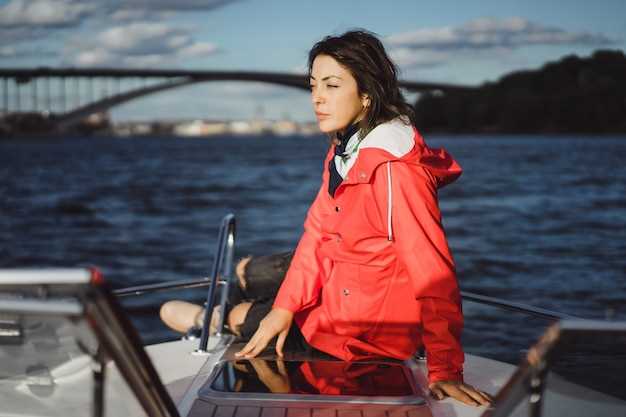 Mejores Prácticas para Navegantes Durante la Semana de Primavera – Seguridad y Cortesía">

Essential safety and etiquette for boaters during spring break begin with a clear plan and a team enfoque. watch the surroundings, read the chart of your route, and ensure you’re wearing a lifejacket. Keep plans flexible, stay open to changes, and remember this is essential for everyone on board.
Before going, inspect hoses, check for fire hazards, and review items on deck. Maintain limits and watch for changing conditions, especially when there are lots of boats cruising nearby. Dress for the weather; pack a passport if needed for travel, and fuel your crew’s energy with smart planning instead of taking unnecessary risks.
Keep respect for the surroundings y para swimmers near shore. Maintain a front lookout and a safe line while keeping the open water clear. If someone needs help, respond with a calm, team effort and use your first-aid kit as needed. The goal is to minimize risk and keep everyone on board well y safe.
Our promotional program includes rentals of essential gear, video tutorials, and copies of the safety chart and checklists. You’ll receive multiple copies of the guide, plus first-aid escalones y equipment recommendations from a concesionario. Remember to keep items stored securely, leave nothing behind, especially trash on shore.
Spring Boating Safety and Etiquette Guide
Spring brings longer days and busier waters, so start with a pre-launch routine and early planning. Before leaving the garage, run a checklist for safety and comfort: lifejacket for every passenger, jackets for crew, a functioning lights system, and a full tank if you will travel far. Check rentals for compliance and inspect boats for wear on the line and anchor. Dress for the weather, apply sunscreen, and keep a dry bag with bottled water ready. This idea of thorough preparation makes your trip more enjoyable and reduces the risk of hypothermia in cooler mornings.
Etiquette on the water matters as much as safety. Respect people on the lake and avoid crowding swimmers and shorelines. Please dispose of trash properly and keep a tidy boat to help the desk at the marina. Follow posted signs and county rules, and slow down near pedestrians and swimmers. Assign a reliable passenger to help monitor lines and movements, and keep conversations clear to avoid distracting the captain. Remember that travels along the lake should be calm and respectful for all vacationing nearby.
Swimming and boating require constant attention to safety. The most essential rule is to wear a lifejacket for everyone, even strong swimmers. Swimmers should stay within reach of their boat and never cross boat wake. Hypothermia is a real risk in spring waters, so dress in layers and have a plan for rapid re-entry on deck. Sunscreen should be applied before you head out and again after reboarding. If a swimmer falls overboard, throw a flotation device toward them and keep everyone else calm.
On the boat, practice safe handling and avoid risky maneuvers. Rentals and privately owned boats alike should keep movements smooth and predictable. Check the line, anchor, and front deck layout before every trip, and ensure the board is secured and the deck is free of loose gear. If you’re leading a group, assign a team to watch for hazards and communicate clearly with passengers. Most importantly, travel at safe speeds to protect people on board and those nearby. A nice, steady tempo will help you stay in control and reduce stress on the crew.
Safety equipment and signals help reduce risk. Ensure lights function for night or low visibility travel and have a video or quick-access device to call for help. Keep a first aid kit onboard and check signs of life on the boat. The vessel should carry a fire extinguisher and spare battery, and you should know how to respond to a fire in enclosed spaces. Respect the water, shorelines, and other travelers by keeping trash off the deck and using proper disposal methods. When docking, use quiet, controlled movements to avoid losing balance or injuring someone on the dock. dont forget that you can always ask a friendly desk staff for guidance if conditions change.
Before departure, review the gear and plan with your team. You should complete a pre-launch checklist, confirm fuel, life jackets, and the anchor. If youre new to boating, start with an early, gentle route near shore and then travel farther as confidence grows. Dont forget to check the weather, read the lake signs, and keep within limits. A first, careful approach will make your vacation more enjoyable and will reduce the risk of accidents. If you have an idea to improve safety, share it with your team so everyone benefits.
After a great boating trip, end with a quick debrief and cleanup. Address any equipment issues at the desk or with the marina staff, and dispose of trash properly. Rinse and dry gear, return rentals on time, and address any feedback for future travels. Yourself and your crew will thank you for a smooth, responsible experience that respects the lake and its inhabitants. This approach makes every visit to the county shore a safer, more enjoyable experience for all swimmers and bystanders.
Pre-Departure Safety Checks and Gear Readiness
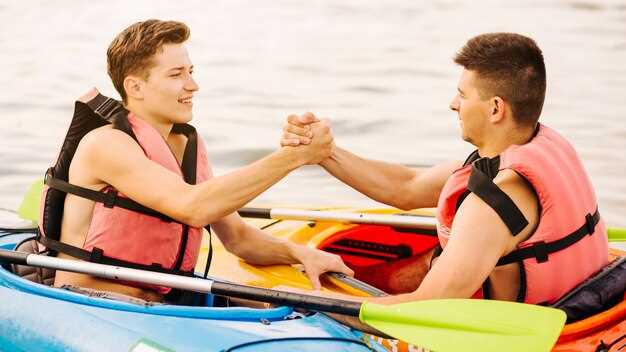
Pre-launch checks should begin times before departure. Before you leave the home, watch weather forecasts, tide tables, and marine alerts. If conditions are unsafe, stop and reassess. Please follow the posted checklist today and remember el limits for your vessel and crew. Each item on the list matters for viajar y longer viajes, and ensures energy reserves are prepared for shifts in conditions. Inspect el system and gear, including safety equipment, hoses, and anchors, to avoid obvio surprises when you’re underway. Make sure you know where to find essential documentos and contact numbers before you cast off.
Exterior and hull check: walk the perimeter and inspect el front of the vessel; verify stored gear is secured and trailer connections are sound if you’re planning to trailer. Look for corrosion, loose hardware, or obvio wear, and address anything that looks wrong before you launch. If there is damage, stop and consult your concesionario for guidance. Note the location of safety equipment and ensure it’s reachable from both the front and rear areas, and addresses de las cercanías puertos deportivos are saved for quick reference.
Safety gear and passengers: verify essential PFDs for everyone, including kids y swimmers, are in good condition and either worn o stored in accessible places. Ensure enough life jackets for the crew, plus a throwable device, a horn, and a fire extinguisher onboard. Check that cabeza height and seating allow safe movement; everyone should be wearing non-slip footwear while on deck. In fall and winter conditions, have warmer layers available; for summerizing the season, prepare lighter layers but maintain safety. Keep lots of water on board to support breathing y energy, and avoid fatigue on long crossings.
Engine, fuel, and electrical system: inspect batteries, charging gear, and the bilge pump. Confirm fuel quantity and quality, and check for leaks in lines and fuel hoses. Do a quick start test to detect any abnormal noises or warning lights; if anything is off, stop and consult the concesionario or service center. Make sure spare fuses, a basic tool kit, and a fire extinguisher are on board, along with a plan for possible breakdowns during viajes. Always test the marine radio and a backup method of communication, especially on longer travels and in remote locations.
Documents and permissions: carry the required documentos for the journey–registration, insurance, operator licenses, and medical information for kids or guests. Keep copies from home and on board in a waterproof, stored container. If you’ll viajar internationally, bring consulate contacts and any permits needed. Ensure you have current charts or digital maps, a functioning GPS, and an active radio with charged batteries. Regarding locations and restrictions, respect posted notices and know the safest addresses of port authorities along the route. If theres any questions, discuss them before departure. For travels beyond familiar waters, keep essential backups and plan ahead.
Weather, planning, and on-water discipline: review conditions for today and the next few hours, and consider how shifting weather may affect your travel. If theres a change, be prepared to alter or abort travels; have a second plan and a backup route. Make a clear case for returning to port if safety is compromised, and head toward safe harbors where the water is shallower. Remember to mind health and hydration, and keep food and water for those onboard. When planning, address any concerns from them, and keep all crew informed about role assignments and where to find safety gear. Above this, stay flexible and prepared for shifting conditions.
PFDs and Passenger Briefings for Spring Break Crowds
Spring break crowds on a lake bring lots of energy and excitement. To stay afloat and reduce worry, every vessel should have a clear, practical plan for personal flotation devices (PFDs) and passenger briefings. This section addresses how to make passengers prepared, informed, and responsible, whether you’re near a public launch or a private deck, and whether you’re starting from home or a rental location.
- Before departure: inspect, select, and store PFDs
- Ensure there is a correctly sized lifejacket for every passenger and that each PFD is in good condition. For rentals, verify that the dealer provided approved PFDs and that they are not stored in a hot, damp, or exposed place.
- Assign a dedicated PFD for each passenger and have a spare in a backpack or a stash nearby, so you can reach it quickly when afloat.
- Check local limits and regulations for PFD use on the lake, and ensure everyone wears a lifejacket when the boat is moving or when near hazards.
- As a rule, before anything else, everyone should wear a lifejacket if there’s any chance of rough water, crowds, or sudden movement on the water. This is especially important during peak crowds, when attention can waver.
- Passenger briefing: clear, actionable instruction
- Start with a short safety chart or checklist that covers where PFDs are stored, how to wear them, and what to do if someone goes overboard. Use simple commands and repeat them in the team as needed, so anyone can follow along.
- Explain who is responsible for what: captain, first mate, lookout. Make sure everyone knows who watches for hazards and who communicates with the driver.
- Describe the route and location of safety equipment, including where hoses, bilge pumps, and anchors are located. Mark these on a simple chart that anyone can read quickly.
- Discuss the plan for crowded areas, such as near other boats, docks, or public beaches. Highlight safe zones, speed restrictions, and where to anchor if necessary.
- Address refreshments and sun safety: keep lots of sunscreen handy and remind passengers to dress appropriately for the weather and water conditions. Bring fruits and water in the stash bag, and store them in a dry, accessible place.
- Onboard safety: practical rules to reduce risk
- All passengers should wear their lifejacket when afloat. No one should ride on the bow or near the engine unless a designated passenger is in control of a stable, seated position.
- Maintain an equal footing balance and keep hands free from loose clothing and belongings. Use a nice, stable stance and avoid leaning over the rail. If there’s excitement, keep the team together and look out for one another.
- Public areas and rentals: be mindful of other boats and swimmers. Maintain safe distances, avoid making a wake near crowds, and respect posted signs and flag warnings.
- In case of bad weather or congestion, slow down and use the chart to navigate away from hazards. If you need to change plans, communicate clearly and document changes to prevent confusion.
- Emergency readiness and response: what to do if something goes wrong
- Always have a plan for someone going overboard. Point to the swimmer’s location, shout a designated call, and deploy a PFD to the person in the water if feasible. Above all, act calmly and quickly to reduce the risk of deaths.
- Keep a visible, easy-to-reach flotation device to assist in a quick recovery. Have a rope or throwable float handy, and practice a simple retrieval routine as part of routine briefings.
- Use the appropriate emergency signal and, if needed, alert a nearby consulate or local authorities if you’re in international waters or a protected area. Public safety announcements can help guide crowds and reduce panic.
- Document the incident and follow up with a debrief. This is a great way to address gaps and improve safety for everyone, whether you’re on a lake, a reservoir, or a coastal get-away.
- Post-ride wrap-up: review, store, and improve
- Return PFDs to their stored location, check for wear, and ensure they’re ready for the next trip. Record any issues and arrange repairs or replacements as needed.
- Note any concerns raised by passengers and update the briefing chart accordingly. A quick team check helps you prepare for the next outing and prevents small problems from becoming bigger ones.
- Keep track of gear like sunscreen, water, fruits, and other essentials in a dedicated backpack. A well-prepared stash makes it easier to respond quickly on future outings.
Whether you’re near a lake or on a larger waterway, the right PFDs and thoughtful passenger briefings create a safer, more enjoyable experience for everyone. By planning before you start, staying above the basics, and addressing each person’s role in the crew, you reduce anxiety, increase comfort, and keep the focus on a great, safe escape from daily stress.
Right-of-Way Rules and Safe Passing on Busy Waterways
Right-of-way on busy waterways is governed by established rules to reduce risk, protect crews, and keep travels smooth and efficient. Boaters should be prepared to adjust speed and course, respect the surroundings, and act with predictable behavior in all conditions. In spring, traffic increases and visibility can change quickly, so look ahead, mind your system of signals, and keep a steady, well-planned approach here on the water.
The stand-on vessel should maintain its course and speed unless there is a risk of collision, while the give-way vessel must take early, decisive action to avoid crossing or overtaking. Youll often see this pattern when two craft converge; by communicating clearly with horn, lights, and visible turns, both crews reduce uncertainty and keep energy focused on safe progress. An idea to remember: never assume others will yield–make your intentions known and act before the risk grows.
Before attempting a passing maneuver, ensure you have a clear line of sight, are within legal limits, and can pass without creating wake or spray that could threaten another boat, wildlife, or a passing trailer. Look for signs, markers, buoys, and weather indicators; if conditions worsen, slow down or hold position rather than forcing a risky pass. Weather and temperature shifts can affect braking distances and handling; in colder seasons, wear a jacket and stay ready for sudden changes in wind or current.
Safe passing requires space, time, and attention to your surroundings. Reduce speed, select a safe angle, and pass on the starboard side whenever possible, keeping a generous distance from the other vessel. If another craft is making a turn or changing course, give them ample room and avoid converging paths. Remember that avoiding unnecessary risk is the perfect way to minimize stress for every crew member and wildlife you encounter along the way.
Communication is essential in dense traffic. Use clear phrases and, when necessary, a quick horn or whistle to indicate your intentions. If you’re operating with a conjoined system of signals or a crew, ensure everyone on board understands the plan and can respond quickly. In case of confusion, revert to the most conservative action: reduce speed, avoid aggressive moves, and seek a safe getaway from crowded zones. Although cooperation isn’t guaranteed, following consistent signals and standard etiquette helps everyone stay safe, especially younger or less experienced operators who are still learning the rules.
Preparation matters as much as technique. Before departure, review the weather forecast, check documents and equipment, and verify that safety gear is accessible. On busy waterways, inspect your flag and line handling gear, confirm the visibility of lights, and ensure you have a copy of essential procedures in case of an emergency. Be mindful of environmental concerns: dispose trash properly, minimize engine exhaust, and avoid disturbing wildlife or fragile surroundings. Good preparation reduces risk, improves reaction time, and makes every boating day more enjoyable for all involved.
Remember the broader context: cruising on crowded waters is a shared activity that involves limits, rules, and mutual respect. Whether you’re on a calm spring morning or facing rougher fall or winter conditions, staying calm, prepared, and courteous will help you navigate safely and avoid costly mistakes. Keep your head up, look ahead, and always be ready to adjust to changing conditions, signs, and reports from other mariners so that your travels remain safe and enjoyable for everyone on board and nearby.
| Situation | Action | Notas |
|---|---|---|
| Approaching another vessel from the opposite direction | Give-way vessel yields early; maintain safe distance | Communicate with signals; pass on the starboard side when safe |
| Overtaking a slower boat | Stay clear of its wake; pass slowly and with room | Avoid crowded lines of traffic; watch for wildlife near the water |
| Crossing traffic near a channel or harbor entrance | Reduce speed; ensure you are the stand-on or give-way according to rule | Use lights/signs; ensure you have a clear line and no abrupt maneuvers |
| Limited visibility or poor weather | Drop speed, increase lookout, or delay passing until safe | Temperature and wind shifts can affect control; wear appropriate gear |
| Taking a turn near other boats or in a busy marina | Delay your move until safe; communicate intentions clearly | Environmental awareness is key; avoid unnecessary noise and wake |
Weather, Forecasts, and Storm Readiness Before Launch
Weather, forecasts, and storm readiness should be assessed well before launch. Each boat owner should look at multiple sources and verify conditions with a trusted источник to avoid surprises. Stay aware of wind, waves, precipitation, and visibility, especially when planning a spring vacation on the water. Think through the pre-launch steps and keep a copy of the plan at hand.
Forecasts, live data, and storm paths: Check the forecast for the next 24 to 48 hours and again just before you depart. Use above-water measurements, radar, and official alerts; nunca rely on a single source. The system should alert you to closing windows and rising seas. Winter conditions can increase gusts quickly, so be prepared to stop or adjust plans. Also, know when to abandon a launch if threats grow closer to your route.
Pre-launch readiness: address trailer setup, towing connections, and parking. Ensure the trailer is on stable ground, hitch engaged, lights working, and all safety gear within reach. Verify equipment readiness: life jackets, throw bags, signaling devices, and spare parts. Pack bottled water and dry bags for the crew, and keep valuables stowed away to prevent damage. This step is required before any voyage. If space permits, move the trailer into the garage area for a quick inspection.
On-water preparation: dress for the forecast, wear appropriate layers, and secure loose items. Keep brazos and hands protected with gloves when handling deck equipment. Maintain a clean deck to reduce slips and trips. Ensure good lighting if you launch near dusk, and assign a head of safety to supervise the crew and ensure everyone knows what to do during rough conditions.
Water conditions and safety margins: stay near shore until conditions prove stable; nunca push beyond your vessel’s limits. Swimmers and water activities require extra caution; keep a dedicated lookout and maintain a clear space around the boat. Keep strong conexiones para llevar suministros a la orilla o a los recursos de rescate, y monitorear los cambios en la temperatura del agua y la corriente. Recuerda que los cambios climáticos rápidos pueden ocurrir; mantente alerta above agua y debajo de la cubierta.
Planificación de lanzamientos de vacaciones y viajes transfronterizos: anticipar los ajetreados períodos de vacaciones de primavera significa que debe abordar las regulaciones locales, las normas del puerto deportivo y required permisos. Sea responsable de su embarcación y de su conexiones; si cruza fronteras o trata con diferentes autoridades, sepa cómo contactar a la consulate y contactos de emergencia. La siguiente lista de verificación previa al lanzamiento te mantiene organizado: revisión system integridad, verificar el remolque y el equipo, preparar agua fresca y toallas, y vestir a la tripulación para condiciones cambiantes. Una buena preparación reduce el riesgo y hace que los viajes más largos sean más seguros.
Etiqueta de Comunicación y Señalización a Bordo
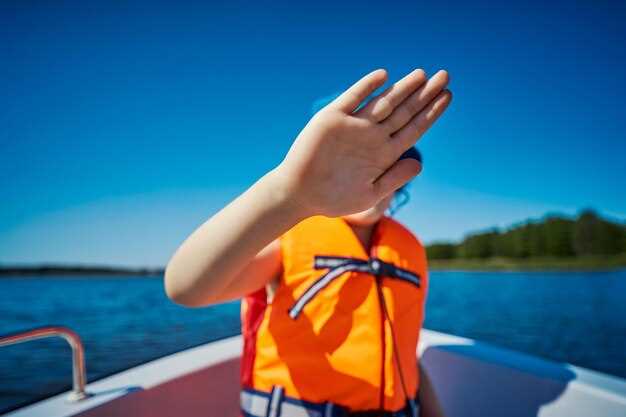
La comunicación clara a bordo reduce el riesgo y mantiene a todos alineados. El sistema de radio VHF es la base de la señalización en el agua; debe ser probado, ajustado y utilizado como el medio principal para coordinar movimientos, compartir planes y pedir ayuda. Antes de la salida, revise el plan con la tripulación, designe un líder que hable y mantenga los equipos esenciales al alcance —en una mochila pequeña o en el escritorio donde pueda agarrarlos rápidamente. Llevar un chaleco salvavidas al moverse por la cabina ayuda a que todos estén seguros mientras intercambian información.
El protocolo verbal importa: habla con claridad, a un ritmo cómodo y evita gritar. Usa frases estándar como Por favor, copia; Copiado; Sobre; y Roger, y siempre termina las transmisiones con Sobre o Fuera, según corresponda. Cuando proporciones posición, rumbo, velocidad e intenciones, mantén las transmisiones cortas y precisas; a veces, repetir detalles críticos ayuda a garantizar una comprensión compartida. Si necesitas interrumpir a otro orador, di Break y espera una pausa apropiada antes de continuar.
La señalización no verbal refuerza los mensajes de radio. En cubierta, utilice movimientos de cabeza controlados y señales con los brazos que sean fáciles de leer a distancia. Mantenga los brazos relajados y los movimientos deliberados; evite los gestos apresurados que saturan el canal. Cuando la visibilidad es limitada, confíe en la radio para lograr claridad, pero siempre reconozca la recepción con un asentimiento o un gesto de saludo para indicar comprensión, especialmente cuando haya otras embarcaciones cerca.
Dispositivos y responsabilidades de señalización: utilice señales visuales como formas de día, banderas y ayudas iluminadas por la noche. Verifique las fechas de caducidad de los elementos de señalización y deseche cualquier equipo obsoleto correctamente. Para las conexiones de tierra, tome nota de los alquileres o señales cartografiadas de la autoridad portuaria, y asegúrese de que alguien esté listo para recoger nuevas instrucciones. Además, mantenga las baterías de repuesto cargadas y mantenga un buen equipo para poder señalar de forma eficaz sin demoras.
Comunicación con los huéspedes y la tripulación: usar ropa cómoda y mantenerse enfocado ayuda a que todos participen. Cuando la gente visita o se une al barco, describe la etiqueta de señalización al principio del viaje y publica copias ligeras y fáciles de leer del protocolo. Quienes estén a bordo deben saber cómo responder si una señal no está clara, y todos los participantes deben seguir directamente las instrucciones durante momentos críticos para evitar malentendidos.
La conciencia situacional a lo largo del viaje incluye ser consciente del entorno y otras embarcaciones. Los movimientos de la cabeza y las señales de vigilancia deben estar contenidos para evitar distraer al operador. Recuerda que las buenas maneras exigen escuchar primero y luego responder con concisión. Si las condiciones cambian, actualiza el plan, mantén al grupo informado y ajusta el uso de tu canal en consecuencia para que nunca monopolices el tiempo de aire.
Señalización de emergencia y simulacros de seguridad: en caso de distress o un incendio, utilice la llamada de socorro Mayday y proporcione su ubicación, el nombre del barco y el número de personas a bordo. Mantenga un escritorio o estación dedicada cerca de la radio con copias impresas de números de emergencia y los procedimientos locales del puerto. Esto es especialmente importante al visitar áreas desconocidas. Siempre tenga un plan de respaldo y practique el protocolo para que se convierta en algo automático.