


 Español
  English (UK)
  Русский
  العربية
  日本語
日本語  한국어
한국어  Magyar
  Türkçe
  Čeština
  Svenska
  Português
  Ελληνικά
  Suomi
Suomi  Nederlands
  Română
  Italiano
  Français
  Polski
  Українська
  Deutsch
  简体中文
简体中文  Slovenčina
 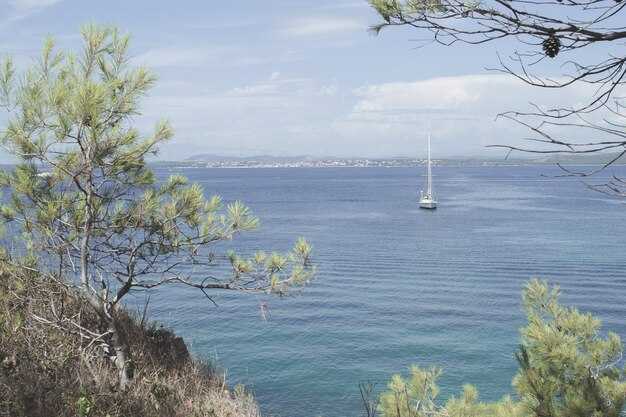 Best Places to Sail in Croatia – The Ultimate Island-Hopping Guide">

Plan a private 8-day island-hopping loop starting in Split and finishing in Dubrovnik, hitting places like Hvar, the Pakleni archipelago, Vis with the tucked-away cove of stiniva, and Korčula. Begin with a night in Split’s old harbor to soak in the granite walls, then cruise in the mornings when winds hover at 12–16 knots.
Statistics show the peak season is June–August, with typical summer winds of 12–18 knots along the Dalmatian coast. Reserve anchorages at popular harbors at least 6–8 weeks ahead, especially if you aim to stay near Hvar or Korčula town. For a balanced pace, mix days at sheltered coves with a hike along inland trails on Mljet or Vis.
Tips for a smooth cruise: anchor early to enjoy vida nocturna in Hvar, but keep a flexible plan to avoid crowds. On Korčula, stroll the history-filled lanes, then consider a winery visit. In Vis, plan a quiet soak by a sheltered beach after a hike to a cliff viewpoint, a breathtaking moment you’ll remember.
Cover the places with a mix of cultural stops and natural beauty: Mljet’s salt lakes, the dramatic cliffs of the Pakleni islands, and the secluded coves near stiniva. Marketing messages often highlight these highlights, but you’ll feel the focus wherever you anchor. everywhere you go, history and sea scenery merge into unforgettable experiences.
To start now, pick a route that balances popular places with hidden coves, and schedule sails around reliable winds. Use marketing resources to map top moorings and tips for weather windows. This approach keeps the itinerary dynamic, with moments of immersing in the Adriatic history and the sparkling nightlife atmosphere, while your crew carries memories that last long after the sails are stored.
Island-Hopping Routes and Practical Planning
Begin with a private, 5‑day Split–Hvar–Korčula loop on a chartered yacht; this world-class itinerary delivers crystalline waters, serene coves, and a romantic vibe ideal for honeymooners or family adventures.
Day 1 sails from Split to Hvar, stopping in Pakleni islets and bays that glow with natural light. Cover roughly 20–25 nautical miles, enough to arrive by late afternoon and drop anchor in a protected cove or in a legitimate marina, then dine onboard with a view that feels private even when crowds are nearby.
Day 2 continues to Korčula along well‑charted routes like the Korčula Channel or the sheltered passages toward Lumbarda. The leg runs 25–40 nautical miles, depending on the chosen harbors, and offers islets to explore and crystalline water to swim in. In the town of Korčula you’ll find world‑class seafood and quiet lanes perfect for a romantic stroll after sunset.
Day 3 ventures to Mljet, with stops at Saplunara’s sandy coves or the protected coves around Polače. This 20–28 nautical mile third leg provides pristine nature, abundant greenery, and serene water around Mljet National Park, where you can learn about local flora and sea life in an effortless way.
Day 4 can loop toward Vis or Brač, depending on wind and mood. Vis offers secluded anchorages or private moorings near towns, while Brač adds mountainous shorelines and islets that invite exploration. The route usually stays in the 35–40 nautical mile range and gives you multiple options for flexible day plans.
Day 5 threads back toward Split, with a final leg of 25–40 nautical miles. You’ll pass everywhere along croatias coast where cruising remains easy for first‑timers and seasoned skippers alike, and you can end with a sunset sail that feels like the perfect bow on a small, private adventure trip.
To tailor routes, rely on an experienced skipper and a crewed option when you want to learn hands‑on sailing techniques or simply enjoy more time on deck. Croatia’s coast supports third‑party itineraries and DIY charters alike, but a crewed or partially crewed plan often proves more efficient, especially for families, honeymoons, or groups that want a seamless rhythm between sailing and shore days.
Practical planning tips: book marinas and anchorages in advance during peak months, choose stable, protected coves for long stops, and keep flexible days to swap islets or islands like Brač, Hvar, Vis, Korčula, and Mljet if wind shifts. Opt for a legitimate, well‑maintained yacht with a licensed skipper if you’re new to bluewater sailing, or choose a private charter with a captain you trust for a smoother experience. Croatias coastlines offer many safe harbors and calm lagoons, making it easy to pace a trip for honeymooners or families, with options to switch to a more adventurous plan or to relax in serene, crystal‑clear coves.
Budget wise, expect daily rates for private yachts to range based on season and boat size, with charters including skipper in many packages; you can negotiate add‑ons like snorkeling gear, kayaks, or stand‑up paddleboards to enrich the adventure. If you want a truly romantic frame, add a sunset cruise one evening and a private beach picnic on a quiet islet to maximize the experience, a setup that works well almost everywhere on croatias routes.
Dubrovnik to Split: A 7-10 Day Island-Hopping Route
Begin with a daytime sail from Dubrovnik to Lopud, the first stop, to set a relaxed pace and soak in the splendor of the Elafiti islands. A sunsail boat makes this leg simple, with sheltered coves and plenty of anchorage options. There you can swim, snorkel near Sunj Beach, and savor fresh seafood as the sun dips toward the horizon.
Day 2 takes you across to Mljet, where Saplunara and the Mljet National Park offer calm water and protective coves. Across the lakes you’ll find plenty of shade and easy trails to discover the Great and Small Lakes; biking or paddling adds a quiet contrast to the sailing. A voluntary eco-practices approach helps protect reefs and wildlife; nature reveals itself in pine scent and clear water, creating peaceful mornings and vibrant evenings.
Day 3 sails you from Mljet to Korčula Town, where architecture and stone walls tell a storied past. The old town rewards a stroll along the seawall, with windows into traditional Dalmatian life and a harbor view that shines at dusk. Enjoy seafood and local wines, a perfect pairing after a stroll through narrow lanes and a sunset over the harbor.
Day 4 brings a crossing to Hvar, with anchor options around Milna or the Pakleni Islands. This is the best balance of activity and rest. Hvar blends a lively spotlight with peaceful coves and hidden beaches; you can hike or drive to hilltop viewpoints for a sweeping view across the channel. The cuisine features fresh octopus, sardines, and lavender desserts that capture the island’s flavor, ideal for a relaxed dinner aboard.
Day 5 heads to Brač, anchoring at Bol to stand on Zlatni Rat and watch the wind sculpt the coast. A short ride to Vidova Gora rewards you with a panoramic view of the coast and neighboring islands. After a swim, dine at a seafront taverna and sample local specialties; there’s plenty of time to explore the chalky trails and peaceful coves along the southern shore.
Day 6 offers an optional sidestep to Vis and Biševo for cave swims or, if you prefer, a direct push toward Split. If you choose Vis, Komiža and Stiniva Cove deliver dramatic cliffs and clear water; the Blue Cave detour remains optional but memorable. On the direct route, you’ll anchor near Split’s outskirts and prepare for the final flourish of this stretch.
Final stretch to Split lets you linger along the coastline and anchor near Marjan or the historic waterfront. In Split, architecture shines in Diocletian’s Palace, with marble floors and courtyards that invite daytime strolls. Discover Dalmatian cuisine at one of the harbor-side tavernas, and reflect on the holiday across seven to ten days as you plan a future voyage with friends, making memories together and enjoying the peaceful view of the Adriatic. There is much to discover on future voyages; the internet keeps you connected in the marina, while a respectful anchoring policy helps protect reefs for all.
Top Islands for Anchoring and Moorings: Hvar, Korčula, Brač, Vis

Begin with Hvar as your anchor hub: you’ll find reliable buoy moorings near the harbor and protected coves along the southern coast, making it easy for everyone to settle in and enjoy yachting from day one.
On Hvar, choose spots with a solid bottom and good shelter from winds, and use buoy moorings in busy stretches to keep traffic orderly. This atmosphere suits crews chartering for the first time, while island shops and family-run taverns along the citys waterfront offer quick provisioning. Technologies such as chart apps help you track buoy locations, reviews, and weather, and the maritime records at the harbor office keep your passage above board. This setup also ensures you’re ready to switch to a quieter nook if a strong gust arrives, while the sound of waves and Mediterranean scent enhances the overall adventure. Be mindful of protected beaches and restricted zones, and respect policy and local requirements for overnight stays.
Korčula presents calm anchorages along its north coast and a reliable mooring network in Korčula town. If you prefer a quieter scene, anchor in sheltered coves that extend your stay without crowding the line. For yachting crews, this option delivers a strong history of seafaring and a practical layout for short hops to nearby islands. ACI or local marinas provide above-water amenities, while shops and cafés line the waterfront for easy refueling. Track your route with maritime technologies, and keep a close eye on the records posted by port authorities. This balance of accessibility and tradition makes Korčula feel authentic while still welcoming to guests who want a comfortable base for exploration–everyone can find a suitable spot here.
Brač blends dramatic coastlines with reliable moorings around Bol and quieter harbors such as Pučišća. In Bol, the Zlatni Rat area draws day visitors, but there are protected anchorages just a short sail away if you prefer solitude. Pučišća and Milna offer calmer options with sandy or gravel bottoms that suit steady anchors, while the beaches along the south coast invite a swim after a coastal track. Chartering here gives you ready access to shops and provisioning points, and the maritime policy in busy bays remains straightforward when you respect buoy fields and local regulations. Technologies help you plan your day, and the history of Brač’s shipyards and coastal communities adds depth to your stay for those who want a richer context for their adventure.
Vis stands out for clear water, protective bays, and well-marked mooring areas near Vis town and Komiža. Stončica Bay provides a dependable shelter when wind shifts, and the main harbor offers reliable moorings for longer visits. Komiža’s wind-swept lanes and its small museums add flavor for your downtime, while the beaches and sea caves nearby become a natural extension of your sailing track. If you’re curious to compare routes, šolta offers a different maritime atmosphere that can enrich your overall plan. In Vis, you’ll find ready-to-use services, friendly harbor masters, and a strong party of other yachts ready to swap tips after a day on the water. The sound of waves, the taste of fresh seafood, and the sense of maritime history align to extend your adventure into a memorable chapter of your voyage.
Seasonal Winds, Weather Patterns, and Optimal Charter Windows
Plan your charter for late May–early June or mid‑September–early October to maximize reliable Maestral winds and calm seas. These windows offer steady afternoon breezes around 12–22 knots, light chop in sheltered bays, and comfortable anchorages near beaches, making the experience ideal for lovers of sailing and those seeking natural atmosphere along the coast.
Maestral dominates the Adriatic in warm months, delivering a predictable daily cycle: winds pick up in the afternoon from the northwest and ease by night. Typical conditions hover in the 12–22 knot range with seas generally under 1.5 m near the chain of islands. For routes, choose sheltered tracks that stay close to the coast, letting you hop between small places and beaches without long open-water crossings. In contrast, Bora and other strong northeast pushes appear mainly in late autumn and winter, bringing gusts that can exceed 30–50 knots in exposed passes; these bursts shorten passages and favor routes that stay inside protected channels. Sirocco, a warm southeast wind, shows up in late spring and early autumn with speeds around 15–25 knots and occasional higher gusts; it can raise the sea state in open stretches, so plan for shorter hops when it materializes and seek natural protection behind islets and coves. These patterns matter because they shape daily decisions about where to anchor, which routes to take, and when to hike ashore for a quick break near a sandy cove or a rocky cliff with sweeping views.
Stiniva, a famous sheltered cove on Vis, illustrates how place choice matters: when the wind is within the Maestral range, it becomes a perfect anchor spot with a natural amphitheater of cliffs and a quiet beach just a short walk from the boat. If the wind shifts toward the north or strengthens, this area allows a safe retreat to deeper bays or nearby coves for withdrawal from stronger gusts. These anchorages are part of a broader set of natural options along the coast that buyers and skippers use to balance needs for contact with the marine environment and protection from swell. For those planning trails or short hikes, the surrounding hills offer a pleasant walking option with relatively gentle ascent and rewarding views over the citys and coastlines below.
To maximize comfort and safety, build your plan around three practical ideas: first, pick a base with good shelter and easy access to a store for provisions; second, map out a third route in case wind shifts force a quick change; and third, keep a flexible schedule that allows you to adjust the day’s pace, swap a long passage for a series of short hops, and enjoy a moment of hiking or a beach stop whenever needed. These adjustments help you keep the boat in control while enjoying the scenery, the tracks of routes along the archipelago, and the vibrant local atmosphere. If you travel with a partner, the pace must accommodate both lovers of calm sunsets and those who want a livelier afternoon sailing session away from crowds.
| Season/Window | Prevailing Wind | Typical Speed (knots) | Best Charter Window | Suggested Routes/Harbors |
|---|---|---|---|---|
| Late May – Early June | Maestral (NW) most days | 12–22 | Calm seas, moderate crowds | Hvar–Brač–Korčula short hops; sheltered bays near stiniva and coastal coves |
| September – Early October | Maestral remains steady; Sirocco possible | 10–20 | Warm air, stable winds | Vis–Lastovo circuit; flexible day hops with quick anchors into small beaches |
| Autumn–Winter (occasional) | Bora (NE) and gusts in exposed passes | Up to 40–50+ in gusts | Use sheltered routes; avoid long passages | West-facing coves, sheltered coves near citys, careful track near shorelines |
Weather data helps you tailor the day: use the third party forecast for wind shifts, plan your day around a natural rhythm, and keep a backup plan ready. If a wind shift pushes you toward a different route, you can switch to a shorter, more protected loop that still offers the same opportunities for swimming, short walks, and photography. For a practical setup, contact your broker or charter operator the day before your departure to confirm the latest wind forecast and sea state; they can adjust your needs and confirm the best harbor for your planned morning walk or evening stroll along the beaches. Always keep a small water supply on board, and remember that in warm weather a quick hike to a lookout can be the perfect reset before sunset on the boat.
Provisioning, Marinas, and Onboard Budgeting for Croatian Sails
Just plan two provisioning anchors: Dubrovnik before you sail and Korčula during your island hop, then top up in Split or Zadar to refill essentials. This approach keeps meals fresh, reduces last-minute runs, and lets you sail with a calm galley.
Find fresh goods at markets near Dubrovnik’s Gruž harbor and in korčula town; look for ripe tomatoes, olives, local cheese, sourdough bread, and seasonal fish. Buy in bulk where possible and store in coolers to soak up the long blue days. You can easily find options that fit your menu, and building a simple list helps you stay organized.
Marinas: choose docks with reliable water, electricity, and short walking access to the historical center. In peak season expect 140-230 EUR per night for a 12-14 m yacht at major harbors; shoulder season 60-120 EUR. In dubrovnik and Split, prioritize ACI Marinas for predictable pricing and good facilities. Korčula and nearby ports also offer sheltered moorings with breathtaking views and calmer approaches, ideal after a long day across the blue Adriatic.
Onboard budgeting: set a shared kitty for provisioning and a separate fund for marina dues. For a 6-person crew on a mid-size yacht, provisioning runs 180-380 EUR per week; marina charges 420-980 EUR per week; fuel 70-150 EUR per week; utilities and extras 30-60 EUR per week. This framework lets you manage costs across islands and connect meals with unforgettable experiences ashore.
Information and planning: map your route across the Dalmatian coast, noting landmarks like Diocletian’s Palace in Split, the old town of korčula, and the ramparts of dubrovnik. Use official marina sites, markets, and walking times to estimate distances and schedules. Statistics from brokers show many crews prefer provisioning in dubrovnik and Split for efficiency and ease.
Transmission readiness: before you untie, test your VHF transmission and navigation data; keep a spare card and plan for weather windows. Keep the crew together and enjoy the incredible coastline around the blue Adriatic.
7-Day Sample Itinerary: Daily Stops, Distances, and Must-Sees
Begin your plan with Split to brač (Bol) for a gentle start and iconic coast scenery. This route offers plenty of sheltered anchorages, ideal for couples and vacations alike, with underwater clarity and a choice of quaint coves.
-
Day 1: Split → brač (Bol)
- Distance: 18 NM
- Must-sees: Zlatni Rat, Bol Old Town, Vidova Gora hike
- Tips: anchor in Bol Channel or near Lovrečina Bay; obtain consent from the harbor master before entry; inner routes keep you in calmer waters; consider a quick snorkeling session to enjoy underwater visibility
-
Day 2: brač → Hvar
- Distance: 22 NM
- Must-sees: Pakleni Islands (short dinghy ride), Hvar Town clock tower, Fortica hike
- Tips: rent a sunsail for sheltered coves, enjoy plenty of cafés on the waterfront; bustle peaks in the evening, so anchor away from the quay to keep communication smooth
-
Day 3: Hvar → korčula
- Distance: 40 NM
- Must-sees: korčula Old Town walls, St. Mark’s Cathedral, Marco Polo’s House
- Spotlight: stroll the stone lanes, sample local white wine, and read information boards at the harbor; inner routes along the coast reveal quaint coves
-
Day 4: korčula → Mljet
- Distance: 25 NM
- Must-sees: Mljet National Park (Veliko Jezero and Malo Jezero), saltwater lakes, coastal pine paths
- Tips: immerse yourself in nature, take a short underwater snorkel near the lakes, and plan a calm afternoon swim; consent from park authorities is recommended for certain piers
-
Day 5: Mljet → Lopud
- Distance: 23 NM
- Must-sees: Lopud Island’s Sunj Beach, Franciscan monastery, cliff-side paths
- Tips: enjoy a quaint stroll through Lopud’s village streets; hike the coastline to a sheltered cove; plenty of quiet spots for a sunset swim
-
Day 6: Lopud → Ston (Pelješac)
- Distance: 28 NM
- Must-sees: Mali Ston oyster farms, Ston Walls, Saltworks at Mali Ston Bay
- Tips: sample fresh oysters, and plan a short water taxi to nearby coves; ensure consent for anchoring near the walls if needed
-
Day 7: Ston → Split
- Distance: 60 NM
- Must-sees: Diocletian’s Palace, Riva promenade, Marjan hill overlook
- Tips: use information booths for martime updates, keep a steady pace to avoid fatigue; this leg offers incredible scenery and a spot for a wonderful last-night vacation memory
This itinerary highlights inner routes and iconic stops, with marketing-style spotlight moments balanced by practical information and clear tips. It suits active couples and travelers seeking plenty of coast-time, unforgettable snorkeling, and a hike-filled pace that keeps vacations engaging because you’ll cover Brač, korčula, Mljet, Lopud, Ston, and back to Split with consistent sailing days. The plan leaves space for spontaneous dips, and it emphasizes consent, safety, and smooth communication with harbors and crews for a wonderful experience.