


 Español
  English (UK)
  Русский
  العربية
  日本語
日本語  한국어
한국어  Magyar
  Türkçe
  Čeština
  Svenska
  Português
  Ελληνικά
  Suomi
Suomi  Nederlands
  Română
  Italiano
  Français
  Polski
  Українська
  Deutsch
  简体中文
简体中文  Slovenčina
  8-Day Antarctica Expedition Cruise | Immersive Polar Adventure & Wildlife">

Reserva esta expedición de 8 días ahora para asegurar encuentros cercanos a lo largo de la isla Petermann y otros escenarios helados, que incluyen actividades audaces con descanso equilibrado, incluyendo Bloques de kayak de tres horas y suaves cruceros en zodiac. Aquí, los huéspedes se preparan para las instrucciones de seguridad y dejan atrás las rutinas cargadas de equipo para centrarse en la observación de la vida silvestre y la magnitud de los paisajes esculpidos por el hielo.
Más allá del hielo espectacular, los días transcurren entre bahías protegidas y pasajes abiertos donde la tripulación se ha aventurado en canales más tranquilos, ofreciendo una variedad de experiencias: desembarcos en la costa, kayak a lo largo de los bordes de hielo y pausas de bienestar de tres horas en cubierta. Observarás colonias pasando el cabo y alrededor de las orillas de la isla, y dejando atrás el bullicio del puerto, aquí obtienes una calma concentrada a medida que el terreno revela su vasto e íntimo carácter.
Con guías experimentados, la oferta se adapta a tu ritmo: elige un paseo rápido por la costa, una caminata más larga por el borde del hielo o un tranquilo paseo en zodiac. La tripulación mantiene concisos los flujos de notas de seguridad y consejos para avistar la vida silvestre, y bloques de bienestar de tres horas en cubierta le ayudan a refrescarse después de los segmentos activos. Al dejar el barco cada tarde, regresa con recuerdos de calas isleñas, siluetas de cabos y un escala una vez que pises tierra firme, mucho después de que dejes el hielo.
Crucero de Expedición a la Antártida de 8 Días: Aventura Polar Inmersiva y Vida Silvestre
En lugar de apresurarse entre actividades, reserve un alojamiento al nivel de la cubierta situado en el lado de babor para facilitar el acceso a la pasarela y a la cubierta de observación durante los desembarcos tempranos en tierra. Empaque siempre una capa ligera y un impermeable compacto para los cambios rápidos de viento.
Ocho días en la Antártida ofrecen una inmersiva aventura polar centrada en la fauna y los paisajes remotos. Un equipo de especialistas dirige charlas diarias que mejoran su comprensión y preparación para las experiencias en el agua.
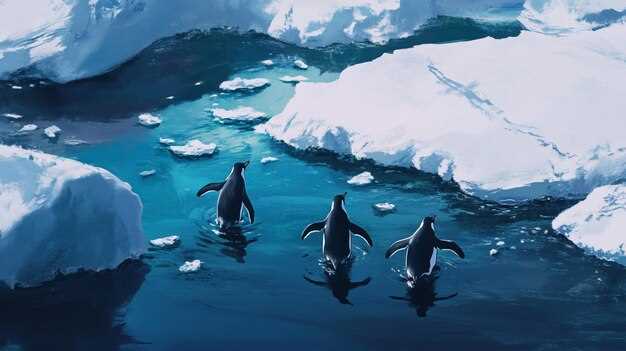
En muchos lugares a lo largo de la península más austral, observará ballenas, focas varadas en el hielo y colonias de pingüinos.
En los días de calma se incluyen opciones de kayak, que ofrecen una última visión de los icebergs y una perspectiva impresionante de las olas.
Los yates y los barcos de expedición operan en tándem, con guías y especialistas que garantizan la seguridad y el respeto por la vida silvestre.
Las influencias patagónicas se dejan ver en el programa culinario y en el estilo de servicio, con su tripulación y guías brindando una hospitalidad atenta.
Con encuentros cercanos, el itinerario echa el ancla en lugares emblemáticos como las bahías más meridionales, ofreciendo una escala impresionante de hielo y mar, incluyendo icebergs de gran tamaño que se vislumbran en el horizonte.
En el último día, una sesión informativa de despedida explica cómo preservar los recuerdos y compartir consejos para continuar la exploración.
Para maximizar su experiencia, reserve con anticipación, mejore a una suite más grande si desea más espacio y traiga una cámara compacta para capturar una última imagen.
Días 3–6: Explore la Antártida con excursiones diarias en Zodiac
Reserve su primera salida matutina en Zodiac el Día 3 para maximizar los avistamientos de icebergs y la fauna de cerca a lo largo de los fiordos del sur, y luego mantenga un ritmo constante con cuatro excursiones específicas.
-
Día 3 – Fiordos del sur y desembarco en Lockroy
- Al abordar el Zodiac a las 09:00, prepárese para un circuito de 2,5 horas cerca de témpanos de hielo, icebergs y colonias de pingüinos a lo largo de los fiordos del sur.
- Visite Lockroy para una corta parada en la costa con un punto de vista abalconado y resguardado; este momento de calma sigue al paseo acuático.
- hannah, una especialista muy respetada, dirige una sesión informativa concisa sobre seguridad y ofrece consejos prácticos de etiqueta de la vida silvestre para cada aventurero.
- Consejos: use aislamiento por capas, traiga un teleobjetivo compacto y lleve una batería de repuesto; cada avistamiento se beneficia de una pisada firme y un ritmo lento.
-
Día 4 – Arenas de hielo y encuentros cercanos
- Opción matutina: un segundo recorrido en Zodiac a otra caleta, permaneciendo en la misma región para observar de cerca a los pingüinos papúa y de barbijo.
- Muévase a un ritmo suave para minimizar las perturbaciones; tómese tiempo para hacer fotos y escuchar las explicaciones de su guía sobre los ecosistemas polares.
- De vuelta a bordo a las 11:30 para una bebida caliente en la cubierta de bienvenida y un breve estiramiento de bienestar antes del almuerzo.
-
Día 5 – Icebergs y canales abiertos
- Planeo matutino entre témpanos tabulares; atento a las focas apostadas en los témpanos y a las aves marinas aprovechando la brisa sobre arcos distantes.
- En cada parada, tu guía destaca las características clave para fotografiar, ayudándote a crear un álbum cohesionado de estos mundos polares.
- Noche: un cóctel informal en el balcón mientras el barco avanza por canales labrados; la luz nocturna sobre el hielo ofrece un telón de fondo impactante para fotos memorables.
-
Día 6 – Decisiones finales sobre las opciones en tierra y despedida
- Las opciones matutinas incluyen un circuito Zodiac más corto y suave o una visita terrestre más tranquila para aquellos que prefieren un ritmo más lento.
- Después del último aterrizaje, Hannah y el equipo de especialistas organizan un breve resumen de los mejores momentos y sencillos consejos de bienestar para llevarse la experiencia a casa.
- La noche devuelve la calma a los mares; una reunión informativa programada en el salón te invita a compartir reflexiones y planificar los próximos pasos de tu travesía.
Día 3: Sesión informativa previa al desembarco, equipo y preparación de las Zodiac
Asista a la reunión informativa 15 minutos antes para concretar el plan del sitio para los días siguientes; la guía explica las limitaciones geográficas, los permisos de desembarco y las normas de seguridad que rigen cada traslado en Zodiac. Le informan sobre los sitios que se visitan, dónde se encuentran restos de exploraciones pasadas y cómo las condiciones meteorológicas pueden modificar el programa. Espere un plan conciso con umbrales claros para cambiar los objetivos de desembarco y un ritmo tranquilo que se adapte a viajeros de todos los niveles de experiencia.
La preparación del equipo comienza con un sistema robusto de tres capas: capa base, capa de aislamiento y una capa exterior impermeable. Empaque un kit compacto para el clima en una bolsa seca: guantes de repuesto, un gorro abrigado, una polaina para el cuello, protector solar y bálsamo labial. Cada viajero recibe un chaleco salvavidas personal y un traje de inmersión; verifique que su PFD tenga el tamaño correcto y que la cremallera cierre correctamente. Traiga una pequeña bolsa seca para la cámara, el teléfono y las baterías; la energía extra lo mantiene listo a medida que la luz y las sombras cambian en el sitio. Si planea grabar videos o hacer kayak ligero, traiga una carcasa de cámara compacta y especialmente diseñada o una bolsa seca para los componentes electrónicos.
Antes del lanzamiento, su equipo se transfiere a la Zodiac con cuidado y luego la tripulación lo vuelve a revisar. Las Zodiacs se lanzan desde la nave nodriza después de la sesión informativa; las embarcaciones típicas transportan de 6 a 8 viajeros más dos tripulantes y un guía. La tripulación está muy atenta a la seguridad y a los cambios climáticos. Cada Zodiac lleva un kit de seguridad, bolsas secas de repuesto y una línea de comunicación con el puente. Cuando se acerque a la costa, permanezca sentado, sujete los barandales y siga las instrucciones del guía mientras navega por las olas y el oleaje. El capitán puede ajustar la velocidad para mantener la embarcación estable y proteger un sitio frágil o aves que anidan.
En el itinerario, un poco de flexibilidad ayuda. Relájese entre aterrizajes, escuche el resumen de seguridad y comunique al grupo si necesita un momento para ajustar el equipo. La emoción crece a medida que se traslada de un sitio a otro, con tiempo para admirar glaciares distantes, observar aves y rastrear la vida animal en la naturaleza. El plan incluye tiempo para preguntas después de la reunión informativa, para que los detalles del viaje de los próximos días queden claros y se sienta seguro al embarcarse en una oportunidad de exploración costera.
Notas meteorológicas y consideraciones especiales: los vientos atka de temporada pueden aparecer repentinamente, lo que requiere el cierre de escotillas o el estibaje de equipos. El plan también abarca la historia ballenera y los restos de antiguas estaciones en ciertos sitios; aprenderá el contexto al tiempo que se mantiene atento a las normas medioambientales. Si el tiempo lo permite, se ofrecerá la opción de practicar kayak en costas tranquilas; si está programado, recibirá instrucciones adicionales sobre el equipo y una breve sesión informativa sobre seguridad. Se explican los riesgos específicos de cada lugar, y la tripulación le recordará que mantenga una distancia respetuosa de la fauna y que permanezca con el grupo para evitar perder el rumbo. Si las condiciones exigen cambios, el programa se modificará, pero el itinerario general seguirá centrado en la exploración de la naturaleza, la observación de la fauna y la seguridad de todos los viajeros.
Itinerario Diario de la Expedición Zodiacal: Horarios, Rutas y Protocolos de Desembarco
Planifique la salida en Zodiac de las 07:45 para maximizar la luz y la observación de la vida silvestre, y llegue a la cubierta de popa a las 07:30 para la revisión del equipo y la colocación del chaleco salvavidas. Los horarios se repiten a lo largo de los días, manteniendo el tiempo en tierra equilibrado con las actividades a bordo y las oportunidades de descanso.
Dos salidas diarias estructuran el horario: mañana de 07:45 a 10:15 y tarde de 14:15 a 16:45. Dependiendo del hielo y el clima, los guías pueden ajustar el tiempo exacto en unos 15 minutos para mantener los márgenes de seguridad.
Las rutas se sitúan y varían según el hielo, el clima y las concentraciones de fauna. En un día típico, puede esperar una deriva hacia el oeste a lo largo de acantilados con playas, colonias de pingüinos y otra fauna; luego, un regreso tranquilo a lo largo de frentes de desprendimiento para estirar las piernas y contemplar el paisaje.
Protocolos de aterrizaje: Antes de la salida de la nave, la tripulación realiza una verificación de seguridad. Las transferencias desde la nave al zodiaco ocurren en la rampa delantera; los viajeros suben a las embarcaciones de goma en grupos pequeños de dos a tres, mantienen un centro de gravedad bajo y se sujetan a las barandillas. Después del aterrizaje, siga las instrucciones del guía y evite pisar grietas o hielo frágil.
Directrices para la fauna silvestre: Mantenga al menos 20 metros de distancia de la fauna silvestre; mantenga las voces bajas; permanezca en los senderos designados; no alimente ni toque; los demás a su alrededor también deben respetar las reglas. Siempre esté atento a las señales del guía para las condiciones cambiantes.
Verificación y contingencia: Verifique las condiciones climáticas y de hielo cada mañana; si los límites exceden, las operaciones se transfieren a una ruta alternativa y se le informará el guía principal, con cuyas instrucciones se proporcionará.
Abseiling: Abseiling no es una actividad rutinaria; solo aparece en sitios designados con personal cualificado y arnés de seguridad. Si se ofrece, se proporciona el equipo y debe preferir una técnica segura y dar su consentimiento; se requiere un briefing adicional.
Esos días en el itinerario ofrecen vistas impresionantes y una verdadera emoción para tus viajes. Algunos viajeros estaban ansiosos por pasar más tiempo observando la vida silvestre, otros eligieron caminatas más largas por los acantilados. Salir del barco temprano te da la oportunidad de observar las características geológicas de cerca. El plan ofrece opciones para estirar las piernas en las playas y para observar focas descansando a lo largo de los bordes de hielo; este ritmo a lo largo de los días mantiene un equilibrio entre la exploración y el descanso, y asegura que puedas estar situado en la cubierta para la observación así como en la orilla para encuentros en profundidad.
Sitios de Aterrizaje Óptimos para los Días 3–6: Terreno, Fauna y Ventanas Climáticas
Elija Deception Island para el Día 3 para maximizar la variedad de terreno, los encuentros con la fauna y las ventanas climáticas en la Antártida. Mientras explora, desembarca a lo largo de costas volcánicas donde la nieve persiste en las paredes del cráter, cuevas salpican el basalto y los puertos que ofrecen refugio invitan a visitas tranquilas a la costa. Pasa tiempo en un corto recorrido en kayak por bahías cristalinas, luego cruza una cresta para obtener vistas inigualables de la isla y su costa cicatrizada por el mar. Este aterrizaje ofrece un contraste a escala planetaria que se siente como una exploración de la naturaleza salvaje, un guiño a los cambios dramáticos del planeta y a la forma en que las olas dan forma a las líneas costeras. Deception Island ofrece la última palabra en paisajes volcánicos, sentando un tono excepcional para los días venideros.
El Día 4 pone Neko Harbour en el punto de mira, donde escarpadas laderas cubiertas de nieve se encuentran con enormes glaciares y las vistas se despliegan a lo largo de Paradise Bay. Aterrizar aquí te coloca junto a una colonia de pingüinos Gentoo a lo largo de la orilla, con avistamientos ocasionales de ballenas según la temporada. Pequeñas caminatas, una tranquila kayak a lo largo del borde del glaciar y un crucero en zodiac para ver focas enriquecen la mañana; si el tiempo lo permite, una parada en Port Lockroy, un pueblo avanzado con encanto histórico, añade un contrapunto cultural a la naturaleza salvaje. Planifique un embarque sin problemas y un horario flexible con un charter para adaptarse al oleaje y a la luz.
Día 5, la Isla Pleneau ofrece un excepcional paisaje de icebergs y animadas colonias de pingüinos, con un terreno que invita a la exploración a lo largo de repisas rocosas y crestas azotadas por el viento. A través de los canales, observa a través de un velo de salpicaduras mientras las focas se toman un descanso sobre los témpanos de hielo y las aves giran sobre el azul. A través de los estrechos pasajes entre los icebergs, un crucero en zodiac revela calas ocultas y llamantes formaciones de nieve; un circuito en kayak alrededor del borde del hielo añade una opción activa para aquellos que buscan más tiempo en el agua. Aquí, los ríos de agua de deshielo se abren camino por las laderas, recordándote cómo la Antártida cambia con el viento y el sol.
El día 6 presenta la isla Cuverville, hogar de una de las colonias de pingüinos de Penacho Amarillo más grandes de la Península y una orilla amplia y acogedora. El terreno favorece unos desembarcos fáciles con senderos endurecidos por la nieve; el horizonte ofrece vistas amplias a través de aguas con motas de hielo y las líneas de cresta oscuras que se extienden más allá. El tiempo en la orilla se centra en la observación de la fauna, con acercamientos cercanos de los pingüinos y posibles vuelos de albatros sobre nuestras cabezas; si el viento es ligero, una última kayakada por el puerto reproduce los mejores colores del día. Esta última parada refuerza la sensación de naturaleza salvaje aquí y cómo el planeta continúa cambiando, con un momento inigualable de soledad antes de que el viaje se complete.
Wildlife Watch on Zodiac Excursions: Pingüinos, focas y observación responsable
Reserve este tramo de su itinerario con un guía con licencia, luego aborde el Zodiac después del briefing de seguridad durante las operaciones nocturnas. Para un aterrizaje seguro, se aproxime lentamente a las playas y los témpanos de hielo, manteniendo el motor en punto muerto cuando tome fotos o escuche al guía. Trate cada aterrizaje como una experiencia en tamaño pequeño; muévase con el grupo, minimice los pasos, y regrese a la embarcación antes del siguiente sitio.
Las colonias de pingüinos y los lugares de descanso de las focas se encuentran en arenas antiguas y de baja altura que se estresan fácilmente con multitudes. Mantenga una distancia respetuosa y nunca persiga ni bloquee a los animales. Si un pingüino cruza su camino, pause y déjelo pasar; si una foca muestra fatiga o se desliza hacia el agua, retroceda y dé espacio. Utilice movimientos silenciosos, evite el flash y limite la observación a ventanas de tamaño reducido para reducir la presión sobre la fauna silvestre. Siga las indicaciones de la tripulación en todo momento y no intente tocar aves o mamíferos.
El clima y las condiciones pueden cambiar rápidamente, por lo que el plan puede rotar entre aterrizajes o desplazarse a costas con mejor iluminación. Las zonas de aterrizaje se eligen para reducir las alteraciones y maximizar la visualización segura desde la distancia; desde el balcón del barco puedes comparar lo que ves de cerca con lo que notas desde el agua. Mantén tu cámara lista pero reinicia las expectativas; la visualización en porciones pequeñas te ayuda a absorber momentos distintos en los mundos polares más amplios.