


 Español
  English (UK)
  Русский
  العربية
  日本語
日本語  한국어
한국어  Magyar
  Türkçe
  Čeština
  Svenska
  Português
  Ελληνικά
  Suomi
Suomi  Nederlands
  Română
  Italiano
  Français
  Polski
  Українська
  Deutsch
  简体中文
简体中文  Slovenčina
 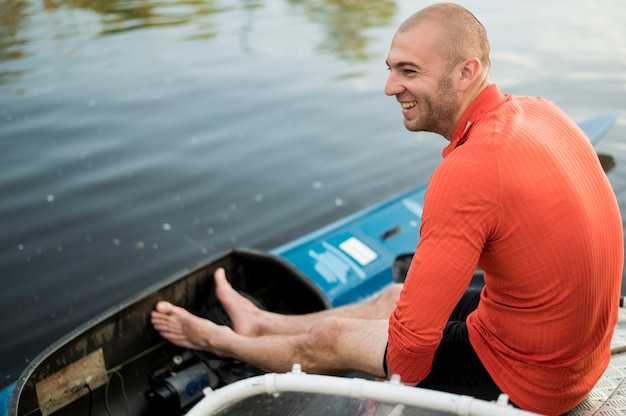 6 Essential Tips for Renting a Personal Watercraft (PWC)">

Begin with a concrete recommendation: complete the safety briefing y read the rental agreement at the dock so your responsibilities are clear from the front.
On arrival, inspect the equipment y calzado; verify the meter, lanyard, and life jackets fit all participants, including you and your crew. Ask which safety features are active. If you anticipate multiple rentals this season, check packages or discounts.
Set your driving style and speeds to conditions; this will help you stay in control, test forward motion in a calm zone, keep a safe distance, and avoid riding near sunset when visibility drops.
From the fleet, choose a model from a variety of sizes aligned with your purpose and your familiar levels of experience; if a larger option is requested, confirm availability or choose a smaller alternative.
Safety gear is ready; incluyendo life jackets, signaling devices, and protective calzado; confirm fuel policy, deposits, and insurance.
Plan your session around daylight and weather windows, noting the dock availability and local conditions. Schedule at suitable times to avoid crowds, and anticipate beautiful scenery as you learn to ride safely.
6 Practical Tips for Renting a Personal Watercraft (PWC); What Makes Personal Watercraft Safety So Important
1) Check laws and safety requirements before you ride PWCs on the water. Laws dictate operator responsibilities, minimum age, and required gear. Upon arriving, staff will confirm the craft’s shut-off works with a quick pull of the lanyard; this ensures you and the team stay safe if they fall behind the controls. Bring necessary documents; this will speed the rental at the store desk, making arrival smooth and predictable.
2) Inspect PWCs before departure, test basic controls, and confirm the running status. Visually check the hull for damage, verify the throttle turns smoothly, and ensure the shut-off activates when pulled. Have staff demonstrate how to turn and brake; a firm grip with hands is essential for stability, especially on slippery ramps or when docks are busy.
3) Wear a life jacket and protective gear; keep visibility high at all times. A strong vest labeled USCG-equivalent reduces injury in an upset. Choose bright colors to improve visibility; keep hands free to manage the controls. Prioritize quality gear as an investment in safety. Some inboard units may require additional protection; such options include jackets, gloves, andor pads.
4) Learn handling basics: throttle control, turning, and safe stopping. Practice at slow speeds, then progress when skills improve. Use the callouts to keep a safe distance; turning should be smooth and gradual to avoid a sharp move that may throw you from the seat. Always keep a strong stance to stay balanced; this reduces the risk of being thrown by waves. When conditions are poor, slow down and avoid pushing limits; you will gain confidence with patience.
5) Respect space and conditions: know wind, current, and waves; maintain the same distance from others. When visibility is limited, slow down and pass with care; if other vessels are in the same traffic area, yield and stay clear. If the water surface is rough, postpone a ride until conditions improve; even a small change in wind can affect control. Whether conditions will ease, wait if you are unsure. Avoid fast passes in crowded areas; skills grow with experience.
6) Arrive ready to store pwcs properly and use shut-off at session end; report damage. After return, place the craft in a safe location, turn off the power, and secure it; this ensures upcoming renters find a safe setup. Track maintenance notes and keep a log at the store so they know what to inspect next. By following these steps, pwcs stay running and ready to hand over to the next person, with safety as the top priority.
Assess Your Riding Needs and Skill Level
Start with a concrete step: map where you ride and trips you plan, then define your need by purpose–calm cruises, sightseeing, or quick hops. Your user profile, including height and weight, informs machine size and weight rating. If your trips stay near shore, choose a compact, stable craft with easy handling and gentle turning. Also include a slow, precise turn drill.
Evaluate your skill level via a controlled trial with a trainer or staff. Check controls–can you operate them without twisting behind your back? Sit tall, keep a firm grip, and maintain a straight line when accelerating. An experienced rider can ride ahead of the shore break with caution; a rookie isnt ready to chase rough water, stay behind the line, and stick to gentle speed. Add a simple turn drill to build grip and confidence.
Plan guidelines around trips, weather, wind, current, and visibility. Wearing a proper vest and shoes with grip increases staying power and safety. Keep behind the wheel with a clear plan; if wildlife such as dolphins appears, slow, stay safely away, and avoid sharp turns. Resist speeding in busy zones and practise small, controlled roll maneuvers to keep balance. Practice a calm turn drill.
Compare models from Knaus; assess certain factors–weight, control geometry, seat height, and service network. Use these guidelines to pick a craft that matches your staying pace and your preference to return to shore when needed. The right choice lets you enjoy yourself on the water and trips without unnecessary stress.
Verify Insurance, Liability, and Security Deposit Terms
Obtain a written policy copy immediately, and verify guard-approved liability terms plus a clear security deposit schedule. Note who is insured, who may ride, and what happens if a claim arises; they should provide contact details for the insurer. This empowers you to rent a craft with confidence.
Insurance terms must specify minimum liability limits, such as 300,000 USD per incident, including medical payments and property damage coverage, plus hull or collision protection when you are responsible for a crash. Ensure the policy names you as an operator, includes a rider and others who may ride, and remains in effect under different winds while you rent a craft with strong coverage. This clause ensures you are protected when conditions shift.
Security deposit terms must be explicit: amount typically ranging from 200 to 1,000 USD depending on boat value, hold method, return timeline, and how damage is assessed. Note that deposits cover items such as dings, scratches, or missing equipment like life vests, lanyards, or safety gear; larger crafts may require a higher hold.
Before operating, inspect the craft: check throttle response, steering, and rear buoyant deck; ensure life jackets are the appropriate size; carry the kill switch and other safety gear; explain how to engage forward, reverse, and operate at varying speeds; practice staying balanced during stronger winds; courses or refresher training may be included to improve handling; this helps prevent mishaps and keeps riders safe.
On return, compare the final condition to the initial inventory, note any new damage, and obtain consent to deduct from the security deposit if needed. Ensure an inspector signs off, and seek a transparent explanation of charges with a clear deadline to resolve disputes. If plans include sunset on the water or multiple riders, confirm who will operate each craft and how charges apply to others; this protects your budget while keeping everyone safe. If you want to rent again with predictable costs, review all terms carefully, including the refund window and any processing fees.
Inspeccionar el PWC Antes de Usar: Visuales, Fluidos y Equipo de Seguridad
Realice una inspección de arriba a abajo antes de entrar al agua: obtenga el consentimiento del propietario o del personal del lugar, confirme la preparación de su equipo y que el lugar ofrezca un briefing de seguridad junto con las siguientes comprobaciones directamente en la embarcación.
- Visuales
- Casco y cubierta: inspeccionar grietas, golpes, desgaste del gelcoat y erosión a lo largo del bulbo; faldones de fricción (goma) intactos y firmemente montados.
- Hardware de cubierta: confirmar que la superficie antideslizante permanece eficaz; cierres y asas seguros.
- Componentes inflables: si existen tubos, verificar si hay pinchazos o áreas desinfladas; las válvulas sellan sin fugas.
- Variedad de marca: las unidades Yamaha requieren comprobaciones específicas del modelo; verifique las etiquetas de servicio en el capó, confirme que las mangueras de refrigeración y los sujetadores de la cubierta estén seguros; otras marcas varían las comprobaciones.
- Área de propulsión y toma: gire la hélice o el impulsor a mano donde sea seguro; retire los escombros de la rejilla de toma; no haya cuerdas enrolladas alrededor del eje de transmisión.
- Carcasa del motor y soporte: buscar grietas o tornillos sueltos; asegurarse de que los sujetadores estén apretados y que las bisagras funcionen correctamente.
- Contexto ambiental: observar la erosión cercana a las orillas; evitar ingresar a bahías poco profundas cerca de especies locales protegidas; mantener una línea de visión directa hacia la ubicación para asistencia inmediata; asegurar la restricción de entrada a zonas restringidas.
- Fluidos y estado mecánico
- Combustible: confirmar que el nivel esté por encima de 1/4 del tanque; inspeccionar el sello de la tapa; evitar gasolina vieja; revisar las líneas en busca de grietas; anotar cualquier brillo o vapor que indique fugas.
- Aceite y refrigerante: verifique el nivel de aceite en la varilla medidora o mirilla; el color debe ser ámbar claro; evite olores a quemado; nivel de refrigerante en la reserva cuando corresponda.
- Separación de agua: si el modelo utiliza un separador de agua, asegúrese de que esté libre de agua y contaminantes.
- Billete y respiraderos: asegurar que el billete esté seco; verificar que los respiraderos estén libres y no bloqueados; área de admisión libre de escombros.
- Equipo de seguridad y configuración
- Interruptor de parada de emergencia: siempre pruebe desconectando el cordón mientras el motor está en marcha; el motor debe detenerse inmediatamente.
- Preparación del chaleco salvavidas: asegúrese de que los chalecos salvavidas estén listos para usar; las opciones inflables se pueden inflar manualmente y/o automáticamente; pruebe la función de cada unidad con una rápida comprobación de inflación.
- Extintor de incendios: asegurarse de que haya una unidad apta para uso marítimo, montada y dentro de la fecha de caducidad; verificar que sea accesible.
- Dispositivos de señalización: pitillo o bocina funcionan; señales de socorro válidas si son requeridas por la ubicación; verificar las fechas de caducidad de los bengalas.
- Luces: si opera después del anochecer, verifique que las luces de navegación funcionen y que la batería esté en buenas condiciones.
- Kit de repuesto: incluya un juego de herramientas compacto y/o piezas de repuesto para solucionar problemas menores; asegúrese de que las responsabilidades del propietario o del operador sean claras.
- Requisitos de ubicación: cumplir con las normas del sitio y los procedimientos de seguridad.
Conozca las normas locales, los límites de velocidad y las zonas de navegación sin estela.
Verifique las reglas locales, los horarios publicados y las zonas de navegación sin olas antes de navegar. La señalización del puerto, las oficinas de los puertos deportivos y los sitios oficiales describen los límites, los registros requeridos y las obligaciones de seguridad. Según el источник, las reglas varían según la costa, el estado y el municipio, incluso a lo largo del golfo.
Los límites de velocidad varían según la zona; en las zonas sin estelas, la velocidad debe ser cero; cerca de las orillas, mantener 5–10 mph; en los canales principales, seguir las señales publicadas, a menudo 10–25 mph. Las horas del día cambian los patrones de tráfico, así que verifique los horarios locales en los puntos de entrada.
Los jinetes tienen responsabilidades: usar chalecos perfectos, mantener la visibilidad alta con colores brillantes y mantener una distancia segura de las líneas de costa y las embarcaciones para que puedas disfrutar del paseo. Vigila las embarcaciones, los nadadores, los pescadores y los delfines; mantenete alejado de rampas, puertos deportivos y canales concurridos. Los accidentes ocurren cuando la atención se distrae. En períodos concurridos, reduce la velocidad, planifica tus movimientos y mantén un espacio de amortiguación.
Los navegantes deben monitorear los cambios en el viento, la corriente y la visibilidad; las rutas del golfo exigen conciencia del tráfico estacional y las velocidades típicas de las embarcaciones. Siempre ceda el paso a embarcaciones más grandes; mantenga un estilo de navegación predecible, permanezca a la derecha de los carriles de tráfico y observe las costas al salir de los canales. Lleve un chaleco brillante y un dispositivo de señalización, y revise los horarios cuando las costas se llenen de navegantes.
Usa un chaleco salvavidas y lleva herramientas de comunicación
Use un chaleco salvavidas antes de comenzar a usar la lancha y mantenlo ajustado en todo momento cuando el agua se mueve con corrientes y olas.
Lleve un radio VHF impermeable o un teléfono completamente cargado en una bolsa sellada, además de un silbato; estas son herramientas básicas de comunicación que mejoran la respuesta durante emergencias.
Defina su propósito y confirme la seguridad con el personal y los operadores; asegúrese de que la presentación del propietario esté completa y que la calcomanía en la embarcación sea visible.
Si observa delfines u otra vida acuática, disminuya la aceleración, reduzca la velocidad y manténgase a una distancia prudencial del buque que tiene por delante.
La pulverización de las olas que rompen, incluyendo el rompimiento, puede reducir la visibilidad; disminuya la velocidad y gire gradualmente para mantener el control de las máquinas de a bordo.
Cuando alquilas una embarcación, confirma que el personal conoce tu plan y que el propietario está al tanto; verifica que los escombros hayan sido retirados de tu ruta y que puedas operar de forma segura dentro de la cabina. Esto es importante para garantizar la seguridad de todos a bordo.
Aprenda a responder a cambios repentinos en las condiciones del agua y a mantener distancias seguras; incluso pequeños errores pueden escalar rápidamente.
Tabla de seguridad:
| Item | Notas |
|---|---|
| Life jacket | Asegurado, tamaño apropiado |
| Herramienta de comunicación | Dispositivo impermeable + silbato |
| Visibilidad | Supervisar el clima, el spray, los escombros |
| Decal | Visible en casco |
| Dentro de la cabina de mando | Operar los controles con calma |