


 Español
  English (UK)
  Русский
  العربية
  日本語
日本語  한국어
한국어  Magyar
  Türkçe
  Čeština
  Svenska
  Português
  Ελληνικά
  Suomi
Suomi  Nederlands
  Română
  Italiano
  Français
  Polski
  Українська
  Deutsch
  简体中文
简体中文  Slovenčina
  15 Stunning Beaches in Greece – Worth Planning a Trip Around">

Begin with Elafonissi in Crete at sunrise and circle toward Falassarna the same day. If youre plotting a coastal route, start in the east and move west, because fifteen coastal spots were chosen for their variety. The plan favors flexible days: mornings on sand with loungers, afternoons exploring coves with steps that descend to emerald water, and evenings in olive-scented towns near the port. This location heads toward popular corners but keeps pockets of tranquility, and you’ll see the scenery shift from pale rocks to greener hills as you move further along a super contrast.
Each stop is located on an island with a distinct rhythm: some near busy port towns, others tucked into quieter coves that require a short boat ride. The steps lead to shallow bays, and you can pace visits by ferries or local buses to maximize time in nature while keeping a comfortable pace. Expect a mix of sun-drenched mornings and breezy afternoons, and plan a midday pause for chilled drinks and a quick swim.
Favor a practical cadence: ride ferries between islands, then rent a car on Crete or Lefkada for island-hopping. mykonos remains popular as an anchor for many travelers, but the route also rewards those who seek greener corners farther from the core, with coves in the Dodecanese or the Ionian Sea offering calmer water and fewer crowds. Travel light and pack reef-safe sunscreen; you’ll appreciate the generous shade beneath olive trees as you linger before the next leg. For homers of the sea, the rhythm here recalls ancient routes yet without compromising comfort.
Some sites command a longer walk: rocky outcrops, sea caves, and limestone cliffs demand sturdy sandals and a sense of direction. If youre aiming for a sequence that blends scenery with culture, pick a base in an east coast town and use early ferries to reach greener coves on the same day. You’ll notice a difference in the texture of the coast: smoother sands in open bays, rougher rocks where surfers gather, and a few spots where loungers appear only in peak season near the harbor.
To close, treat this list as a framework for a customized itinerary rather than a fixed guide. The balance of popular routes and hidden corners allows more time in each setting, from sunlit mornings on the sand to sunset walks along stone walls, with stops in locations that came with easy connections. In every location you’ll sense the pull of travel, the scent of olive groves, and the call of the sea as you move along the coast and to the next waterfront spot.
15 Stunning Beaches in Greece: A Practical Travel Guide
Start with a four-stop loop along the aegean coast: paleokastritsa, kolymbithres, voula, and Navagio, then rotate days by ferry or boat to keep the pace comfortable across these coastlines.
Paleokastritsa, Corfu – multiple coves offer golden sand and soft water, with cool morning light ideal for photos. Early arrivals save you close spots and a quieter break after hiking above the village. Boat trips run to grottoes and secluded nooks, a practical source for flexible getaways and hopping between sheltered coves.
Kolymbithres, Paros – iconic rock formations create shallow pockets with warm, calm water, a perfect setting for lounging on loungers. These tidal pools spread along a sheltered bay, and easy parking plus a short walk from the town center makes it accessible for a quick escape.
Voula, Attica – an urban stretch with golden sand, clear water, and a reliable line of loungers and umbrellas. The close metro connection keeps this spot convenient for a last-minute dip before sunset, and the nearby cafés deliver a fast refresh.
Navagio, Zakynthos – accessible only by boat, the cove is framed by towering cliffs and a pale wreck on the sand; go early to secure a close spot and avoid mid-morning crowds. The approach by sea delivers a dramatic gate to a pristine, turquoise-in-blue water scene that draws photographers and travelers alike.
Balos, Crete – a shallow lagoon where pink-tinted sand meets bright aquamarine water; the path to the bay includes an unpaved stretch, so wear sturdy shoes and plan for a mid-day crowd spread. Boats depart from nearby ports, creating a steady flow that keeps the spot lively yet manageable.
Elafonissi, Crete – famed for its soft, rosy sand and lagoon-like shallows, where the water stays cool near the edges and warms toward the center. The broad spread of sand allows sunbathers to choose their own calm corner, and arriving early minimizes lines at the gate for park access.
Myrtos, Kefalonia – a dramatic curved bay with thick limestone cliffs and a pebbled shoreline; the beach’s rugged texture contrasts with the blue water, offering a raw, photogenic scene. The best views come from the cliff path on the far side, while the main strand remains popular for a short, refreshing dip.
Voidokilia, Messinia – horseshoe-shaped coastline with soft sand and shallow, safe water; arrive at dawn to secure a close park space and enjoy a quiet walk along the dunes. The surrounding dunes and olive groves create a classic island-like vibe without leaving the mainland, a true getaways highlight.
Sarakiniko, Milos – the lunar-white rock and turquoise water create a stark, otherworldly backdrop; the surface is rough near the shore, so wear water shoes and take a short boat hop to calmer coves nearby. The stark scenery makes it a memorable day’s end after a coastal walk.
Porto Katsiki, Lefkada – a long stair descent to a slim strip of sand framed by towering cliffs; the water shows a perfect gradient from deep blue to light teal. Bring water shoes for the rocky approach, and aim for early hours to grab close loungers and a better view.
Koukounaries, Skiathos – pine forest behind a broad, golden strand with a solid suite of facilities and a cluster of loungers. A shallow shelf keeps the sea calm for families, while the forest path offers a pleasant walking option and a source of shade on hotter days.
Plaka, Naxos – a wide, sun-warmed shoreline with ample soft sand and gentle surf; this spot remains popular for a full-day escape, so consider arriving before the crowds to secure a close parking spot and easy access to water’s edge.
Lalaria, Skiathos – white flint stones underfoot and crystal-clear water create a striking contrast; access via boat or a steep path means planning a dedicated time slot, which helps keep the crowd size manageable on a given day.
Voutoumi, Antipaxos – a compact, island-feel cove with calm water and fine sand that feels private even when busy; day-trippers from nearby Paxos or Corfu anchor nearby, yet late-afternoon shade and gentle waves provide a relaxing close to the day.
Simos, Elafonisos – a long spread of pale sand and warm water, reachable by short ferry or bridge from the mainland; a pair of boat moorings and kayak points keep these shores active, yet space remains wide enough for a peaceful stroll.
Access and transport: reach each beach from main gateways
The easiest option to reach falasarna is to rent a car at the Chania airport and drive along the coast to Kissamos; the route runs above olive groves and delivers a picturesque view over the broad bay, with a convenient platform near the sand for a quick stop and photos that get photographed at every angle.
From parikia on paros, the most reliable path to nearby shorelines is by scooter or car rental after you arrive by flight or ferry; ferries and flights connect your location with Athens and Thessaloniki, while road routes cut through alleys leading to tavernas and a string of coves. The setting is comfortable for families or couples, and the overall transfer time to the closest beaches rarely exceeds a half hour from town.
Skopelos is accessed via Volos by ferry, with additional sailings from Skiathos on busy days; ferries run regularly and the crossing takes roughly 2–3 hours depending on the boat. Once you disembark, primary roads fan out to a sequence of bays where pine-tree views frame the water; between the towns and cove edges, you’ll find viewing platforms and parking ready for lovers of easy logistics and a relaxed pace.
Across every route, plan around local flights to the key gateways–Chania, Heraklion, and Paros–for the most flexible rhythm; flights to these hubs are frequent in summer, enabling you to reach your starting point quickly and then move between the targets at your own pace, while you map a route that fits your location-based favorites and the party of companions, whether mamma or friends.
-
falasarna (Crete)
- Gateway and access: Chania airport or Kissamos port; drive along the coast for about 70 km, roughly 1h15m, depending on traffic.
- Best transport: a rental car is the easiest way to control timing and to pause for a scenic view above the water.
- On-site layout: boulders frame the shore, with a broad sandy stretch and a promenade that runs close to tavernas; parking is available near the main beach arena.
- Tips: go early to avoid crowds; photographed vantage points along the cliff edge provide prime material for every beach enthusiast.
-
parikia-area beaches (paros)
- Gateway and access: parikia serves as the main harbor town; to reach beaches such as Parasporos or Monastiri, rent a scooter or car after you land via flight or ferry from Athens or Thessaloniki.
- Best transport: local roads are compact and the shortest hops take 15–25 minutes; alleys around the harbor lead to tavernas with sea views.
- On-site layout: wide coves, clear water, and easy walking paths from parking to sand; many spots offer a comfortable setup for families and couples alike.
- Tips: take a short stroll between beach edges to catch a broad panorama; a viewing platform near the shore gives a prime shot of the water and town backdrop.
-
skopelos beaches (skopelos)
- Gateway and access: Volos serves as the mainland gateway by ferry; crossings take about 2–3 hours, with additional options from neighboring ports during peak season.
- Best transport: a car or quad is ideal after docking, helping you hop between coves with minimal hassle.
- On-site layout: the coastlines here weave through pine forests and rocky inlets; many beaches are photographed with the island’s setting as a backdrop.
- Tips: from the harbor, a short drive to a handful of beaches offers easy access and plenty of tavernas along the coastline for a quick bite after a swim.
Weather windows: best time to visit each beach to maximize sun and minimize crowds
Navagio Beach: best window is late May to early June; then again in September for pure sun with calm seas. Crowds tend to be lighter, and the view from the cliff wall is unobstructed by glare. Nearest town offers a convenient start for a short walk, and offshore winds typically ease, making the whole approach feel calmer. Bring sun protection for the long stretch of pebbles and golden sands around your view.
| Beach | Best window (approx.) | Notas |
|---|---|---|
| Navagio Beach (Zakynthos) | Finales de mayo a principios de junio; septiembre | Pure sun with calm seas; view of the square cliff wall dominates the panorama. Crowds tend to be moderate, never overwhelming if you arrive early. Nearest town is convenient for a quick stop, and the walk to the lookout is short. Offshore winds can pick up later; otherwise, it’s a great spot to stay within the shade of olive trees along the path. Bring sunscreen and water. |
| Balos Beach (Gramvousa, Crete) | May–June; September | Turquoise lagoons and fine sands in a whole stretch that feels remote. The spots closest to the cape are best reached early; otherwise crowds gather on peak days. The view from the headland is iconic; expect boulders and pebbles along the shore. The nearest path is a bit rugged, so wear shoes for a comfortable walk. |
| Elafonissi Beach (Crete) | May–June; September | Shallow warm water and pink-tinged sands near the coast. Crowds swell in midsummer, so target the shoulder windows. The shore includes both sands and shallow lagoons; you’ll find calm spots even when the wind shifts offshore. Bring water and a hat for the stroll across the wooden boardwalks near the olive groves. |
| Myrtos Beach (Kefalonia) | May–June; September | Iconic blue-green view with a steep wall behind. The whole cove tends to be quieter before July and after August. Parking is near the nearest village; a short walk brings you to a long stretch of pure sands and pebbles. Offshore breezes make swimming pleasant in late spring and early autumn. |
| Porto Katsiki (Lefkada) | May–June; September | Golden sands framed by a dramatic cliff wall; the spots closest to the stairs get crowded later in the season. The nearby village offers a convenient start, and a calm cove within the bay helps when winds shift. Respect the rules against climbing on the rocks; otherwise enjoy the view and a quiet stretch of shore. |
| Voidokilia Beach (Pylos/Gialova) | May–June; September | Long, curved stretch with olive groves nearby and pure sea air. Crowds tend to stay small in shoulder windows; the sands are golden with smooth pebbles at the waterline. The nearest roads are easy to access, and the wall of dunes provides a sheltered feel. Bring water and a hat for comfort during the walk along the coast. |
| Sarakiniko Beach (Milos) | May–June; September | Moon-lit rock walls and white lava formations create a unique view. In peak season it’s busier, but the shoulder windows stay calm. The nearest harbor port serves as a convenient base; the beach is a blend of pebbles and sands, with several spots for lounging close to the boulders. Bring a camera and sunscreen. |
| Kolymbithres Beach (Paros) | May–June; September | Curved sand from the main stretch forms natural coves among granite shapes. Crowds are lighter outside July–August; early mornings offer a tranquil view. The walk along the coast passes through alleys of rock formations and small sandy pockets; the water is calm and inviting for a swim. |
| Simos Beach (Elafonisos) | May–June; September | Long, golden sands meet clear, shallow water. Shoulder periods avoid the party crowds; the whole coast stays calm with gentle offshore winds. The nearest ferry port connects smoothly for weekend trips; bring a towel and a sunhat for a longer stay near the olive groves behind the dunes. |
| Red Beach (Santorini) | May–June; September | Distinctive volcanic sands create a striking view. Crowds explode in midsummer, so choose the early or late window. The nearest parking is a short walk away; stay within the sheltered patches and avoid the densest alleys of visitors. Bring water and protection for a longer visit along the rocky wall. |
| Koukounaries Beach (Skiathos) | May–June; September | Forest shade and long sands make for a calming day. In peak months, crowds tend to cluster in the central spots, so start early to secure a quiet corner. The stretch includes pine groves and golden dunes; the walk from the parking area is convenient, and the shore remains pleasantly calm when winds stay offshore. Bring sun screen and a light jacket for the sea breeze in late afternoon. |
| Agios Prokopios Beach (Naxos) | May–June; September | Wide, clean sands with a gentle slope into blue water. The whole coast offers a mix of pebbles near the waterline and smooth sand further up. Crowds are manageable in shoulder windows; the nearest village provides a convenient base for snacks and a stroll along the wall of dunes. Bring a hat for the mid-day sun. |
| Koroni Beach (Koroni, Messinia) | May–June; September | Long stretch of golden sands and olive groves along the coast. The spots closest to the village are popular, but the farther ends stay calm during shoulder periods. The nearest road leads to a convenient start for a quiet walk; the offshore breeze helps keep temperatures comfortable. Bring water, a towel, and a small umbrella for shade or a door of shade from the wall of dunes. |
| Kleftiko Beach (Milos) | May–June; September | Accessible mainly by boat; morning trips offer the calmest seas and best views of sea caves. Crowds tend to peak later in the day, so aim for the early window. The route includes a short walk from the boat quay to the shore; the whole area feels pristine and feels far from the party zones. Bring a camera, sun protection, and sturdy shoes for the rocky spots. |
When to book: timing tips to save on Greece package holidays
Book 6–9 months ahead for peak-season Greece package deals to lock in lower rates and a wider choice of hotels; for off-peak getaways, 2–4 months can still yield savings if you name your preferred resort early and stay flexible on the island, including cycladic destinations such as ana fonitria.
Target shoulder months, typically May and September, when temperatures are comfortable, crowds thinner, and airfares more affordable by 10–30% compared with peak weeks; rather than chasing peak weeks, aim to finalize by early spring to lock value; otherwise the best options can be gone. You can live like locals with flexible dates and neighborhood choices.
Look for bundles that include transfers, boats, and loungers; compare options between large gateways and smaller harbors to spot the best value, and check which inclusions come with an image gallery or sample room photos. Accessed data from источник confirms inclusions and dates.
When you arrive, reserve loungers early at busy coast spots; this prevents premiums on the day you want to relax and keeps you close to the water and sunsets, while fruit platters appear at many resorts.
For a balanced itinerary, mix a night in the capital to visit churches and museums with a week along the coast for easy play and water sports. In the middle of the season, the coast is lively; wear breathable clothing, bring sunscreen, and sample lamb dishes at tavernas near white wall–lined lanes that overlook the harbor as boats glide by, blending civilization with relaxation.
Between weeks of July–August, lock rates by February to avoid premium pricing and ensure availability; for a mid-season vacation, flexibility on dates can deliver additional savings of 5–15%.
What to include in a package: flights, transfers, hotels, and extras to compare
Lock in a concise base: flights to the nearest gateway, transfers to your base, and a centrally located hotel with flexible terms, then attach two or three extras to compare value across options.
Flight options: prefer itineraries with the shortest door-to-door time; landing early afternoon at the gateway reduces waiting for a transfer. If your base centers on mylopotas, target landing slots that allow a 30–40 minute transfer. For karpathos and naoussa, beware seasonal services; although they may require a ferry leg, perhaps they widen the option set and keep overall costs down.
Transfers: private car or shared shuttle should be priced per group; typical transfer duration is 25–50 minutes to a town center or a cliff-edge hotel; ensure luggage handling and child seats if needed; confirm drop-off is nearest your stay point. For narrow streets, a pier drop can be the most convenient option, minimizing backtracking and avoiding traffic delays; this is especially useful when visitors are heading to spots with iconic architecture and scenic overlooks.
Hotels: choose properties with varied room types, convenient access to cafes, and strong architecture features; check for cliffside views and wide balconies, and confirm umbrellas and shade at pools or shorelines. In naoussa or karpathos, you’ll find authentic towns with churches and winding lanes that shape the scene; affordable options range from boutique inns to larger hotels with sea views and easy access to the nearest market spots.
Extras to compare: guided visits to top spots, car or scooter rental, and meals or breakfast plans; evaluate whether spa access, fitness facilities, or private dining is included; if not, plan to spend modestly at nearby cafes to keep the budget balanced. Ensure cancellation terms are clear and that weather-related policies are favorable; this helps you adjust the plan without losing value, perhaps saving on overall costs while maintaining looks and comfort.
Documentation and sources: track prices with a spreadsheet, note the nearest airport variations, and record the source of imagery for reference; источник imagesistockphoto provides example scene visuals that help in assessing value and layout (for instance, cliff views near mylopotas or charming streets in karpathos and naoussa). Above all, verify current rates with the supplier before finalizing the agreement, and keep an eye on seasonal shifts that can affect affordability and timing.
Money-saving strategies: discounts, off-peak stays, and smart island-hopping
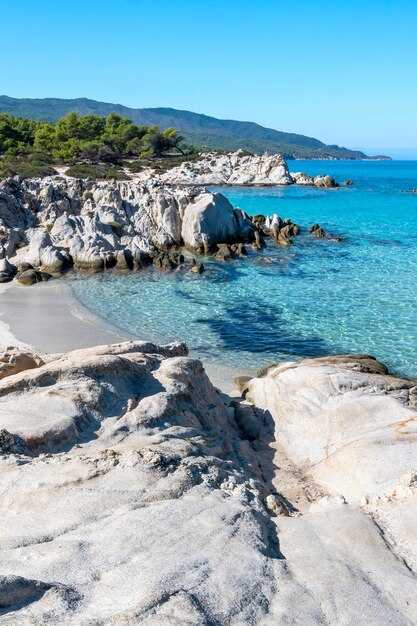
Part of the plan is anchoring stays in a town with affordable lodging and easy access to coastlines. Plaka on Milos keeps prices reasonable in May or October, while Kalafatis on Mykonos offers a beach-side name with quick access to white sands. From this combination, a five-minute hop to elafonissi can be arranged as a day outing, covering a wider stretch of coast without a long drive. This approach lets you enjoy the beauty of each side while avoiding heavy crowds that arent welcome in peak periods.
Discounts come from direct booking with family-run hosts and by choosing longer stays during shoulder months. Expect 15–30% reductions on nightly rates when you lock in a week or more, and look for so-called long-stay packages that include breakfast or a small kitchen credit. National ferry passes or multi-leg tickets often cover several legs, helping you stay within budget while covering elafonissi, kokkini, and plaka routes. Prices isnt always static, and drops appear midweek or after weekends. Tourists tend to flock to popular corners, so theres real value in spreading your moves across everything from quieter coves to the center of a bustling island.
Off-peak timing matters: May and September show wide discounts, while October still holds reasonable prices for lodging and ferries. Between these windows, youll find fewer crowds on the northern coast and at wilder coves, which means more space at smaller towns without sacrificing access to major routes. However, plan a lightweight itinerary: theres enough variety to cover a wide range of scenery–from white-sand strips to rocky promontories–without paying a premium for every upgrade. If you want to compare, Seychelles-style serenity is possible on a Greece-adjacent schedule with careful booking and midweek moves.
Smart island-hopping starts with a tight route that links a center base to a couple of outposts. For example, base in Plaka (Milos) for a few nights, then connect to Kalafatis (Mykonos) for beach-life balance, and slot in a day to visit elafonissi as a broader Crete option. Between hops, choose daytime ferries or slower services to enjoy scenery and keep price drops coming. This wide circuit delivers a practical mix of civilization and solitude, letting you sample both a name-brand coast and a wilder stretch that reveals nature’s beauty beyond the standard postcard. Theres no need to rush–pace your moves to stay prepared and avoid overpaying during peak demand.
Practical tips to stay on budget: pack light to reduce baggage fees, walk short distances of five minutes to reach beaches from your base, and opt for accommodations that provide basic kitchen facilities so you can cover some meals. For a center-based schedule, Kokini Hani or Kokkini coast options can be cheaper than inland alternatives, and Plaka remains a reliable anchor with easy access to the wider routes. Wherever you go, cover everything you need with flexible transport and a sensible stays plan, and you’ll enjoy the wide spectrum of coastal beauty without overspending. If you’re prepared, theres a clear path to a memorable, cost-conscious sequence that keeps the focus on the coastline’s best parts and the quieter corners beyond civilization’s glare.