


 Español
  English (UK)
  Русский
  العربية
  日本語
日本語  한국어
한국어  Magyar
  Türkçe
  Čeština
  Svenska
  Português
  Ελληνικά
  Suomi
Suomi  Nederlands
  Română
  Italiano
  Français
  Polski
  Українська
  Deutsch
  简体中文
简体中文  Slovenčina
  10 Hurricane Safety Tips for Boaters – Stay Safe on the Water">

Secure equipment before wind surges arrive; confirm watercraft readiness against extreme conditions.
Be aware that wind can alter surge dynamics; determine whether equipment is available and ready. Batten down hatches, detach moorings, and document completed checks on-site to guide next steps, even if crew questions plans.
There, facility managers provide telemetric feeds; they publish surge maps and wind bands to help determine next actions. Although data vary, rely on official documents to calibrate response and avoid improvisation.
Next, stabilize mooring arrangements, secure loose gear, and ensure everyone understands roles; if conditions worsen, complete rapid assessment, verify access to secure retreats, and detach from vulnerable positions when authorities advise.
Hurricane Safety Plan for Boaters

Complete a ready plan now: assemble a storm readiness kit, with a file containing contact numbers, insurance coverage, and vessel registration. Record securing points, with their coordinates, and items needed securing lines, chocks, fenders, and a batten patch kit. Ensure material stock is counted and stored in a sealed case. Plan well ahead; this isnt guesswork, so action should be prepared well in advance of any storms.
Stock includes fuel cans, spare tires, and a compact hand pump. Secure with chocks under tires; batten hatches, then open vents only after securing. Drain bilges and any rain catchments to prevent listing. Maintain lease records and confirm coverage herein.
Response steps upon warning: move to safest slip or anchor, then secure with extra lines, protecting against chafe. Use open checks to verify hatch latches, vent guards, and bilge pumps. Upon arrival, complete additional securing and verify tires, chocks, and fenders are in place. This approach is safer than improvisation.
After events, assess damage, log actions, file completed reports, and update planning sections for next season. Record what worked, what didnt, and where to improve more. Be sure crew roles are understood and kept prepared for future storms herein.
Pre-storm weather checks and decision points
Always review forecast data 48 hours ahead, and determine whether to move vessels into fixed moorings or shelter at essential facility; if conditions indicate sustained winds above 40 knots and surge around 3–4 feet, start a step-by-step process to secure belongings, remove electronics from exposed spots, and tighten tie-downs to prevent shifting.
Without hesitation, Following criteria help youve decide: if forecast worsens, shift to shore facility; otherwise keep gear secured and monitor conditions closely to protect your crew.
Providing a practical list of actions: securing loose belongings, shutting down high-risk electronics, disconnecting nonessential power circuits, stowing items in fixed lockers or waterproof bins, and confirming access to high-elevation tie-down points.
Where surge risk is high, move to a sheltered area near facility, secure vessels, and maintain contact with insurer.
Workflow steps reduce risk: tie-downs fixed on vessels, belongings stored in lockers, electronics unplugged from high-power outlets, step-by-step checks completed, and a list shared with insurer and facility staff.
Always re-evaluate plan as conditions shift, increasing more margin to return securely once surge drops and electronics protected.
Secure the vessel: lines, fenders, anchors, bilge pump, and PPE
Immediate action: secure lines to strong cleats using a double bowline, leaving minimal slack so vessel moves less in gusts; confirm fender placement padded along hull at high-risk areas, especially where chines contact hull, as fall winds intensify. This article emphasizes practical steps.
- Lines: select high-performance braided lines, 1/2″–3/4″ diameter, sized by vessel length; keep spare lengths coiled in a dry bag; attach using reinforced knots (double bowline on each cleat) to maintain controlled tension; fit chafe protection at fairleads; maintain minimal slack to adapt to moving waters and shifting loads; power gusts may increase strain, so monitor angles and adjust as needed.
- Fenders: position heavy-duty fenders at bow corners and along amidships; secure with straps or lines; adjust height to keep hull surface away from dock or bulkheads; rotate fenders as waters shift; inflate to manufacturer pressure.
- Anchors: ensure anchor weight suits seabed; use proper chain and rode; set rode length 7–10 times depth to resist pulling during approaching storms; carry spare anchor stowed on deck or stern; inspect shackles, swivels, and chain for wear.
- Bilge pump: verify automatic pump with float switch; maintain reliable power supply; add backup battery or manual pump; test monthly; verify discharge hose points away from hull; clear intake screen; store spare parts nearby.
- PPE: jacket options include life jackets, which provide buoyancy and visibility; keep in readily accessible location; there are scenarios where visibility saves lives; provide dry suits for cold waters; add gloves, whistle, flashlight, and knife; require crew to wear jacket during high winds or approaching storms; straps and buckles must function; check expiry dates on items; in addition, protect ones you love; youre ready to move through next stages.
Emergency plan and crew roles: drills, man overboard, and comms
Assign roles immediately after trouble surfaces: captain directs, MOB recovery lead handles throws, comms liaison maintains open channel, which keeps every hand aligned; records of actions stay current.
Drills train a rapid MOB sequence: throw a ring buoy, mark victim location with a beacon, haul end of line, move two hands, and recover within 60 seconds. After each drill, record timing, note any equipment gaps, and tighten procedures around bilge access, porthole seals, and battery checks, while keeping tires ready as improvised fenders if docking occurs.
Comms plan uses open VHF channel plus backup handheld; scripted calls, and visual signals at deck. In MOB scenario, designated hands signal with whistle, and supervisor logs all reports with time stamps. Ensure reports cover who initiated, next action, and changes in winds or hits during approaching storms.
After incident, secure vessel by anchoring lines, remove hazards, clear bilge, and verify batteries. Then resume course with open communication; keep portholes closed while hits threaten. Afterward, record what happened, share this material with their crew, and keep yourself more prepared ahead of next approach by refining plan and drills.
| Role | Action | Timing | Equipment |
|---|---|---|---|
| Captain | Direct ops, issue MOB alert, coordinate crew | Immediate, ongoing | VHF, whistle, markers |
| MOB Lead | Manage throw, haul line, guide recovery | Seconds to minutes | Throw bag, life ring, buoyant line |
| Comms Lead | Open channel, relay updates, log reports | Ongoing | Handheld VHF, backup device |
| Bilge/Electrical Monitor | Check bilge pump, monitor batteries, seal portholes | Continuous | Bilge pump, batteries, sealed hatches |
| Securing/Anchoring | Trim lines, set anchor if needed | As hazards approach | Anchor, lines, fenders |
Navigating to shelter: choose safe harbors and sheltered routes
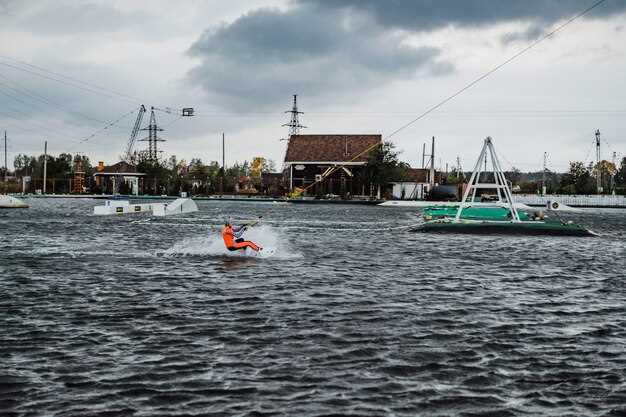
Plan toward a sheltered harbor featuring sturdy pilings and docks in lee from wind. Pick routes that stay within shoal-free channels and away from exposed points where chop slows progress.
Know policies from harbor managers and port authorities; verify clearance windows, mooring rules, and fuel stations along approach. In planning, create waypoints to reach a sheltered zone.
Plot a course that favors steady current and stable motion; avoid rough waters. Monitor wind shifts; adjust heading to keep watercraft on a sheltered path, avoiding exposed segments.
Before approach, remove loose belongings; detach antennas, lines, or gear; secure fenders and deck gear; bring spare fuel if possible.
While en route, watch videos from coast guard or harbor cams to stay informed about current conditions along approaches; stay informed about updates as conditions change.
On arrival, verify status of available slips; begin docking at a berth with high pilings; place lines along edge and secure fenders within a minute of contact; review points passed along approach.
Bring fuel reserves and essentials; having spare gloves or tools helps during mooring; remove nonessential gear from decks; remaining belongings stored below or in lockers to reduce windage; after mooring, inspect path to docks along edge.
Next steps include keeping hands on wheel, maintaining a clear path, and following policies to ensure awareness of times when shelter fills up; plan ahead to avoid bottlenecks along current. If conditions still worsen, be ready to retreat to secure options; once status is solid, begin monitoring status periodically until reaching shelter.
Documenting the journey: take photos and videos safely on board
Plan first: step by step mount gear, tether devices, and save key moments as a file on reliable storage.
Next, current conditions on deck matter: keep hands dry, avoid touching lenses during surge, and keep equipment above spray line.
Owners and crew, having precautions: guard mounts, detach fragile gear during surge on boats, and confirm backups ahead of season.
Preparation includes clean gear and orderly setup: label files, plan naming, and keep them accessible; herein you find a simple workflow.
Equipment choice matters: use weather-sealed housings, rugged bags, and pendant tether to prevent loss on exposed sections.
On dock or on board near sails, gusts hit; avoid handling devices by grip while moving; store sensors and cords above deck to prevent tangles.
Knowing your limits helps; have them in mind and let crew manage heavy shots while you guard lens cleanliness.