


 Ελληνικά
  English (UK)
  Русский
  العربية
  日本語
日本語  한국어
한국어  Magyar
  Türkçe
  Español
  Čeština
  Svenska
  Português
  Suomi
Suomi  Nederlands
  Română
  Italiano
  Français
  Polski
  Українська
  Deutsch
  简体中文
简体中文  Slovenčina
 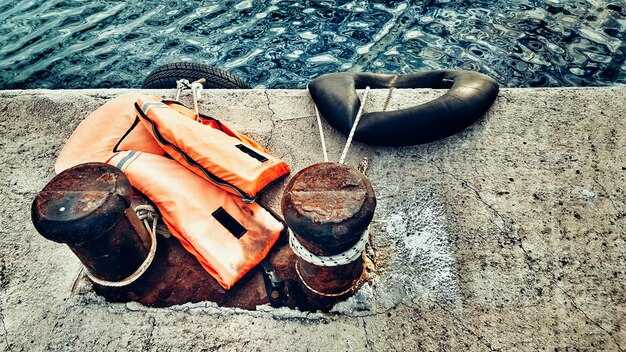 Your Ultimate Guide to Boat Safety Equipment">

Keep extinguishers within reach and secure a line at the helm for immediate action. This setup allows quick action in case a small fire or snag on deck occurs without delay. Use a high-quality system and test annually to confirm pressure and integrity.
For the selection of gear, assess your boat size, operating area, and crew experience. A practical kit includes life jackets, a bilge pump, a line, a throwable, and extinguishers that match your risk profile. Keep away from fuel sources and store items in labeled, waterproof cases for quick access.
The operator leads drills and checks before every voyage; knowing where every item lives speeds response during stress. In case of trouble, teammates should locate life jackets, flares, and a radio within a few steps, then deploy the parachute flares to attract attention effectively.
Storage matters: keep a dedicated container for safety items and label each case. Place it away from fuel lines and direct sun. Such organization helps you grab gear during an accident and reduces risk.
Drill and inspect: run quarterly practice to rehearse what to do in rough conditions, deploy parachute flares on cue, and use the line to assist a person overboard. Regular checks ensure extinguishers stay charged and accessible, and that crew members know where to access gear when it matters most.
From Checklist to Habit Making Safety Second Nature
Begin every trip with a five-minute routine: equipping essential safety items, inspecting gear, and confirming every passenger wears a life jacket. Keep your phone charged for updates, and note the ideal position for the VHF antenna. Unless conditions change, complete this basic step before you cast off.
Turn the checklist into a practice that grows into safety second nature: run through items in a fixed sequence, verify the state of equipment after every leg, and log any issue for the crew. This regular cadence boosts confidence for the crew and passengers alike; specifically, start with vest checks, then throw line, then radio tests to lock in the order.
Adopt a simple technique for on-board safety: keep a basic kit near the helm, designate a clear position for each item, and rehearse quick actions with the board crew. Use checks that are easy to perform while moving and during docking, so performance remains steady even under noise and wind.
Protecting passengers starts with clear roles: assign a number of helpers for monitoring jackets, PFDs, and head protection, and train everyone to point to gear when asked. In dark conditions, illuminate access to exits and life-safety gear, and practice locating items in low light using touch and sight.
Regularly audit your safety board and updates to the gear list: replace worn items, rotate batteries, and verify the carrying state of emergency signaling devices. Record how many people are onboard and ensure there is sufficient equipment for the number of people aboard.
Keep training concise and frequent: practice hoisting a throw bag, using signaling devices, and communicating with the crew. Review antenna range and phone connectivity, and simulate a quick drill for a man overboard scenario to reinforce your technique and confidence.
Boat-Type Pre-Departure Gear Checklist
Verify registration on board and equip two flashlights for night or low-light conditions before every trip.
Make a compact, non-pyrotechnic signaling kit within reach, including a hornwhistle and two spare batteries; ensure the kit is provided by the manufacturer.
Licensed safety gear must be checked regularly; follow the measures from the operator and keep a smaller kit you are carrying.
From the helm to the bow, walk the deck to explore the space and achieve an unparalleled level of readiness by assigning a fixed location for each item so you can grab what you need quickly.
Return to port with a clear plan: confirm your registration status, test the flashlights, carry a hornwhistle for signaling, and give quick access to smaller items in their designated spots.
Life Jackets: Sizing, Quick Access, and Use Rules
Always wear a properly fitted, Coast Guard–approved life jacket whenever you’re on deck. The jacket should sit snugly, allow full arm movement, and not ride up when you bend or turn your head. Do a final test by lifting your arms and turning your torso; if it shifts, adjust the straps or try a different size.
Sizing basics: measure chest circumference at the widest point and compare to the label’s chart. For adults, sizes typically run XS to XXL; for youths, follow weight and chest guidance on the jacket label. Typical chest ranges you may see are roughly XS 30–34 in, S 34–38 in, M 38–42 in, L 42–46 in, XL 46–50 in, XXL 50–54 in. Brand charts vary, so inaccuracies can occur if you skip the label. If you wear a light layer under the jacket, you might need the next size up for comfort while maintaining buoyancy.
| Size | Chest Range (in) | Σημειώσεις |
|---|---|---|
| XS | 30–34 | Adult; verify with brand chart |
| S | 34–38 | Adult; check for a snug fit |
| M | 38–42 | Adult; suitable for most average frames |
| L | 42–46 | Adult; may require longer torso |
| XL | 46–50 | Adult; consider tall length |
| XXL | 50–54 | Adult; broader shoulders |
For quick access, keep life jackets within arm’s reach near the helm or the main entry. Store one by the door you use to board and another at the stern for fishing trips. Choose bright colors and patches or flags to improve visibility, and consider models with reflective strips. Avoid stacking jackets in a closed hatch; keep them permanently on rack hooks or on coaming guards. Dry, clean storage supports long service life and excellent buoyancy even after long trips. Electronics on board should remain separate from your gear; never rely on electronics or computer-based indicators for buoyancy. Burns from heat sources while stored or worn can degrade material, so keep jackets away from engine exhaust and other heat.
Use rules emphasize correct fastening and quick donning. Zip up fully, snug the straps, and ensure the inflatable bladder (for inflatables) is properly armed and ready. If a jacket shows wear, tear, or a leak, retire it and replace. Never throw a damaged jacket overboard; dispose of it in line with local guidelines. Before departure, give a quick don-and-check to confirm you can move freely; if calling for help becomes necessary, you can use a whistle or signaling device. The jacket should perform reliably in unexpected conditions, offering stable buoyancy to support calling for help and rescue efforts. Further, a quick maintenance check after each trip helps you catch problems and keep safety data accurate and up-to-date.
Inspection and maintenance form the foundation of reliable protection. Visually inspect seams, zippers, buckles, and straps; check the buoyant material for tears or saturation; test inflatable models by ensuring the bladder holds air. Replace worn parts and leaking jackets promptly; keeping up with repairs reduces inaccuracies and extends service life. For international voyages, follow the jacket label and your vessel’s safety plan to maintain an excellent safety record, including a long-term upkeep cycle that includes inspection after fishing trips or training calls. A computer-free checklist and documented records, providing steady protection for everyone on board, helps maintain readiness and reduces risk.
Safety Signaling: VHF Radio, Flares, Whistles, and Lights
Test your VHF radio weekly on channel 16 and have the operator run a quick check to confirm transmit, receive, and DSC functions; keep a copy of your vessel name and position so you are able to broadcast quickly, especially at night or in poor visibility; ensure the antenna and speaker are dry and maintain readiness for any situations and to increase your chance of being heard.
Use only rated handheld or aerial flares in sealed packaging; replace before expiry dates; store in a dry, accessible locker near life jackets to ensure fast access in an emergency; include flare drills in safety promotions and training so crew can deploy calmly under pressure; in a major incident, flares attract attention and prevent catastrophic delays.
Keep a loud whistle within reach; choose a pea or pea-less design and test by blowing to verify tone and range; in fog or night, pair the whistle with a bright light to announce your presence clearly and signal to vessels nearby.
Διατηρήστε τα φώτα πλοήγησης: κόκκινο και πράσινο πλευρικό φως, λευκό φως πρύμνης και ένα λειτουργικό φως αγκυροβολίας· επαληθεύστε ότι οι λαμπτήρες ή τα LED είναι κατάλληλοι για το μέγεθος του σκάφους σας και αντικαταστήστε τους αμέσως· βεβαιωθείτε ότι οι γωνίες στήριξης και η ορατότητα του ανακλαστικού διατηρούν την αναγνωσιμότητά σας για κάθε επερχόμενο σκάφος τη νύχτα, σε μικρές αποστάσεις από τη θέση σας και σε μεγαλύτερες αποστάσεις· μεταφέρετε έναν συμπαγές λαμπάτηρα ή φανάρι για επιπλέον ορατότητα κατά τη μετακίνηση μεταξύ των διαύλων ή της πιλοτικής γέφυρας· ανατρέξτε στους οδηγούς clickboat για βέλτιστες πρακτικές στυλ στόλου.
Ετοιμότητα EPIRB: διατηρήστε ένα EPIRB καταχωρημένο και προσβάσιμο, δοκιμάστε τη συσκευή σύμφωνα με το εγχειρίδιο και ελέγξτε τις ημερομηνίες της μπαταρίας. Αποθηκεύστε το σε ξηρό, εύκολα προσβάσιμο σημείο μακριά από τις αντλίες του σκάφους. Ενημερώνετε τις ημερομηνίες καταχώρησης και επικοινωνίας όπως απαιτείται και επανακαταχωρήστε όταν αλλάζει ο εξοπλισμός. Εκπαιδεύστε κάθε χειριστή στα πλοία σας να χειρίζονται την ενεργοποίηση και την σηματοδότηση κινδύνου, ενισχύοντας την ετοιμότητα στην περιοχή κάλυψής σας και εξασφαλίζοντας ταχύτερη ανταπόκριση διάσωσης.
Εξοπλισμός Ασφάλειας από Πυρκαγιά: Εξοικειωτές, Προστατευτικά από Πυρκαγιά και Αποθηκευτικός Χώρος
Εγκαταστήστε ένα πυροσβεστήρα ABC 2,3 κιλών στην κουζίνα, εντός 1,5 μ. από την κουζίνα, και στερεώστε μια δεύτερη μονάδα κοντά στο πιλοτήριο για επείγουσες ανάγκες. Χρησιμοποιήστε μια στιβαρή βάση στήριξης και μια λωρίδα γρήγορης απελευθέρωσης για να σταθεροποιήσετε τη συσκευή κατά τη διάρκεια τραχηνών θαλασσών. Βεβαιωθείτε ότι ο δείκτης πίεσης δείχνει πράσινο και η ακροφύλακα (pull pin) και η σφραγίδα ασφαλείας είναι άθικτες ανά πάσα στιγμή.
Τοποθετήστε μια κουβέρτα πυρκαγιάς σε μια σαφώς επισημασμένη θήκη δίπλα από τη κουζίνα. Μια κουβέρτα 1 m x 1 m καλύπτει τις περισσότερες πυρκαγιές σε τηγάνια σε μικρά σκάφη. Διδάξτε σε όλους να τραβήξουν την κουβέρτα προς το σώμα τους για να πνίξουν τις φλόγες, στη συνέχεια να ψύξουν την περιοχή με νερό, αν είναι ασφαλές.
Οι πρακτικές αποθήκευσης προστατεύουν την ακεραιότητα του εξοπλισμού και περιορίζουν τους κινδύνους. Κρατήστε τους πυροσβεστήρες και τα κουβέρτες μακριά από πηγές θερμότητας, άμεσο ηλιακό φως και ψεκασμό από τα κατεργασμένα τμήματα του σκάφους. Χρησιμοποιήστε αγκυρωματικά σημεία ή στιβαρά στηρίγματα για να αποτρέψετε την κίνηση σε δυσμενείς καιρικές συνθήκες. Αποθηκεύστε σε ένα στεγνό, δροσερό ντουλάπι ή δοχείο με εύκολη πρόσβαση, και προσθέστε απλές σημαίες ή ετικέτες με την ημερομηνία τελευταίας συντήρησης και την ημερομηνία επόμενης συντήρησης για σαφή οπτικά σημάδια. Σεβαστείτε τα όρια χώρου και κρατήστε αυτά τα αντικείμενα έξω από τη διαδρομή της κουζίνας για να διατηρήσετε την ευκολία και την ασφάλεια.
Η συντήρηση και τα μέτρα ασφαλείας αποτελούν τη βάση του σχεδίου ασφαλείας του σκάφους σας. Εκτελέστε μηνιαίους οπτικούς ελέγχους: ελέγξτε την πίεση, τους καρφίτσες, τις σφραγίδες και τη γενική κατάσταση. Εάν δείτε διάβρωση ή κατεστραμμένη σφραγίδα, στείλτε το αντικείμενο για επισκευή άμεσα. Ετησίως, ζητήστε από πιστοποιημένο τεχνικό να επιθεωρήσει, να επαναφορτίσει ή να αντικαταστήσει μονάδες όπως απαιτείται και να ανανεώσει τις ετικέτες επιθεώρησης. Εξετάστε μια πολιτική έξοδου μόνο για μη κρίσιμες αναβαθμίσεις, διασφαλίζοντας ότι ο βασικός εξοπλισμός παραμένει προσβάσιμος.
Επιπλέον στοιχεία που ενισχύουν την ετοιμότητα: διατηρείτε μια φορετή λυχνία στο ντουλαπάκι του πιλότου ή σε σωσίβια, μαζί με εφεδρικές μπαταρίες. Χρησιμοποιήστε ένα απλό αρχείο καταγραφής για να καταγράψετε σκέψεις μετά τις ασκήσεις και να προσαρμόσετε ανάλογα τις ασφαλιστικές δικλείδες. Διατηρώντας αυτά τα στοιχεία σε άριστη κατάσταση, δημιουργείτε ισχυρή ετοιμότητα κατά τη διάρκεια έκτακτων περιστατικών και διατηρείτε την ακεραιότητα του εξοπλισμού σας.
Συντήρηση: Αντλία Απόβλητων, Διακόπτης Ασφαλείας και Έλεγχοι Ηλεκτρικού Συστήματος
Ελέγξτε την αντλία του σκαφτιού πριν από κάθε ταξίδι και βεβαιωθείτε ότι ο διακόπτης ασφαλείας ενεργοποιείται αμέσως όταν τραβηχτεί το σκοινί. Αυτό το βασικό βήμα αποτρέπει την καταστροφική αποτυχία και σας διατηρεί σε έλεγχο, σε περίπτωση που το νερό ανέβει στο βάθος του σκάφους. Αυτή η ρουτίνα αναφέρεται στις βασικές ελέγχους ασφαλείας που πραγματοποιείτε για να κρατήσετε τους επιβαίνοντες ενήμερους και προετοιμασμένους.
Κατά τη διάρκεια της επιθεώρησης, ανοίξτε την πρόσβαση στο κύτος, αφαιρέστε τα υπολείμματα και βεβαιωθείτε ότι η αντλία λειτουργεί προσομοιώνοντας νερό στο κύτος. Επιβεβαιώστε ότι ο σωλήνας απορροής δεν έχει στρεβλώματα και ότι το πλέγμα εισαγωγής είναι καθαρό. Εάν η μονάδα δεν λειτουργεί, αντιμετωπίστε το αμέσως αντικαθιστώντας την αντλία ή εγκαθιστώντας μια αντλία εφεδρική με σταθερή βάση. Μεταφέρετε ένα φορητό κιτ εργαλείων για γρήγορες επιδιορθώσεις στο πεδίο και αποθηκεύστε το σε ξηρό μέρος. Για όσους ιστιοπλόους κατευθύνονται σε βαθιά νερά, διατηρήστε μια δευτερεύουσα αντλία ως εφεδρική σε περίπτωση βλάβης της κύριας αντλίας. Επίσης, βεβαιωθείτε ότι οι σωσίβες φουσκώνουν σωστά και ότι οι ρίσιμες συσκευές, ο συνωστήρας και ο υπόλοιπος εξοπλισμός ασφαλείας είναι σε καλή κατάσταση λειτουργίας.
Έλεγχος διακόπτη αποκοπήςΔοκιμάστε το διακόπτη ασφαλείας τραβώντας το ελατήριο ενώ ο κινητήρας λειτουργεί για να βεβαιωθείτε ότι η ανάφλεξη διακόπτεται αμέσως. Ένας σταθερά προσαρμοσμένος διακόπτης ασφαλείας παρέχει σταθερή προστασία· αν χρησιμοποιείτε ένα φορητό ελατήριο, βεβαιωθείτε ότι παραμένει συνδεδεμένο και προσβάσιμο κατά την κίνηση. Πριν φύγετε από το λιμάνι, βεβαιωθείτε ότι η κύρια παροχή ρεύματος μπορεί να διακοπεί γρήγορα για να αποτρέψετε ένα μη ανταποκρινόμενο γκάζι ή έναν ανεξέλεγκτο κινητήρα, και κρατήστε το σύστημα έτοιμο για επείγουσες στάσεις.
Οι ηλεκτρικοί έλεγχοι καλύπτουν την υγεία της μπαταρίας, τις συνδέσεις και τις συσκευές προστασίας. Ελέγξτε την τάση στην κύρια μπαταρία, επιθεωρήστε για διάβρωση και βεβαιωθείτε ότι οι ασφάλειες και οι διακόπτες κυκλώματος είναι σε καλή κατάσταση. Τα ανοιχτά κυκλώματα ή τα κατεστραμμένα καλώδια απαιτούν επισκευή· κρατήστε ένα εργαλείο πρόχειρο για να κόψετε, να μονώσετε και να αντικαταστήσετε κατεστραμμένα τμήματα. Χρησιμοποιήστε ένα πολύμετρο για να επιβεβαιώσετε τη συνέχεια και ότι τα κυκλώματα για τα φώτα πλοήγησης, την αντλία βαθέως νερού, τα epirbs, τα φακούς και άλλες συσκευές λειτουργούν. Εκτελέστε έναν γρήγορο διαγνωστικό έλεγχο για να διασφαλίσετε ότι τα συστήματα ειδοποίησης και οι ηχητικοί συναγερμοί λειτουργούν ώστε το πλήρωμα να μπορεί να ανταποκριθεί γρήγορα σε καταστάσεις έκτακτης ανάγκης, συμπεριλαμβανομένων των περιπτώσεων όταν κάνετε βόλτα στα νερά της Ζηλανδίας ή σε εσωτερικές λίμνες.
Διατηρήστε τον εξοπλισμό έκτακτης ανάγκης προσβάσιμο: σωσίβιο, ρίχνεται μέσα πλωτικότητα, epirbs και πυραυλοφορείς σηματοδότησης. Ελέγξτε ότι όλα τα αντικείμενα είναι εντός ημερομηνίας και σωστά αποθηκευμένα για άμεση πρόσβαση στο λιμάνι ή στην ανοιχτή θάλασσα. Τεκμηριώστε κάθε επιθεώρηση με σημείωση: ημερομηνία, ανταλλακτικά που αντικαταστάθηκαν και οποιεσδήποτε ανωμαλίες, ώστε να πληροίτε την απαίτηση να διατηρείτε ένα ασφαλές σκάφος. Αποθηκεύστε το αρχείο καταγραφής με το κιτ εργαλείων σας και ορίστε μια τακτική υπενθύμιση για να επαναλάβετε αυτήν τη ρουτίνα. Αυτή η διεύθυνση βοηθά στη βελτίωση της ετοιμότητας και στη μείωση του κινδύνου κατά τη διάρκεια των θαλάσσιων ταξιδιών κοντά σε λίμνες, λιμάνια και ανοιχτά νερά.