


 Ελληνικά
  English (UK)
  Русский
  العربية
  日本語
日本語  한국어
한국어  Magyar
  Türkçe
  Español
  Čeština
  Svenska
  Português
  Suomi
Suomi  Nederlands
  Română
  Italiano
  Français
  Polski
  Українська
  Deutsch
  简体中文
简体中文  Slovenčina
  What to Wear to Go Sailing – Essential Clothing, Footwear, and Safety Tips">

Wear a breathable base layer και non-slip footwear as you board, using quick-dry fabrics to stay comfortable and focused. A rain-slick deck wont ruin your day when you start with that base setup and secure laces. One loose item can be ruining your afternoon, so keep pockets clear and fumble-free while you move around the yacht.
Layer smartly: a moisture-wicking base, a light fleece or vest, and a windproof shell. Test different combinations to adapt to the breeze and keep heat in check.
Color matters on deck: white and other light tones reflect heat, while a sun hat guards your face. Sunscreen should cover exposed skin, including the tops of your palms, and if you havent a hat, bring one.
Footwear and dresses: choose non-marking deck shoes or sailing sneakers with good grip; avoid heels or sandals that slip. If you wear dresses, pair them with leggings or shorts to stay covered during helming.
Protection against spray and rain: pack a light windbreaker and a thin rain shell; a rash guard helps prevent skin irritation after a long afternoon in spray.
Safety and extras: always wear a properly fitted life jacket; gloves protect your hands during helming; bring extras like a cap, sunglasses, and a small dry bag to keep items in order.
Practical mindset: you will find this approach works across breezy and calm days. A nightmare day starts with soggy gear and forgotten basics; this prep keeps you focused on the main tasks and you might find you work more smoothly, and found this approach helps you stay comfortable and in control.
What to Wear to Go Sailing: 3 Shirt To Wear Sailing, Clothing, Footwear, and Safety Tips

Wear a lightweight, base-layer tee as your first shirt. It wicks sweat, dries fast, and stabilizes temperatures on deck as you move around the yacht.
Shirt 1: Lightweight performance tee – short sleeves, moisture-wicking fabric. Choose white or a light color to minimize heat absorption; it stays free of bulk and fits in pockets for small items you need on hand.
Shirt 2: Long-sleeve UV shirt – breathable, UPF protection, sleeves that can be rolled for flexibility. Light colors help reflect heat and keep you comfortable from planning shifts to docking.
Shirt 3: Fleece mid-layer or lightweight polo that can be worn as a vest – when temperatures drop, this layer adds warmth without weight. It’s handy for early starts or cooler evenings on shore or at sea.
Pair the shirts with trousers that dry quickly and offer stretch; avoid heavy cotton. For onshore moments, carry a bright vest in your pockets for visibility. Choose shoes with non-slip soles and a closed toe; favor showerproof outerwear when spray is likely.
Safety tips: always wear a vest when on deck; keep essentials in free pockets or a small bag; plan with companions and have a whistle handy. Check temperatures and wind, and adjust layers accordingly. Follow a simple planning code that keeps base, layer, and outer shell within reach, so you stay warm and agile on every pass of the yacht.
| Shirt option | Fabric & features | Best temps | Usage notes |
|---|---|---|---|
| 1) Lightweight performance tee | Lightweight, moisture-wicking, quick-dry | 15–25°C | Base layer; fits in pockets |
| 2) Long-sleeve UV shirt | Breathable, UPF protection | 18–28°C | Sun protection; sleeves roll up |
| 3) Fleece mid-layer or polo vest | Fleece or softshell, warm without bulk | Below 15°C | Warmth; can be worn as a vest |
What to Wear to Go Sailing: 3 Shirt To Wear Sailing
Shirt 1: Lightweight UPF 50+ Short-Sleeve Polo Choose a lightweight, UPF 50+ short-sleeve polo with moisture-wicking fabric. It dries fast, fits well enough to move with the boat, and blocks sun on a bright afternoon. Look for a tailored neck and cuffs that stay flat under a life jacket, and avoid heavy cotton that holds moisture. If your palms tend to sweat, this fabric remains comfortable and reduces grip slippage on lines. Pair with bermuda shorts for a practical, sun-safe setup that keeps you cool on calm mornings. The polo is easy to wear all day and quick to dry after a splash.
Shirt 2: Long-Sleeve UV Rash Guard A snug, long-sleeve rash guard provides UPF 50+ protection and a secure fit that resists flapping in gusts. Flatlock seams reduce chafing, and a 150–180 g/m2 weight keeps warmth without bulk. The polyester-nylon-elastane blend moves with you, so you can trim sails and reach for lines without restriction. This layer protects arms, shoulders, and upper back, important for sailors who spend hours in strong sun. If mornings are cold, wear it under a light jacket; later, roll up the sleeves for cooler afternoons. You can find a couple of options on amazon and compare fits online to find a size that is not tight across the chest. Those who wear bikinis for beach days gain added protection from sun and abrasion with this top.
Shirt 3: Lightweight Microfleece Long-Sleeve For evenings or when wind adds chill, add a mid-weight microfleece long-sleeve as a base layer. Target a fabric weight around 150–180 g/m2 with flat seams to reduce irritation. The cut should be well-fitting enough to tuck under a jacket or life vest while still allowing free movement. This shirt delivers warmth without bulk and dries quickly after a splash, so you can stay on deck longer. If you have questions about sizing, measure chest and arm length and try a couple of sizes online before a trip; this ensures you have a fleece that sits smoothly against the torso and protects warmth wherever you go, turning a breezy evening into a manageable cruise. Keep one spare in the bag somewhere for some extra chill.
Layering for all-weather sailing: base and mid layers
Start with a tight, moisture-wicking base layer in thin fabric to prevent chill when spray hits your face. Choose suitable options like polyester or fine merino; avoid cotton. Then add a mid layer such as a fleece jumper that traps heat but stays breathable. For kids, keep the fit snug but allow easy movement, so the outfit scales with ages and weather. If youre new to sailing, start with a simple base and mid layer combo here to get the feel.
Base-layer fabrics offer a range: polyester tops are cheaper and durable, nylon blends dry fast, and fine merino stays comfortable even when damp. Generally, weve found that a thin base layer around 150–200 g/m2 provides the right balance of wick and warmth. Avoid bulky weaves that trap sweat and rub against the skin; this keeps face and neck comfortable while you work the outfit.
Mid layer options include fleece, a nylon jumper, or a light down vest for dry days; for very cold runs, stack two mid layers but stay breathable and not bulky. The best combination across climates is a thin base plus one mid layer, with a second mid layer only when winds pick up to deal with chill. Bear the wind with a snug fit and choose fabrics that prevent chafing, especially on the palms. Also consider pairing with a light tee for extra comfort on humid days.
Here’s a simple setup that works anywhere: base layer, mid layer, and a windproof outer shell. If youre unsure where to start, follow this: start with a base layer and a single mid layer, then adjust by feel and activity. For myself or someone else, keep a spare thin base in the outfit bag and a compact jumper; you can shed layers to prevent overheating.
Shell or waterproof outerwear: when to use and how to fit
Recommendation: wear a breathable shell with adjustable hood on days with spray or rain; add a fleece underlayer for warmth; there are sorts of shells, so pick one with taped seams to guard against seawater intrusion.
When to use
- Forecast includes rain, spray from waves, or gusty wind; you stay mobile while staying dry
- Temperatures swing from cool mornings to warmer afternoons; you can vent or add warmth as needed
- You’ll move between wet deck and dry cabin; quick-dry outerwear helps you stay comfortable and ready
How to fit
- Choose a size that fits over a fleece or light midlayer without restricting arm movement
- Hood should be adjustable with a peak to shed seawater and a collar that seals well
- Cuffs and hem are adjustable (Elastic, Velcro, or drawcord) to stop spray from entering
- Jacket length should cover the hips; if you wear trousers underneath, ensure the cut allows easy bending and reaching
- Seams should be taped and zippers waterproof to guard against water ingress
- Opt for high-visibility colors like yellow or add yellow accents for above-deck safety
- Layer combinations: base layer (swimwear or moisture-wicking underwear), midlayer (fleece), outer shell; this setup remains versatile and quick to adjust
- Ensure breathability to prevent overheating during active tasks; seek fabrics that wick moisture while repelling water
- Care and maintenance: rinse after seawater exposure and air dry to extend life
- Carry a compact shell in a pocket or bag for quick use when conditions shift
3 Shirt To Wear Sailing: quick picks for different conditions
Choose a lightweight, breathable technical shirt for heat and morning sun; it wicks sweat, dries quickly, and easily layers under a wind shell on deck. When choosing, look for UPF protection, a light color to reflect sun, and a fabric that handles sweat without getting heavy. Hansen offers a great option you can trust for long mornings onboard, especially if you bear the sun and even plan a quick swim.
For windy weather and spray, pick a long-sleeve UPF shirt or rash guard that stays close to your skin and doubles as a base layer when temperatures drop on deck. In this case, you’ll find a cap to shade your head and keep accessories like gloves or a neck gaiter aboard so you can keep moving without cold spots or rash.
For evening warmth or heavy cool weather, pull on a heavy-weight sweatshirt as your mid-layer, keeping a balance between heat retention and mobility. It pairs easily with a base shirt and a windproof shell, so you can keep going with the same crew as the day winds down across changing climates. Done right, this setup keeps you comfortable as days lengthen onboard, and extras like a beanie and gloves stay handy for late sails.
Deck footwear: non-slip, quick-dry, and sock considerations
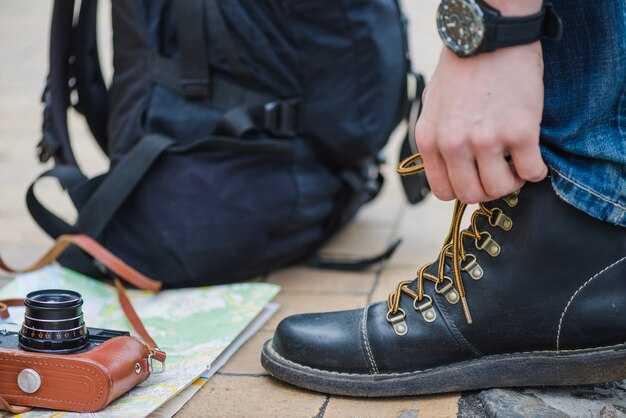
Choose a pair of deck shoes that have a non-slip rubber outsole and siped tread for solid grip on slick decks. Opt for quick-dry uppers–synthetic leather, canvas, or mesh–that shed water easily and dry fast between splashes. A comfortable fit keeps you stable over the rail and moving with confidence, while a secure lace or strap prevents the shoe from shifting as the boat heels.
Sock considerations: on warm days, go sockless or wear moisture-wicking liners; in cooler, damp climates, choose thin socks with a light heel grip. A suitable sock reduces friction, prevents blisters, and keeps feet dry all day. If you wear socks, bring a spare pair in your space so youve always got dry options.
Care and storage: rinse after salt spray, air-dry away from direct heat, and keep shoes free of grime. Store them in a dry, ventilated space and rotate pairs so you don’t wear the same shoe every trip; this keeps performance consistent and extends life, with wear kept to a minimum.
Packing tips: depending on climates, you may bring more than one pair – one lightweight quick-dry option for hot days and a tougher, breathable choice for rough weather. Keep the footwear in a bag or locker and avoid piling gear on top of them; a small, breathable bag works well, and you can shop online if you need a replacement. If you forget to pack them, you’ll scramble for options, so add a quick checklist before you head out. This approach helps when you move between similar waters or climates.
Small reminders: hair tied back to avoid snagging while you tie laces; bringing a spare cleanup cloth helps with damp residues. A light sweatshirt can bridge cool evenings, while whatever the condition, having a trusted pair will cut down hassle and keep you comfortable.