


 Ελληνικά
  English (UK)
  Русский
  العربية
  日本語
日本語  한국어
한국어  Magyar
  Türkçe
  Español
  Čeština
  Svenska
  Português
  Suomi
Suomi  Nederlands
  Română
  Italiano
  Français
  Polski
  Українська
  Deutsch
  简体中文
简体中文  Slovenčina
  Τι πρέπει να γνωρίζετε πριν βγείτε βαρκάδα με σκύλους – Απαραίτητες συμβουλές ασφαλείας">

Always strap a well-fitted vest for your dog before departure. Keeping the crew balanced reduces the chance that your crew becomes fatigued or hurt when waves roll in. This first step protects everyone on the whole boat, especially when surfaces shift and your canine moves abruptly aboard.
Plan your trip around calm-water conditions, and map out a clear route from the marina to keep everyone on an even keel. Bring materials such as a collapsible bowl, fresh water, leash, non-slip mats, sunscreen, and a compact first-aid kit. Keeping gear organized equally distributes weight, reducing the chance of slips, and sets up another safe opportunity for rest or a shore stop if needed.
When sun heat rises, shield skin with sunscreen and take shade breaks; offer fresh water and a cool, ventilated space to prevent sunburn and overheating. A shaded area helps reduce symptoms like excessive panting, vomiting, or disorientation. If surfaces become hot, move slowly and maintain a low center of gravity to avoid accidents; always monitor stomach comfort and provide small sips as needed.
Pay attention to signs of fatigue or distress; if your pet seems fatigued or hurt, end the ride calmly and head toward shore for rest. Each stop is another opportunity to check paws, hydrate, and assess mood before resuming. Use a vest for the dog at all times and keep surfaces dry to prevent slipping; this might reduce the chance of an accident and keeps the whole crew confident.
Docking readiness should include checking local rules at the marina and ensuring a calm approach so everyone aboard matches the pace. Maintain a sensible plan for weather shifts, and have a backup route to shore for any sudden change; this preventative approach gives you one more opportunity to prevent stress or injury, and ensures the trip remains safe for all.
What to Know Before Boating with Dogs: Safety Tips and Gear Checklist
Put a USCG-approved life vest on the canine companion and secure a short tether to a stable point on the boats deck prior to departure.
Carry a harness designed for water travel, a spare towel, collapsible bowls, fresh water, and a veterinarian-approved first-aid kit for furry travelers. Check fit by sliding two fingers between the neck and harness; ensure the vest sits snugly around the chest and ribs.
Practice on land and near the dock to mind their comfort; dont exceed their tolerance; avoid sudden moves; reward calm behavior to encourage safe movement aboard; if theyre anxious, extend practice sessions gradually, and consider consulting a veterinarian or even an acupuncture practitioner who specializes in animals for holistic support.
Provide constant access to clean water and a shaded resting place; dont forget to read your canine’s stress signals–understand signs like panting, drooling, and stiff posture; avoid leaving dogs on deck in direct sun; check deck temperature and offer a swim break if theyre overheated or eager to relieve themselves by hopping into the water.
Verify travel policy at marinas or parks for canine access and leash requirements; keeping a human handler nearby; secure the companion when docking; avoid prone areas near the rail; keep canines away from fishing gear during trips.
Be ready for falling or slipping; inspect deck for slick spots; use non-slip mats; have a plan if a dog falls overboard: steer toward them, throw a floatable toy, and guide them toward the stern. Bring a veterinarian contact if issues happen; maintain environment around to prevent stress.
Keep gear stowed to prevent chafe; bring a travel bag with paw-protective booties, dog-safe sunscreen for light coats, and microfiber towels for drying after a swim; during travel, keep clear of fishing boats and marina traffic to prevent entanglement; secure items to prevent them from sliding and causing a dog to fall; this also reduces risk and keeps the crew minding safety.
At home, gradually expose your canine to small trips on the water to build tolerance; this article offers a practical framework to build confidence on trips, starting with short jaunts and gradually increasing duration; monitor for signs and adjust the plan to keep the travel enjoyable.
Theyre ready for adventures when prepared: believe in consistent routines, mindful handling, and respect for environment; with proper planning, the furry companion can sail with you on many trips.
Dog-Friendly Boating: Practical Safety Tips
Always fit an approved vest on each canine companion and keep short leashes when stepping onto or off boats; this setup reduces fall risk and helps you maintain control as waves roll.
Use a crate during transit and rest breaks; choose a crate made of synthetic materials and ensure proper ventilation; add a soft mat that is removable for washing.
Make sure there is enough fresh water and a spill-proof bowl; schedule short breaks to check paws and comfort, offer water at regular intervals and shade when parked at the marina.
Consider breeds and breed differences; smaller breeds may need more frequent breaks or a larger safe area in sun; tailor gear to the animal.
Keep the deck clear of obstacles; train basic commands such as sit, stay, and come before trips; encourage calm behavior and respect the environment on deck. If fatigue appears, take a break.
Plan for injuries: pack a first-aid kit with antiseptic wipes, gauze, towels; seek veterinary care if bleeding, limping, or obvious pain occurs.
Practice on dry land and gradually extend sessions; the experience should be positive to avoid fear or being excited; give treats and use leashes to guide excited pets. Market guidance: choose pet-friendly gear; read reviews; invest in a robust vest and sturdy crate; discuss options among others who share similar needs.
Pre-Trip Health Checks and Identification
Schedule a veterinary exam and update identification today. Verify vaccines are current, confirm a microchip is registered to your contact, and keep proof of shots in a travel pouch. That simple check supports their lifelong health and keeps the family confident for the trip, making it more enjoyable.
Perform a hands-on health check on departure: examine coat, eyes, ears, gums, and mobility; verify hydration and observe appetite and energy. Check for signs of illness, coughing, or lameness; on warm days, monitor for overheating and move to shade. Never leave a dog unattended on a docked vessel or near water. Plan short walk sessions today. Pack enough toys and a feeder for longer trips to keep them occupied. Ensure space in crate or cabin for rest.
Identification kit: collar tag updated with current number; microchip registration on file; carry a printed copy of microchip ID and owner contact. Pack toys to help boredom, a feeder for meals, and ensure enough space in crate or cabin for resting. Keep a spare leash and a travel gear bag that holds ID, medicines, and a basic first-aid kit.
During travel, use a harness and leash when moving around; ensure every dog has a card with owner contact; practice recalls near water to obey commands. Place a comfortable bed in a quiet space, and docked boats should have shaded areas.
Check forecast and plan for shade and ventilation; on hot days, provide ample water and a cool resting spot to prevent overheating; watch signs of distress.
Practice short obedience sessions, focus on recall and obey cues; consistent training today improves safety and enjoyment.
Choosing and Using a Towel and Slip-Free Mat
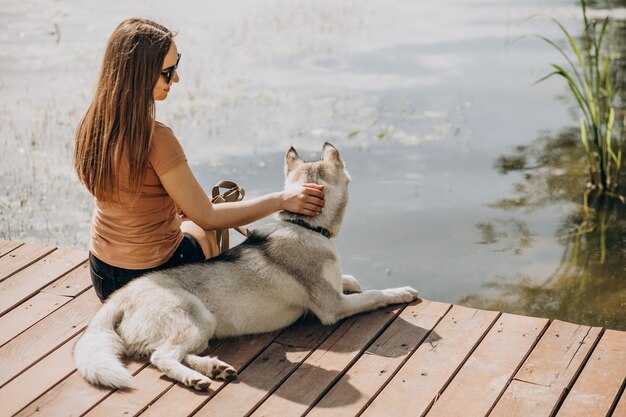
Always cover the entry path by placing a towel and slip-free mat on the deck during loading. This reduces slip and trip risk, aids dry paws, and lowers injury chances as waves rock the craft.
Size and materials matter. Pick a towel large enough to span the doorway and a mat with a stable backing. A 40×60 inch towel or larger works on most boats; microfiber dries faster than cotton and resists snagging on fur. Avoid fake mats that claim grip but wear quickly; test grip by stepping on it using a boot when docking.
Place the zone at the shore entry, the cabin door, or any path dogs use after jumping from waves. After a swim, dry paws on the towel, leash secured, and the line kept clear to prevent tangles. Keep toys away from the entry area to avoid distractions that could lead to a walk or running surge. Going near a lake or during fishing breaks, explore the area calmly rather than rushing, and stay mindful of exposure to sun and salt water.
On hot days, dampen the towel to help cool a dog that shows signs of overheating; never leave a pet in direct sun on a hot deck. A vest can add visibility and keep the animal warmer when moving between cooler shade and the shore. Health checks occur during every use: watch for slipping, licking, or hesitation that signals fatigue or heat stress. Careful handling prevents injury during jumpy or slippery transitions, especially when a dog is swimming or near moving water.
Maintenance is simple: rinse after lake or ocean exposure, wash in the market with other towels, and air-dry away from direct sun to prevent mold. Store in a dry spot, away from bathroom line of spray, so the system stays ready for the next trip. Keep things organized, as a tidy setup makes the experience safer, faster, and more enjoyable for all aboard.
| Option | Material | Size | Typical Grip | Best Use |
|---|---|---|---|---|
| Towel, cotton terry | Cotton terry | 40×60 in | Moderate | Drying paws, absorbent floor coverage |
| Towel, microfiber | Microfiber | 30×60 in | High | Fast drying, compact |
| Rubber-backed mat | Rubber backing | 18×24 in | High | Doorway entry, slip resistance |
| Silicone-backed mat | Silicone backing | 24×36 in | Very High | Dock entry, stable surface |
Proper Life Jacket and Leash Setup for Canines
Choose a lifejacket that is USCG-approved and sized to your dog’s girth, then fit it on land prior to any lake trip.
- Fit and comfort: Pick a model featuring an adjustable chest strap that sits behind the front legs and a snug stomach wrap, so the dog can breathe and move freely. The fit should allow a comfortable range of motion for commands and daily activities.
- Construction and protective features: Ensure flat webbing, quick-release buckles, and a back handle for rescue. A reflective panel helps you notice your dog at a glance on land or water.
- Leash integration: Attach a short tether to the lifejacket’s back handle and clip it to a secure deck anchor or a collar-sized loop; keep the leash length in the amounts of 1–2 feet (30–60 cm) to maintain control without restricting natural movement.
- Training and obedience: Start on land using basic commands (sit, stay, heel) and gradually introduce water exposure; also focus on obeying commands, and begin these routines today.
- Fit test and acclimation: Do a buoyancy check in shallow water to ensure airways stay clear; watch for any tugging or chafing around the stomach area. Adjust straps if needed to avoid rubbing or pinching.
- Sun protection: If your trip includes sun exposure, apply sunscreen to exposed areas such as the nose and ears and recheck the coating after splashes.
- State compliance and etiquette: Some states require specific leash lengths or lifejacket use on certain water bodies; verify local rules before heading out.
- Care and maintenance: After each trip, inspect seams, straps, and handles for wear; take care to address needed repairs promptly to prevent an accident on a future voyage.
- Home readiness: Practice these practices at home first, then take the road and head toward the lake for your next trip; a calm, well-prepared dog is less excited and easier to manage.
Hydration, Shade, and Temperature Management on Deck
Place a fresh bowl of water within reach and refill every 15–20 minutes during bright sun, especially on longer outings. This practice helps make hydration feel automatic, reducing dehydration risk. Lessons from many trips show thirst cues can lag behind actual needs, leaving canines at the mercy of heat rather than enjoying the ride.
Deploy shade gear such as a canopy or shade cloth on the aft deck to create a cool retreat, especially on clear days under strong sun. Rotate a four-legged companion into the shaded zone every 15 minutes during peak sun, and aim to keep deck temperatures under 85°F (29°C) whenever possible.
Keep temperature under control by adding cooling options: damp towels, clip-on cooling vests, and cooling mats placed in shade. Open opposite hatches to generate a cross-breeze and avoid humid, stagnant air. For fishing trips or longer outings, plan extra rest breaks and lower pace on hot days.
Watch for symptoms such as heavy panting, drooling, weakness, vomiting, or staggering; if signs appear, rescue the situation by moving to shade, offering small sips of fresh water, and applying cool towels to the neck and chest. Avoid ice-cold water and never allow seawater intake; rely on gradual cooling and seek veterinary care if the condition worsens. Fake signs can mislead handlers; rely on real symptoms.
Post-outing checks form a key practice: inspect legs for signs of heat rash, swelling, or fatigue; assess paw pads for burns from hot decks; adjust hydration plans for the next outing; also introduce a short debrief for the team to improve plans.
Breed considerations matter: brachycephalic breeds require extra shade and slower pacing; weather shifts should trigger shorter legs and longer rests. Believe in gradual acclimation during season changes, and tailor plans to age and fitness.
Gear checklist for on-deck care: bowl steady on a non-slip mat, portable shade, a lightweight rescue vest for four-legged travelers, and a small cooler with fresh water and ice to maintain chill drinks. Also train the team to cue a water break and to check legs and coat during every outing.