


 Ελληνικά
  English (UK)
  Русский
  العربية
  日本語
日本語  한국어
한국어  Magyar
  Türkçe
  Español
  Čeština
  Svenska
  Português
  Suomi
Suomi  Nederlands
  Română
  Italiano
  Français
  Polski
  Українська
  Deutsch
  简体中文
简体中文  Slovenčina
  What to Bring on a Sailing Charter – Your Essential Packing List">

Pack a compact, quick-dry day bag for the first day on board. This common setup keeps a tight focus on what you actually use at the berth and helps you avoid forgetting key items as you move between decks.
The clothing kit should vary by climate, but keep a barebones core: quick-dry shirts, a light fleece, a rain shell, and non-slip shoes. Layering shines for cruising days, and you can adjust for sun and wind on every excursion. If you lack time to shop, check availability of items on board, and plan to spend a little on a couple of quality pieces you’ll reuse trip after trip.
Keep sunscreen in a quick-access pocket, plus lip balm with SPF. Pack a compact headlamp or flashlight, a whistle, and a small first-aid kit. Your proficiency with sailing protocols grows when you practice safety drills; knowing where to find life jackets and how to respond, especially during night checks.
Electronics need protection: bring cables, adapters, and a waterproof case for phones and cameras. A reusable bottle, a compact towel, and a sleep mask help you rest between shifts. Store valuables in a dry bag in a cabinet or locker, following crew protocols and availability. Plan to spend a few minutes organizing cords and chargers so you stay productive at sea.
Before departure, run a quick checklist with your crew to confirm your gear covers all basic needs. A thoughtful selection saves time, keeps you focused, and makes every day on a sailing charter smoother, especially during busy cruising days and when you head out on an excursion.
Sailing Charter Packing Guide
Pack a compact waterproof shell and a warm fleece for mediterranean winds; a pair of non-marking deck shoes keeps traction on catamarans and monohulls alike.
For preparing your wardrobe, assemble outfits for each day: 2 quick-dry shirts, 2-3 pairs of shorts or lightweight pants, 1-2 long-sleeve sun shirts, a swimsuit, a sun hat, and a windproof layer. Layering makes it easy to adapt between shore excursions and offshore passages.
Make a safety and gear list: life jackets for everyone, a whistle, a reliable VHF radio, spare batteries, a waterproof pouch for devices, a basic first-aid kit, and a compact toolkit. they expect this equipment on board, and you can provide peace of mind by keeping items within easy reach.
If the boat has a watermaker, track consumption and plan around it; use it judiciously to stretch water across days in port or at anchor. additionally, bring spare filters and a clean supply line if space allows. For beverages and snacks, sugar is handy for quick coffee or tea on early starts; pack a few compact, non-perishable options for longer passages.
To stay connected and informed, pack a lightweight radio charger and download offline charts; stay in touch with friends and crew and listen to local advice from the industry experts at shore stops. Between ports, keep a simple plan, but be willing to adapt to weather and local conditions.
For excursions between ports, keep a flexible schedule to visit charming towns and meet friends along the way; plan a goal to balance sailing time with leisure and seafood tastings, and adjust as needed.
Finally, assemble a compact carry-on with essentials: passport, medical info, emergency numbers, cash for small ports, and a small travel kit. This packing approach mirrors similar charters and helps you start smoothly on catamarans and other boats.
What to Bring on a Sailing Charter: Practical Packing List and Destination Ideas
Start with a focused pack: a well-organized luggage setup – one main bag per person plus a small daypack – and a shared tote for provisions and crew gear. Keep essential items in a personal bag for easy access during hours aboard.
Core packing list
- Luggage and organization: one main bag, one lightweight daypack, a small dry bag for valuables, with name and area labels; use packing cubes to separate clothing by type.
- Clothing and sun protection: quick-dry shirts, swim trunks, light trousers, a windbreaker, a fleece layer, a wide-brim hat, sunglasses, reef-safe sunscreen (SPF 30+), and a microfiber towel.
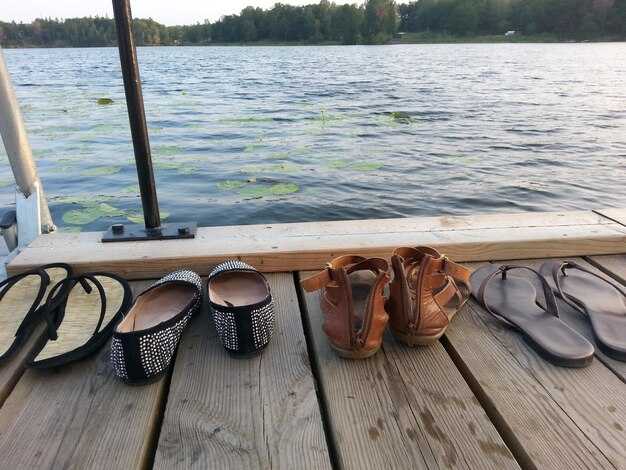
- Footwear: non-slip deck shoes or boat sandals, water shoes for shore visits, and spare socks.
- Accessories and safety gear: personal life jacket if you prefer your own, seasickness remedies, a compact first-aid kit (bandages, antiseptic wipes, scissors), a small flashlight, and a multitool.
- Electronics and documents: passport or ID, sailing licenses if required, offline maps on your phone, waterproof phone pouch, chargers, adapters, power bank, and a compact camera or action cam if you like.
- Health, well-being and hygiene: medications, vitamins, hand sanitizer, wet wipes, biodegradable soap, toothpaste, toothbrush, and a quick-dry towel.
- Provisions and kitchen supplies: personal snacks, electrolyte packets, sugar for coffee or tea, a reusable water bottle, tea or coffee sachets, and a small stash of energy bars; coordinate with the crew on weekly provisions.
- Other handy items: a spare key for the cabin, note pads, and a plan for tipping expectations with the company if youre unsure.
Destination ideas and how to tailor your pack
- Caribbean and Bahamas: steady trade winds and protected anchorages call for lightweight clothing, reef-friendly sunscreen, and a compact rain shell. Plan short hops between islands, and use local stores for fresh fruit and snacks; bring offline maps and a small spare battery so you’re never off-grid.
- Mediterranean coast (Greece, Croatia, Italy): hot days and mild nights mean breathable fabrics and a couple of light layers. Full-service harbors offer chandlers and stores for provisions; keep a water bottle handy and shade from a hat; you’ll often find good markets for local cheese, bread, and fruit. Use maps to chart port calls and a few shore excursions, then rest on deck as the wind picks up in the late afternoon.
- South Pacific and Indian Ocean routes: longer passages demand extra provisions and robust safety gear. Pack a larger dry bag for electronics and personal items; verify fuel and water arrangements at remote stops, and rely on online orders for spare parts or specialty items if needed. Keep well-being in focus during crossings; plan for a few hours of leisure and four-hour watches to balance activity and rest.
Layering Strategy: Base, Mid, and Outer Layers
Begin with a breathable base layer next to skin, add a warm mid layer, and finish with a windproof outer shell to stay comfortable on long passages. Over years of coastal charters, this three-tier approach supports preparedness for rapid weather changes on a bareboat charter and keeps your packing simple.
-
Βασικό Επίπεδο
- Choose moisture-wicking fabrics (merino wool or synthetic) that stay close to the skin and dry quickly.
- Pack 2–3 lightweight tops and 2 lightweight bottoms to keep your gear smaller and flexible for changing activities.
- Avoid cotton; it traps moisture and slows drying, which reduces comfort during windy watches.
- Being comfortable on deck helps you feel ready during long watches.
- Keep sunscreen accessible and apply as needed when you’re out on deck; base layers work best with sun protection on exposed areas.
- Care: base layers wash quickly and dry fast, so you can refresh between days in port.
-
Mid Layer
- Choose a warm, lightweight mid layer such as fleece or a thin insulated jacket that traps heat without bulk.
- A single mid layer can be worn over the base layer in cooler conditions or shed when the sun warms the deck.
- Opt for a compact piece you can stow in a pocket or small bag; portable warmth matters when you move between cabins and decks.
- On longer trips, a mid layer reduces the need for an expensive outer shell on milder days; you can stay comfortable without overpacking.
- For mornings, a compact portable nespresso setup fits in a small kit and keeps you fueled before first watches.
-
Outer Layer
- Pick a windbreaker or windproof, waterproof shell to block spray and gusts; ensure it fits over the mid layer.
- Choose a compact, packable design so you can stow it in a deck bag when sunshine returns.
- Outer layer depends on forecast; in calmer, warmer days you may skip heavy protection, but keep a light layer for sea breeze evenings.
- Keep communication in mind: a bright color or reflective accents helps you stay visible if you move along the deck during swells.
- Store snacks and food in accessible pockets of the outer layer so you stay fueled during long watches.
- Layering requires thoughtful packing and avoids overloading the cabin with gear.
Deck Footwear: Non-Slip Shoes and Common Pitfalls

Recommendation: Wear non-slip deck shoes with a grippy siped rubber outsole and a snug, secure fit. Choose an appropriate material that dries quickly–leather and synthetic blends work well–so you can move after splashes and on wet surfaces with confidence.
Prefer shoes with closed toes and a low-profile toe bumper to protect against bumped toes near lockers and railings. Avoid running shoes with smooth soles, flip-flops, or fashion loafers that slip on wet teak. For guests on first-time charters, suggest a single pair you know delivers reliable grip in wind and spray.
Care and maintenance: rinse salt from the outsole after a visit to islands or harbors, pat dry, and store in a portable bag or vented pouch to prevent odor. If you plan extended stays, rotate pairs so they dry fully between shots on deck and shore excursions.
Pitfalls to avoid: Do not rely on cotton socks alone; moisture-wicking socks help keep feet warm and comfortable during long watches. Do not wear shoes with exposed stitching that can snag lines or rigging. Ensure laces stay tied when you lean to brace against gusts, because a quick stumble contributes to distress on deck.
For windward days, have a compact windbreaker on hand; it protects ankles from spray and cold when you visit the shore after a swim. A pair of spare soles in a portable bag is ideal for guests who want to switch with the changing weather.
During island hops or marina visits, keep decks free of clutter; that helps authorities and crew maintain safety standards and reduces slips that can trigger a ripple of tensions among people onboard. The goal is a fair, comfortable, safe movement that supports your plans and keeps the bill for repairs low.
Bottom line: choose footwear that stays on your feet, dries quickly, and provides sure footing on slick varnish surfaces. An ideal routine includes pairing with warm, quick-drying socks, avoiding sharp objects in pockets, and ensuring guests know where to store damp shoes after a shot of sightseeing on deck.
Sun, Safety, and Personal Gear: Hats, Sunscreen, Sunglasses, and PFDs
Wear wide-brim hats and UV sunglasses on deck from the first light to sunset; sun exposure can spike quickly on a catamaran in croatia- waters.
Apply reef-safe sunscreen with SPF 30–50, broad-spectrum, and water-resistant for at least 80 minutes; reapply after swimming or sweating. Keep a travel case with a couple of bottles near your luggage for quick touch-ups.
Choose sunglasses with UV 400 protection and polycarbonate lenses; go for wraparound styles or secure straps so they stay on during spray while exploring coves.
The plan is to provide PFDs for all guests; ensure a proper fit by adjusting straps and testing the quick-release buckle before heading out.
Hydration matters: drink water regularly and carry a reusable bottle within reach on deck. Store luggage and smaller items in dry bags or approved cases; if you bring a nespresso travel mug, keep it in a secure case to prevent leaks.
Protocols and rules ensure safety; everyone should stay informed about local rules and sailing procedures. During activities, share sunscreen with neighbors and keep close to your bases to avoid losing gear overboard.
Living aboard means embracing basics on most days: respect for sun protection, easy access to PFDs, and a simple accessories kit that includes a dry case and travel-sized items.
| Item | Recommendation | Σημειώσεις |
|---|---|---|
| Hats | Wide-brim, UPF 50+, secure fit | Keep on deck during most activities |
| Sunscreen | Broad-spectrum SPF 30–50, water-resistant | Reapply after swimming or towel dry; reef-safe formula |
| Sunglasses | UV 400, polycarbonate lenses | Wraparound or strap helps prevent loss |
| PFDs | Type III, properly fitted | Test fit before departure; adjust straps |
| Hydration & accessories | Reusable bottle; dry bag; accessory case | Drink regularly; case keeps items organized |
| nespresso travel mug | Optional; leak-proof | If you bring one, store in a secure case |
Tech Gear and Power: Chargers, Waterproof Cases, and Apps
Pack a high-capacity USB-C power bank (20,000–26,000 mAh) with two outputs and a fast-charging cable kit. This keeps phones, GPS, VHF radios, and action cams alive across long days on yachts and boats as you sail. Bring a second compact charger so you can charge both the crew’s devices when docked.
Choose rugged waterproof cases for phones, tablets, and cameras. Look for IP67 or IP68 sealing and a slim lanyard; keep devices safe from splashes and rain while you move through the cockpit and around the berth in waters near the vessel.
Install offline maps, weather alerts, and fleet-tracking apps you can use without data. Save charts for exploring waters, and set alerts for wind shifts and approaching fronts; with these apps you focus on activities and other planning details instead of fumbling through papers.
Keep a cable kit ready at the berth so you can top up devices between watches. If you are in remote bases, a solar charger or car-charger adapter helps you stay powered during long passages. This is especially useful when winds pick up and you switch to backup devices in the cockpit.
Respect safety by carrying a simple power-management plan and share it with crew. Have a waiver ready for app use on the water and a money-conscious budget set aside for emergency power needs; being prepared keeps the focus on sailing and activities rather than gear failures.
Bags, Packing Tactics, and Boat Constraints: Space, Organization, and Storage
Start with a compact, waterproof daypack that stays aboard and a separate dry bag for valuables. Keep docs, meds, sunscreen, and a light layer there so you’re ready for quick excursions; follow instructions on liquids and batteries to protect contents.
Boat constraints demand space discipline: choose soft, foldable bags instead of hard suitcases and compress gear into labeled pockets. Use a small carry-on for clothing and daily needs, with locks so items store neatly in cabin shelves and lockers accessible from both sides of the boat. Years of cruising have shown that a lightweight, modular setup makes trips smoother. To ensure space efficiency, place frequently used items in lower, easy-access pockets.
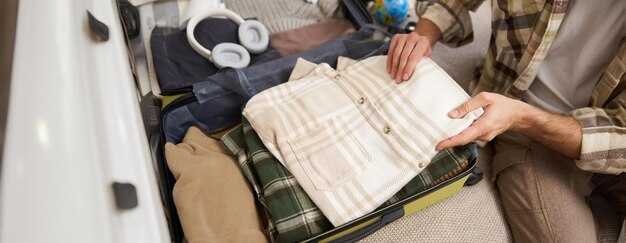
Roll clothing to maximize space, use packing cubes, and label compartments so a crew member can grab what you need without dumping your bag. Basics include underwear, socks, swimsuits, lightweight layers, and a smart-casual outfit for dinners on deck. Aim for an ideal mix of warm-weather layers and swimwear. Pack adequate toiletries in travel-size containers and a reusable bottle for drink refills.
Guard against sun and rain: a lightweight rain jacket, a wide-brim sun hat, and UPF clothing reduce sunburns. Keep a thorough checklist close; store a spare shirt and a compact towel for quick changes after water-based excursions.
Islands calls bring a few extra tips: a small day bag for shore trips, a camera bag for shots, and a plan to rinse gear at island stores. Planning ahead helps you stay ready and avoid overpacking. For onboard days, keep products like reef-safe sunscreen and insect repellent in a dedicated pocket so they wont spill.
Before you depart, do a thorough, quick scan of plans with someone in your party to verify all basics are covered: clothing, batteries, adapters, and medical supplies. This aspect keeps the crew comfortable aboard and reduces last-minute dashes to stores.