


 Ελληνικά
  English (UK)
  Русский
  العربية
  日本語
日本語  한국어
한국어  Magyar
  Türkçe
  Español
  Čeština
  Svenska
  Português
  Suomi
Suomi  Nederlands
  Română
  Italiano
  Français
  Polski
  Українська
  Deutsch
  简体中文
简体中文  Slovenčina
 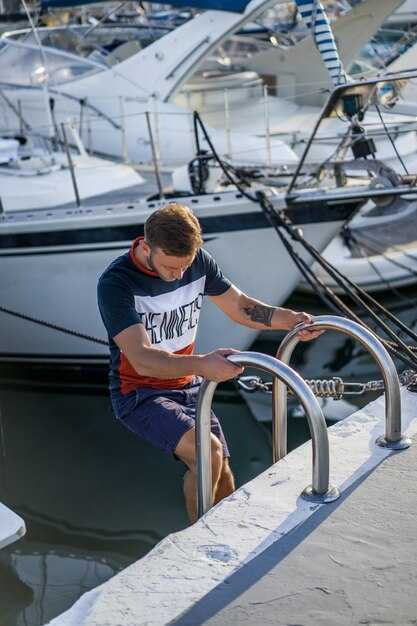 What Is the Transom on a Boat? Definition, Types, and Purpose">

Take this as a rule: the transom is the stern closure that anchors a boat’s propulsion and seals the hull. It is the main mounting point for an outboard motor, and it must carry the thrust without bending or leaking. When you inspect it, look for cracks, soft spots, or signs of water intrusion in the νερά around the stern–these indicate delamination or rot that can undermine safety and increase maintenance costs. A strong transom prevents leaks and frames where the captain attaches gear, so address issues early rather than waiting until a trip is underway. Understanding this point sets the tone for reliable boating from the first moment.
Transoms come in several forms to fit different hulls. A flat transom gives a clean, flush surface for outboard mounting, while a raised or sloped version helps shed spray at higher speeds and can increase buoyancy spans along the stern. Some modern builds integrate the transom with the motor bracket or with steps for boarding, which reduces weight and improves rigidity. For sail setups, a transom may be recessed or even feature a fold-down platform; though it doesn’t host a motor, it still handles waves and wakes.
Understanding the means and purpose helps you choose wisely. The transom transfers the engine’s thrust into the hull, keeps stern buoyancy balanced, and provides a secure point for mounts, ladders, and trim gear. The difference between a transom and a simple stern plate is thickness and reinforcement: a well-built transom has multiple layers of fiberglass, resin, or composite that resist flexing under load. For fishing και boating, this can be the difference between a safe trip and costly downtime.
Maintain proactively: inspect annually and after hard hits or grounding. Check for cracks, soft wood, moisture behind gelcoat, corrosion around mounts, and loose fasteners. If you find any sign, plan repair before you mount a motor or trailer. Use proper marine epoxy, fiberglass mat, and fairing compound; mismatched patches can create weak spots that worst attempts won’t fix. Inexpensive temporary fixes are worthless; replace compromised sections or the entire transom.
Your maintenance plan should adapt to fishing, cruising, or racing. If you regularly fish, you may need stronger mounts and extra reinforcement around the transom to handle heavier gear and thruster loads. Sailboats still need a sturdy transom to shed νερά and support stern fittings; though you do not mount a motor, a solid transom reduces flex that can distort rudder fittings over time. This shows how the means of design matter for different boating styles.
Practical steps: measure the transom thickness, check spans dimensions, confirm motor bracket compatibility, and consult a captain or professional if you find damage. If you plan to upgrade, know your boat’s original spans and load rating; follow the manufacturer guidelines, and adjust your maintenance schedule accordingly. nitzan, a veteran captain, reminds you to inspect, not guess, and to keep the transom dry and tight.
Transom on a Boat: Definition, Types, and Purpose

Always choose a marine-grade transom with a sturdy structure and vertical stiffness, and verify the fiberglass sheets around a solid core remain intact. Unless you see moisture intrusion or soft spots, the transom should feel solid when pressed and you’ll find no cracks at engine mounts; this indicates the transom is stronger and reliable for mounting heavy gear.
Transom types include: solid transom with no core, which is simple and strong; coring transom that uses a marine-grade core between fiberglass sheets to save weight, offering good stiffness; and aluminum transom for high-strength, corrosion resistance. A coring design suggests benefits but requires proper sealing to prevent moisture entry between the core and skins. Each type has its part to play in overall hull performance, and which one you choose comes with maintenance implications.
The transom acts as the stern structure, transferring engine thrust into the hull and providing mounting points for brackets, lights, and trim. It defines the angle of the stern and, when well built, helps the hull stay true in rough water. Between the hull and the transom, even distribution of load improves handling around corners and during acceleration.
To tell if a transom is sound, look for cracks around fittings, moisture staining, or delamination in coring. Feel for flex by pressing the area (caution) and check vertical alignment; ensure the transom is aligned with the hull. Inspect engine brackets and fasteners; make sure screws seat with backing plates to distribute load between solid skin and core, which helps the engine stay secure while the boat moves around waves.
Maintenance and repair: if coring is compromised, remove the engine, replace moisture-damaged core with a marine-grade substitute, reseal, and re-fiberglass. If you upgrade engines or add a heavy bracket, consider reinforced transom sections to offer stronger support. Always follow the instructor‘s guidelines and consult an article for step-by-step procedures; use correct fasteners and anti-corrosion treatments around screw holes to protect the structure.
What the transom is and where it sits on typical hulls
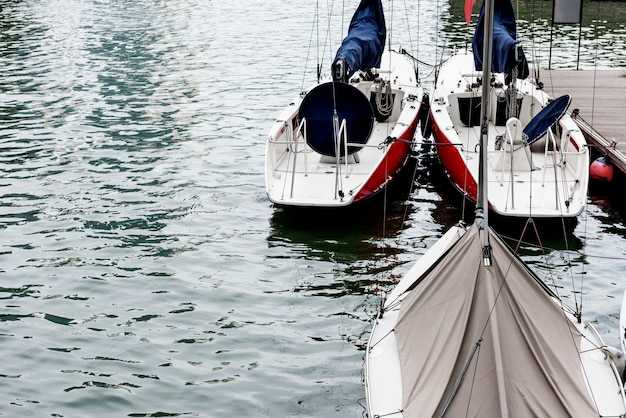
Get a sturdy, properly mounted transom to protect your hull integrity and keep your equipment secure.
The transom is the stern closure of the hull. On a fibreglass hull it is a reinforced panel that forms the back wall of the cockpit or stern deck and provides a solid base for mounting hardware. It helps transfer loads from the deck to the hull, improving strength and protection against damage during docking, maneuvering, or navigating heavy seas.
Where it sits on typical hulls: at the stern, aligned with the deck and cockpit, and often behind the stern deck. It usually carries the outboard motor mounting bracket or rudder post as applicable, and it may integrate with the deck to maintain space and water-tight integrity. The transom should be mounted to internal stringers and knees for extra stiffness, especially on larger boats. This setup keeps the hull sturdy and protects the hull-to-deck joint and deck edges from impact.
Types to know and what they imply:
- Vertical or flat transom: provides maximum space for a conventional outboard and easier maintenance; widely used on many center-console and sailboats with stern engines.
- Sloped or raked transom: reduces drag slightly and can offer a more ergonomic line for boarding; still provides space for mounting hardware though some stern shapes reduce space for big engines.
- Stepped transom: used on high-performance boats to optimize strength-to-weight and provide extra protection against splash and minor impacts.
- Difference between flat and sloped transoms matters for space, mounting height, and how you access the engine or rudder–choose based on your hull type and sailing plans.
Maintenance and practical tips:
- Inspect transom mounting bolts and knees at least once per season; corrosion can undermine strength and integrity.
- Check the fiberglass layup around the transom for cracks or moisture; address damage promptly to avoid water ingress or boundary damage.
- Keep the deck around the transom clean and dry; non-slip protection helps prevent damage to crew and equipment when moving on deck.
- Choose a mounting profile that matches your sail plan; for instance, an outboard on the transom needs a robust bracket and good access to the space behind the stern.
Example: A 24-foot fibreglass hull with a mounted outboard uses a flat transom with a reinforced knee and a sturdy bracket. This provides space for engine tilt and easy access for maintenance while maintaining deck integrity.
Common transom types: flat, sloped, and stepped designs
Choose a flat transom when you need maximum space for a wide swim platform and straightforward motor mounting; this setup provides a solid base for powerboat configurations and supports a clean, uncluttered deck for boating activities. Always verify the transom width and mounting height to match the engine, and reinforce the structure to supports repeated loads. Only flat transom setups give you the largest uninterrupted space behind the motor.
Flat transom design features a vertical stern face, providing a broad mounting area for outboard motors or stern drives. It supports a wide deck edge and, in many models, a built‑in platform or rinse station. Typical transom widths vary with boat size, and the mount plate should align with the deck and hull. Proper reinforcement is required to handle engine thrust and loads, and the design is common on powerboat and other boating platforms.
Sloped transom angles the stern surface outward or downward, which helps spray drain away from the deck and can improve high‑speed handling. This design preserves space for a platform or small swim step, while keeping enough room for captain to maneuver. Unless you need maximum platform area, a shallow slope offers a good balance between access and splash control. This design is also favored in modern cruisers and sport boats.
Stepped transom design originated in performance boats to improve water flow and provide a built‑in platform. It adds one or more steps along the transom face, creating a recessed area that can serve as a swim platform or rinse station. This approach increases space behind the motor and adds a place to stand or board from the water. Ensure the step supports and inner frame are properly engineered to handle load and wave action, especially on such powerboats where the engine is mounted on the transom.
| Transom type | Design feature | Best use | Pros | Cons |
|---|---|---|---|---|
| Flat | Vertical face at stern | Powerboats, sport boats; wide space for platforms | Max space, easy mounting, straightforward build | Spray drainage may be limited; requires solid reinforcement |
| Sloped | Angled face | Day cruisers, boats needing splash control | Better drainage, clearer deck edge for captain | Less mounting width; potential height constraints for some outboards |
| Stepped | Steps integrated into transom | Boats with compact sterns needing extra platform | Extra space for platform, easier water entry | More complex construction, weight and balance considerations |
How the transom supports stern hardware and affects hull strength
Use this setup: fasten stern hardware to reinforced transom with backing plates and stainless fasteners; this reduces motion, keeps the deck aligned, and leads to stronger boats overall. For larger stern assemblies, consider multiple transoms to spread loads and provide redundancy; this setup helps protect them from excessive loads during hard revving or debris strikes.
The transom provides the load path for heavy stern hardware, and the knees and fibreglass structure transfer those loads into the boat’s core. Many boats rely on this arrangement to spread loads. Essentially, the transom acts as the anchor for outdrives and other stern hardware; if it flexes, the forces push into the hull, causing cracks and reduced stiffness.
Κοίτα at where the transom meets the hull: inspect for delamination between fibreglass layers and the transom core, check for flex around mounting points, and press on the surface to spot soft spots. If you find any, repair immediately or replace the transom assembly to prevent further damage.
Tips: ensure the structure around the transom has enough support from deck framing and knees; use backing plates and a deck joint that spreads the load across multiple fasteners. The bolts lead loads into the transom and βοηθά prevent cracks, meeting needs for load sharing and stiffness. For stern hardware including outdrives, choose a transom with a reinforced skin next to the mounting zones, and use sealant to keep water out and transfer loads efficiently to the hull.
nitzan notes that a well-built transom holds up under load; источник confirms this through field tests and practical builds.
Επιλογές προστασίας: επικαλύψεις, προστατευτικά και μείωση πιτσιλίσματος
Συνιστάται η εγκατάσταση ενός προστατευτικού για την πρύμνα κατάλληλου για θαλάσσιο περιβάλλον και η εφαρμογή ενός συστήματος επίστρωσης δύο στρωμάτων (επίστρωση πρώτου στρώματος εποξειδικού φραγμού συν ανθεκτικής στην υπεριώδη ακτινοβολία πολυουρεθάνης) για την προστασία της πρύμνας και του κύτους από πιτσιλίσματα, κρούσεις και υγρασία.
-
Επικαλύψεις
- Επιλέξτε μια εποξειδική επίστρωση φραγμού δύο συστατικών για καταστρώματα από ίνες γυαλιού, στη συνέχεια σφραγίστε με ένα ανθεκτικό στην υπεριώδη ακτινοβολία πολυουρεθάνη για να αντέξετε την ηλιακή ακτινοβολία και την τριβή.
- Εφαρμόστε αντιολισθητικές επενδύσεις στην περιοχή της πρύμνης που βλέπει στο κατάστρωμα για να αποτρέψετε ολισθήματα σε υγρές συνθήκες· βεβαιωθείτε για τη συμβατότητα με το gel coat και οποιεσδήποτε υπάρχουσες επιστρώσεις.
- Για τα βυθισμένα τμήματα, χρησιμοποιήστε αντιθαλάσσιες ή αντιβιοφωλικές επιστρώσεις που πληρούν τους τοπικούς κανονισμούς· σχεδιάστε διαστήματα ανανέωσης περίπου 2–3 έτη με βάση τη χρήση και τον τύπο του νερού.
- Παρακολουθήστε το πάχος της επίστρωσης και την πρόσφυση· διατηρήστε ένα στεγνό φιλμ τουλάχιστον λίγων mils ανά στρώση για να αποφύγετε την εμφάνιση φουσκωμάτων και δοκιμάστε την πρόσφυση με ένα απλό διασταυρούμενο σχέδιο πριν από την πλήρη επαναβαφή.
- Εκτιμήστε τον χώρο γύρω από τις εξωτερικές βάσεις στήριξης και ρύθμισης· η ακατάλληλη επίστρωση κοντά στον κινητήρα μπορεί να επηρεάσει τη ροή του αέρα και την ψύξη, επομένως συντονίστε με τον τύπο του κινητήρα σας και τους χωρικούς περιορισμούς.
-
Φρουροί
- Εγκαταστήστε προστατευτικά rub rails ή transom από βινύλιο, καουτσούκ ή φύλλα UHMW για να απορροφήσετε τα χτυπήματα και να προστατεύσετε τα φύλλα από ζημιές κατά τη διάρκεια της πρόσδεσης· χρησιμοποιήστε ανθεκτικά στη διάβρωση συνδετήρες και ένα παρεμβύσματα για να αποτρέψετε την είσοδο νερού.
- Χρησιμοποιήστε φύλλα transom ως θυσιαστική στρώση σε περιοχές με μεγάλη φθορά· πάχος 1/8″ έως 1/4″ είναι κατάλληλο για τα περισσότερα αβέρογλας κατασκευασμένα κύτη και αντικαταστήστε τα όταν η φθορά γίνει αισθητή για να αποφύγετε υποκείμενη ζημιά.
- Λάβετε υπόψη ένα ειδικό καπάκι ή προστατευτική πλάκα για περιοχές με έντονη χρήση κοντά στην παροχέας της μηχανής· βεβαιωθείτε για τη συμβατότητα με τις κινήσεις κλίσης και διεύθυνσης της εξωλέμβιας για να αποφύγετε το μπλοκάρισμα.
- Οι αδειοδοτημένοι εγκαταστάτες μπορούν να επαληθεύσουν την καταλληλότητα και να παρέχουν εγγύηση· να λαμβάνουν μετρήσεις για τον χώρο και να διασφαλίζουν ότι δεν υπάρχει παρεμβολή με το υλικό του σκάφους ή τις οπές πρόσβασης.
- πηγή δεδομένα από δοκιμές δείχνουν ότι οι φρουροί μπορούν να μειώσουν τη μικρή ζημιά κατά σημαντικά περιθώρια· ανατρέξτε στην πηγή καθοδήγησης για τον τύπο του πλοίου σας και χρησιμοποιήστε την.
-
Αντιμετώπιση εκτροπών
- Οι σπλας rails κατά μήκος της άνω γάστρας εκτρέπουν το ψεκασμό μακριά από το πιλοτήριο· ρυθμίστε τη γωνία και το ύψος ώστε να ταιριάζουν στον τύπο του σκάφους σας και στις αναμενόμενες θάλασσες.
- Εγκαταστήστε αποτροπέας ψεκασμού και προστατευτικά καρίνας εκεί όπου η ίσαλος εκθέτεται περισσότερο στον ψεκασμό· για εξοπλισμό εξωλέμβιων κινητήρων, βεβαιωθείτε ότι παραμένει χώρος για το νερό που εκτοξεύεται από τον κινητήρα και το ρεύμα της προπέλας χωρίς παρεμβολές.
- Χρησιμοποιήστε προστατευτικά άκρα ή φύλλα στο κάτω μέρος του transom για να μειώσετε περαιτέρω την επίδραση του ψεκασμού στο κύτος και το κατάστρωμα· βεβαιωθείτε ότι οι άκρες είναι σφραγισμένες και συμβατές με laminate θαλάσσιας ποιότητας.
- Κατά την αναβάθμιση, αντιστρέψτε τη σειρά των βημάτων εάν χρειαστεί για να φιλοξενήσετε υπάρχουσες επιστρώσεις, αλλά μόνο αφού ολοκληρωθεί η προετοιμασία της επιφάνειας και το υπόστρωμα είναι υγιές.
- Δοκιμή σε πολλαπλές συνθήκες για να επιβεβαιωθεί η αποτελεσματικότητα. Μια πηγή από μια συζήτηση θαλάσσης μηχανικής υποδεικνύει ότι η πρακτική ανακούφιση από ψεκασμούς βελτιώνει την άνεση του αναβάτη και μειώνει τη φθορά στο χρώμα του κύτους.
Ανεξάρτητα αν πλέετε, χρησιμοποιείτε μηχανή, ή οδηγείτε ένα ιστιοπλοϊκό με εξωλέμβιο κινητήρα, η καλύτερη προστασία συνδυάζει επικαλύψεις, προστατευτικά και μείωση των ψεκασμών με τρόπο που ταιριάζει στον τύπο του σκάφους σας (ισχύος, ξύλινο ή σύνθετο), τη διάταξη των εξαρτημάτων και τον χώρο για υλικό. Επιλέξτε πολλούς τύπους προστασίας για να εξασφαλίσετε μια ισορροπημένη άμυνα έναντι ζημιών και μακροπρόθεσμη συντήρηση, διατηρώντας παράλληλα την πρόσβαση για επιθεώρηση και σέρβις. Σημειώσεις πηγών και αδειοδοτημένοι εγκαταστάτες βοηθούν στην προσαρμογή του σχεδίου στις γάστρες και τη διάταξη του εξωλέμβιου κινητήρα σας, οπότε συμβουλευτείτε τους για να επιβεβαιώσετε τη συμβατότητα με το συγκεκριμένο σκάφος σας.
Βασικά στοιχεία συντήρησης: συχνότητα επιθεώρησης, βήματα καθαρισμού και πότε να συντηρήσετε
Ελέγχετε το κύτος και τα εξαρτήματα κάθε μήνα και πραγματοποιήστε μια πλήρη προετοιμασία πριν από την πρώτη χρήση. Ξεκινήστε από τη πρύμνη, στη συνέχεια επιθεωρήστε κάθε τμήμα της γάστρας και τις βάσεις για κάμψη, ρωγμές ή χαλαρούς συνδετήρες. Βεβαιωθείτε ότι τα μπουλόνια εφαρμόζουν με ασφάλεια στους γονείς και τις υποστηρικτικές βάσεις. Καταγράψτε τις παρατηρήσεις ώστε να είναι εύκολο να εντοπίσετε μοτίβα με την πάροδο του χρόνου.
Συχνότητα επιθεώρησης: οι γρήγοροι έλεγχοι διαρκούν περίπου 15–20 λεπτά, ενώ η λεπτομερής εποχιακή ανασκόπηση διαρκεί 60–90 λεπτά. Εκτελέστε έναν επιπλέον έλεγχο μετά από έντονη χρήση ή χτυπήματα και αντιμετωπίστε οποιαδήποτε απόκλιση πριν από το επόμενο ταξίδι. Κρατήστε σημειώσεις για αλλαγές υλικού, σημεία στήριξης και οποιαδήποτε σημάδια διάβρωσης ή υγρασίας στον πυρήνα ή γύρω από τα αλουμινένια εξαρτήματα.
Βήματα καθαρισμού: μετά την έκθεση σε θαλασσινό νερό, ξεπλύνετε με γλυκό νερό, στη συνέχεια πλύνετε με απαλό σαπούνι και μια μαλακή βούρτσα. Εστιάστε στις αλουμινένιες πλάκες, τις ενώσεις της καταστρώματος και την περιοχή της πρύμνης όπου συσσωρεύεται η βρωμιά. Ξεπλύνετε ξανά και στεγνώστε εντελώς. Επιθεωρήστε το υλικό για διάβρωση και εφαρμόστε ένα ελαφρύ προστατευτικό επίστρωμα όπου το μέταλλο συναντά άλλα υλικά. Για τους σύνθετους πυρήνες, χτυπήστε την επιφάνεια για να εντοπίσετε χαλαρά ή υγρά σημεία. Αντιμετωπίστε τυχόν ύποπτα σημεία άμεσα και κανονίστε έναν βαθύτερο έλεγχο εάν χρειαστεί.
Πότε να επισκευάσετε: για εξωλέμβιες, αντικαταστήστε το έμβολο στις 100 ώρες ή μία φορά το χρόνο, όποιο έρθει πρώτο, και επισκευάστε τις στεγανοποιήσεις και τα ρουλεμάν του κιβωτίου ταχυτήτων σε παρόμοιο πρόγραμμα. Λιπάνετε τους μηχανισμούς διεύθυνσης και κλίσης και επαληθεύστε τη ροπή των παξιμαδιών της προπέλας. Επιθεωρήστε τις τοποθετημένες βάσεις και τα εξαρτήματα στερέωσης για φθορά ή διάβρωση· αντικαταστήστε τα κατεστραμμένα εξαρτήματα αμέσως. Εάν βρείτε παραμορφωμένα φύλλα, λυγισμένους γονάτους ή διάβρωση στην πρύμνη, αφαιρέστε τη μονάδα και επισκευάστε πριν από την επαναχρησιμοποίηση. Για αλουμινένιες γάστρες, παρακολουθήστε για γαλβανική διάβρωση όπου συνδέονται διαφορετικά μέταλλα και απομονώστε τα μη ομοιογενή μέταλλα όπως απαιτείται.
Ο Νίτζαν, ένας εκπαιδευτής, συνιστά τη διατήρηση ενός απλού καταλόγου συντήρησης και τον προγραμματισμό ετήσιου επαγγελματικού ελέγχου. Εάν παρατηρήσετε ισχυρότερες δονήσεις, ασυνήθιστους θορύβους ή αυξανόμενη χαλάρωση, κλείστε αμέσως μια επίσκεψη σέρβις. Ακολουθώντας αυτή τη ρουτίνα, δημιουργείται η απόλυτη βασική γραμμή για ένα αξιόπιστο, καλά συντηρημένο σκάφος. Η τακτική φροντίδα μειώνει τον χρόνο διακοπής λειτουργίας και προστατεύει τα βασικά εξαρτήματα, από το επενδυμένο κατάστρωμα έως τη βάση του εξωλέμβιου κινητήρα και πέρα.