


 Ελληνικά
  English (UK)
  Русский
  العربية
  日本語
日本語  한국어
한국어  Magyar
  Türkçe
  Español
  Čeština
  Svenska
  Português
  Suomi
Suomi  Nederlands
  Română
  Italiano
  Français
  Polski
  Українська
  Deutsch
  简体中文
简体中文  Slovenčina
  What Is a Classic Yacht? Definition, Features and History">

Choose a classic yacht for lasting ownership and a tangible heritage. Its profile blends a perfect shape with sturdy construction, offering reliability after years of use. Starting from timber hulls and hand-cut frames, these boats reveal the essence of traditional naval design, where every line speaks of care and craft.
Definition in practice: a classic yacht refers to a sailing or motor vessel built in traditional styles, often before the 1960s, with timber construction, planked hulls, and bronze or copper fittings. The essence lies in the harmony between form and function: a long shape, generous beam for balance, and rigging that rewards a skilled helmsman. When you compare models, you often see craftsmanship that prioritizes longevity over mass production, and construction that has proven durable across decades.
Features include timber hulls, hand-split spars, and copper-fastened frames that underpin a robust construction. Lengths range from about 12 to 40 meters, and the profile και shape of the hull emphasize seakeeping. Sometimes these boats are kept as museum pieces, taken out for limited days afloat, or newly restored to their former glory, with a little maintenance keeping them ready. Whilst some owners opt for full restoration, others preserve core lines and simply update equipment to meet current safety standards. They also adapt to modern equipment when necessary.
Historically, classic yachts grew from fishing skiffs and merchant workboats into vessels built for pleasure. In the late 19th and early 20th centuries, yards in the UK, France, and the U.S. deployed timber lines that became icons of coastal culture. A fisherman might still recount voyages aboard a workboat, while a collector named Barney began gathering examples with a goal to preserve their heritage.
When you begin the search for a classic yacht, examine the ownership history, the last major refit, and the condition of the hull. Look for certified restoration files, check timbers for rot, confirm construction methods, and test sail plans to ensure a safe profile on open water. A good broker will provide a documented starting point, while a survey can flag hidden issues whose discovery saves cost later. Also, consider cost of ongoing maintenance, docking, and insurance to plan a sustainable ownership.
What defines a classic yacht and what affects its price
Check the defining profile and original systems first to gauge price. For a classic yacht, the keel shape and rudder arrangement define handling and seaworthiness, while the masts and rigging reveal era and authenticity. A three-masted vessel usually sits in a higher price band than a single-mast yacht, but condition can shift the scale. Look for brass deck fittings and original hardware that include authentic fastenings, which survive use and age gracefully.
Provenance and rescue stories push value up. A museum pedigree, documented service history, and records of a vessel rescued from neglect add credibility and can raise the price. Before you buy, verify build details and check whether the profile remains true to the design; after restoration, buyers prefer a balance between history and seaworthiness.
Price is driven by craft, material, and market sentiment. Timber quality, the presence of brass, and the condition of systems weigh more than age. Most buyers pay attention to keel integrity, rudder alignment, and the condition of the hull planking. There is little tolerance for botched repairs; restoring a vessel to sailing readiness costs money, and the right documentation can trim risk.
Consider the market and your goals. Yachts with museum-caliber provenance fetch premiums, while older hulls needing full re-rigging stay cheaper but risk future issues. There are three major levers: condition, originality, and provenance; a well-documented rescue story can add value beyond material cost. Yards such as kane and beeck are known for keeping a defining profile and maintaining high standards, which can translate to a higher asking price.
Definition criteria: age thresholds, design lineage, and current usability
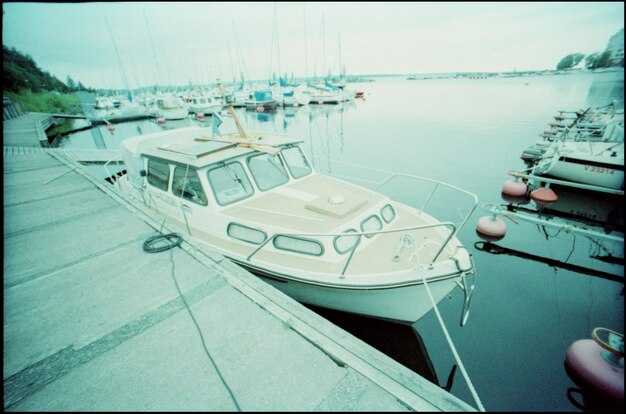
Label a yacht classic only when it clears three filters: age, design lineage, and usability today. For age, adopt three bands used by international clubs: antique (100+ years), vintage (50–99 years), and classic (30–49 years). This provides a practical baseline for pricing, insurance, and registries. The past matters, because those thresholds reflect shifts in construction and equipment that define the era. When a boat sits in antique or vintage, its value is driven by rarity and historical context; when it sits in the 30–49 range, it often remains good if it has been maintained and refurbished with respect for its original design. The age criterion itself doesnt guarantee quality, but it sets the frame for further assessment.
Design lineage centers on a documented pedigree: the designer, the yard, the build line, and the hull form that has been designed for that era. Yachts tracing to celebrated designers or long-standing yards carry a stronger claim to classic status. Look for era-specific features: a long keel, a preserved rudder arrangement, and a rig such as a cutter or a traditional sloop. An ornate, brass-fitted deck signals the beauty of past work and the cohesion of the line that has been carried forward. If the line itself comes from a notable cutter tradition, that reinforces ownership of the design heritage. This means the boat is more than old; its design lineage is recognised and has international recognition, helping it stand out as a true classic. The presence of keels, rudder geometry, and sail plan are part of a mapped story that others can verify, and thats a strong point for acceptance in clubs and registers.
Current usability assesses how the boat fits today’s yachting needs. The boat should be seaworthy and capable of sailing with reasonable crew and equipment. Inspect the hull, keels, and rudder for wear, the sails for usable condition, and the standing and running rigging for tightness and safety. Check that life-saving equipment, navigation gear, and safety systems meet current standards or can be upgraded without erasing the boat’s character. Ownership history, documented repairs, and a maintenance log reduce risk and help negotiations. If a vessel has been kept in good condition, with a manageable restoration implied rather than required, its usability is good for yachting today; if not, the price and effort must reflect that issue. The result is a balanced view: the past informs value, the present determines use, and the future should offer a clear path to enjoyment on the water.
Distinctive features that identify classic yachts: hull form, rig, interiors
Start by focusing on hull form, rig, interiors; this trio reveals the classic identity at a glance and helps buyers and enthusiasts assess value quickly.
They began as practical workboats, and the starting point for any classic is the hull’s profile. Nothing hides the design intent like the waterline, the tumblehome, and the way the rudder integrates with the stern. The allure lives in the long, clean lines from bow to stern, and the subtle transitions that stay readable whether the yacht sits at rest or heels in a breeze. Read the lines carefully, and among the best examples you will notice how the deck sits in harmony with the hull before it transitions to the cabin roof. The looks of the profile speak to the era in which it began.
That point becomes clear when you compare several vessels side by side. Rig is the second marker. The scene shifts with masts, spars, and sails. While some owners refinish, others preserve the original gear, and the design philosophy shows in the rig type: called gaff, cutter, or a single-mast sloop. A keen observer checks mast height, rigging geometry, and how the sails are set to balance the hull. The rudder balance behind the stern guides handling, and this doesnt rely on modern machinery but on tested craft and the way lines and winches are placed for control. Owners weigh money and credit against fidelity to the original gear, and the overall impression comes from properly selected equipment that stays true to the era and the design intent. While you compare, the details point to heritage rather than to a generic upgrade.
Interiors reveal life aboard and the heritage embedded in every detail. The touch comes from mahogany panels, brass fixtures, and careful, well-considered upholstery that keeps crew comfort in mind. Interiors called warm and practical often include knife-edge joints, ventilated bilges, and light through deckhouse windows that read as a quiet invitation to voyage. Look for the consistency of hardware and the way the life of past voyages is echoed in the wood, fittings, and storage, rather than in bright modern finishes. On forums they compare photos and plans; kane and griff illustrate how the profile of stairs, seating, and cabinetry matches the era, and they remind readers to read captions for clues about the original equipment and maintenance choices.
| Aspect | Signature details |
|---|---|
| Hull form | Long waterline, balanced sheer, subtle tumblehome, clean underbody; rudder alignment integrated with the stern |
| Rig | Mast and spar arrangement, rigging type (gaff, cutter, sloop), sail plan and balance |
| Interiors | Woodwork (mahogany), brass hardware, upholstery touch, ventilation, cabin layout supporting life aboard |
By focusing on these three areas, you can identify a classic yacht and read its story through lines, gear, and timber.
Historical eras and notable builders every buyer should know
Start with the Golden Age, roughly 1890s to 1930s, and map your goals to a builder whose profile fits. The definition of a classic yacht rests on lineage, keel details, and maritime purpose, not merely a gleaming look before buying.
These decades produced ships with long, slender hulls and balanced rigs. Nathanael Herreshoff (USA) pushed speed and seaworthiness, setting a benchmark in profile; William Fife & Sons (Scotland) delivered timeless elegance with flowing lines and beauty; Camper & Nicholson (UK) combined beauty with practical rig and high craft. These yards set the standard for buyers, where signature build and the look communicate a yacht’s character.
During the exploration era, yards kept the elegance while reinforcing strength for longer voyages. Abeking & Rasmussen (Germany) produced sturdy, seaworthy cruisers; other European yards preserved the maritime aesthetic while adapting to heavier seas. Displacement sometimes ran into large tonnes, reflecting a ready tolerance for offshore adventures.
When assessing a candidate, check the keel geometry and the profile against the builder’s hallmark. Before you commit, request original drawings or credible restoration records; these definitions anchor value and performance in real history. credit decisions should come from a trusted yard or experienced owner who can attest to the vessel’s condition, and you should be careful to verify every claim.
These signals matter: the touch of timber, the gleaming brass, and the look that tells a maritime story. Sometimes a vessel carries a nickname among owners, called barney for a stout, reliable hull, and that sentiment can reflect long service. Look for a well‑documented maintenance trail and credible photos or logs; Sandeman catalogs or period notes can help confirm a ship’s profile and long history.
Στη συνέχεια, ευθυγραμμίστε την αναζήτησή σας με την εποχή που υποστηρίζει καλύτερα τα ταξίδια σας. Definitions να αναπτυχθείτε μαζί με τους στόχους σας – είτε τους κυνηγάτε exploration, κρουαζιέρα το Σαββατοκύριακο ή σοβαρό ταξίδι μεγάλης εμβέλειας. Αυτοί οι παράγοντες, σε συνδυασμό με το ιστορικό ενός αξιόπιστου κατασκευαστή, διασφαλίζουν ότι η επιλογή σας παραμένει σημαντική πολύ μετά την πώληση.
Αξιολόγηση κατάστασης και αυθεντικότητας: πρακτικά βήματα επιθεώρησης
Ξεκινήστε με μια δομημένη επιτόπια επιθεώρηση σε συνδυασμό με έναν ενδελεχή έλεγχο εγγράφων για να επαληθεύσετε την κατάσταση και την αυθεντικότητα. Παρουσιάστε ένα συνοπτικό σχέδιο στον ιδιοκτήτη, ώστε να μπορέσει να συμμετάσχει στη διαδικασία και να μοιραστεί πληροφορίες για την ιστορία του γιοτ.
- Συλλογή δεδομένων πριν από την επιθεώρηση
- Αίτηση για τα αρχεία του κατασκευαστή και του ναυπηγείου, τον αριθμό κύτους, τις αρχικές προδιαγραφές και ένα αρχείο συντήρησης. Επιβεβαιώστε το προφίλ του τύπου και σημειώστε τυχόν αντικείμενα που αντικαταστάθηκαν, στη συνέχεια συγκρίνετε με την τρέχουσα διάταξη. Εάν η Τάρα εμφανίζεται στο αρχείο, σημειώστε τις συστάσεις της και διασταυρώστε με το λογιστικό βιβλίο των εργασιών που εκτελέστηκαν από τους πιο έμπιστους τεχνίτες.
- Εξωτερική αξιολόγηση γάστρας και καταστρώματος
- Επιθεωρήστε την επένδυση του κύτους ή το fiberglass για κενά, ρωγμές ή αντικατασταθέντα τμήματα. Ελέγξτε τις συνδέσεις, το καλαφάτισμα και το χρώμα ύφαλων για συνοχή με την ηλικία του σκάφους. Αξιολογήστε τον εξοπλισμό καταστρώματος, τα δέστρες και τους οδηγούς κάβων. μετρήστε τα μπουλόνια οκτώ ιντσών και επαληθεύστε τη συμβατότητα των υλικών με τα αρχικά εξαρτήματα, ώστε να προκαλείται μια διαχρονική, εκλεπτυσμένη εμφάνιση και όχι μια μπαλωμένη όψη.
- Δομική ακεραιότητα και αξιολόγηση ξυλείας
- Ελέγξτε με χτύπημα ύποπτες περιοχές για να εντοπίσετε μαλακά σημεία. επιθεωρήστε τα πλαίσια και τα διαφράγματα για σημάδια σήψης ή αποκόλλησης. Ελέγξτε τη συνέπεια με τον δηλωμένο τονάζ και εκτόπισμα. Εάν μια έκθεση ναυπηγείου αναφέρει τόνους, επαληθεύστε τους αριθμούς σε σχέση με τη μορφή του κύτους και το σχεδιασμό της καρίνας. Καταγράψτε τυχόν επισκευές και αξιολογήστε εάν συνάδουν με την εποχή του σκάφους και την προβλεπόμενη χρήση του στην κουλτούρα των γιοτ.
- Έλεγχος μηχανικών συστημάτων
- Αξιολογήστε την κατάσταση των κινητήρων, τις ώρες λειτουργίας και το ιστορικό συντήρησης. Συγκρίνετε με τον αρχικό τύπο πρόωσης. Ελέγξτε τις τσιμούχες, την ψύξη και τη δρομολόγηση της εξάτμισης για συμμόρφωση με την ηλικία του σκάφους. Σημειώστε τυχόν ανταλλακτικά που έχουν αντικατασταθεί και αξιολογήστε εάν οι αντικαταστάσεις ταιριάζουν με τους αρχικούς στόχους απόδοσης αντί να παρέχουν απλώς άμεση αξιοπιστία.
- Ηλεκτρολογικά και υδραυλικά συστήματα
- Επιθεωρήστε τη μόνωση των καλωδίων, τις συστοιχίες μπαταριών, τη γείωση και τα κυκλώματα των αντλιών. Επιβεβαιώστε ότι το ηλεκτρικό σύστημα ευθυγραμμίζεται με την εποχή του πλοίου ή εάν χρειάστηκαν μετασκευές για ασφαλή λειτουργία. Καταγράψτε τυχόν αναβαθμίσεις και επαληθεύστε ότι δεν θέτουν σε κίνδυνο την αυθεντικότητα ή την κατανομή βάρους.
- Εξαρτισμός, πανιά και εξαρτήματα καταστρώματος
- Ελέγξτε τα άλμπουρα, τα δοκάρια, τα μόνιμα και τα κινητά ξάρτια, καθώς και τους μηχανισμούς για φθορά, διάβρωση ή αντικατάσταση. Συγκρίνετε τα εξαρτήματα με τις αρχικές προδιαγραφές του μοντέλου. επαληθεύστε αν κάποια εξαρτήματα αντικαταστάθηκαν με σύγχρονα ισοδύναμα που μιμούνται το αρχικό προφίλ. Αξιολογήστε την κατάσταση του στοκ των πανιών και τη συμβατότητά τους με την προβλεπόμενη χρήση του σκάφους στην ιστιοπλοΐα και τις ρεγκάτες.
- Εσωτερικές ξυλουργικές κατασκευές και εξαρτήματα
- Ανοίξτε τις καμπίνες για να επιθεωρήσετε τα ερμάρια, τα διαφράγματα και τα εξαρτήματα. Αναζητήστε τα αρχικά ένθετα, τα καπλαμάδες και τις συνδέσεις. σημειώστε πού τα φινιρίσματα δείχνουν σταθερή παλαίωση έναντι ασυμβίβαστων νεότερων στρώσεων. Μετρήστε τρεις εξέχουσες περιοχές όπου θα μπορούσαν να έχουν εισαχθεί σύγχρονα υλικά και αξιολογήστε την επίδρασή τους στην αξία του σκάφους που αξίζει ένα μουσείο και στη γοητεία της εμπειρίας.
- Στοιχεία προέλευσης και αυθεντικότητας
- Αριθμός γάστρας εγγράφου, σφραγίδα κατασκευαστή, αρχικό όνομα και σημάδια ναυπηγείου· συγκρίνετε με φωτογραφίες καταλόγου και αξιόπιστες πληροφορίες από λάτρεις. Ελέγξτε το προφίλ σε σχέση με γνωστά μοντέλα της εποχής για να διακρίνετε ένα αληθινό κλασικό από ένα κοντινό αντίγραφο. Προσδιορίστε τυχόν τροποποιήσεις aftermarket που αλλοιώνουν τον νόμιμο χαρακτήρα του γιοτ.
- Θαλάσσια δοκιμή και απόδοση
- Διεξαγάγετε μια ελεγχόμενη δοκιμή στη θάλασσα με στόχο μια ρεαλιστική ταχύτητα για το μοντέλο, στοχεύοντας σε μια δοκιμασμένη απόδοση κοντά στους οκτώ κόμβους υπό ισχύ και μια ομαλή, προβλέψιμη απόκριση υπό ιστία, εάν υπάρχει. Παρατηρήστε την αίσθηση του τιμονιού, τους κραδασμούς και την απόκριση της πρόωσης. καταγράψτε την κατανάλωση καυσίμων και τα χαρακτηριστικά των καυσαερίων για ακρίβεια στην εμπειρία του ιδιοκτήτη και στον προϋπολογισμό για τη συντήρηση.
- Παράγοντες αξίας, κινδύνου και απόφασης
- Εκτιμήστε την αξία σταθμίζοντας την κατάσταση, την πρωτοτυπία και το ιστορικό αντικαταστάσεων σε σχέση με την τιμή πώλησης. Λάβετε υπόψη το κόστος μελλοντικής αποκατάστασης έναντι της κατοχής ενός κομματιού με αποδεδειγμένη προέλευση. Για τους λάτρεις, τα χρήματα που δαπανώνται συχνά συσχετίζονται με μια πλουσιότερη σκηνή θαλαμηγών και διαχρονικές αναμνήσεις, ενώ για άλλους πρέπει να ευθυγραμμίζονται με έναν πρακτικό προϋπολογισμό που διατηρεί τον χαρακτήρα του σκάφους.
- Documentation and reporting
- Ετοιμάστε μια συνοπτική αναφορά που να περιγράφει λεπτομερώς τις κατηγορίες κατάστασης, τις ενδείξεις αυθεντικότητας και ένα σχέδιο αποκατάστασης με τρεις συγκεκριμένες ενέργειες προτεραιότητας. Συμπεριλάβετε ένα φωτογραφικό αρχείο καταγραφής, μετρήσεις και ένα προτεινόμενο χρονοδιάγραμμα για τυχόν διορθώσεις. Αυτό βοηθά τον ιδιοκτήτη και κάθε μελλοντικό αγοραστή να κατανοήσουν την τρέχουσα κατάσταση του γιοτ και τα πιθανά επόμενα βήματα.
Όταν ολοκληρωθεί η επιθεώρηση, συντάξτε ένα προφίλ που βοηθά τους λάτρεις να συγκρίνουν αυτό το γιοτ με αντίστοιχα. Παρουσιάστε μια σαφή ετυμηγορία για την αυθεντικότητα, επισημάνετε τυχόν αντικείμενα που έχουν αντικατασταθεί ή αποκατασταθεί και περιγράψτε την εμπειρία που προσφέρει το σκάφος – είτε πρόκειται για έναν θησαυρό μουσειακού επιπέδου είτε για ένα ζωντανό, καλό σκάφος για καθημερινή βαρκάδα και ιστιοπλοΐα το Σαββατοκύριακο.
Παράγοντες κόστους και τυπικά εύρη τιμών για κλασικά superyachts
Ένα σαφές προϋπολογισμός από την αρχή σάς βοηθά να στοχεύσετε το σωστό μέγεθος και την κατάσταση του κλασικού superyacht. Για ξύλινα κύτη, η ποιότητα κατασκευής και το ιστορικό του ναυπηγείου καθορίζουν γρήγορα τις αξίες. Υπάρχει μια προτίμηση για αυθεντικές γραμμές που προκαλούν χάρη κι επιδόσεις στην ιστιοπλοΐα. Στη Βαλτική, εξειδικευμένοι τεχνίτες συχνά προσφέρουν μεγάλη αξία, ενώ υπάρχουν επίσης επιλογές στη Μεσόγειο που δίνουν έμφαση στο εσωτερικό στυλ. Εκεί, ο ιδιοκτήτης μπορεί να επιλέξει από σκάφη που ονομάζονται Bolero, έργα beeck ή άλλα κλασικά που προσφέρουν χαριτωμένο σχήμα στο πλάι του κύτους. Μόλις γνωρίζετε τι θέλετε, μπορείτε να δώσετε στοχευμένες οδηγίες σε μεσίτες και επιθεωρητές για να επαληθεύσουν την προέλευση και το ιστορικό συντήρησης.
Οι παράγοντες κόστους που επηρεάζουν περισσότερο την τιμή και τις συνεχείς δαπάνες περιλαμβάνουν:
- Κατασκευή και ακεραιότητα γάστρας: Οι ξύλινες γάστρες απαιτούν προσεκτική και συνεχή συντήρηση, και το σχήμα και το πλευρικό προφίλ επηρεάζουν τόσο την απόδοση όσο και τη συντήρηση. Η ποιότητα κατασκευής ενός μακρόβιου κλασικού σκάφους επηρεάζει άμεσα τα αποτελέσματα της επιθεώρησης και την αξία μεταπώλησης.
- Κατάσταση και εύρος ανακατασκευής: μια ολική ή σχεδόν ολική αποκατάσταση, αναβαθμίσεις μηχανής και εξαρτισμών, και ανανεώσεις εσωτερικού χώρου μπορούν να αυξήσουν τη συνολική επένδυση κατά 20–50% ή περισσότερο σε σχέση με την τιμή αγοράς. Ένα εγκεκριμένο σχέδιο συχνά διαχωρίζει την αισθητική ανανέωση από τις μεγάλες μηχανικές εργασίες.
- Φήμη περιοχής και ναυπηγείου: τα ναυπηγεία της Βαλτικής τείνουν να εξισορροπούν την αξία με το υψηλό φινίρισμα, ενώ γνωστά μεσογειακά ναυπηγεία ενδέχεται να προσθέτουν επιπλέον χρέωση για υπηρεσίες, υλικά και ετοιμότητα παράδοσης με το κλειδί στο χέρι.
- Εξαρτισμός, πανιά και καραβόπανο: οι επιδόσεις στην ιστιοπλοΐα εξαρτώνται από τη διάταξη του εξαρτισμού και την ποιότητα των πανιών. Το καραβόπανο ή τα σύγχρονα ισοδύναμά του επηρεάζουν τόσο την αισθητική όσο και το λειτουργικό κόστος. Ένα σκάφος σχεδιασμένο για να πλέει με χάρη θα απαιτεί προσεκτική συντήρηση των ιστών και του εξαρτισμού.
- Εσωτερική διαρρύθμιση και προέλευση: η εμφάνιση και η αίσθηση –είτε πρόκειται για ένα λιτό κλασικό στυλ είτε για ένα πλούσια εξοπλισμένο εσωτερικό– επηρεάζει την τιμή, όπως και η φήμη του σχεδιαστή και το αν το σκάφος θεωρείται ιστορικά σημαντικό κομμάτι.
- Ιδιοκτησία και λειτουργία: τα συνεχή έξοδα πληρώματος, η αποθήκευση, η ασφάλιση, οι συνήθεις επιθεωρήσεις και οι πιθανές επισκευές σε γκαλερί προσθέτουν ετήσιες δαπάνες. Οι ιδιοκτήτες που σχεδιάζουν μακρά παραμονή επί του σκάφους συχνά δίνουν προτεραιότητα στην αξιοπιστία και την ευκολία συντήρησης.
- Προβλεπόμενος ρυθμός ανακατασκευής: ο προγραμματισμός για σημαντικές εργασίες κάθε 5–12 χρόνια βοηθά στην αποφυγή δημοσιονομικών κραδασμών· ορισμένα πλοία απαιτούν συχνότερη προσοχή λόγω συνεχούς πλεύσης ή φθοράς που σχετίζεται με την ηλικία.
Τυπικά εύρη τιμών για κλασικά superyachts (τιμή αγοράς, USD, κατά προσέγγιση και ενδεικτική):
- 5–15 εκατομμύρια USD – μικρότερα ξύλινα κλασικά σκάφη, περίπου 25–40 μέτρα LOA, σε χρησιμοποιήσιμη κατάσταση αλλά με ανάγκη για καλλωπιστική ή μηχανική ανανέωση. Αυτές οι επιλογές ταιριάζουν σε ιδιοκτήτες κλασικών γιοτ για πρώτη φορά, οι οποίοι εκτιμούν την αυθεντικότητα και την απλή ιστιοπλοΐα, με δυνατότητα αναβάθμισης των εσωτερικών χώρων με την πάροδο του χρόνου.
- 15–40 εκατομμύρια USD – κλασικά μεσαίου μεγέθους, περίπου 40–60 μέτρα LOA, συχνά με πρόσφατες ή προγραμματισμένες ανακατασκευές, ισχυρές επιδόσεις ιστιοπλοΐας και καλαίσθητους εσωτερικούς χώρους. Αυτή η κατηγορία προσφέρει μια ισορροπία προέλευσης και πρακτικότητας για κρουαζιέρες μεγάλων αποστάσεων.
- 40–100 million USD – larger vessels or heavily upgraded classics, 60–75m LOA, with comprehensive interior design, modern systems, and proven stability under sail. Expect premium on provenance, design pedigree, and service readiness.
- 100+ million USD – iconic or especially well-restored vessels (or new-builds emulating classic lines) with high-grade woodwork, bespoke interiors, and exceptional sailing capabilities. These assets cater to owners seeking rare history, unmatched presence, and turnkey operation for private sailing or charter programs.
When evaluating options, ask for a detailed maintenance plan and lifetime cost projection. Then compare two to three candidates that share the same shape and style to understand the delta in owner and crew requirements. This approach helps you decide whether to pursue a long-term investment in a true classics yacht or to select a modernized alternative that evokes the same aesthetic.