How to Measure Boat Length Accurately (Complete Guide)
Alexandra
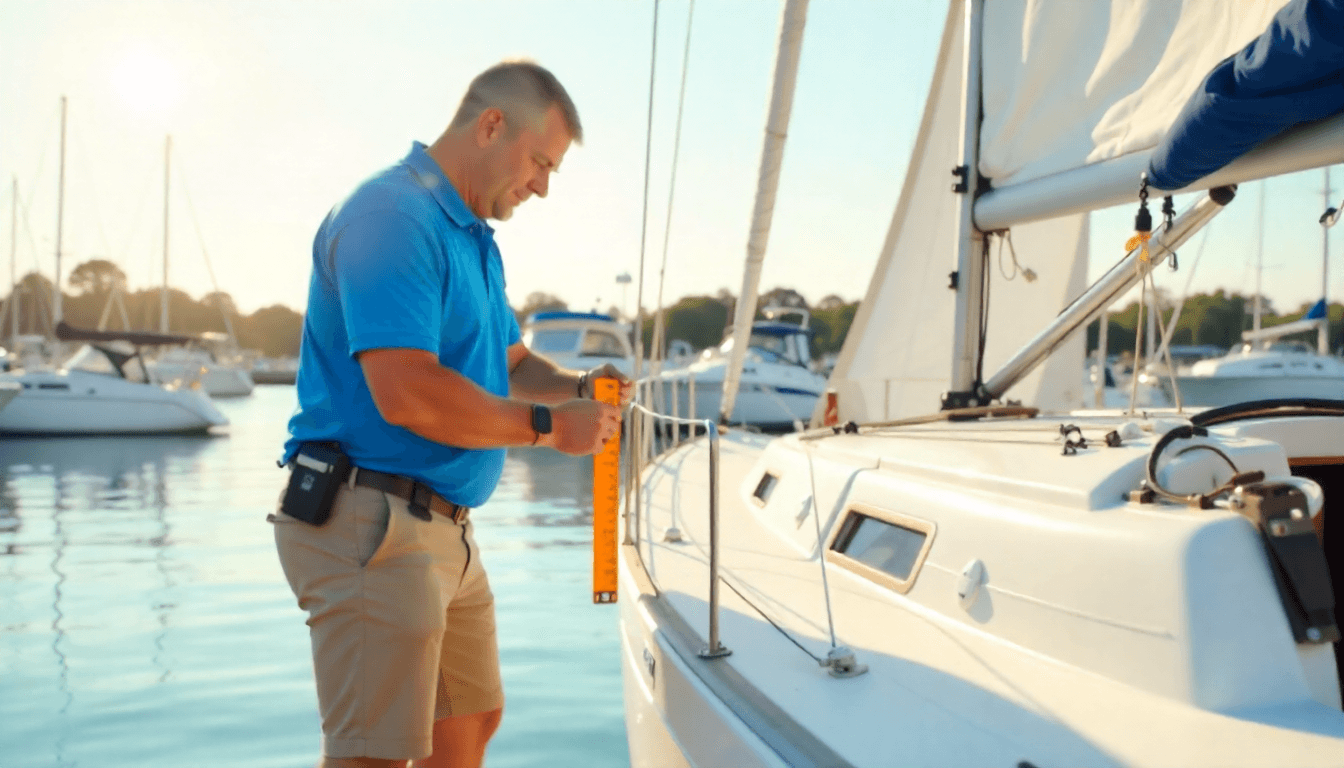
Accurately determining a vessel’s size is essential for registration, insurance, docking, and resale. Knowing how to measure boat length correctly ensures compliance with regulations and avoids costly mistakes. While many boaters assume the task is simple, accuracy requires attention to detail, proper tools, and a clear understanding of what counts toward the overall measurement.
Why Knowing How to Measure Boat Length Matters
Boat length is more than just a number—it determines fees, marina slips, safety requirements, and even legal classifications. Dockage charges, for example, are calculated based on the total length of a vessel. Insurance companies also rely on this figure when setting premiums. Measuring wrong can lead to unexpected costs or problems during inspections.
Understanding Boat Length Standards
Before you measure your boat, it is important to understand what counts toward the final figure. The official measurement extends from the very tip of the bow to the rearmost part of the stern. This measurement, known as “bow to stern,” is taken in a straight line and does not follow the curve of the hull.
📚 You may also like
Some features, such as outboard motors, are excluded, but permanently attached parts like swim platforms, pulpit rails, and bow sprits are included. Regulations may differ slightly by state or country, so always check local requirements before taking final measurements.
Inclusions and Exclusions in Boat Measurement
- Included: integrated swim platforms, pulpits, bow sprits, and attachments that are fixed and structural.
- Not included: removable outboard motors, fishing gear, or temporary accessories.
This distinction helps ensure your vessel’s length is determined consistently and fairly, especially when applying for registration or docking.
Tools Required for Measuring Boat Length
To get a precise reading, the right equipment is essential. Here are the common tools you will need:
- Measuring tape (at least 25 feet). Long enough to cover most small and medium-sized boats.
- Chalk or marker. To mark alignment points.
- Helper. Having an extra person ensures accuracy when pulling a tape in a straight line.
- Level surface. Boats measuring on uneven ground can produce inaccurate results.
For larger vessels, surveyors may use laser rangefinders, but a traditional tape remains the most practical way for recreational boaters.
Step-by-Step Guide: How to Measure Boat Length Accurately
Step 1: Position the Boat Correctly
Place the vessel on a level surface, whether in water or on a trailer. The boat must be stable to ensure accurate results.
Step 2: Identify Starting and Ending Points
Locate the foremost part of the bow and the farthest point at the stern, including any fixed platforms. These two points mark the official boundaries.
Step 3: Pull the Measuring Tape in a Straight Line
Run the tape tightly from bow to stern. Ensure it follows a straight line rather than curving along the hull. This method eliminates discrepancies that could add or subtract inches.
Step 4: Record the Measurement
Take note of the exact reading in feet and inches. This value is the vessel’s overall length. Depending on regulations, the number may be rounded to the nearest foot for documentation.
Step 5: Double-Check Your Work
It is always wise to repeat the process. Measuring twice guarantees accuracy, especially if the tape shifted or the first attempt was slightly off.
Tips for Accurate Boat Measurement
- Work with another person. One holds the tape at the bow while the other pulls it tight to the stern.
- Avoid slack. A loose tape can distort results.
- Measure during calm conditions. If measuring in water, waves may affect alignment.
- Include all required parts. Platforms, decks, and attachments that are permanent must be included.
- Document results. Write down measurements for future reference.
This simple tip: always check the guidelines of your local boating authority before submitting measurements for official purposes.
Common Mistakes When Measuring a Boat
- Measuring along the deck instead of in a straight line.
- Forgetting to include fixed attachments like pulpits or platforms.
- Using a tape too short for the vessel.
- Estimating rather than recording exact numbers.
Avoiding these mistakes helps prevent disputes at marinas or with registration offices.
How Boat Length Affects Ownership Costs
The number of feet directly influences marina slip fees, hauling costs, and even safety equipment requirements. For example, boats over 26 feet often require additional flotation devices by law. Insurance premiums also rise with every extra foot.
Understanding these implications is why accurate boat measure practices are so important. A miscalculation could mean paying for a slip larger than necessary—or worse, being denied entry because your vessel is longer than stated.
Different Types of Boat Measurement
Overall Length (LOA)
The most common measurement, LOA, spans from bow to stern, including attached platforms and decks.
Waterline Length (LWL)
This measures the part of the hull actually touching the water. Sailors rely on this figure because it influences performance and speed.
Beam and Draft
Although not part of the length, knowing the width (beam) and depth (draft) is useful for docking and navigating shallow areas.
Industry and Legal Considerations
Most states and maritime authorities follow consistent guidelines, but slight variations may exist. For instance, some regulations specify whether a swim platform is considered part of the measurement. Always confirm with the relevant state agency before finalizing documentation.
Additionally, yacht brokers, insurers, and marinas often request certified surveyor reports for larger boats. This ensures the measurement is official and cannot be disputed.
Practical Scenarios Where Measuring Matters
- Buying or selling. A boat listed at 30 feet that actually measures 32 feet can impact resale value.
- Docking at marinas. Slip assignments are based on exact dimensions.
- Transporting on trailers. Hauling companies require accurate lengths for permits and pricing.
- Fishing regulations. Certain areas restrict boating by vessel size.
These examples highlight why taking the time to measure correctly is always worth it.
Final Thoughts on How to Measure Boat Length
Accurately determining size is essential for safe, legal, and cost-effective ownership. When you measure your boat, always use proper tools, follow the bow to stern method, and double-check results in a straight line.
Whether you’re preparing for registration, buying, selling, or docking, understanding how to measure boat length is the required way to ensure precision. By following these steps, you’ll get the right measurement every time and avoid common pitfalls.