


 Ελληνικά
  English (UK)
  Русский
  العربية
  日本語
日本語  한국어
한국어  Magyar
  Türkçe
  Español
  Čeština
  Svenska
  Português
  Suomi
Suomi  Nederlands
  Română
  Italiano
  Français
  Polski
  Українська
  Deutsch
  简体中文
简体中文  Slovenčina
 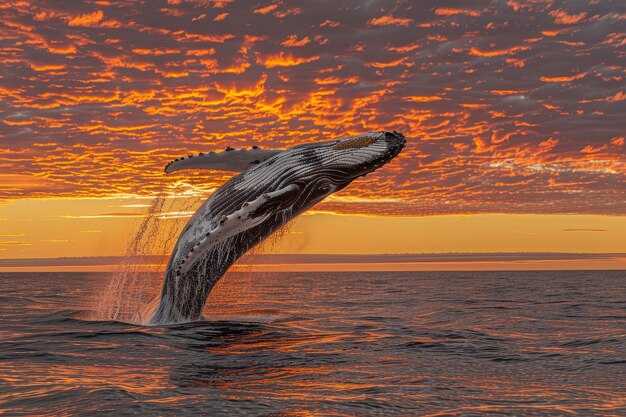 Top Whale Watching Spots in Baja California – Best Destinations & Tips">

Begin your search along the Sea of Cortez near Loreto and immediately book for a once-in-a-lifetime cetacean encounter. Migrations ranging from December through March bring a charming mix of mothers and calves, with peak activity in February. Licensed operators offer responsible approaches that protect them and the habitat they rear along the mexicos coastline. Spend time on deck, observe from the rear of the boat, and enjoy beaches, shallow dives, and open-water moments that set the scene for memorable experiences.
Beyond Loreto, the leading coastal zones offer La Paz and Cabo Pulmo as reliable options. Mexicos coastal communities believed calmer winds yield longer viewing sessions, and guides emphasize conservation. Local operators provide shore and small-boat excursions that pair observation with snorkeling, brief coastal strolls, and sea-kitchen tastings of ceviche, letting guests linger on quiet beaches. They also stress safety and immediate response to wildlife behavior, and more opportunities for encounters.
In the Magdalena Bay corridor, December through March concentrates cetacean families in sheltered lagoons. They tend to approach boats gently, circling at mid-depth with dramatic surface fins and tail flicks. A day can include a guided snorkeling session with a few shallow dives, plus a beach ceviche break and a sunset stroll along a quiet shore. This pattern draws more visitors who value responsible spending and sustainable travel as part of the experience.
Choose licensed outfits and verify permits, then pick boats with quiet engines and experienced captains. Coastal weather can shift quickly, ranging from glassy mornings to rolling afternoons, so plan flexible itineraries. Pack light layers, reef-safe sunscreen, insect repellent, and a camera with a long zoom for snorkeling moments; consider a waterproof bag for electronics. When ashore, enjoy the fresh catch–ceviche and other simple mexicos-inspired flavors–while respecting local rules. For those spending multiple days, a marine charter can pair surface viewing with sport options like kayaking or gentle snorkeling instruction, offered by responsible operators who used sustainable practices and trained crews for safety and wildlife welfare, and travelers should act responsibly at all times.
Explore Loreto’s Old Town and Other Prime Whale Watching Areas
Start with a dawn skiff outing from Loreto’s harbor, hire a licensed captain with solid safety skills, and book a 3–4 hour day-trip that can be extended depending on conditions. This setup suits everyone aboard, with attentive watchers on deck and guides who picked routes based on real-time reports.
Loreto’s Old Town rewards visitors with a compact, walkable core–mission church, market stalls, and a harbor promenade–plus easy access to nearby protected coves. From a villa or other accommodations, stroll to the waterfront and begin a kayak, gently gliding on glassy water to observe surface activity while wandering along the promenade.
Beyond the town, other prime cetacean-viewing zones include Magdalena Bay and the Espiritu Santo archipelago. Pick a kayak or skiff-based trip; day-trips or longer adventures are common, with time frames that differ by season. Each option offers different vantage points. Travelers from Canada often couple Loreto with a broader itinerary, which can optimize travel time.
Safety gear is standard and safety briefings are enforced; guides teach learned skills for paddling, spotting signs, and staying with the group. Kayakers should keep a respectful distance and move gently to avoid disturbing wildlife. There are no lies about safety; always rely on official briefings.
Logistics: book accommodations in Loreto early, with options ranging from simple rooms to boutique villas; time-of-year affects access, and in spring the larger trips tend to fill quickly. Almost all itineraries include a shore stop, while day-trips typically return by mid-afternoon, and longer excursions require flexible schedules.
Tips for planners: pick a picked operator with a solid safety record; traveling groups should hire guides who have learned experience; after your first outing, you’ll know which route best fits your party and your adventures. Everyone can enjoy the experience with proper safety and accommodations in place.
Seasonality and peak sighting windows by destination
Prioritize February in the cabos corridor and Magdalena Bay for the highest opportunity to see mother whales with calves; calves stay longer in lagoons when conditions cooperate, boosting seen encounters. If you’re flexible, push the window into March to catch a second pulse of arrivals. Pair the trip with beachfront access to Jesuit missions and other historic sites, and plan a lunch on the deck to maximize time on the water. A tripui card speeds vendor payments and helps with bundled tours, making the day totally smooth for kiwi travelers who want loads of value; others will have different options, but certain operators provide reliable boats for sightings.
cabos region, located at the tip of the peninsula, concentrates humpback activity from December through April, with February–March the strongest window. Mornings offer the clearest water and closest approaches; sightings include mothers and calves breaching. Tours depart from licensed operators with access from the two main airports; beachfront beachfront accommodations provide quick launches; keep a flexible plan to switch between San José del Cabo and Cabo San Lucas as sea conditions shift.
magdalena bay hosts the classic gray-whale nursery from January through March, with peak around February. Expect loads of close encounters with mothers and calves; lagoons provide calm water and predictable viewing. Access typically requires a regional flight to La Paz, followed by a short boat transfer; trips commonly include a waterfront lunch and visits to sites along the coast. The area offers a markedly different ambience compared with the cabos corridor.
loreto and other gulf regions see winter visitors from February to April, with the March peak. Expect regular sightings of humpbacks and occasional blues in warmer years; itineraries often include visits to multiple sites along sheltered bays, and guides offer parades of seabirds from deck. Access is via regional αεροδρόμια; itineraries can hop between beachfront coves and remote islands for variety.
Practical notes: start from the αεροδρόμια and keep a flexible plan; consider the card options from tour operators; in some months the signals are different, and only certain conditions yield high counts. This does require patience, but trips picked with care tend to deliver frequent seen breaches and parades of seabirds. A tripui card helps with discounts, and plans made in advance stay totally reliable; also monitor diseases advisories and carry bottled water and reef-safe sunscreen.
Loreto’s Old Town: access, sights, and pre-tour logistics
Arrive early; a walk of about 1,600 feet from the marina puts you at the heart of Loreto’s Old Town, letting you start with a clear plan before crowds form.
Access is straightforward: arriving by air to Loreto International Airport, then a short taxi or rental car ride lands you at the edge of the historic district, situated between the shoreline and mountainous foothills.
Sites include the historic mission church, a shaded plaza, and lanes lined with negrita-painted facades. Their layout invites a looking, unhurried stroll and spontaneous discoveries at every corner.
Pre-tour logistics: arrange a local guide who can speak to history, culture, and visitor behaviors; choose a plan created for pace and ethical operators, and verify opening times so you can maximize core sites in a half-day.
Travel planning for canada-based travelers and others: the Old Town is walkable, with types of itineraries suitable for those arriving with varied paces; day-trip possibilities exist, and others traveling with a cruise or as a city-stay can look for guided options; considering a simple, grounded pace helps. On domingo, markets appear on the streets, adding local flavor.
Wildlife and sighting: while most wildlife is coastal, you can quickly notice seabird behaviors along the waterfront; keep a respectful distance and avoid chasing sightings. A calm approach lets you observe without disturbing others and supports a society of visitors.
Cruise visitors should arrange their own shore time in advance to avoid missing core sites; there is no guarantee of a sighting, so prepare a fallback plan that focuses on architecture, culture, and crafts. You can look for other nearby sites within a short walk and still keep the experience managed.
Souvenir options emphasize quality and craftsmanship: purchase from trusted shops, asking about materials and origin, and avoiding goods with questionable origins. Such practice supports local makers, helps the community, and creates a meaningful memento.
Choosing licensed operators and boat types for safety and comfort
If you wish to maximize safety, hire a licensed operator with valid permits, current rights, and an english-speaking crew; expect a formal safety briefing before taking this activity.
Reconsider any offer from unlicensed boats; verify the operator’s license numbers, insurance, and a written safety plan. The main guidance should include a VHF radio, well-fitted life jackets for all sizes, a first-aid kit, fire extinguisher, and a rescue throw line; confirm access to emergency contact procedures.
When selecting a craft, look for built stability and deck design that suits long sessions. The most reliable options are catamarans in the 28–34 ft range or center-console vessels around 22–28 ft, both with shaded seating and non-slip decks. If seas are brown with sediment, opt for a larger hull and slower speeds to keep your group comfortable; a higher freeboard reduces spray and exposure during windy stretches.
Snorkelling gear should be readily accessible, and a cooler with drinks helps maintain comfort. For casual groups, a stabilized hull and ample deck space make the experience smoother, whereas smaller pangas can be fine for short hops but less forgiving on rough days; however, choose safety over speed every time.
Τηρείτε βιώσιμες πρακτικές για να ελαχιστοποιήσετε τις επιπτώσεις στην άγρια ζωή: διατηρείτε μια αξιοπρεπή απόσταση από θεάσεις κητοειδών, σβήνετε τις μηχανές όταν είστε σταματημένοι και αποφεύγετε τον συνωστισμό ζώων. Οι χειριστές που δημοσιεύουν μια πολιτική φιλική προς την άγρια ζωή και εκπαιδεύουν τα πληρώματα σε ηθική θέαση επιδεικνύουν δέσμευση σε αυτήν την προσέγγιση. Αυτός είναι ο κύριος παράγοντας για ένα απολύτως ικανοποιητικό ταξίδι.
Το πού ξεκινάτε και πού πηγαίνετε έχει σημασία: τα κεντρικά λιμάνια με γρήγορη πρόσβαση σε λιμνοθάλασσες και προστατευμένους όρμους, σε κοντινή απόσταση από τις βόρειες πόλεις, προσφέρουν τις πιο ευέλικτες επιλογές. Αναζητήστε δρομολόγια που καλύπτουν πολλά μέρη κατά μήκος της ακτής και επιβεβαιώστε ότι το σχέδιο προορισμού περιλαμβάνει χρόνο για παρατήρηση γαλαζοπόδαρων και ένα σύντομο διάλειμμα για κολύμβηση με αναπνευστήρα.
Από τη στιγμή που κάνετε κράτηση, βεβαιωθείτε ότι τα δικαιώματα λειτουργίας δηλώνονται με σαφήνεια και ότι το σκάφος που κατασκευάστηκε για αυτήν την ακτή συμμορφώνεται με τους τοπικούς κανονισμούς. Για μια ισορροπημένη μέρα, φέρτε μια φορητή σκιά σε στυλ σκηνής για τα διαλείμματα στην ακτή και περιμένετε ένα πλήρωμα που μπορεί να εξηγήσει τα αξιοθέατα σε απλά αγγλικά, κάνοντας την ημέρα ευχάριστη για οικογένειες και μεμονωμένους ταξιδιώτες. η δραστηριότητα θα φαίνεται απολύτως ασφαλής όταν ο χειριστής τηρεί αυτά τα πρότυπα.
Συσκευασία, ενδυμασία και ασφάλεια εν πλω για μια μέρα στη θάλασσα
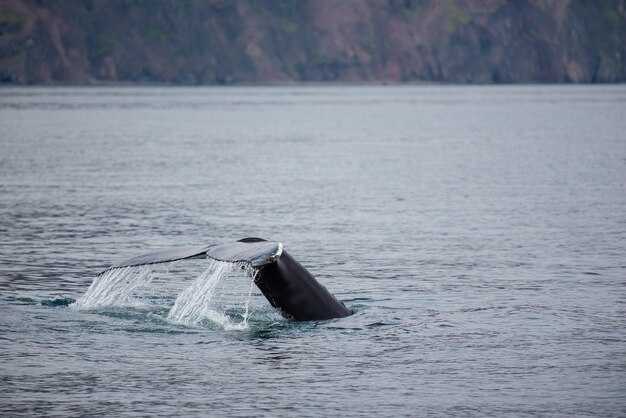
Συσκευάστε τον απαραίτητο εξοπλισμό σε ένα συμπαγές σακίδιο ημέρας: ένα σύστημα στρώσεων που στεγνώνει γρήγορα, ένα μπουκάλι νερό, ένα μικρό ψυγείο για ποτά και αδιάβροχες θήκες για ηλεκτρονικά. Ξεκινήστε με αυτό το βασικό κιτ και, στη συνέχεια, προσαρμόστε το ανάλογα με την πρόγνωση και τις προσωπικές ανάγκες.
Από την προβλήτα στην πλατεία, υπάρχει μεγάλη πιθανότητα οι συνθήκες να αλλάξουν με τον ήλιο, τον άνεμο και το σπρέι. Ο Μάρτιος μπορεί να φέρει πιο δροσερά πρωινά και πιο ζεστά απογεύματα, οπότε επικεντρωθείτε σε ευέλικτα στρώματα ρούχων και ένα αντιανεμικό για να παραμείνετε άνετοι όλη την ημέρα, εδώ και κατά μήκος τόσο της ανατολικής όσο και της δυτικής ακτής.
Χρησιμοποιήστε αυτήν την καθοδήγηση για να παραμείνετε οργανωμένοι και να απολαύσετε το ταξίδι, και θυμηθείτε ότι οι μικρές επιλογές επηρεάζουν όλους γύρω σας στην αστική ζωή και την ευρύτερη κοινωνία.
Λίστα ελέγχου ανά κατηγορία:
- Βασικά πράγματα που πρέπει να φέρετε:
- Απαραίτητα είδη: αντηλιακό φιλικό προς τον ύφαλο (SPF 30+), γυαλιά ηλίου με λουράκι, καπέλο με φαρδύ γείσο, lip balm, μπλούζα που στεγνώνει γρήγορα, ελαφρύ αδιάβροχο και αδιάβροχη τσάντα για τιμαλφή.
- Ενυδάτωση και φαγητό: μπουκάλι νερού (1–2 L ανά άτομο), φακελάκια ηλεκτρολυτών, σνακ που μεταφέρονται εύκολα και ένα μικρό ψυγείο για κρύα ποτά.
- Εξοπλισμός για εντοπισμό: κιάλια, μια φωτογραφική μηχανή με επιπλέον μνήμη και μπαταρία, πανί μικροϊνών και ένας compact οδηγός πεδίου.
- Ασφάλεια και άνεση: Θεραπείες για τη ναυτία, ένα μικρό φαρμακείο πρώτων βοηθειών, προσωπικά φάρμακα, υγρά μαντηλάκια και αντισηπτικό χεριών.
- Εφοδιαστική υποστήριξη: κωδικός κράτησης (randomtrip15), στοιχεία διαμονής σε περίπτωση διαμονής κοντά στο λιμάνι, φωτοαντίγραφα ταυτοτήτων και αδιάβροχος χάρτης ή εφαρμογή εκτός σύνδεσης.
- Ενδυμασία και άνεση:
- Υπόδηση: αντιολισθητικά παπούτσια καταστρώματος ή σανδάλια με λουράκι πίσω. Αποφύγετε τα γλιστερά υποδήματα σε κινούμενο κατάστρωμα.
- Επικάλυψη: βασική στρώση, μεσαία στρώση και αντιανεμικό εξωτερικό κέλυφος. για νωρινές αναχωρήσεις, συμπεριλάβετε μια ελαφριά θερμική στρώση.
- Προστασία από ήλιο και σπρέι: γυαλιά ηλίου με κορδόνι, καπέλο με φαρδύ γείσο, μακριά μανίκια για κάλυψη από τον ήλιο. να εφαρμόζετε ξανά αντηλιακό κάθε δύο ώρες.
- Πρακτικότητα: υφάσματα που στεγνώνουν γρήγορα, ελάχιστα κοσμήματα, μαλλιά πιασμένα πίσω· να έχετε μαζί σας ένα εφεδρικό ρούχο σε περίπτωση που λερωθείτε.
- Ασφάλεια και εθιμοτυπία εν πλω:
- Σωσίβια: εντοπίστε το δικό σας κατά την επιβίβαση και φορέστε το όταν σας συμβουλεύουν· επιτηρείτε τα παιδιά και φροντίστε να είναι σωστά εξοπλισμένα.
- Σε θαλασσοταραχή: καθίστε ή κρατηθείτε από ένα χειρολισθήρα· αποφύγετε να σκύβετε πάνω από κιγκλιδώματα· ασφαλίστε χαλαρά αντικείμενα για να αποφύγετε μετατοπίσεις.
- Ναυτία: καθίστε σε σταθερό σημείο, αποφύγετε βαριά γεύματα πριν την αναχώρηση, χρησιμοποιήστε εγκεκριμένα φάρμακα· ο καθαρός αέρας βοηθάει.
- Παρατήρηση άγριας ζωής: κινηθείτε αργά, μην εμποδίζετε την πρόσβαση στα καταστρώματα και διατηρήστε μια αξιοπρεπή απόσταση από πουλιά όπως οι ερωδιοί και άλλα πλάσματα της επιφάνειας· χρησιμοποιείτε φακούς ζουμ για απόσταση.
Συμβουλές φωτογραφίας: υπεύθυνη φωτογράφιση φαλαινών που αναδύονται στην επιφάνεια
Χρησιμοποιήστε έναν τηλεφακό τουλάχιστον 300mm (καλύτερα 400–600mm) και τραβήξτε από μια σταθερή πλατφόρμα, διατηρώντας μια ασφαλή απόσταση κατά μήκος της οπτικής επαφής με τα κητοειδή. Αυτός ο περιορισμός ελαχιστοποιεί την ενόχληση και διατηρεί τις φυσικές συμπεριφορές, ενώ παράλληλα προσφέρει ευκρινέστερα, πιο καθηλωτικά καρέ.
Το φως έχει σημασία: στοχεύστε στο πρωινό παράθυρο για απαλό, κατευθυντικό φωτισμό και, στη συνέχεια, επαναξιολογήστε καθώς ο ήλιος ανεβαίνει. Τον Νοέμβριο και κατά τη διάρκεια του χειμώνα, η κατάσταση της θάλασσας μπορεί να αλλάξει γρήγορα. ελέγξτε μια πηγή πληροφοριών πριν ξεκινήσετε και να είστε προετοιμασμένοι για μεταβαλλόμενες συνθήκες στο νερό.
Εξοπλισμός και τεχνική: σε ένα σκάφος, στηριχτείτε στα κάγκελα ή τοποθετήστε ένα μονόποδο αν επιτρέπεται. Ρυθμίστε την ταχύτητα κλείστρου μεταξύ 1/1000 και 1/2000 για να παγώσετε τους πίδακες, το διάφραγμα περίπου f/6.3–f/8 και χρησιμοποιήστε αυτόματο ISO με ένα ανώτατο όριο (π.χ., ISO 160–3200) για να εξισορροπήσετε τη λάμψη και τον αφρό. Παρακολουθήστε την κίνηση με συνεχή αυτόματη εστίαση και τραβήξτε ριπές για να καταγράψετε το τόξο, το πιτσίλισμα και τη στιγμή της πρόσκρουσης.
Για τους φωτογράφους με smartphone, ενεργοποιήστε τη λειτουργία ριπής και κλειδώστε την εστίαση, στη συνέχεια σταθεροποιήστε με τα δύο χέρια ή μια μικρή λαβή. Ελέγξτε τα ιστογράμματα εν πλω και αποφύγετε την μετα-επεξεργασία ως υποκατάστατο για προσεκτική σύνθεση. Είτε φωτογραφίζετε από την ακτή είτε από ένα σκάφος, έχετε επίγνωση των ορίων σας και παραμείνετε εντός των καθορισμένων ζωνών.
Δεοντολογία και ασφάλεια: υποχρεωτικές οδηγίες από φορείς εκμετάλλευσης και οργανισμούς υπαγορεύουν την απόσταση, τον θόρυβο και την εγγύτητα σε μητέρες και μωρά. Μην κυνηγάτε ποτέ, μην πλησιάζετε ποτέ μέσα σε μια περιορισμένη γραμμή και ελαχιστοποιήστε την ενόχληση σβήνοντας τον δυνατό εξοπλισμό και αποφεύγοντας το φλας. Να έχετε μαζί σας μια μικρή σακούλα για να μαζεύετε τα σκουπίδια και να μην ρίχνετε πλαστικά στο νερό. η υπεύθυνη πρακτική σας προστατεύει τα οικοσυστήματα και τη μακροπρόθεσμη πρόσβασή σας σε εμπειρίες άγριας ζωής.
Παρατήρηση και τέχνη: παρατηρήστε πολυάριθμες συμπεριφορές – αλληλουχίες παραβίασης, κατασκοπεύσεις, χτυπήματα ουράς – και προβλέψτε την επόμενη επιφάνεια για ακριβή χρονισμό. Εάν κάνετε παρατήρηση πουλιών ή κολυμπάτε με αναπνευστήρα κοντά, κρατήστε μια ευρεία στάση και ήσυχη παρουσία, ώστε η δραστηριότητα να παραμείνει ανενόχλητη. Στις σημειώσεις πεδίου μπορεί να δείτε αναφορές όπως loretos ή magdalena για να περιγράψουν τοποθεσίες, nuestra information που αντικατοπτρίζουν την περιοχή Magdalena Bay του Loreto και τον κόλπο ευρύτερα, όλα εντός σεβαστών κατευθυντήριων γραμμών.
| Setting | Recommended | Σημειώσεις |
|---|---|---|
| Shutter | 1/1000–1/2000 | Σπρέι ψύξης και τόξο |
| Φακός | 300–600 χιλ. | Σταθεροποιήστε· στηρίξτε στο κατάστρωμα |
| ISO | Αυτοκίνητο με ανώτατο όριο 3200 | Χρησιμοποιήστε αντιστάθμιση έκθεσης +0.3 έως +1.0 για θάμβωση |
Οι πρωινές λήψεις προσφέρουν το καλύτερο χρώμα και διάθεση. Προγραμματίστε εκ των προτέρων, ελέγξτε τον καιρό και σεβαστείτε τον ρυθμό της θάλασσας. Η τέχνη σας ωφελείται από την υπομονή, την ήρεμη προσέγγιση και μια σαφή γραμμή πληροφόρησης που ευθυγραμμίζεται με τους στόχους διατήρησης και τις αξίες της κοινότητας. Αυτό ολοκληρώνει μια υπεύθυνη, απόλυτα ικανοποιητική εμπειρία για εσάς και τα πλάσματα που φωτογραφίζετε.