


 Ελληνικά
  English (UK)
  Русский
  العربية
  日本語
日本語  한국어
한국어  Magyar
  Türkçe
  Español
  Čeština
  Svenska
  Português
  Suomi
Suomi  Nederlands
  Română
  Italiano
  Français
  Polski
  Українська
  Deutsch
  简体中文
简体中文  Slovenčina
 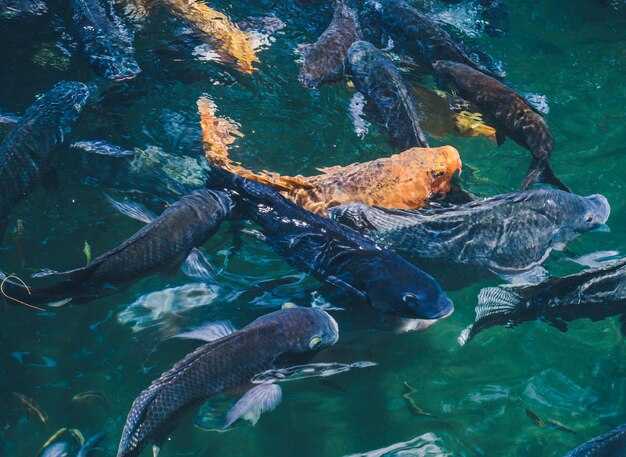 Κορυφαίες συμβουλές για την προστασία των ενδιαιτημάτων των ψαριών – Πρακτικές στρατηγικές διατήρησης">

Establish native riparian buffers along streams with a size of at least 30 meters on each bank, arranged as a continuous zone, to reduce sediment and nutrient inputs by up to 40% within the first year. This intense measure creates a protective atmosphere for spawning runs, supports the whole food web, and dampens temperature fluctuations that stress fish.
Improve water quality across the catchment by curbing fertilizer leachate, urban runoff, and soil erosion using green infrastructure. Where space is limited, install artificial wetlands and sediment traps to rapidly capture sediments and remove nutrients, to promote rapid improvements and improving habitat stability. Track key parameters such as turbidity, nitrate levels, and dissolved oxygen to quantify changes and guide actions.
Coordinate a study to identify variations in habitat use among each species and life stage. Employ splitting of results by species and season to tailor actions. Monitor bacterial indicators to prevent disease outbreaks, and adjust mitigation when pathogen loads rise. Use findings to drive practice changes without broad generalizations.
Target invasive competitors with coordinated removals where feasible, while preserving native ranges to ensure populations remain healthy. Eradication of invasive plants and animals in small, well-documented patches can free up habitat for native fish; apply measures that consider the broader ecosystem so that other organisms can thrive. Use arranged monitoring transects within restored areas to detect rebound risks and act quickly when counts rise.
Engage landowners, anglers, and volunteers to implement on-site steps that protect water bodies. Provide clear guidelines for project-scale actions that fit each site size and budget, and arranged volunteer days to remove debris and plant shade trees along streams. Maintain transparent records so communities remain informed and motivated to continue restoration efforts.
Practical guide to safeguarding aquatic habitats and preserving fish quality
Install a 5–10 meter native vegetation buffer along every stream inlet; this approach removes up to 60% of sediment and 40% of nutrient loads, delivering measurable improvements in habitat quality and fish growth.
Maintain water depth and dissolved oxygen to prevent dehydration of juvenile and adult fish during dry spells. Target dissolved oxygen above 5 mg/L in core habitats, and carve larger refugia by deepening pools to provide safer zones during heat waves.
Extending coastlines resilience through living shorelines, oyster reefs, seagrass beds, and dune restoration stabilizes shorelines and reduces wave energy. These actions promote habitat connectivity and turn degraded areas into productive refuges; the habitat becomes a more robust component of the ecosystem.
Climate-informed planning requires diverse applications of habitat improvements: riparian buffers, wetlands restoration, fish passages, and artificial refugia. This approach requires local data, community involvement, and reliable funding; these measures were tested in pilot sites and demonstrated clear growth in native populations.
Control runoff by post-construction drainage management, smart irrigation, and nutrient-management plans. For aquaculture, manage brine outflows with dilution and closed-loop systems to prevent damage to coastal habitat and reduce salinity spread.
Monitor fish quality with simple indexes: weight, size distribution, condition factor, and survival rates. Baseline data collected before action enable credible post-project comparisons; available dashboards help communities track progress.
Communicate results with field data rather than relying on istockphotothinkstock visuals; share maps, water quality logs, and success stories to support broader adoption.
Baseline Habitat Assessment: key indicators, sampling ideas, and data needs
Begin a baseline survey of five core indicators across a defined reach and log results for the first season. Schedule data collection in daylight, recording data every hour to capture diurnal shifts. Use noninvasive methods such as snorkel surveys, visual transects, and eDNA sampling to build a robust dataset without disturbing vulnerable habitats. Keep field notes organized with date, time, weather, site ID, and stream flow; simply label each sample and use wrapping tape to seal labels. Materials include a waterproof notebook, GPS unit, thermometer, ruler for depth, nets, and sample vials; place labeled bags in a cooler and transfer preserved samples to a freezer when needed.
Key indicators to track include water quality (temperature, dissolved oxygen, pH, conductivity, turbidity), substrate texture and embeddedness, riparian cover and woody debris, and biota such as fish occupancy and macroinvertebrate groups. Monitor the proliferation of invasive species and sedimentation patterns that cause habitat changes. Use local groups to review datasets and provide context for site differences, while maintaining meticulous procedures to minimize observer bias. Data should be organized so that each entry passed basic quality checks and links to a single site and date. Even when conditions shift, the baseline serves as a reference for what the habitat undergoes across seasons, helping pinpoint causes and patterns that spread beyond a single hour or event.
Sampling ideas include: two channel-wide transects per site; quantify substrate texture with pebble counts; record percent cover of aquatic vegetation with simple quadrats; collect macroinvertebrates with a kick-net; apply eDNA assays to detect rare species when resources permit. For biotic surveys, document fish presence with snorkel counts where visibility allows, without harming individuals; track catch data separately from other samples and keep hooks away from the water to prevent unintended interactions. Describe the texture and flavor of bed materials to provide a quick habitat read. Each procedure should log hour, weather, flow, and gear used; all results link to the same site-date row for easy analysis. Sometimes field conditions require adapting methods, but maintain consistency in core components and documentation to ensure everything ties back to the data plan.
Data needs and management focus on clarity and accessibility. Create fields such as site_id, date, time, coordinates, weather, flow, dissolved oxygen, temperature, pH, turbidity, substrate_texture, vegetation_cover, biotic_observations, macroinvertebrate_groups, fish_presence, eDNA_results, sampling_method, and data_quality. Use a simple spreadsheet or lightweight database and attach metadata that records operator, sampling window, and instrument models. After each field day, run a basic QA pass; samples should pass checks before entry to the central file. Store duplicates in at least two locations and keep an archive of older data separate. Local groups can contribute to data checks and interpretation, ensuring everything remains transparent and traceable; this meticulous approach reduces risk and builds trust with communities who want to protect these habitats and their flavor of biodiversity.
Once a baseline exists, compare year-to-year changes to spot vulnerable habitats and guide restoration actions; tailor monitoring intensity to observed trends and resource availability. If a site shows rapid sedimentation or proliferation of invasive plants, trigger targeted follow-up surveys and remedial measures, recording causes and responses in the data log so actions are traceable and repeatable. By maintaining clear procedures and repeating the same core indicators, managers can prevent degrading processes from spreading and ensure that them, their groups, and the local community benefit from a coherent, action-ready dataset that informs practical conservation steps.
Protect Spawning and Nursery Areas: seasonal protections, buffer zones, and access controls
Simply install seasonal protections around known spawning and nursery habitats by establishing buffer zones that extend 50–100 meters from stream banks during peak breeding windows. Acknowledge ancient migration routes and adjust buffer width to reflect channel shape and vegetation. This approach reduces disturbance to breeding fish and allows groups to stage migrations with less interference from boats, dogs, or heavy equipment. Use monitoring data to inform scaling of protections as populations change and to align with upstream habitat improvements.
Limit access during sensitive periods. Post clear signs, install gates, and recruit trained volunteers to observe from park edges. Coordinate with local communities and fishery groups to ensure consistent compliance and clear enforcement across bordering lands. This cannot be postponed. This can play a key role in sustaining fish populations.
Keep moisture and water quality high at spawning sites by reducing sedimentation, cleaning debris, and preventing runoff. Address environmental threats like sedimentation and runoff with targeted buffer strips and better upstream land use. Protect the microbial communities that support egg and fry development; microbes influence early life stages and can be disrupted by dirty water. Use buffer strips with native vegetation to filter runoff and manage aromas that can attract predators. If signs show a rise in microbial activity or algal blooms, adjust management quickly.
Engage fishers, farmers, park staff, and school groups as a pack of supporters. Encourage them to report threats and to participate in restorative cleaning days near rivers and streams. One aim is to protect breeding grounds and nurseries for native fish and to support communities that rely on them for food and culture. Through shared responsibilities, ones in charge can help limit disturbance and support protecting habitat.
Track improvements with simple indicators: spawning activity, juvenile counts, and trends in moisture levels. Use consistent protocols so data from streams of different sizes can be compared. Plan scaling of protections when populations rise or decline. Use mapping to forecast seasonal needs and guide improvements that support habitat health.
In practice, tackle material threats by organizing cleanups to remove litter and throw away discarded gear from banks. Provide soaked nets with proper cleaning between uses to reduce disease risk. Note that protecting nurseries enables sustainable production while fish reach breeding size and contribute to local communities.
Control Pollution and Disturbance: runoff management, sediment control, noise reduction
Install native vegetation buffers along streams and wetlands to cut runoff and trap sediment, reducing elevated sediment loads by 40–70% during storms and boosting the health of fish and other aquatic ecosystems. Buffers should be sized just right for the site to maximize effectiveness without overreaching space or budget.
Adopt low-impact development features: permeable pavement, rain gardens, bioswales, and green roofs to slow water, increase infiltration, and harvesting rainwater for reuse under typical rainfall patterns in communities.
Sediment control on active sites: deploy silt fences, inlet protection, sediment basins, stabilized entrances, and mulch blankets. This step removes sediment from runoff before it reaches streams. This approach also scales to larger sites while protecting whole neighborhoods.
Noise reduction: limit heavy equipment to daytime hours near sensitive habitats, switch to electric or quieter machinery, use mufflers, and erect temporary acoustic barriers to keep noise at baseline levels.
Brine and chemical management: minimize road salt and brine usage near waterways; use weather forecasts to schedule applications, collect runoff in containment, and treat before discharging. Discharges are limited unless permits specify otherwise.
Participation and market alignment: invite local businesses and manufacturers to participate in protection efforts, provide resources and simple checklists, and create market incentives for cleaner products and to produce cleaner runoff, with meeting opportunities for feedback and collaboration.
Preparing for scale and evaluation: when preparing a plan, harnessing data from sensors and audits helps track health indicators such as turbidity and bacterial counts; scaling successful practices throughout the whole watershed yields opportunities to strengthen ecosystems. This involves the entire community and justifies continued investment.
Restore and Connect Habitats: rehabilitation of streams, wetlands, and corridors
Start with an extension-driven plan to reconnect streams, wetlands, and habitat corridors by mapping current conditions, securing landowner cooperation, and prioritizing high-value habitat linkages that restore natural flow paths.
For streams, remove barriers, retrofit with fish-friendly structures, restore natural meanders and riffles, and place woody debris to create cover and spawning areas; post-restoration monitoring should aim for a 15-25% increase in available breeding habitat within five seasons.
For wetlands, rewet degraded basins, developing native plantings, reestablish hydrology, plant native species, and create microhabitats that support birds and amphibians; plan for seasonal inundation and improved water storage.
Corridors: extend buffers 30-50 m on each side, connect patches with native vegetation, implement wildlife-friendly culverts and crossings at roads, and invite stakeholders to participate. Theyre key partners include farmers and local groups who participate and help track progress.
Engage communities, including kerala neighbors and youth groups; identify causes of habitat loss; create источник data from local watershed organizations; host quarterly meetings to review progress, adjust actions, and share improvements.
Monitoring and metrics: measure water quality, sediment load, habitat area, life-stage success, and species richness; track post-restoration changes and publish a conclusion that highlights gains. And avoid pickling plans–move to implementation with clear timelines.
Atmosphere and ecosystem services: improved habitat strengthens the atmosphere around waterways, supports life, and sustains ecosystems; there is less destruction from pollution and erosion, and everything comes together to boost resilience; kerala and other regions show that environmental gains extend beyond streams there.
Freezing Techniques for Preservation: handling, temperature control, and storage recommendations
Immediately chill samples on ice after collection to slow enzymatic activity and protect tissue integrity during transport.
Use a premium-grade field kit with an insulated cooler, gel packs, sterile cryovials, and clear labels. Within these kits, keep stored samples dry and shielded from coastlines’ salt spray; on a boat, secure containers to prevent rolling and minimize exposure to heat and vibration while you move between areas.
-
Handling and initial cooling
After collection, transfer tissue and other specimens to premium-grade cryovials and place them in a cooled compartment within 30 minutes. While in transit, maintain 4°C as a target and avoid direct sun. Use sterile tools, replace towels or pads if wet, and record the time and ambient temperature at intake to support traceability; this minimizes degradation and protects their integrity.
-
Μέθοδοι κατάψυξης για τη συντήρηση ιστών
Επιλέξτε ταχεία, ελεγχόμενη κατάψυξη για να περιορίσετε τις ζημιές από κρυστάλλους πάγου. Για μικρά δείγματα, προκαλέστε απότομη κατάψυξη βυθίζοντας τα δοχεία σε ισοπεντάνιο ψυγμένο με ξηρό πάγο ή υγρό άζωτο και, στη συνέχεια, μεταφέρετε τα φιαλίδια σε ένα σύστημα -80°C ή -196°C. Για μεγαλύτερα τεμάχια, προ-καταψύξτε στους -20°C πριν από τη μεταφορά σε ένα ψυχρότερο στάδιο αποθήκευσης. Εάν χρησιμοποιείτε στάδια ωρίμανσης για σταθεροποίηση, ευθυγραμμίστε τα με τη ροή εργασιών σας, ώστε η δομή του ιστού να παραμένει αναγνωρίσιμη για μεταγενέστερη ανάλυση. Ανατρέξτε στα οπτικά στοιχεία του istockphotothinkstock για ιδέες εγκατάστασης που μπορείτε να αναζητήσετε στην επιτόπια τεκμηρίωση.
-
Μακροπρόθεσμη αποθήκευση και περιορισμός
Αποθηκεύστε σε -80°C για παρατεταμένες περιόδους ή σε αποθήκευση αέριας φάσης LN2 για πολυετή διατήρηση. Χρησιμοποιήστε σφραγισμένες, επισημασμένες σακούλες ή κρυοφιαλίδια τοποθετημένα σε δευτερεύον περίβλημα για να μειώσετε τη διασταυρούμενη μόλυνση και την ανταλλαγή υγρασίας, κάτι που βοηθά στην αποτροπή της συσσώρευσης πίεσης κατά τη μεταφορά. Τακτοποιήστε τα δείγματα σε οργανωμένες σχάρες ή κουτιά για να ελαχιστοποιήσετε τον χρόνο χειρισμού και να εξασφαλίσετε γρήγορη ανάκτηση όταν χρειάζεται. Διατηρήστε ένα ξεχωριστό τμήμα για δείγματα από προγράμματα τεχνητής αναπαραγωγής για να απλοποιήσετε τις συγκρίσεις.
-
Απόψυξη και χειρισμός μετά την κατάψυξη
Αποψύξτε σταδιακά σε πάγο ή στους 4°C, αποφεύγοντας την έκθεση σε θερμοκρασία δωματίου, η οποία επιταχύνει την αποδόμηση. Μόλις αποψυχθεί, επεξεργαστείτε αμέσως ή χωρίστε σε μικρότερες μερίδες για μελλοντική χρήση, ώστε να αποφευχθούν επαναλαμβανόμενοι κύκλοι κατάψυξης-απόψυξης, οι οποίοι μπορεί να βλάψουν τα σήματα των ιστών και να μειώσουν την ποιότητα των δεδομένων. Μετά την απόψυξη, επιθεωρήστε κάθε στοιχείο για αλλαγή χρώματος, υφής και ακεραιότητας. απορρίψτε όσα παρουσιάζουν σημάδια αλλοίωσης.
-
Τεκμηρίωση, διαχείριση κινδύνων και συνεχής ποιότητα
Τηρείτε λεπτομερές αρχείο καταγραφής με δείγμα προέλευσης (άγριο έναντι τεχνητής αναπαραγωγής), ημερομηνία συλλογής, τοποθεσία αποθήκευσης και προβλεπόμενο παράθυρο σταθερότητας. Περιβάλλοντα με κυμαινόμενες θερμοκρασίες ή υγρασία δημιουργούν απειλές για την ποιότητα των δειγμάτων. Εφαρμόστε εφεδρικά αντίγραφα ασφαλείας και τακτικούς ελέγχους για την προστασία του αποθετηρίου. Χρησιμοποιήστε τυποποιημένες ετικέτες και γραμμωτούς κώδικες για να απλοποιήσετε την ανάκτηση και να μειώσετε τα σφάλματα χειρισμού, διευκολύνοντας την κοινοποίηση των αποτελεσμάτων σε συνεργάτες και χρηματοδότες, ενώ παράλληλα διατηρείτε τα δεδομένα τους ασφαλή για μελλοντικές μελέτες.
Μέθοδοι καπνίσματος για συντήρηση: κρύο έναντι ζεστού καπνίσματος, επιλογή ξύλου, χρόνος και ασφάλεια
Χρησιμοποιήστε το ζεστό κάπνισμα για έτοιμα προς κατανάλωση ψάρια και συντομότερες αλυσίδες διακίνησης. Το κρύο κάπνισμα θα πρέπει να ακολουθεί ένα στάδιο ωρίμανσης για να απομακρυνθεί η επιφανειακή υγρασία και να περιοριστεί η ανάπτυξη βακτηρίων.
Το κρύο κάπνισμα λειτουργεί στους 15-25°C (59-77°F) και συνήθως διαρκεί 6-24 ώρες για φιλέτα ή 24-48 ώρες για παχύτερα κομμάτια, με μεγαλύτερη διάρκεια δυνατόν σε συνθήκες υγρασίας. Προ-άλτισμα με άλμη 2-5% άλατος κατά βάρος ή ξηρή άλμη για να απομακρυνθεί η επιφανειακή υγρασία, ξέπλυμα και στέγνωμα στον αέρα για 1-2 ώρες για να σχηματιστεί μια μεμβράνη που βοηθά στην πρόσφυση του καπνού. Κάπνισμα με καθαρό, δροσερό καπνό για να μειωθούν οι πικρές γεύσεις και οι επιβλαβείς ενώσεις. Ψύξτε αμέσως τα ψάρια και διατηρήστε τα κάτω από 0-4°C μέχρι το σερβίρισμα ή την κατάψυξη. Αυτή η μέθοδος λειτουργεί καλά στις τοπικές αγορές και στις περιοχές όπου οι παραδοσιακές μέθοδοι πληρούν τα σύγχρονα πρότυπα ασφαλείας, υποστηρίζοντας έτσι τους στόχους προστασίας και διατήρησης των υφάλων μειώνοντας τα απόβλητα και παρατείνοντας τη διάρκεια ζωής των ψαριών που χρησιμοποιούνται στις περιφερειακές δίαιτες.
Το ζεστό κάπνισμα χρησιμοποιεί 60-85°C (140-185°F) και στοχεύει σε μια εσωτερική θερμοκρασία τουλάχιστον 60°C (140°F) που διατηρείται για 5-10 λεπτά, ανάλογα με το πάχος. Προγραμματίστε 20-60 λεπτά για λεπτά φιλέτα και αρκετές ώρες για μεγαλύτερες μερίδες. Η μαρινάδα ή το στεγνό τρίψιμο μπορούν να βελτιώσουν τη γεύση, ενώ η διατήρηση επαρκούς ροής αέρα ελαχιστοποιεί τον σχηματισμό επιβλαβών ενώσεων καπνού. Το ζεστό κάπνισμα συντομεύει τη διαδικασία και μειώνει τη χρήση ενέργειας σε επιχειρήσεις με περιβαλλοντική συνείδηση, βελτιώνοντας έτσι την αποδοτικότητα σε παράκτιες περιοχές και αγορές. Χρησιμοποιήστε θερμομέτρα για να επιβεβαιώσετε την εσωτερική ασφάλεια πριν το σερβίρισμα και ψύξτε αμέσως εάν δεν καταναλωθεί άμεσα για να αποτρέψετε την ανάπτυξη βακτηρίων.
Η επιλογή ξύλου διαμορφώνει το άρωμα και τη γεύση· επιλέξτε σκληρά ξύλα με καθαρό καπνό, όπως σκλήθρα, μηλιά, κερασιά, σφενδάμι ή οξιά. Αποφύγετε τα ρετσινώδη ή επεξεργασμένα ξύλα που μπορεί να εισάγουν δυσάρεστες οσμές ή τοξικές ενώσεις. Βεβαιωθείτε ότι το ξύλο είναι καλά αποξηραμένο και ωριμασμένο για να αποφευχθεί η υπερβολική πυκνότητα καπνού και οι πικρές γεύσεις. Στις τοπικές περιοχές, η προμήθεια ξύλου από κοντινά δάση υποστηρίζει τη βιώσιμη δράση και μειώνει τις εκπομπές μεταφορών, ευθυγραμμιζόμενη με τις αξίες διατήρησης και τις προσδοκίες της αγοράς για προϊόντα υψηλής ποιότητας και με συνείδηση του άνθρακα. Οι αρχαίες τεχνικές καπνιστών μπορούν να εκσυγχρονιστούν με ελεγχόμενη ροή αέρα για την απομάκρυνση της άχρηστης θερμότητας και τη βελτίωση της συνέπειας, παραμένοντας παράλληλα ασφαλείς για τα ιχθυοτροφεία και τις κοινότητες που βρίσκονται κοντά σε υφάλους.
Η τήρηση των χρονικών ορίων και των μέτρων ασφαλείας είναι ζωτικής σημασίας: διατηρείτε τον εξοπλισμό καθαρό, διαχωρίζετε τα νωπά από τα καπνιστά προϊόντα και διατηρείτε την ψυκτική αλυσίδα για τα καπνιστά εν ψυχρώ προϊόντα. Απολυμαίνετε τις επιφάνειες και τα σκεύη, χρησιμοποιείτε γάντια όταν χειρίζεστε νωπά ψάρια και παρακολουθείτε την πυκνότητα του καπνού για να αποφύγετε την υπερβολική έκθεση σε PAH. Για μακρά αποθήκευση, τυλίξτε τα καπνιστά ψάρια και καταψύξτε τα για να παρατείνετε τη διάρκεια ζωής τους, μακριά από θερμότητα ή ηλιακό φως. Επισυνάψτε ετικέτα με την ημερομηνία παραγωγής και τις οδηγίες αποθήκευσης για να αποφύγετε την κακή διαχείριση στις τοπικές αγορές. Μέσω αυτών των πρακτικών, προάγετε την προστασία των οικοτόπων και της άγριας ζωής μειώνοντας τις απώλειες μετά τη συγκομιδή και υποστηρίζοντας βιώσιμους τρόπους διαβίωσης σε περιοχές διατήρησης της αλιείας και σε περιοχές που εξαρτώνται από τα οικοσυστήματα των υφάλων και την παράκτια αλιεία.
| Aspect | Κρύο κάπνισμα | Καυτό Κάπνισμα |
|---|---|---|
| Εύρος θερμοκρασίας | 15-25°C | 60-85°C |
| Typical duration | 6-24 ώρες (φιλέτα). 24-48 ώρες (πιο χοντρά μέρη) | 20-60 λεπτά (λεπτά κομμάτια)· αρκετές ώρες (μεγάλα κομμάτια) |
| Επιλογές ξύλου | Σκλήθρα, μήλο, κεράσι, σφένδαμος | Σκλήθρα, σφενδάμι, οξιά |
| Εστίαση στην ασφάλεια | Άρμη, σχηματισμός επιδερμίδας, ψύξη | Εσωτερική θερμοκρασία >60°C, έλεγχοι θερμομέτρου |
| Αποτέλεσμα γεύσης | Λεπτές, διαφοροποιημένες αποχρώσεις | Έντονες, έντονες γεύσεις |
| Αντίκτυπος στη διατήρηση | Τοπικές, διαδικασίες με γνώμονα το αποτύπωμα άνθρακα | Αποτελεσματική ανακατασκευή με μειωμένα απόβλητα |