


 Ελληνικά
  English (UK)
  Русский
  العربية
  日本語
日本語  한국어
한국어  Magyar
  Türkçe
  Español
  Čeština
  Svenska
  Português
  Suomi
Suomi  Nederlands
  Română
  Italiano
  Français
  Polski
  Українська
  Deutsch
  简体中文
简体中文  Slovenčina
 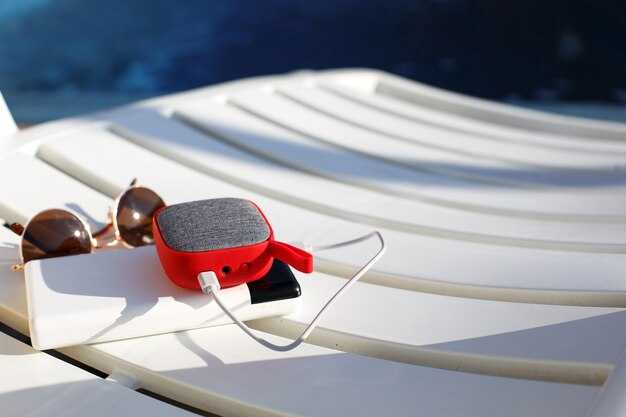 The Essential Equipment On Board a Boat – Must-Have Gear for Safe Sailing">

Ξεκινήστε με μια χειμερινή λίστα ελέγχου και επαληθεύστε τον εξοπλισμό σας πριν από κάθε ταξίδι για να αυξήσετε το επίπεδο ετοιμότητάς σας σε παράκτια περάσματα. Μια πρακτική προσέγγιση μειώνει τους χρόνους απόκρισης και προστατεύει το πλήρωμά σας. Η ποιότητα του εξοπλισμού σας, από το ψυγείο μέχρι το VHF, επηρεάζει άμεσα την αποτελεσματικότητα του σχεδίου σας όταν οι συνθήκες γίνονται δύσκολες. Αυτή η νοοτροπία ισχύει για όλα τα σκάφη, από μικρές βάρκες μέχρι μεγαλύτερα γιοτ.
Ο εξοπλισμός μετατρέπει ένα μικρό πρόβλημα σε ελεγχόμενη κατάσταση. Εξοπλίστε κάθε άτομο με ένα σωσίβιο, τοποθετήστε μια σφυρίχτρα σε εύκολη πρόσβαση και κρατήστε ένα συνδεδεμένο ραδιόφωνο VHF μαζί με ένα epirb στο κατάστρωμα. Ένα compact Ένας φακός κεφαλής και ένας φορητός πυροσβεστήρας προστίθενται στην εργαλειοθήκη ασφαλείας σας. Επίσης, διατηρείτε ένα γεμάτο ψυγείο με νερό και μη ευπαθή σνακ για μεγαλύτερα παράκτια ταξίδια. Βεβαιωθείτε ότι οι τουαλέτες είναι προσβάσιμες και συντηρούνται για να αποφύγετε καθυστερήσεις όταν περνούν ώρες στη θάλασσα.
Η πλοήγηση ξεκινά με μια αξιόπιστη πυξίδα, ενημερωμένους χάρτες και μια απλή, πρακτική λίστα ελέγχου εργασιών πριν από τον απόπλου. Ένα φορητό GPS μπορεί να βοηθήσει τη διαδρομή σας, αλλά ποτέ μην βασίζεστε μόνο στα ηλεκτρονικά συστήματα – να έχετε πάντα χάρτινους χάρτες ως εφεδρεία. Για παράκτια ιστιοπλοΐα, παρακολουθήστε τους πίνακες παλίρροιας και τις προειδοποιήσεις καιρού και έχετε έναν φορτιστή για να διατηρείτε τις συσκευές συνδεδεμένες.
Ακολουθήστε τις προτεινόμενες λίστες εξοπλισμού από αξιόπιστες πηγές και υπηρεσίες και προγραμματίστε τακτικούς ελέγχους για τη σωσίβια σχεδία, τον εξοπλισμό της άγκυρας και τους σωλήνες. Ένα ναυτικό κιτ πρώτων βοηθειών, μια εφεδρική αντλία νερού και επιπλέον ασφάλειες διατηρούν τη λειτουργία σας σε ετοιμότητα. Μια ανθεκτική άγκυρα, εφεδρικά σχοινιά, προφυλακτήρες και μια αντλία σεντίνας συμπληρώνουν το κιτ, τοποθετημένα για γρήγορη πρόσβαση.
Με στοχευμένη προετοιμασία, τα σκάφη σας παραμένουν έτοιμα για δύσκολες συνθήκες. Μια στέρεη χειμερινή νοοτροπία, οργανωμένη αποθήκευση και καθαρές τουαλέτες συμβάλλουν σε ομαλότερες διελεύσεις. Ένα Επιρβ στον κατάστρωμα, ένας αξιόπιστος πυξίδα, και μια ήρεμη ψυχραιμία μεταφράζονται σε καλύτερη λήψη αποφάσεων και ταχύτερη βοήθεια σε περίπτωση προβλήματος. Οι τακτικές ασκήσεις, η σαφήνεια των ρόλων και η συνεχής συντήρηση είναι οι συνήθειες που διατηρούν την ασφάλεια στο προσκήνιο, για κάθε ταξίδι κατά μήκος της ακτής.
Οδηγός Εξοπλισμού Σκάφους για Ασφαλή Ιστιοπλοΐα και Κολύμβηση με Αναπνευστήρα
Πριν από την αναχώρηση, συμπεριλάβετε ένα σωστά τοποθετημένο σωσίβιο για όλους και ένα φορητό ραδιόφωνο VHF. κρατήστε μια σημαδούρα ρίψης σε κοντινή απόσταση. Συμπεριλάβετε ένα συμπαγές κιτ πρώτων βοηθειών, συσκευή σηματοδότησης και μια στεγανή τσάντα και τοποθετήστε τα εδώ για γρήγορη πρόσβαση.
Για κολύμβηση με αναπνευστήρα, πάρτε μάσκα, αναπνευστήρα, βατραχοπέδιλα και μια στολή νεοπρέν ή rash guard. Αποθηκεύστε τον εξοπλισμό σε μια αδιάβροχη στεγανή τσάντα και ελέγχετε τακτικά τις σφραγίδες για να αποφύγετε τις διαρροές. ξεπλύνετε κατά τη χρήση εάν χρειάζεται και εκτυπώστε μια απλή ετικέτα φροντίδας για να ακολουθήσετε εδώ.
Εκτυπώστε μια πλαστικοποιημένη λίστα ελέγχου και κρατήστε την κοντά στο τιμόνι. Χρησιμοποιήστε συσκευές όπως GPS, χαρτογράφους, πυξίδα και εφαρμογές πλοήγησης για να σχεδιάσετε ταξίδια. επαληθεύστε τις ρυθμίσεις πριν απομακρυνθείτε από το καταφύγιο και, στη συνέχεια, πραγματοποιήστε έναν γρήγορο έλεγχο ασφαλείας με το πλήρωμα.
Εάν ψαρεύετε, συμπεριλάβετε καλάμια, εξοπλισμό και απόχη· τοποθετήστε τα σε ένα ντουλάπι εξοπλισμού για να διατηρήσετε την ισορροπία. Όταν εντοπίσετε ψάρια, δείξτε μια σύντομη υπενθύμιση ασφαλείας στο πλήρωμα και αποφύγετε να σκαλώσετε τις γραμμές.
Εγκαταστήστε ένα ντους καταστρώματος για ξέπλυμα αλατιού από τα χέρια και τον εξοπλισμό και τοποθετήστε αντιολισθητικά χαλάκια κατά μήκος του πιλοτηρίου. Χρησιμοποιήστε ρυθμιζόμενες χειρολαβές και διατηρήστε σταθερή στάση για να βελτιώσετε τη σταθερότητα στο περπάτημα σε φουρτουνιασμένες θάλασσες. Να έχετε έτοιμο ένα εφεδρικό σχοινί για ρυμούλκηση ή πρόσδεση, με σωστή αντοχή στη φθορά.
Η ισχύς και η αυτονομία βασίζονται σε μία συστοιχία θαλάσσιας μπαταρίας και ένα ηλιακό πάνελ για να παρέχουν αυτονομία για φώτα, VHF και συσκευές φόρτισης. Παρακολουθείτε τακτικά τα επίπεδα φόρτισης, περιστρέφετε τις βάσεις των συσκευών για να μειώσετε την καταπόνηση και διατηρείτε ένα αδιάβροχο ερμάριο για τις μπαταρίες και τα καλώδια.
Όλος ο εξοπλισμός που έρχεται σε επαφή με το αλάτι πρέπει να καθαρίζεται, να στεγνώνει και να συντηρείται μετά την έκθεση για την αποφυγή διάβρωσης. Ξεπλύνετε και στεγνώστε καλά τον εξοπλισμό για να παρατείνετε τη διάρκεια ζωής του. Εμπλουτίστε το σετ σας με ένα συμπαγές κιτ εργαλείων έκτακτης ανάγκης, έναν φακό και ένα πολυεργαλείο, ώστε η ευζωία στο σκάφος να παραμένει υψηλή κατά τη διάρκεια της αγκυροβόλησης.
Οι επαφές της αντιπροσωπείας πρέπει να εκτυπωθούν σε ένα εφεδρικό φύλλο· να γνωρίζετε τους χρόνους παράδοσης για τα ανταλλακτικά και να ζητάτε αντικαταστάσεις πριν εξαντληθούν. Καλέστε τον αντιπρόσωπο όταν χρειάζεστε ανταλλακτικά ή συμβουλές για συγκεκριμένες συσκευές.
Η καθημερινότητά σας στο σκάφος πρέπει να είναι ευχάριστη και ασφαλής κάθε μέρα. Να έχετε νερό και σνακ σε κοντινή απόσταση και να προγραμματίζετε τακτικά ντους για να διατηρείτε την ευεξία σας. Βεβαιωθείτε ότι οι διάδρομοι είναι καθαροί και καλά φωτισμένοι και αποθηκεύστε τον εξοπλισμό σε επισημασμένα διαμερίσματα, ώστε όλοι να γνωρίζουν πού να βρουν γρήγορα τα αντικείμενα.
Εξοπλισμός Ασφαλείας Σκάφους: Απαραίτητος Εξοπλισμός για Ασφαλή Ιστιοπλοΐα και Κολύμβηση με Αναπνευστήρα
Ξεκινήστε κάθε ταξίδι με ένα σωστά τοποθετημένο γιλέκο και ένα συμπαγές κιτ σηματοδότησης. Αυτή η ρύθμιση θα παρέχει άμεση προστασία και ορατότητα ενώ αξιολογείτε τις συνθήκες.
Διατηρείτε ένα καλά οργανωμένο κιτ επί του σκάφους σε μια καθορισμένη θέση, με τα αντικείμενα αποθηκευμένα σε αδιάβροχες σακούλες ή δοχεία. Τοποθετήστε τον εξοπλισμό που χρησιμοποιείται περισσότερο σε κοντινή απόσταση από το τιμόνι και αποθηκεύστε αντίγραφα ασφαλείας κάτω από το κατάστρωμα σε επισημασμένους κάδους για να αποφύγετε την ακαταστασία κατά τις μετακινήσεις.
-
Personal safety gear
- σωσίβια: Εγκεκριμένα από την Αμερικανική Ακτοφυλακή Ατομικά Σωστικά Μέσα (ΑΣΜ) σε μεγέθη που ταιριάζουν σε κάθε άτομο· προτιμήστε έναν από τους τύπους αφρού ή φουσκωτούς και δοκιμάστε την εφαρμογή πριν από τον απόπλου
- προστασία κεφαλής: ελαφρύ καπέλο ή κασκέτο και αντηλιακό για προστασία από την έκθεση στον ήλιο κατά τη διάρκεια των δραστηριοτήτων
- κορδόνι διακόπτη ασφαλείας: στερεώστε το στο σωσίβιό σας ή στα ρούχα σας για να σβήσει ο κινητήρας αν πέσετε στη θάλασσα
-
Σηματοδότηση και ορατότητα
- φωτοβολίδες: διατηρείτε ένα μείγμα χειροκίνητων και αλεξιπτώτου, με τις ημερομηνίες λήξης να ελέγχονται μηνιαίως. Αποθηκεύστε σε στεγνό, προσβάσιμο δοχείο
- σφυρίχτρα και καθρέφτης: συμπαγή εργαλεία σηματοδότησης για μικρές αποστάσεις
- Ραδιόφωνο VHF και κινητή συσκευή: να έχετε ένα φορτισμένο κινητό τηλέφωνο σε αδιάβροχη θήκη και μια σταθερή μονάδα VHF για κάλυψη παράκτιων περιοχών
- κόρνα αέρος ή σφυρίχτρα: πρόσθετη ηχητική σηματοδότηση όταν βρίσκεστε κοντά σε άλλα σκάφη
-
Πυρασφάλεια και μηχανική προστασία
- πυροσβεστήρες: τουλάχιστον ένας ανά μηχανοστάσιο· ελέγξτε τα μανόμετρα και βεβαιωθείτε για την προσβασιμότητα
- ανταλλακτικά και βύσματα: συμπεριλάβετε τουλάχιστον ένα εφεδρικό μπουζί και τις απαραίτητες ασφάλειες. αποθηκεύστε τα σε ένα δοχείο με ετικέτα
- βαλβίδα διακοπής καυσίμου και στάθμες λαδιού: επαληθεύστε πριν βγείτε και κατά τη διάρκεια σημαντικών αλλαγών στον καιρό
-
Εξοπλισμός πλοήγησης, διάσωσης και ανάκτησης
- σάκος ρίψης και πλευστός σχοινί ρίψης: να είναι έτοιμα για ανάκτηση ανθρώπου στη θάλασσα· να τοποθετούνται κοντά στο πιλοτήριο
- σημαδούρα επιφανείας (SMB) και σφυρίχτρα: για ασφάλεια στην κολύμβηση με αναπνευστήρα και ορατότητα της τοποθεσίας του σκάφους
- χάρτη, πυξίδα και εφεδρικές μπαταρίες: φύλαξη σε στεγανό κουτί· σημειώστε την προβλεπόμενη διαδρομή σας και τους γνωστούς κινδύνους
- φακοί χειρός: αδιάβροχοι και με καινούργιες μπαταρίες για νυχτερινές επιχειρήσεις
-
Εξοπλισμός ειδικά για κολύμβηση με αναπνευστήρα και ασφάλεια του συντρόφου
- μάσκα, αναπνευστήρας και βατραχοπέδιλα: επιλέξτε μια στενή εφαρμογή και άνετα βατραχοπέδιλα. δοκιμάστε την εφαρμογή τους πριν μπείτε στο νερό
- γιλέκο κολύμβησης με αναπνευστήρα ή πρόσθετη πλευστότητα: χρησιμοποιήστε το όταν βρίσκεστε κοντά σε ρεύματα ή σε νέες τοποθεσίες κολύμβησης με αναπνευστήρα
- υπενθύμιση για το σύστημα buddy: συμφωνήστε σε σήματα και παραμείνετε σε οπτική επαφή κατά τη διάρκεια των δραστηριοτήτων κολύμβησης με αναπνευστήρα
- προστασία φιλική προς τους κοραλλιογενείς υφάλους: εφαρμόστε αντηλιακό στα εκτεθειμένα δέρματα και επαναχρησιμοποιήστε μια μπλούζα με προστασία από εξανθήματα για να μειώσετε τον ερεθισμό
-
Αποθήκευση, οργάνωση και διαχείριση αποβλήτων
- αδιάβροχοι σάκοι και στεγανά κουτιά: διαχωρίστε τον εξοπλισμό ανά τύπο δραστηριότητας και αποθηκεύστε τον σε συγκεκριμένο σημείο
- διαχείριση αποβλήτων: αποθηκεύστε τις τουαλέτες και τα αναλώσιμα κεφαλής σε ένα ειδικό κιτ. ακολουθήστε τους τοπικούς κανόνες διάθεσης
- ασφαλίστε τα αντικείμενα εν πλω: χρησιμοποιήστε ιμάντες ή δίχτυα για να αποτρέψετε τη μετατόπιση και τη ζημιά
Regular checks will reduce breakdowns and keep gear ready. Remember to inspect the lifebuoys, inflatables, and signaling devices before each voyage, and replace anything that shows wear or is past expiry. For trusted guidance, consult the источник of marine-safety best practices and update your kit accordingly. Going out with a well-structured setup will let you focus on enjoying the water, whether you sail or snorkel, with better protection and fewer interruptions.
PFDs: Selection, Proper Fit, and Quick-Release Use
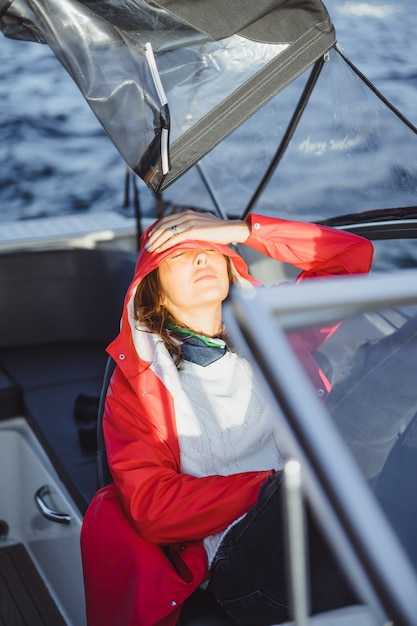
Choose a USCG-approved Type III PFD with at least 70 N buoyancy for adults and ensure a snug, adjustable fit, which provides sufficient buoyancy. For offshore trips or rough water, add a Type I PFD with higher buoyancy on the boat. Welcome aboard–this guide helps you pick gear that makes boating safer in accidental situations and supports your defense against immersion.
Fit matters more than the label. Try the vest over the clothes you’ll wear on deck, fasten all buckles, and cinch the straps until you cannot slide more than two fingers under the chest. Have a helper check by gently lifting your shoulders; if the chin rises toward the water or the vest rides up, switch to a different size or cut to maintain close alignment with the torso. This step does maximize precision and ensure a secure fit for most users.
Quick-release use should be intuitive and fast. Look for models with easy-squeeze side-release buckles and a straightforward buckle strap you can operate with one hand, even when wearing gloves. Practice on land and in shallow water to build precision; also test release under various conditions so you can act quickly if needed. The quick-release design allows rapid freeing, and then keep containers with signaling devices within reach in each activity zone for secure, rapid access during activities.
Maintenance and lifespan are part of defense against deterioration. Rinse PFDs with fresh water after salt or brackish trips, air dry away from direct sun, and inspect for tears, frayed straps, faded reflective trim, or stretched seams. Replace worn units or those that fail any test; most PFDs will show signs of wear after a few seasons, so schedule replacements after 3–5 years or sooner if damage appears.
To support safety on board, store PFDs in containers or clip them to cockpit coaming or seating for quick call to action. Ensure each wearer’s PFD is in a secure position and easy to grab during a sudden movement. Also, keep sponges and other cleaning containers away from pockets or straps and maintain a safe safety systems on the boat. After trips, return each vest to its designated spot and routinely test seals, fasteners, and life-saving features–this routine helps prevent accidental delays and keeps boating trips on track.
Mask, Snorkel, and Fins: Fit, Fog Prevention, and Cleaning Routine
Test the mask at your station before any voyage: a secure seal, comfortable strap, and clear lenses ensure better visibility and safer handling on vessels.
- Fit and types: Choose a low-volume mask with a soft silicone strap and tempered lenses. Types include single-lens, dual-lens, and full-face options. For childrens, use a smaller frame with a gentle nose pocket and softer silicone. Before pairing with a snorkel, verify that the mask stays sealed when you inhale through the nose and that the strap sits evenly without pinching.
- Strap adjustments: Start with the strap resting mid-back of the head; if leaks occur, loosen slightly and reposition. Avoid over-tightening, which can cause discomfort and press on the cheeks. If you wear long hair, pull it back and use a headband to reduce hair interference at the edges.
- Fog prevention basics: Dedicate several minutes to apply a defog option or rinse with fresh water before entering the water. In practice, a light defog gel or spray improves visibility across all areas of the lenses, including the periphery. Avoid abrasive cleaners on lenses and store the gear dry to maintain coating effectiveness.
- Snorkel options: Dry-top or semi-dry snorkels reduce water intrusion in choppy conditions. Ensure the mouthpiece fits comfortably; if you wear a full-face mask, assess the compatibility with any additional breathing gear and follow the manufacturer’s guidance.
- Fins selection: Pick fins that match your leg length and swimming style. Shorter fins are easier for beginners; longer fins give better propulsion but require careful deck handling near mooring lines. Check the fin straps for a snug but not tight fit to prevent blistering during long sessions.
- Ticket and setup notes: When renting gear, keep your ticket or rental record handy and confirm return conditions. If you’re sharing equipment, perform a quick seal test and strap check after any transfer to new vessels or areas around the station.
Fog prevention routines and care steps you can follow daily include rinsing after every use, being meticulous about inside-out cleaning, and drying thoroughly in shade. This approach helps preserve protective coatings of lenses and keeps straps pliable–enriched by careful rinsing routines and thoughtful storage near mooring areas.
- Cleaning protocol: Rinse mask, snorkel, and fins with fresh water immediately after use, then lightly scrub with a mild soap and soft brush. Rinse again and air-dry completely before packing in a protective case. Do not expose to direct sun for extended periods to avoid material degradation.
- Care and storage: Store in a breathable protective shell away from salt spray and heat. Keep the equipment organized at your station and avoid piling other gear on top of delicate lenses or fin blades.
- Maintenance cadence: Do a full inspection weekly–check straps for cracks, lens seals for micro-tears, and the snorkel mouthpiece for wear. Replace worn parts promptly to prevent surprises during a voyage.
- Safety note: If you notice persistent fog, consider trying a new defogging option or re-applying after rinsing. If leaks persist despite adjustments, contact a dive shop or instructor for a proper fit assessment and suggested alternatives, especially when planning trips with multiple vessels in busy areas.
Remember: being prepared with well-fitting gear at the mooring, thoughtful handling near deck edges, and a simple care routine keeps your mask, snorkel, and fins ready for long-term use–protecting your vision, comfort, and safety in all weather conditions.
Scuba Gear on Deck: Regulator, BCD, Tanks, and On-Boat Handling
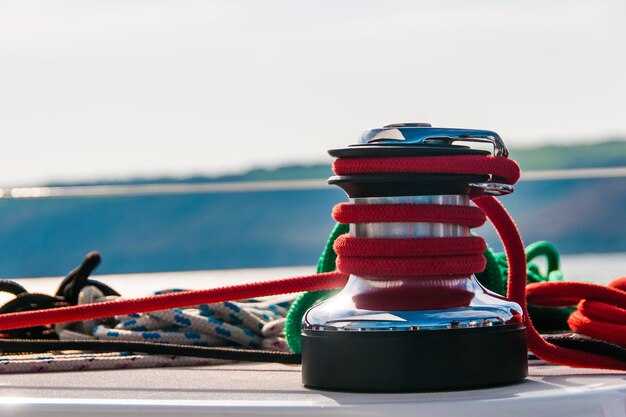
Begin with a firm rule: secure regulator, BCD, and tanks in a dedicated on-deck rack, using weather-resistant straps to stop movement in rough seas and deliver excellent grip. Upright tanks rest in a cradle with an unbreakable latch, plus protective caps, and hoses routed along the rack to reduce abrasion. The design accounts for the element of rough weather on boats of different sizes.
Here is a practical handling approach you can rely on: keep gear in separate containers or bags, color-code them, and create a simple list of assignments for crew. Such organization helps prevent mix-ups on deck.
Regular checks: inspect the first stage and hoses for cracks, inspect O-rings, and replace worn parts. Carry a small land-based tool kit, including screwdrivers, to handle minor field tweaks. Do not over-tighten fittings.
Storage and transport: after use, rinse in fresh water if possible; dry on a rack; store in dry containers away from heat; keep them accessible but secure. The setup allows quick access while ensuring safety and quality.
Weather and crew: before setting sail, verify that all gear is secured and clearly labeled; for childrens on board, assign a dedicated space and keep lines short for easy handling. Keep small items down in lockers to avoid clutter.
Checklist: Regulator, first stage, hoses; BCD inflator; tanks; manifold; mask; fins; spare O-rings; spare hoses; tape; containers; moisture-absorber.
Onboard Storage: Dry Bags, Racks, and Securing Gear in Rough Seas
Secure essential gear in a dedicated dry bag system mounted on adjustable racks, and lash bags with low-stretch maritime webbing to a fixed anchor point; this makes gear stable in rough seas and reduces shifting in the boat.
Choose 5–15 L dry bags for walking gear and personal items, and group them by location (cabins, cockpit, bow) so you can access quickly.
Use purpose-built racks that maximize efficiency and minimize movement; adjustable shelves help fit parts and tools, and they simplify rinsing and cleaning after trips easily.
Label and categorize gear with clear marks; this facilitates rapid retrieval for emergency and reduces times spent searching.
Use maritime-grade fixtures like french cleats or zip strips; they provide precision in load distribution and keep gear from shifting in both choppiness and smooth seas.
Keep anchor lines, spare parts, and maintenance items in a separate, clearly labeled addition; this supports regulatory compliance and quality expectations across vessels.
Regularly audit your setup for emergencies and rough weather; check that bags remain watertight, compartments drain, and racks hold heavy loads.
Consider bilingual or french tags for crew across boats and vessels; this helps in locations with multilingual crews.
Always measure weight per location and figure whether the plan you implement makes sense for your boat under maritime regulations; this adds reliability and safety to everyday use.
Owners often tune layouts after seasons to match experience, and this approach reduces the risk of gear shifting during storms and heavy times at sea.
In addition, modular bags that attach to the existing racks make it easy to reconfigure storage; addition to core racks helps adapt to trips and products on board.
That results in a simple, fast reset after a shift; thats a practical outcome on any vessel.
Signaling and Surface Support: Whistles, Surface Markers, and VHF Coordination
Keep a waterproof whistle on a strap around your neck and a bright surface marker within easy reach on-board; that quick signal can resolve issues before they escalate and keeps everyone aligned on the same plan.
Use the whistle for immediate alerts in wind, rain, or engine noise. Attach the strap to a collar or life jacket so you can signal without searching your pockets. Test the whistle before trips and replace the mouthpiece if it shows wear; practice short blasts to establish a recognizable pattern for others on the water.
Choose a Surface Marker Buoy (SMB) or buoyant marker that stays visible from a distance, even in glare. Clip or tether the marker to a short line so you can deploy it quickly when you pause near moorings or during an unexpected stop. Store it in a waterproof bag at the helm or cockpit locker and keep extra line there for fast retrieval when wind picks up or conditions change.
Coordinate with the VHF to manage communications. Hail on channel 16, then switch to a working channel such as 68 or 72 to talk with crew, harbor staff, or nearby boats. State your signal and boat name clearly, then confirm acknowledgement. Keep the radio powered with fresh batteries and a robust, waterproof case at the helm; if you use a router for data on the same system, keep it isolated from the VHF microphone to avoid interference.
Build a simple checklist and run through it after each trip to reinforce good habits. Include checks for:
– signal gear: whistle, strap, collar, surface marker, spare parts
– on-board systems: VHF battery, channel memory, call sign, range
– moorings and marks: location, visibility, weather, wind direction
– tools: wrenches, plug, and basic maintenance items for quick fixes
– safety practices: accidental signals, drills, and who handles others on-board
This routine helps you respond to real events, stay aware of power needs, and reduce panic during unexpected trips or water conditions.
| Item | Purpose | How to use | Συντήρηση |
| Whistle and strap | Audible signaling | Keep on collar or life jacket; blast in clear, short bursts | Dry after use; replace worn mouthpiece |
| Surface Marker Buoy (SMB) | Visual position signal | Deploy quickly when stopping near moorings or in rough water | Inspect line and buoy; replace if faded or torn |
| VHF radio | Boat-to-boat and shore communication | Hail on 16; switch to working channel (68/72); confirm word-for-word | Check batteries; verify memory and call sign; store in waterproof case |
| Backup signals (signals, lights) | Night visibility and redundancy | Use waterproof signal light or mirror at night or low visibility | Recharge or replace batteries; keep dry |
| Wrench and plug tools | Quick on-site adjustments | Use for antenna mounts, fittings, or securing gear | Keep in a small kit; corrosion protection |